

Choosing a wool beanie is about more than picking a fiber name. Icelandic wool and merino have different fleece characteristics, but neither is automatically the warmest winter hat in every situation. Warmth depends on the finished knit, how it fits, how much air it traps, and whether wind can pass through it.
Here’s a practical comparison of the two fibers, what science can tell us, and how to think about choosing between them.
Icelandic wool and merino: two different fleece structures
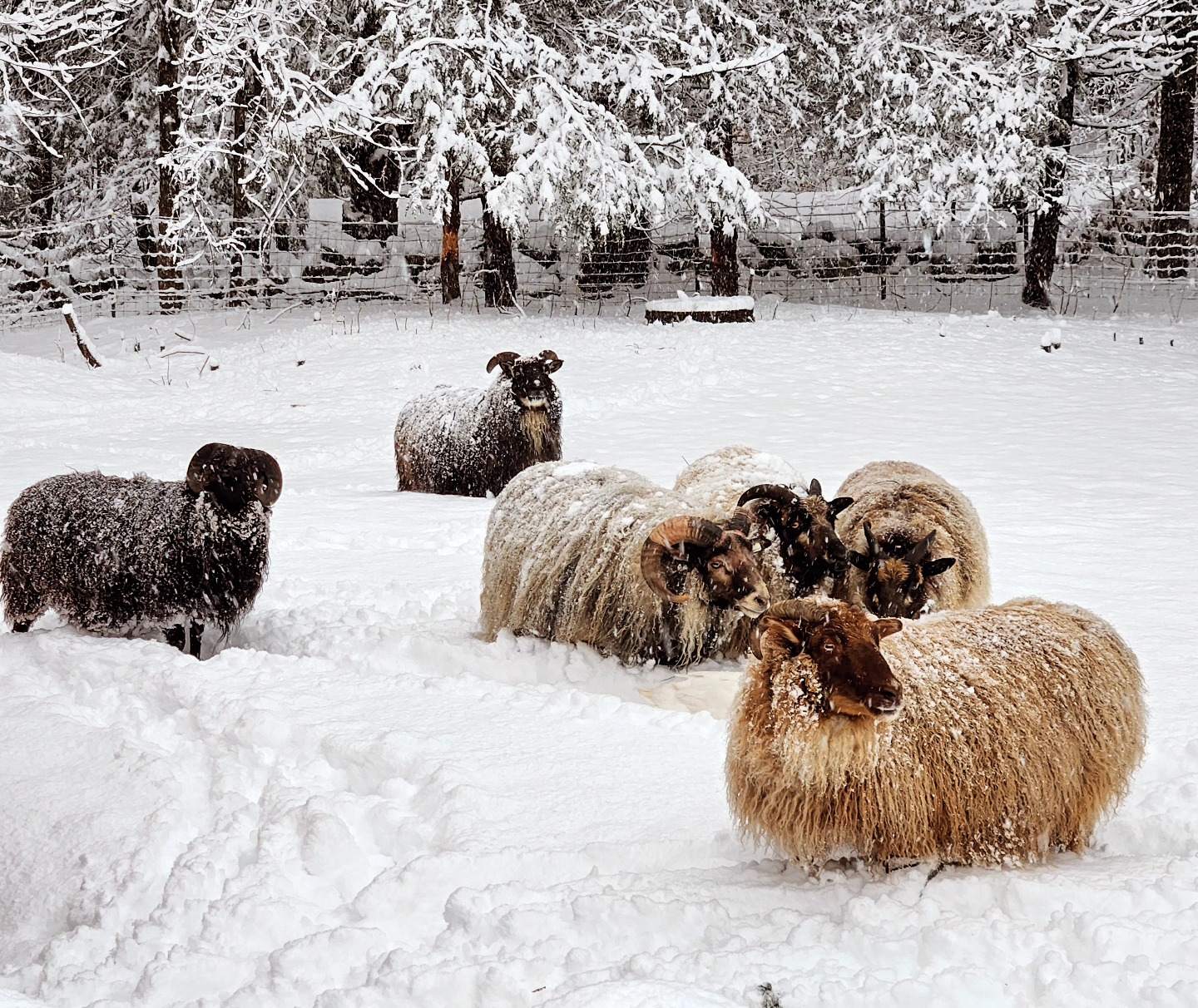
Icelandic sheep are a dual-coated breed. Their fleece has a longer outer layer, traditionally called tog, and a finer inner layer, called þel. The fibers differ in feel and structure, and fleece studies describe distinct outer and undercoat components in Icelandic and other primitive sheep breeds.[1–4]
Broadly speaking, the outer coat is more robust and suited to weather exposure, while the soft undercoat contributes insulation. That combination helps explain why Icelandic wool can have a textured, substantial feel. It does not mean that every Icelandic wool garment is made from both layers in the same proportions; processing and yarn construction affect the finished fabric.
Merino is generally known for a more uniform, fine-wool fleece, shaped by breeding for wool quality and fiber fineness.[1,5] That fine, consistent feel is one reason merino is popular in next-to-skin clothing, including lightweight hats and base layers.
In short: Icelandic fleece offers a distinctive mix of a more robust outer coat and finer undercoat; merino is often chosen for its fine, even handfeel. Those differences may guide comfort and use, but they don’t provide a simple warmth ranking.
What actually makes a beanie warm?
Warmth comes largely from still air held within a textile. Fiber crimp, yarn, knit structure, fabric thickness, and fit all affect how much air a garment can retain and how easily heat escapes.[6–8] Wind permeability matters too: a loose, open knit may let moving air pass through, while a denser construction can offer more resistance.[9,10]
Wool can also absorb and release water vapor. A study of hygroscopic fabrics found that wool can buffer moisture near the skin during wear.[11] In a cold-weather jacket study, wool batting affected heat and moisture management differently from polyester batting, but that experiment tested jacket insulation, not wool beanies.[7] Its results shouldn’t be treated as a direct comparison of hats.
That’s why fiber diameter alone is a poor predictor of warmth. A thin merino beanie and a thick, lofty Icelandic wool hat are not an apples-to-apples comparison. Their knit density, yarn, thickness, fit, and exposure to wind all matter.
A windproof beanie is a separate question from a wool beanie: wool itself isn’t a windproof shell, and a knit hat shouldn’t be assumed to block strong wind. For exposed, windy conditions, a wind-resistant outer layer or hood may help, depending on your activity and the garment’s construction.[18,19]
Will Icelandic wool feel itchy?
The prickly sensation some people experience with wool is generally explained as a mechanical response: coarse fiber ends that stick out from a fabric can stimulate the skin. Studies have examined how the diameter and number of protruding fiber ends relate to perceived prickle.[12–14]
A review of the evidence found that true immune allergy to wool fiber is uncommon; irritation from coarse fibers is a different issue. Reactions to dyes, finishes, or other garment components can also occur.[15] That doesn’t mean everyone will find a given wool fabric comfortable. Individual sensitivity and fabric construction still matter.
If you know you prefer a smooth, fine feel against your skin, look for a soft, fine-knit merino or a blend you can comfortably try on. If a more textured wool feels fine to you, Icelandic wool may suit your preference. When in doubt, wear a new hat briefly before relying on it for a full day outdoors.
How wool performs in wind and wet weather
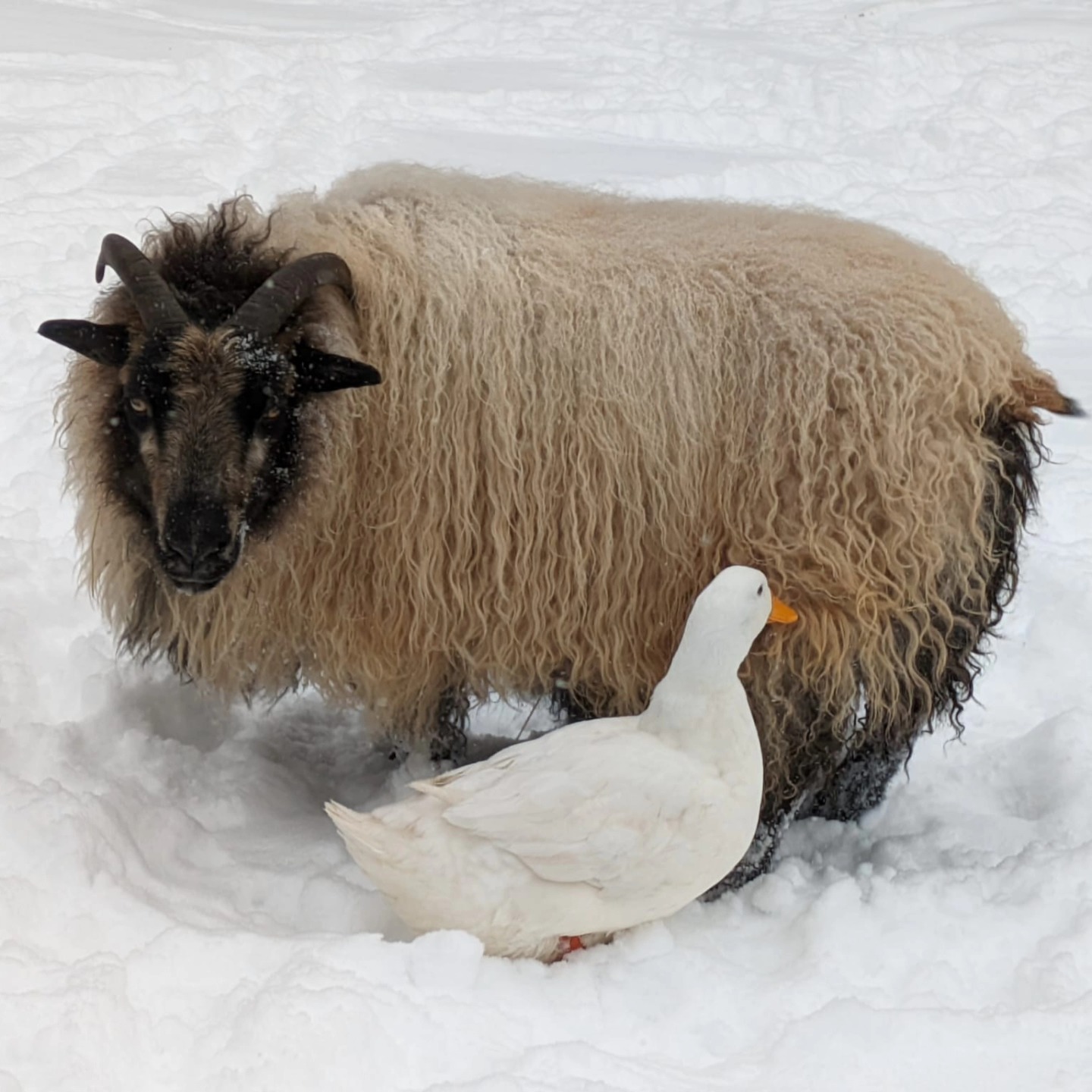
Wool is not waterproof. It can take up moisture vapor, and some wool clothing systems have performed well in cold-weather tests, but results depend on the textile, layers, and conditions.[7,11,18] A wool beanie may stay useful in damp conditions, but it can still become wet, and a knit hat alone won’t keep out heavy rain or stop wind.
For a blustery day, consider the whole system: how closely the hat fits, whether it covers your ears, the density of the knit, and whether you’ll wear a hood or shell over it. No fiber name by itself guarantees comfort in every kind of weather.
Our wool hats
We make one hat: the Handmade Icelandic Wool Skull Cap, $35, which the product listing describes as 100% natural Icelandic sheep wool. It’s a close-fitting knit meant for cold weather, outdoor work, and everyday winter wear. See the Icelandic Wool Skull Cap.
We also sell an undyed Icelandic and Romney wool yarn, $30 a skein, if you’d rather knit something to your own preferred weight and softness. That’s a fibre choice for makers, not a finished hat.
These are use descriptions, not lab-tested temperature ratings. We can’t claim our hat is warmer than every merino beanie, or that it will suit every wearer. The listing describes natural Icelandic wool, but does not establish that the fleece came from our own flock, so we don’t make that claim.
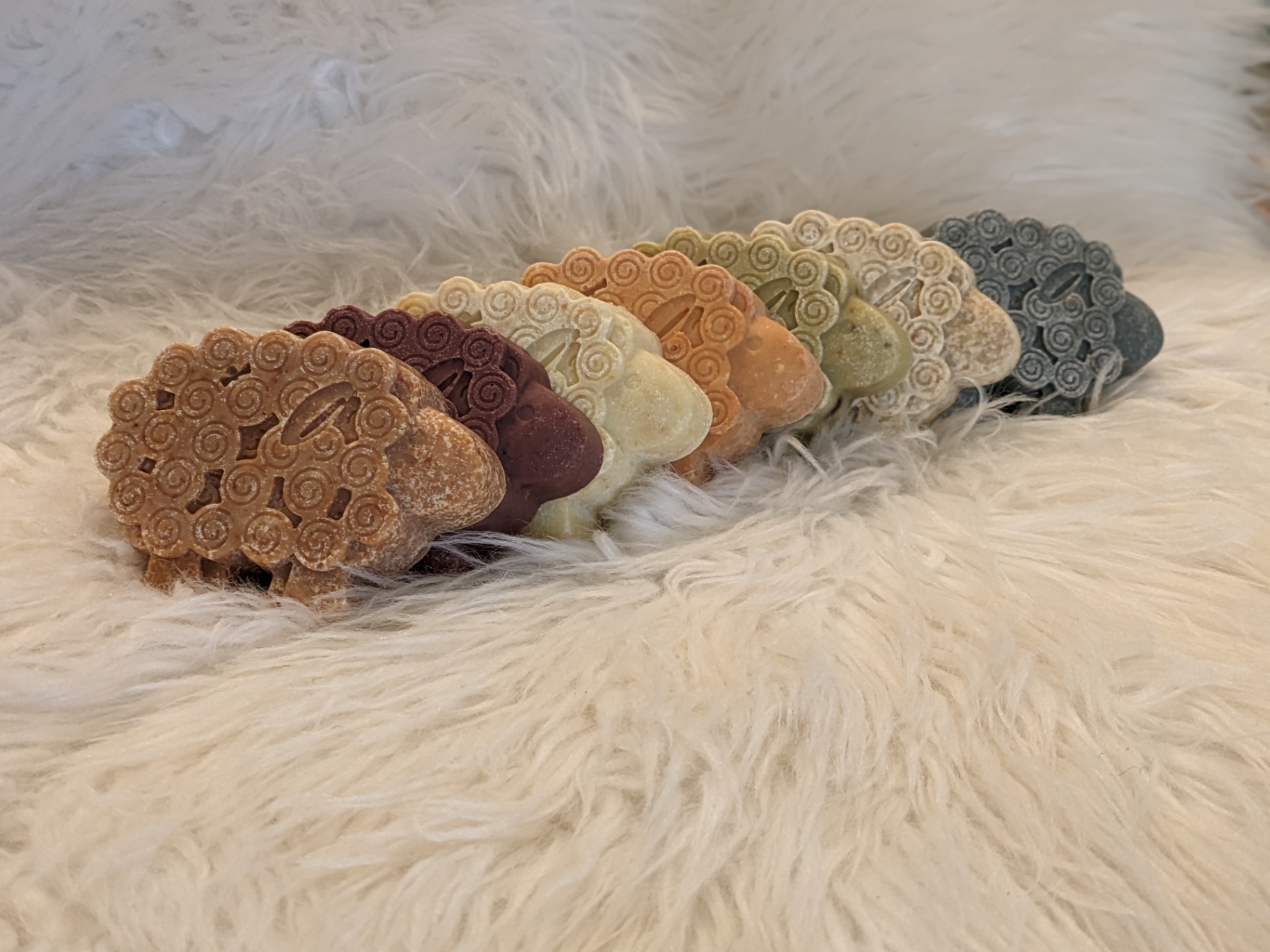
At our family farm, Icelandic sheep provide the milk we use in our small-batch sheep-milk soap. That farm-sourced milk and our handmade natural soap are part of the same family operation, but the beanie’s wool sourcing is a separate detail. Learn more about why we chose Icelandic sheep and read Sheep Wool, Explained for more on wool’s structure and uses.
For wool-hat care, check the product’s care label and follow the gentle-washing guidance in our short guide: How to Wash Wool Without Felting It.
Wool beanie FAQs
Is merino warmer than lambswool?
Not necessarily. “Lambswool” describes wool from a young sheep’s first shearing, while “merino” refers to a breed and type of wool. Either can be used in fabrics with different thicknesses and constructions. For warmth, compare the actual knit, fit, and fabric, not just the label.[7–10]
Why is merino more expensive?
Prices vary by fiber quality, sourcing, processing, yarn, garment construction, and brand. Fine fibers and careful sorting can add cost, but “merino” alone doesn’t determine a hat’s price or performance.
Can I wear Icelandic wool next to my skin?
That depends on the specific yarn, knit, and your own comfort. Icelandic fleece includes different fiber types, so garments can feel different from one another. If you’re sensitive to prickly textures, choose a smoother-feeling fabric or try the hat briefly before extended wear.
Is wool warmer than synthetic?
There isn’t one answer for every garment. Wool and synthetic fibers behave differently, and results depend on the construction and conditions. A study comparing wool and polyester jacket battings found differences in heat and moisture management, but it did not test every fiber or type of hat.[7]
Academic References & Scientific Sources
- Jackson, N. et al. “Evolution of the sheep coat: the impact of domestication on its structure and development.” Frontiers in Genetics, 2020. PMC article.
- Adalsteinsson, S. “Fleece structure in some native and unimproved breeds of sheep.” Acta Agriculturae Scandinavica, 1968. DOI.
- Ryder, M. L. “A survey of European primitive breeds of sheep.” Genetics Selection Evolution, 1981. Journal PDF.
- “Genetic variation in woolskin quality of Icelandic lambs.” Small Ruminant Research, 1999. ScienceDirect.
- “Genomic Characterization of Quality Wool Traits in Spanish Merino Sheep.” Animals, 2024. PMC article.
- Munro, W. A. “Wool-Fibre Crimp Part I: The Effects of Microfibrillar Geometry.” The Journal of the Textile Institute, 1999. DOI.
- Kofler, P. et al. “Effects of Two Different Battings (Sheep Wool Versus Polyester Microfiber) in an Outdoor Jacket on the Heat and Moisture Management and Comfort Sensation in the Cold.” Textile Research Journal, 2016. DOI.
- Schneider, A. M., Hoschke, B. N., and Goldsmid, H. J. “Heat Transfer through Moist Fabrics.” Textile Research Journal, 1992. DOI.
- Atmaca, M. et al. “Investigation of the effects of fabric parameters on air permeability of woolen fabrics.” Textile Research Journal, 2015. DOI.
- Dal, V. et al. “Thermal Comfort of Woolen Fabrics Depending on Physical Properties.” Journal of Natural Fibers, 2016. DOI.
- Li, Y., Holcombe, B. V., and Apcar, F. “Moisture Buffering Behavior of Hygroscopic Fabric During Wear.” Textile Research Journal, 1992. DOI.
- Garnsworthy, R. K. et al. “Identification of the Physical Stimulus and the Neural Basis of Fabric-Evoked Prickle.” Journal of Neurophysiology, 1988. DOI.
- Naylor, G. R. S. and Phillips, D. G. “Fabric-Evoked Prickle in Worsted Spun Single Jersey Fabrics Part I: The Role of Fiber End Diameter Characteristics.” Textile Research Journal, 1997. DOI.
- Naylor, G. R. S. et al. “Fabric-Evoked Prickle in Worsted Spun Single Jersey Fabrics Part III: Wear Trial Studies of Absolute Fabric Acceptability.” Textile Research Journal, 1997. DOI.
- Zallmann, M. et al. “Debunking the Myth of Wool Allergy: Reviewing the Evidence for Immune and Non-immune Cutaneous Reactions.” Acta Dermato-Venereologica, 2017. DOI.
- Naylor, G. R. S. et al. “Fabric-Evoked Prickle.” Textile Research Journal, 1992. DOI.
- McGregor, B. A. et al. “The Influence of Fiber Diameter, Fabric Attributes and Environmental Conditions on Wetness Sensations of Next-to-Skin Knitwear.” Textile Research Journal, 2014. DOI.
- Laing, R. M. et al. “Layering of fabrics in laboratory tests to reflect combinations as outdoor apparel.” Textile Research Journal, 2011. DOI.
- McArthur, A. J. and Monteith, J. L. “Air movement and heat loss from sheep. II. Thermal insulation of fleece in wind.” Proceedings of the Royal Society B, 1980. DOI.


