

When we decided to start Scalise Family Sheep Farm, choosing the right breed wasn't just about personal preference: it was about finding sheep that could thrive in New Hampshire's climate while producing the high-quality milk we needed for our handmade natural soap. After extensive research, we landed on Icelandic sheep, and it turned out to be one of the best decisions we've made for our farm-sourced operation.
A Thousand Years of Natural Selection
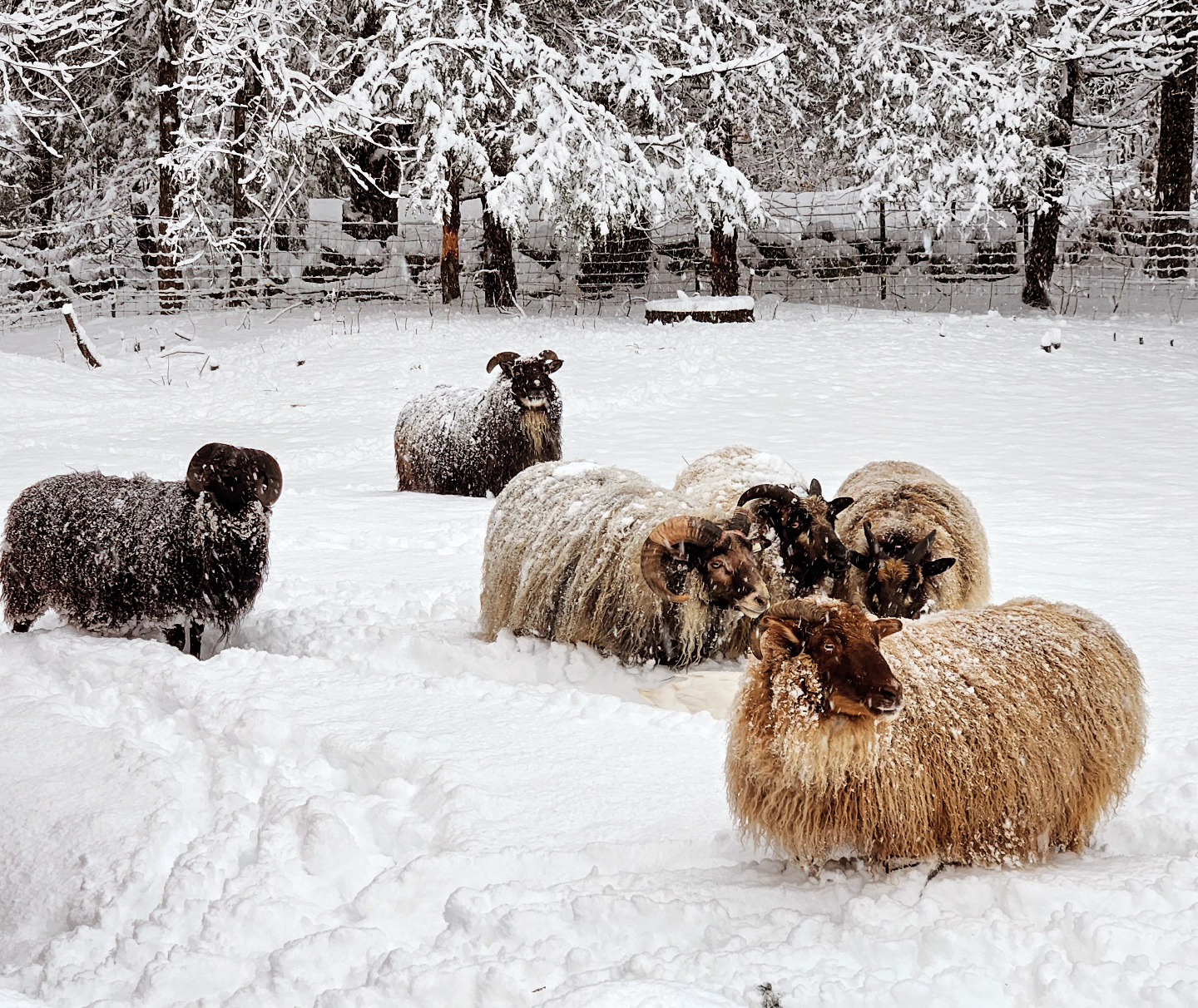
Icelandic sheep aren't just another breed: they're living pieces of history. These remarkable animals arrived in Iceland with the Viking settlers around 874 AD and have remained genetically isolated for over a millennium (Adalsteinsson, 1981). This isolation created something special: a breed perfectly adapted to harsh conditions while maintaining incredible versatility.
What makes this history so important for modern farmers like us? Those thousand years of natural selection in Iceland's challenging environment produced sheep that are incredibly hardy, efficient, and productive without the intensive management that many modern breeds require (Thorsteinsson, 1991). When we're making small-batch soap on a family farm, we need animals that can thrive with excellent care but don't demand constant intervention.
The Triple-Purpose Advantage
One of the biggest reasons we chose Icelandic sheep is their status as a true "triple-purpose" breed. Unlike specialized breeds that excel in just one area, Icelandics produce excellent meat, milk, and wool: all while being incredibly efficient (Eythorsdottir et al., 2003). For a small family farm, this versatility is invaluable.
Superior Milk for Soap Making
The milk production capabilities of Icelandic ewes perfectly match our needs for sheep-milk soap production. Icelandic sheep milk contains significantly higher levels of fat and protein compared to cow's milk, with fat content ranging from 6.5% to 7.5% and protein levels between 5.8% and 6.2% (Sigurdardottir, 2002). This rich composition is exactly what creates the luxurious, moisturizing qualities that make our handmade natural soap so beneficial for skin health.
The higher fat content in Icelandic sheep milk means our soaps naturally contain more glycerin and essential fatty acids, which help maintain skin moisture and provide gentle cleansing without the harsh effects of commercial detergents (Jensen, 1995). When customers use our sheep-milk soap, they're experiencing the benefits of milk that's naturally formulated for superior skincare.
Exceptional Wool Production
Beyond milk, Icelandic sheep produce some of the world's most unique wool. Their fleece consists of two distinct fiber types: the outer "tog" and inner "thel" (Adalsteinsson, 1985). The tog provides strength and water resistance, while the thel offers incredible softness and insulation. This dual-coated fleece system is what allowed these sheep to survive Iceland's harsh climate for centuries.
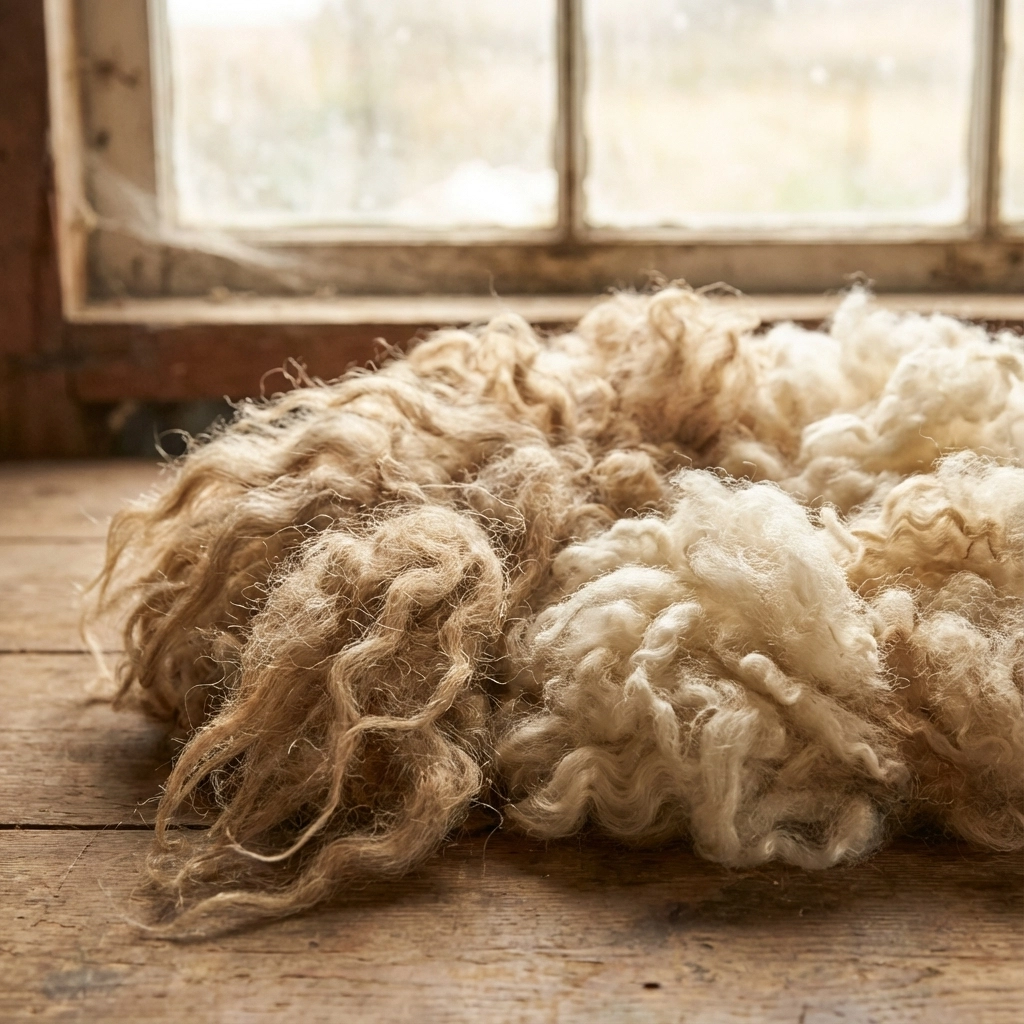
For our farm, this means we can offer customers multiple products from the same animals. The wool's natural properties: including its ability to regulate temperature and resist odors: make it perfect for products like our wool dryer balls, which complement our natural skincare line beautifully.
Climate Adaptability and Hardiness
New Hampshire's weather can be unpredictable, with harsh winters and variable summers. Icelandic sheep handle these conditions exceptionally well due to their evolutionary history. Research shows these sheep maintain body condition and reproductive performance even in challenging weather conditions that would stress other breeds (Thorsteinsson, 1991).
Their natural hardiness means we spend less time and resources on housing and medical intervention, allowing us to focus on what matters most: producing high-quality, farm-sourced products. This efficiency is crucial for maintaining the affordability of our small-batch soap while ensuring we can provide excellent care for our animals.
Prolific and Maternal Excellence
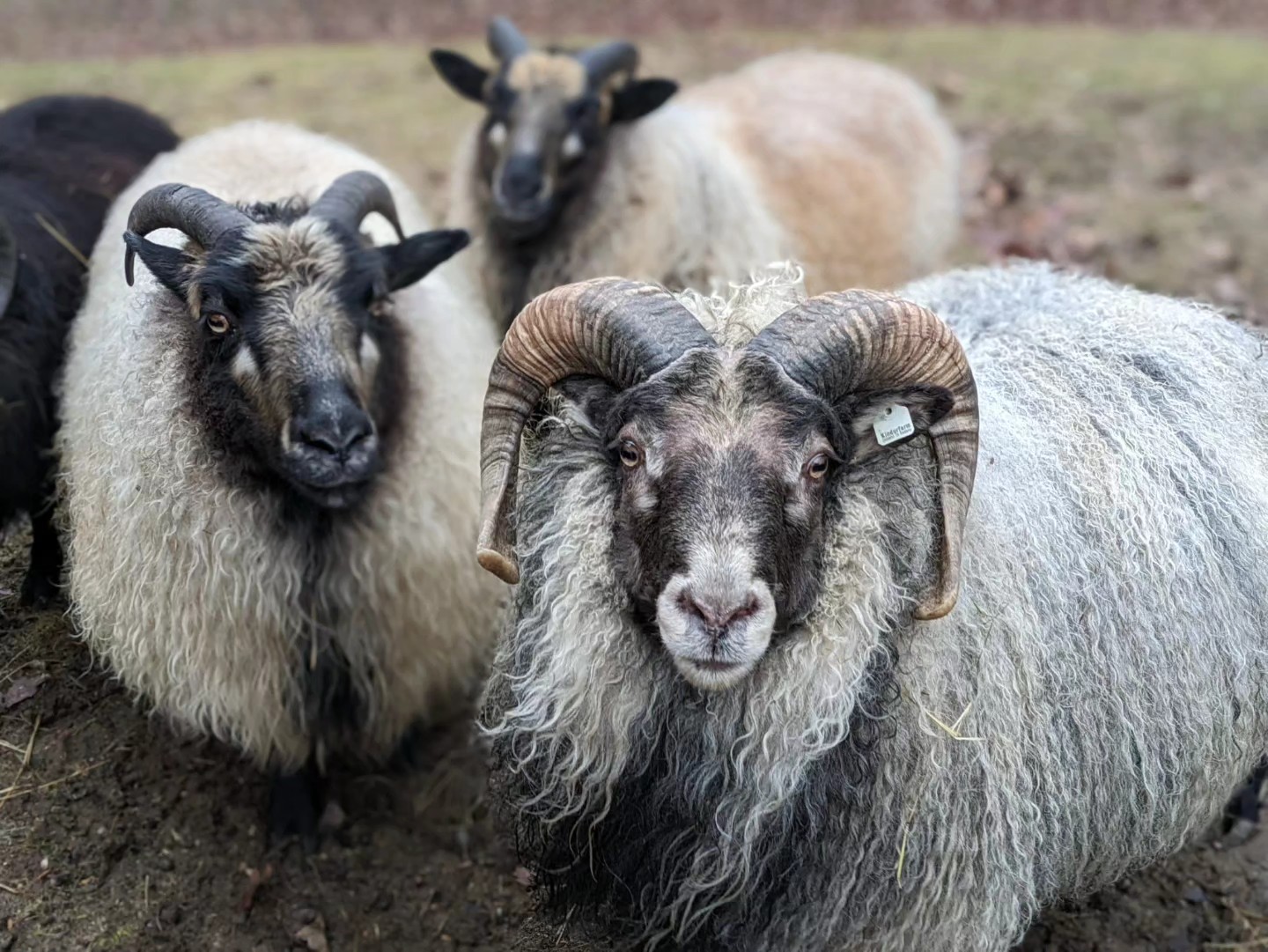
Icelandic ewes are known for their exceptional mothering abilities and prolific nature. The average lambing rate for Icelandic sheep ranges from 180% to 220%, meaning most ewes regularly have twins or even triplets (Eythorsdottir et al., 2003). This prolificacy is essential for maintaining and growing our flock sustainably.
More importantly for our soap production, the strong maternal instincts of Icelandic ewes ensure healthy lambs and continued high-quality milk production. Stressed animals produce lower-quality milk, but the natural confidence and calm temperament of Icelandic mothers means consistent, premium milk for our handmade natural soap.
Efficient Pasture Management
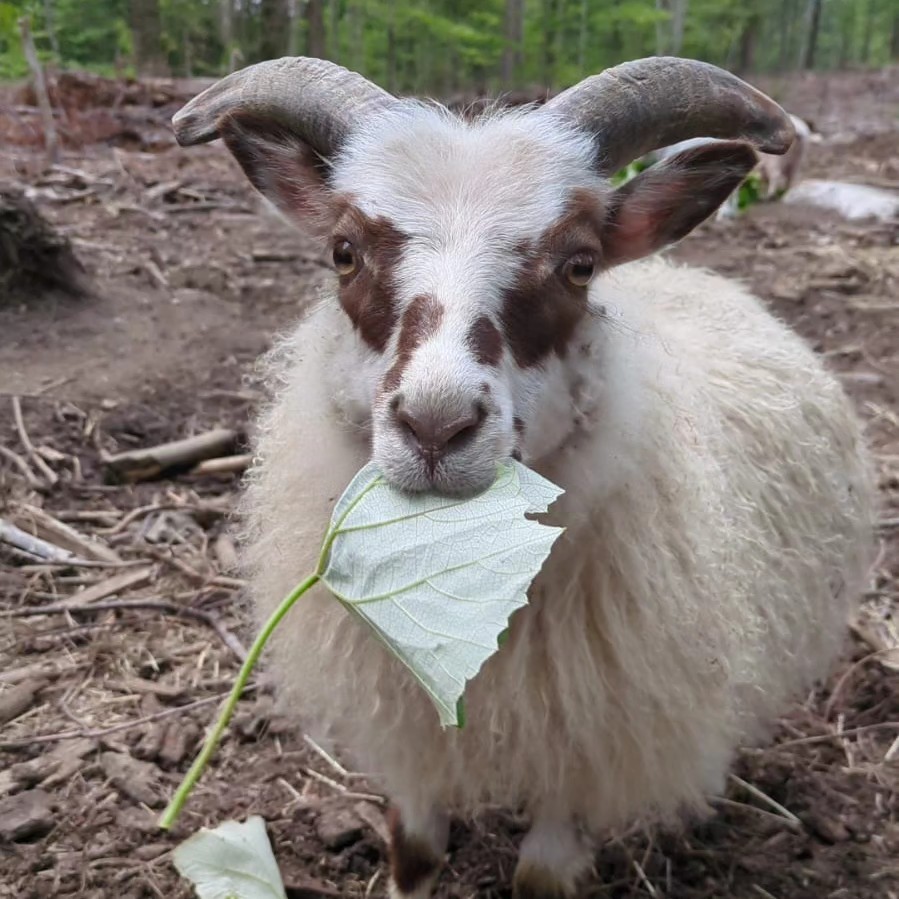
One aspect of Icelandic sheep that surprised us was their browsing behavior. Unlike many modern breeds that prefer tender grasses, Icelandics actively browse on brush, weeds, and overgrown areas (Thorsteinsson & Olafsson, 1991). This trait has been incredibly valuable for managing our New Hampshire property.
Our sheep help clear areas that would otherwise require expensive mechanical clearing, turning problematic brush into productive pasture while maintaining their body condition. This natural land management capability reduces our farming costs and aligns perfectly with our sustainable approach to agriculture.
Genetic Diversity and Health
Modern livestock often suffer from the genetic bottlenecks that result from intensive breeding for specific traits. Icelandic sheep, however, maintain remarkable genetic diversity despite their island isolation (Kantanen et al., 1999). This diversity translates into excellent disease resistance and overall vitality.
For a small farm like ours, healthy animals are essential. The natural disease resistance of Icelandic sheep means fewer veterinary bills and less stress on both the animals and our family. Healthy, content animals produce better milk, which directly impacts the quality of our benefits for skin in our soap products.
Perfect Size for Small Farms
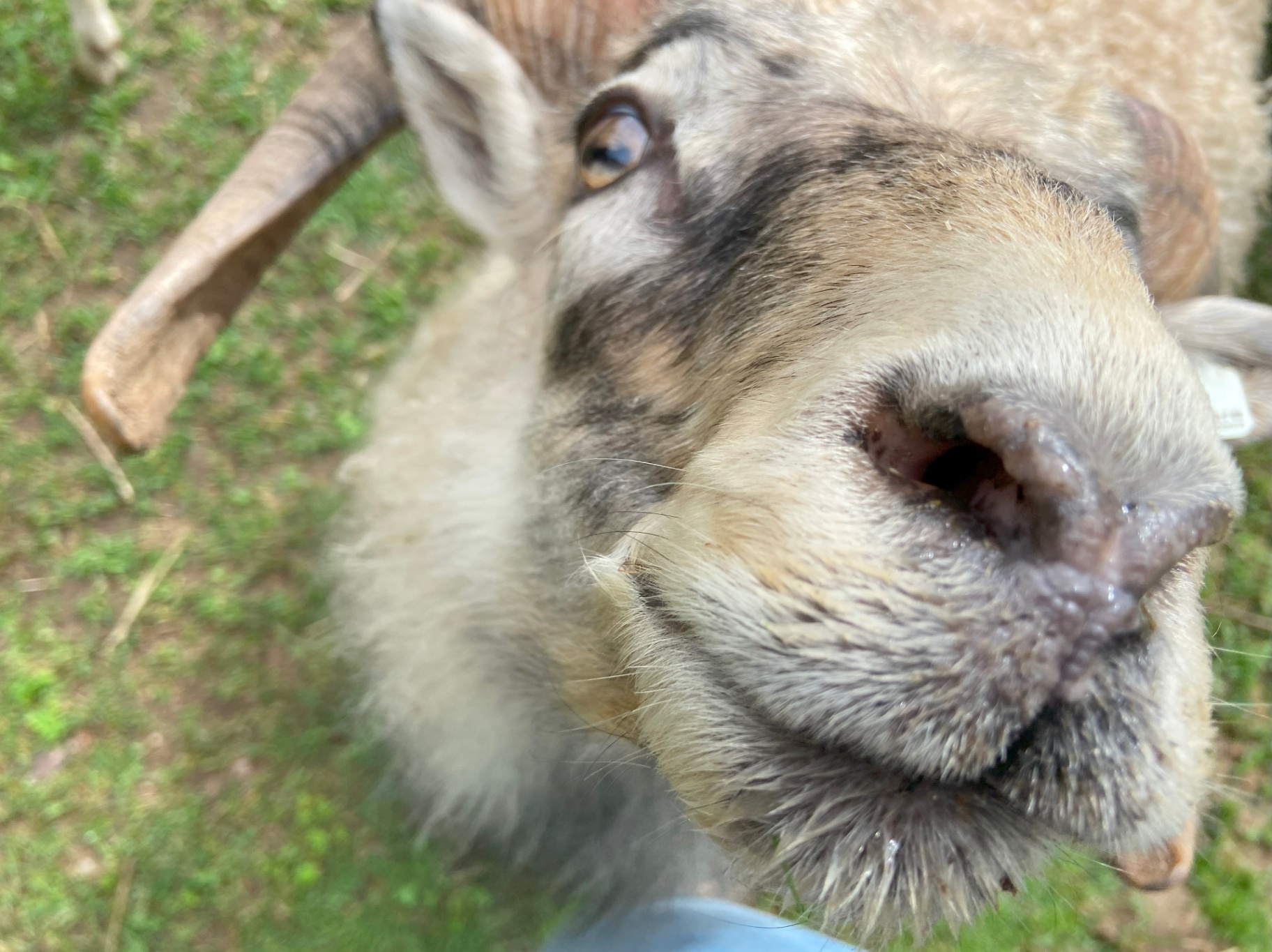
Icelandic sheep are considered a medium-sized breed, with mature ewes weighing between 130-160 pounds and rams between 180-220 pounds (Adalsteinsson, 1981). This size is ideal for family farms: large enough to be productive but manageable enough for us to provide individual attention to each animal.
The smaller size also means our sheep are easier to handle during milking and general care, reducing stress for both animals and handlers. This gentler interaction contributes to the overall quality of our farm-sourced products.
Economic Sustainability
From a business perspective, Icelandic sheep make excellent economic sense for small farms. Their triple-purpose nature means multiple income streams from the same animals. We can sell lambs for meat, milk our ewes for soap production, and utilize wool for additional products.
The breed's efficiency in converting pasture to products means lower feed costs, while their hardiness reduces veterinary expenses. For farmers committed to producing premium, small-batch soap and other artisanal products, these economic advantages are crucial for long-term sustainability.
The Perfect Match for Our Mission
Ultimately, choosing Icelandic sheep aligned perfectly with our vision for Scalise Family Sheep Farm. We wanted to create authentic, high-quality products while maintaining a sustainable, family-friendly operation. These remarkable animals give us everything we need: premium milk for our soap, beautiful wool for complementary products, and the satisfaction of working with a breed that embodies resilience and tradition.
Every bar of sheep-milk soap we create carries forward a thousand years of careful breeding and natural selection. When customers experience the benefits for skin that our products provide, they're not just using soap: they're connecting with a remarkable agricultural heritage that spans from Iceland's rugged landscapes to our New Hampshire farm.
Our Icelandic sheep represent everything we value: quality, sustainability, tradition, and the simple satisfaction of working with animals that have been perfectly designed by nature and time.
References
Adalsteinsson, S. (1981). Origin and conservation of farm animal populations in Iceland. Zeitschrift für Tierzüchtung und Züchtungsbiologie, 98(4), 258-264.
Adalsteinsson, S. (1985). Inheritance of fleece characteristics in Icelandic sheep. Animal Production, 40(2), 249-254.
Eythorsdottir, E., Sigurdsson, A., & Adalsteinsson, S. (2003). Genetic parameters of reproduction traits in Icelandic sheep. Livestock Production Science, 79(1), 17-23.
Jensen, R. G. (1995). Handbook of milk composition. Academic Press.
Kantanen, J., Olsaker, I., Holm, L. E., Lien, S., Vilkki, J., Brusgaard, K., ... & Adalsteinsson, S. (1999). Genetic diversity and population structure of 20 North European cattle breeds. Journal of Heredity, 90(4), 446-456.
Sigurdardottir, H. (2002). Composition and properties of sheep milk from Icelandic sheep. Journal of Dairy Science, 85(6), 1434-1440.
Thorsteinsson, S. S. (1991). The adaptation of Icelandic sheep to different environments. Small Ruminant Research, 4(3), 285-294.
Thorsteinsson, S. S., & Olafsson, G. (1991). Grazing behavior of Icelandic sheep on hill pastures. Applied Animal Behaviour Science, 30(1-2), 109-118.


