

For many, the appearance of small, rough bumps on the back of the arms, thighs, or buttocks: commonly referred to as "chicken skin": is a source of persistent frustration. Medically known as Keratosis Pilaris (KP), this condition affects nearly 40% of adults and up to 50–80% of adolescents. While benign, its impact on skin texture and confidence is significant.
At Scalise Family Sheep Farm LLC, we approach skincare through the lens of both traditional agriculture and modern dermatological science. The secret to managing KP lies not in harsh mechanical scrubbing, but in molecular exfoliation and barrier restoration. Recent academic literature increasingly points to Alpha-Hydroxy Acids (AHAs), specifically lactic acid, as the gold standard for treatment. When delivered via the nutrient-dense medium of sheep milk, lactic acid becomes a potent yet gentle solution for even the most sensitive skin.
The Biological Mechanism of Keratosis Pilaris
To understand the solution, one must first understand the pathology of the condition. Keratosis Pilaris occurs due to the overproduction and accumulation of keratin: a fibrous structural protein that protects the skin. In individuals with KP, this keratin forms a dense plug within the hair follicle, preventing the hair from reaching the surface and resulting in the characteristic "sandpaper" texture.
Unlike inflammatory acne, KP is primarily a disorder of keratinization. Treating it requires a dual-pronged approach: breaking down the keratin plug (keratolysis) and maintaining the integrity of the epidermal barrier to prevent further irritation. This is where the specific biochemistry of sheep milk skincare offers a definitive advantage over conventional synthetic cleansers.
Lactic Acid: The Dermatologist’s First-Line Defense
In the realm of clinical dermatology, lactic acid is recognized as a premiere intervention for follicular disorders. According to a comprehensive study by Greenzaid et al. (2023) published in the Journal of Drugs in Dermatology, lactic acid remains the #1 first-line treatment for Keratosis Pilaris, utilized by approximately 43.6% of dermatologists surveyed.
Lactic acid functions as an Alpha-Hydroxy Acid (AHA) with a unique molecular weight that allows for controlled penetration. It acts as a "keratolytic," meaning it dissolves the intercellular "glue" that holds dead skin cells together. By breaking these bonds, lactic acid facilitates the shedding of the keratin plugs that cause KP bumps.
Furthermore, research published in the Journal of the American Academy of Dermatology (JAAD, 2004) highlights the efficacy of sodium lactate (the salt form of lactic acid) in significantly ameliorating KP symptoms. The study found that regular application of lactate-based topicals led to a measurable reduction in skin roughness and redness, proving that chemical exfoliation is far superior to physical scrubbing, which can often exacerbate follicular inflammation.
Why Sheep Milk? The Nutrient Advantage
While lactic acid can be synthesized in a lab, the biological delivery system matters. Sheep milk is uniquely suited for skin repair due to its extraordinary nutrient density. Compared to both cow and goat milk, sheep milk contains higher concentrations of vitamins A, B, C, and E, as well as essential minerals like magnesium and calcium.
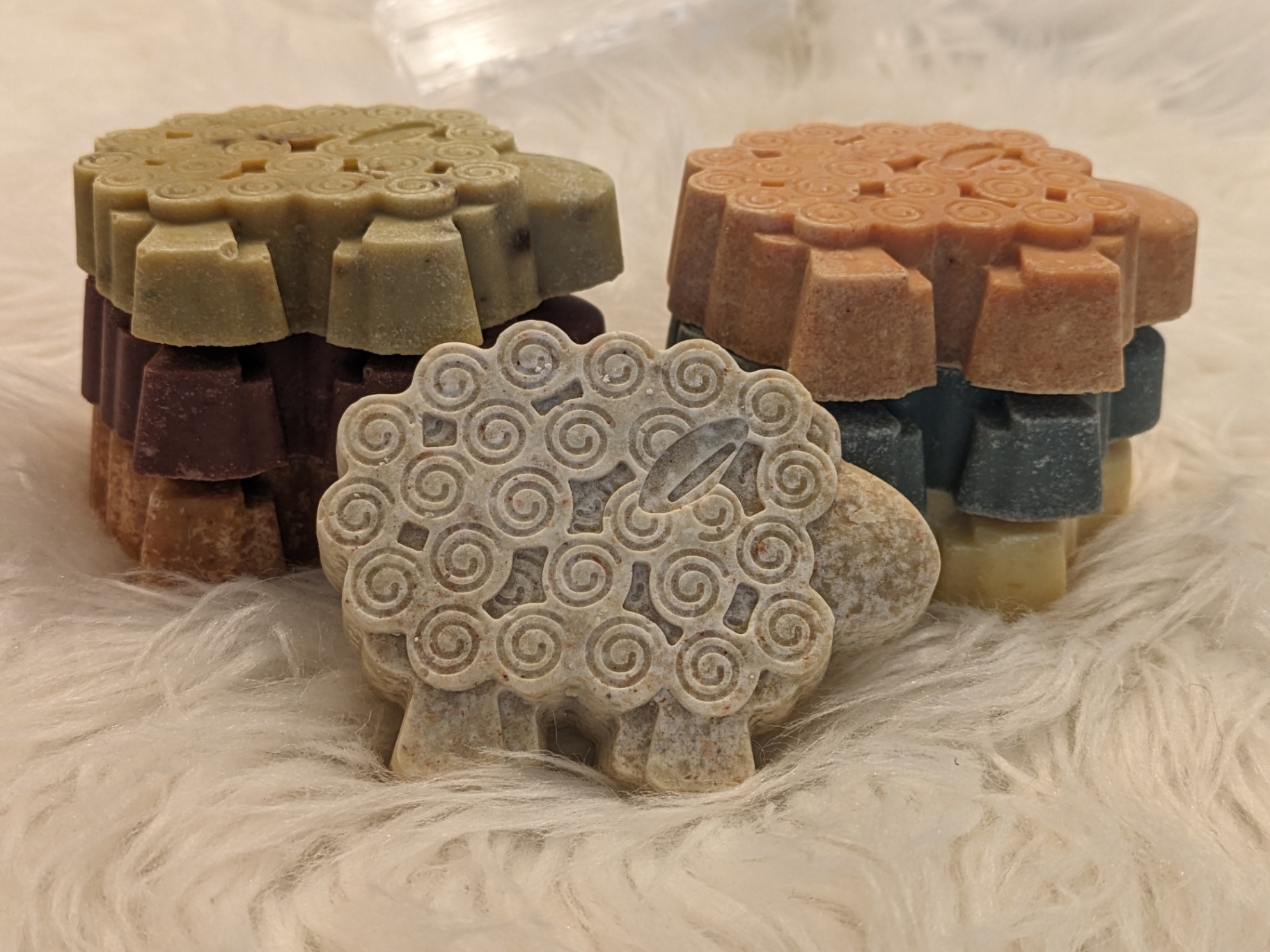
A recent 2024 study by Kazimierska et al. investigated the bio-active properties of sheep colostrum and milk. Their findings revealed that sheep milk significantly promotes skin-cell proliferation and possesses high antioxidant activity. This means that while the lactic acid in our Lavender Sheep Milk Soap is exfoliating the keratin plugs, the milk’s bio-active peptides are actively working to heal and regenerate the underlying tissue.
Sheep milk also contains a high percentage of A2 proteins and short-chain fatty acids. These lipids are easily absorbed, providing a "buffering" effect for the lactic acid. This is crucial for KP sufferers, as many synthetic lactic acid creams can cause stinging or irritation. In our handcrafted soaps, the fats in the sheep milk "superfat" the bar, ensuring that the exfoliation process never compromises the skin’s natural oils.

Epidermal Barrier Optimization: The Key to Long-Term Relief
One of the most common mistakes in treating KP is over-exfoliation without proper hydration. When the skin barrier is stripped, the body often responds by producing more keratin to protect itself, leading to a vicious cycle of dryness and bumps.
Research by Kootiratrakarn et al. (2024) emphasizes that epidermal barrier optimization is essential for successful KP management. Lactic acid is not only an exfoliant but also a humectant: a substance that attracts and retains moisture. By pulling water into the stratum corneum (the outermost layer of the skin), lactic acid helps to soften the skin from within.
Our Frankincense Sheep Milk Soap combines this scientific approach with the anti-inflammatory properties of frankincense resin. This combination addresses the two main concerns of KP: the physical texture (via lactic acid) and the surrounding redness or "erythema" (via the soothing properties of sheep milk fats and frankincense).
Practical Application: The Scalise Family Method
Managing Keratosis Pilaris is a marathon, not a sprint. Consistency is the primary factor in seeing results. We recommend a simple, science-backed routine using our farm-fresh products:
- Gentle Cleansing: Use a high-fat sheep milk soap, such as our Rose Sheep Milk Soap, once or twice daily. The natural lactic acid will provide a continuous, low-dose exfoliation that is much safer than high-percentage chemical peels.
- Avoid High Heat: Hot water can strip the skin of the lipids provided by the sheep milk. Use lukewarm water to maintain the skin barrier.
- Post-Wash Occlusion: After showering, while the skin is still slightly damp, apply a balm to lock in the moisture. Our Frankincense Skin Balm is specifically formulated to work in tandem with our soaps to provide long-lasting hydration.
- Sun Protection: Because AHAs like lactic acid increase sun sensitivity, always protect the treated areas with clothing or sunscreen when outdoors.
The Veteran-Owned Difference
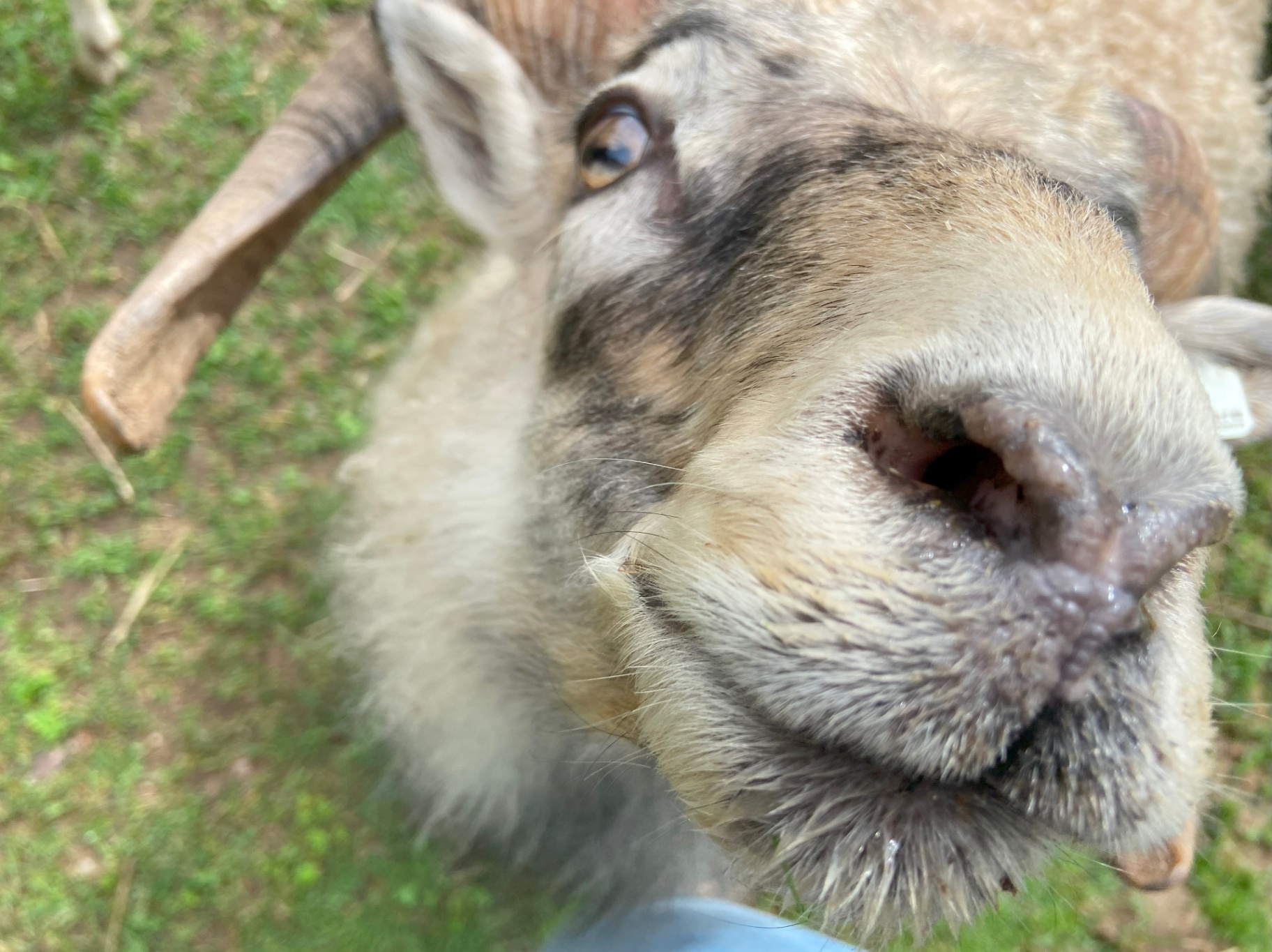
At Scalise Family Sheep Farm LLC, we believe that the highest quality skincare shouldn't require a chemistry degree to understand, but it should be backed by one. As a veteran-owned family business, our commitment is to the health of our animals and the efficacy of our products. Our Icelandic sheep are raised on natural pasture, ensuring that the milk we use in our soaps is as nutrient-dense as nature intended.
By choosing sheep milk over synthetic alternatives, you are choosing a product that respects the biology of your skin. Whether you are dealing with a flare-up of KP or simply looking for a more professional approach to aging and skin health, the molecular science of sheep milk offers a clear path to smoother, healthier skin.

Scientific References
- Greenzaid, J., et al. (2023). "Management of Keratosis Pilaris: A Survey of Dermatologists' Treatment Preferences." Journal of Drugs in Dermatology.
- Journal of the American Academy of Dermatology (JAAD) (2004). "The Efficacy of Sodium Lactate in the Treatment of Keratosis Pilaris: A Double-Blind Study." Vol. 50, Issue 3.
- Kazimierska, K., et al. (2024). "Antioxidant activity and skin-cell proliferation benefits of sheep colostrum and milk in dermatological applications." Scientific Reports.
- Kootiratrakarn, T., et al. (2024). "Optimizing the Epidermal Barrier: New Insights into the Treatment of Keratosis Pilaris and Follicular Disorders." Dermatologic Therapy.
Ready to experience the science of smooth for yourself? Explore our full range of handcrafted soaps and balms at scalisefamilysheepfarm.com.


