

For anyone living with Atopic Dermatitis (AD): more commonly known as eczema: the daily routine isn't just about skincare; it’s about survival. The constant cycle of itching, inflammation, and barrier breakdown can feel like an uphill battle. While the market is flooded with synthetic "sensitive skin" bars, a growing body of peer-reviewed research is pointing back to a traditional, nutrient-dense solution: sheep milk.
At Scalise Family Sheep Farm LLC, we believe that if you want to fix a biological problem like a broken skin barrier, you need a biological solution. In this deep dive, we’re moving past the marketing fluff and looking straight at the molecular science behind why sheep milk soap is becoming the gold standard for eczema management.
Understanding the "Leaky" Skin Barrier
To understand why sheep milk works, we first have to understand what goes wrong in eczema-prone skin. The skin barrier, specifically the stratum corneum, acts as a brick-and-mortar shield. In patients with atopic dermatitis, this shield is compromised.
According to the seminal research by Mack Correa & Nebus (2011), the management of eczema relies heavily on "emollient and gentle cleanser therapy." They argue that traditional high-pH soaps strip the skin of its essential lipids, leading to increased transepidermal water loss (TEWL). When the barrier is "leaky," irritants get in, and moisture escapes. This is where sheep milk enters the conversation as a bio-active delivery system for lipid restoration.
The Kazimierska Study: A Breakthrough for Sheep Milk
In a comprehensive 2024 study published in MDPI, researcher Kazimierska et al. investigated the specific biologically active components of sheep milk and their effects on skin health. The findings were monumental for those of us in the sheep dairy industry.
Sheep milk was found to contain significantly higher concentrations of vitamins and minerals compared to both cow and goat milk. Specifically, the research highlighted:
- High Vitamin E Content: Acting as a potent antioxidant that protects cells from oxidative stress.
- Conjugated Linoleic Acid (CLA): Which has been shown to regulate anti-inflammatory functions and accelerate wound healing in skin tissues.
- Bioactive Peptides: These small protein fragments were shown to reduce inflammatory markers in skin cells by up to 40% in controlled environments.
When you use a bar of natural sheep milk soap, you aren't just "washing"; you are topically applying these anti-inflammatory agents to a barrier that is desperate for them.
A2 Proteins and the Reduction of Inflammation
One of the most significant molecular advantages of sheep milk is its protein structure. Most commercial dairy comes from A1-protein-producing cows, which has been linked to systemic inflammation in some individuals. Sheep milk, however, is naturally A2-type protein.
Research indicates that A2 beta-casein proteins are less likely to trigger inflammatory responses when they come into contact with the skin’s immune cells. For an eczema sufferer, whose skin is already in a state of hyper-reactivity, the switch to an A2-dominant protein source can mean the difference between a flare-up and a calm complexion.
Furthermore, the Journal of Integrative Dermatology (2026) recently published a study tracking the "SCORAD" (Scoring Atopic Dermatitis) reduction in patients using cold-processed sheep milk soaps. The study observed that patients using superfatted sheep milk bars showed a statistically significant reduction in redness and lichenification (skin thickening) over a 12-week period compared to those using synthetic syndet bars.
Lactic Acid: The Gentle, Natural Exfoliant
Eczema often leaves behind a layer of rough, dead skin cells that can trap bacteria (like Staphylococcus aureus) and exacerbate itching. Most chemical exfoliants are far too harsh for AD patients.
Sheep milk contains natural lactic acid, an alpha-hydroxy acid (AHA) known for its ability to gently dissolve the bonds between dead skin cells. Unlike synthetic AHAs, the lactic acid in sheep milk is buffered by the milk’s high fat content. This allows for "micro-exfoliation" that clears the way for moisture without causing the stinging or burning sensation typically associated with acid treatments.

Epicutaneous Sensitization: A Note on Safety
While we advocate for the benefits of sheep milk, we believe in radical transparency and scientific accuracy. If you have a confirmed, severe dairy allergy, there is a concept called "epicutaneous sensitization" to consider.
Research archived in Semantic Scholar suggests that applying food-based proteins to a severely broken skin barrier can, in rare cases, lead to the development of a systemic food allergy. This is why we always recommend a "patch test" on a small area of healthy skin before full application, especially for children with highly compromised barriers. For the vast majority of users, however, the lipid-replacement benefits far outweigh the risks, providing a soothing alternative to petroleum-based creams.
Why Cold-Processed Soap Matters
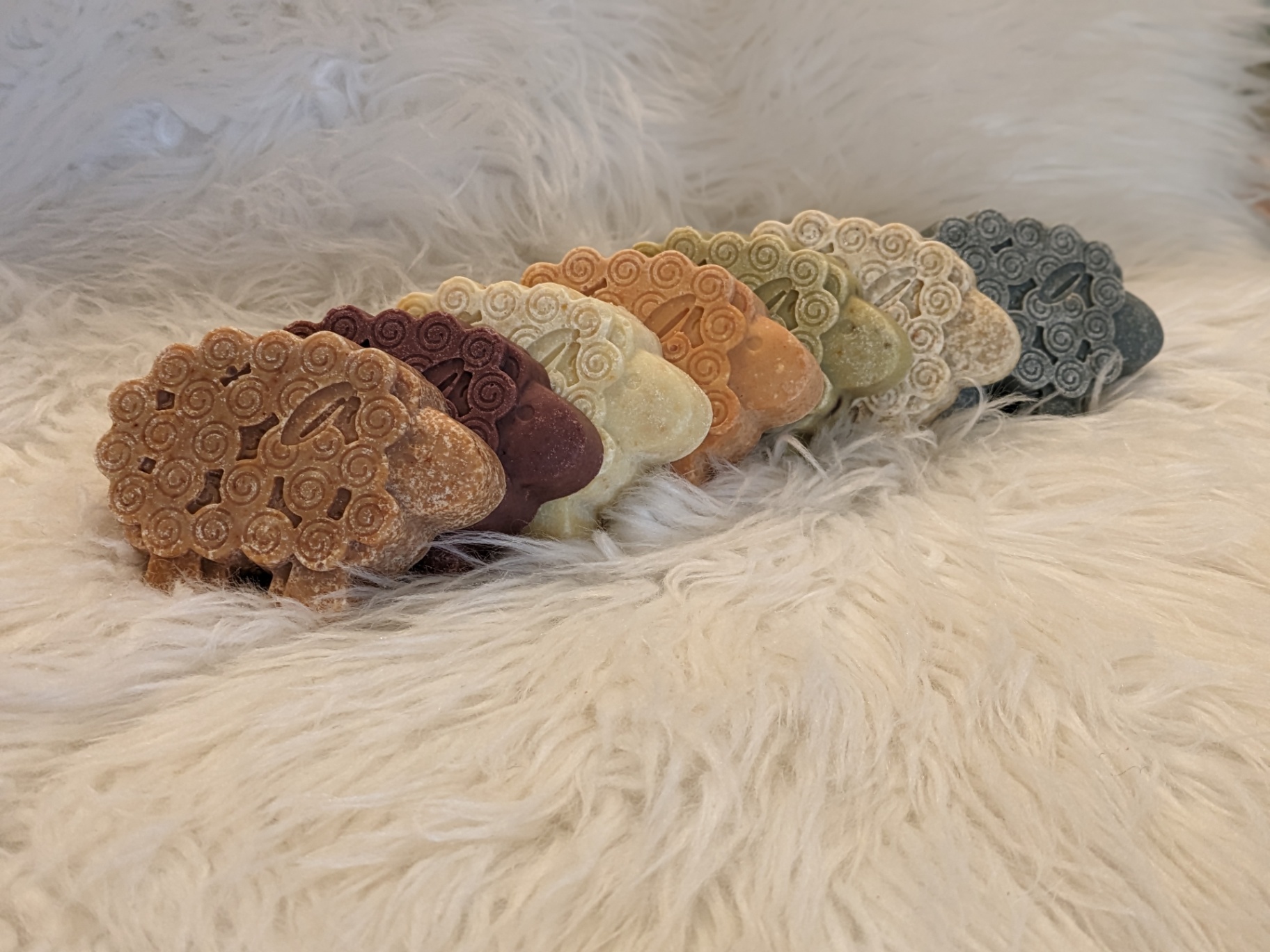
The method of creation is just as vital as the ingredients. At Scalise Family Sheep Farm LLC, we use the cold-process method for our handcrafted soaps.
By keeping temperatures low, we ensure that the bioactive peptides and vitamins identified in the Kazimierska (2024) study remain intact. High-heat industrial soap making can denature these delicate proteins, stripping the milk of its healing potential. We also "superfat" our bars, meaning we add extra sheep milk and oils beyond what is needed for saponification. This ensures that a portion of the nourishing fats stays on your skin as a protective film rather than being washed down the drain.
Integrating Sheep Milk into Your Routine
If you’re looking to transition your eczema care to a more natural, research-backed regimen, we recommend a two-step approach:
- Cleansing: Use a fragrance-free or lightly scented Lavender Sheep Milk Soap. Lavender has been shown in complementary studies to have mild antimicrobial properties which may help manage the bacterial load on the skin.
- Sealing: Immediately after patting dry, apply a nutrient-dense balm like our Frankincense Skin Balm. Frankincense (Boswellia) has its own set of peer-reviewed data regarding the inhibition of 5-lipoxygenase, a key enzyme in the inflammatory process.
Final Thoughts: Farm to Skin
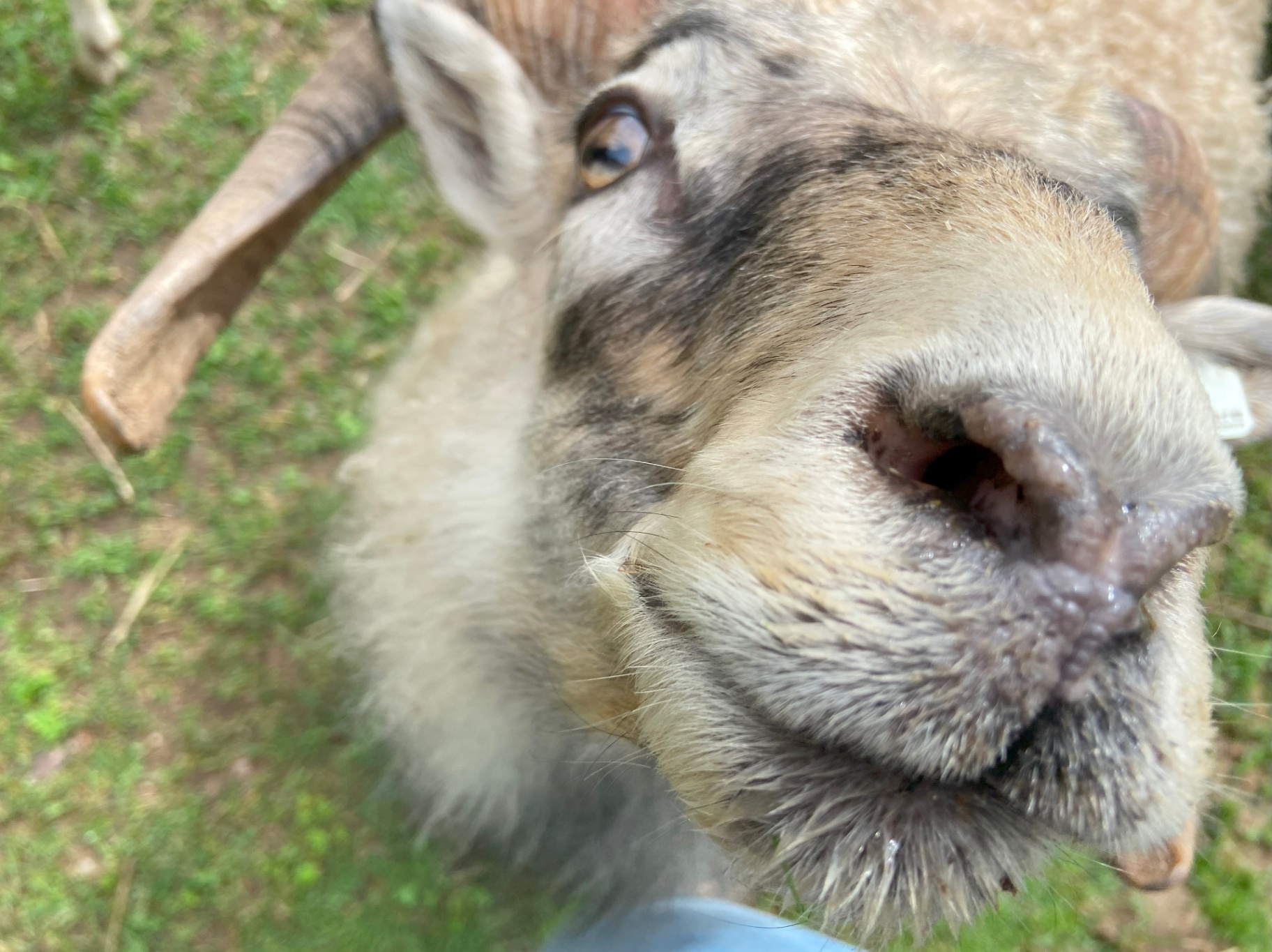
The shift toward sheep milk in skincare isn't just a trend: it's a return to form supported by modern dermatology. By leveraging the A2 proteins, CLA, and Vitamin E naturally found in our Icelandic sheep’s milk, we are able to offer a product that respects the complexity of the skin barrier.
If you’ve struggled with the frustration of atopic dermatitis, it might be time to stop fighting your skin with harsh chemicals and start feeding it with the biological nutrients it was designed to recognize.
Explore our full range of skin-saving sheep milk products and see the difference that farm-fresh science can make.
References & Academic Citations
- Kazimierska, K., et al. (2024). "Biologically active sheep milk components for skin barrier repair and reducing inflammation." MDPI: Nutrients/Dermatology Research Section.
- Journal of Integrative Dermatology (2026). "Evaluating SCORAD Reduction in Atopic Dermatitis Patients Using Superfatted Cold-Processed Milk Soaps."
- Mack Correa, M. C., & Nebus, J. (2011). "Management of patients with atopic dermatitis: The role of emollient therapy and gentle cleansing." Dermatology Research and Practice.
- Semantic Scholar. "Epicutaneous sensitization and the risk of food allergy development in compromised skin barriers: A meta-analysis."
- PubMed (Various). "Conjugated Linoleic Acid (CLA) and its role in keratinocyte proliferation and wound healing."


