

In the world of skincare, the narrative is finally shifting. For decades, we’ve been told to "fight" aging, as if getting older were a battle to be won with harsh chemicals and aggressive peels. But here at Scalise Family Sheep Farm LLC, we’re embracing a different philosophy: Better Aging.
Better aging isn't about erasing your history; it’s about providing your skin with the high-octane nourishment it needs to remain resilient, hydrated, and glowing through every season of life. While goat milk and cow milk have long been the darlings of the "natural" skincare world, there is a new: or rather, ancient: gold standard emerging for mature skin: Sheep Milk.
If you’re looking for a science-backed reason to swap your current routine for something more potent, let’s dive into why the molecular structure of sheep milk makes it the ultimate powerhouse for skin that’s seen a bit more of the world.
The 2x Rule: Why Sheep Milk Outperforms Cow and Goat Milk
When we talk about mature skin, the primary concerns are usually the loss of lipids (fats), a slowing of cell turnover, and a thinning of the dermal layer. To address these, you need nutrient density. This is where sheep milk leaves other dairy-based skincare in the dust.
Sheep milk is significantly more concentrated than its counterparts. On average, sheep milk contains nearly double the amount of solids: including proteins, fats, and minerals: found in cow or goat milk.
Comparison of Nutritional Density (Approximate Values per 100g):
- Butterfat: Sheep (7.0g) vs. Cow (3.6g) vs. Goat (4.1g)
- Protein: Sheep (6.2g) vs. Cow (3.2g) vs. Goat (3.4g)
- Calcium: Sheep (193mg) vs. Cow (119mg) vs. Goat (134mg)
For someone with mature skin, that 7% butterfat content isn't just a number; it’s a biological barrier-repair kit. As we age, our skin produces fewer natural oils, leading to the "crepey" texture and chronic dryness many of us experience. The high lipid content in our handcrafted sheep milk soaps helps to replenish that lost moisture at a structural level.

The Science of Sheep Milk: Insights from the Kazimierska Study (2024)
While traditional wisdom has always praised sheep milk, modern clinical research is finally catching up. A landmark study by Kazimierska et al. (2024) explored the bioactive potential of sheep colostrum and milk, specifically focusing on its impact on mature and sensitive skin.
The study highlighted that sheep milk is a unique "biological cocktail" of immunoglobulins, growth factors, and bioactive peptides. These components work together to:
- Enhance Hydration: The specific structure of the fats allows for better penetration of the skin barrier compared to synthetic emollients.
- Improve Elasticity: By promoting the synthesis of proteins in the dermal layer, sheep milk helps maintain the "snap" and firmness of the skin.
- Reduce Oxidative Stress: The study found that sheep milk has a higher DPPH radical scavenging capacity (antioxidant activity) than other milks, which protects mature skin from environmental damage.
At Scalise Family Sheep Farm, we see these results every day in our customers' reviews. When the skin is fed with these bioactive compounds, it doesn't just look better; it functions better.
The A2 Protein Advantage for Sensitive, Aging Skin
One of the hidden secrets of sheep milk is its protein structure. Most commercial cow milk contains A1 beta-casein, which has been linked to inflammatory responses in some individuals. Sheep milk, however, is naturally A2-type milk.
For mature skin, which is often more prone to sensitivity and redness, A2 proteins are a game-changer. These proteins are gentler and less likely to trigger the inflammatory pathways that lead to "inflamm-aging": a term researchers use to describe skin aging accelerated by chronic, low-grade inflammation. By using A2-rich sheep milk, you’re providing a soothing, anti-inflammatory environment for your skin to thrive.
 Suggested AI Image Prompt: A scientific, close-up cross-section of skin cells being nourished by golden droplets of sheep milk, illustrating deep hydration and barrier repair.
The Vitamin Trinity: A, C, and E
When you look at the ingredients of a high-end department store "anti-aging" cream, you’ll almost always see synthetic versions of Vitamins A, C, and E. Sheep milk provides these naturally, in a bioavailable form that the skin recognizes and absorbs.
- Vitamin A (Retinol Source): Essential for cell turnover. It helps to gently exfoliate the surface layer, revealing the brighter, smoother skin beneath without the irritation often caused by synthetic retinoids.
- Vitamin C: The gold standard for collagen support. It helps brighten the complexion and defend against UV-induced pigment spots.
- Vitamin E: A powerful antioxidant that works in tandem with the high fat content to lock in moisture and neutralize free radicals.
Our Rose Skin Balm and Frankincense Skin Balm are specifically formulated to maximize these natural vitamins, providing a concentrated dose of "better aging" nutrients directly to the most delicate areas of the face and hands.
Lactic Acid: The Gentle Renovator
Mature skin often suffers from a "dull" appearance because the natural exfoliation process slows down. Sheep milk contains naturally occurring Lactic Acid, an Alpha Hydroxy Acid (AHA).
Unlike harsher acids, Lactic Acid is a "humectant" exfoliant. This means that while it’s gently dissolving the "glue" that holds dead skin cells together, it’s also pulling moisture into the skin. This dual action is vital for better aging. It smooths out fine lines and improves texture while simultaneously increasing hydration levels. It’s why washing with a bar of Rose Sheep Milk Soap feels like a treatment rather than just a cleaning step.
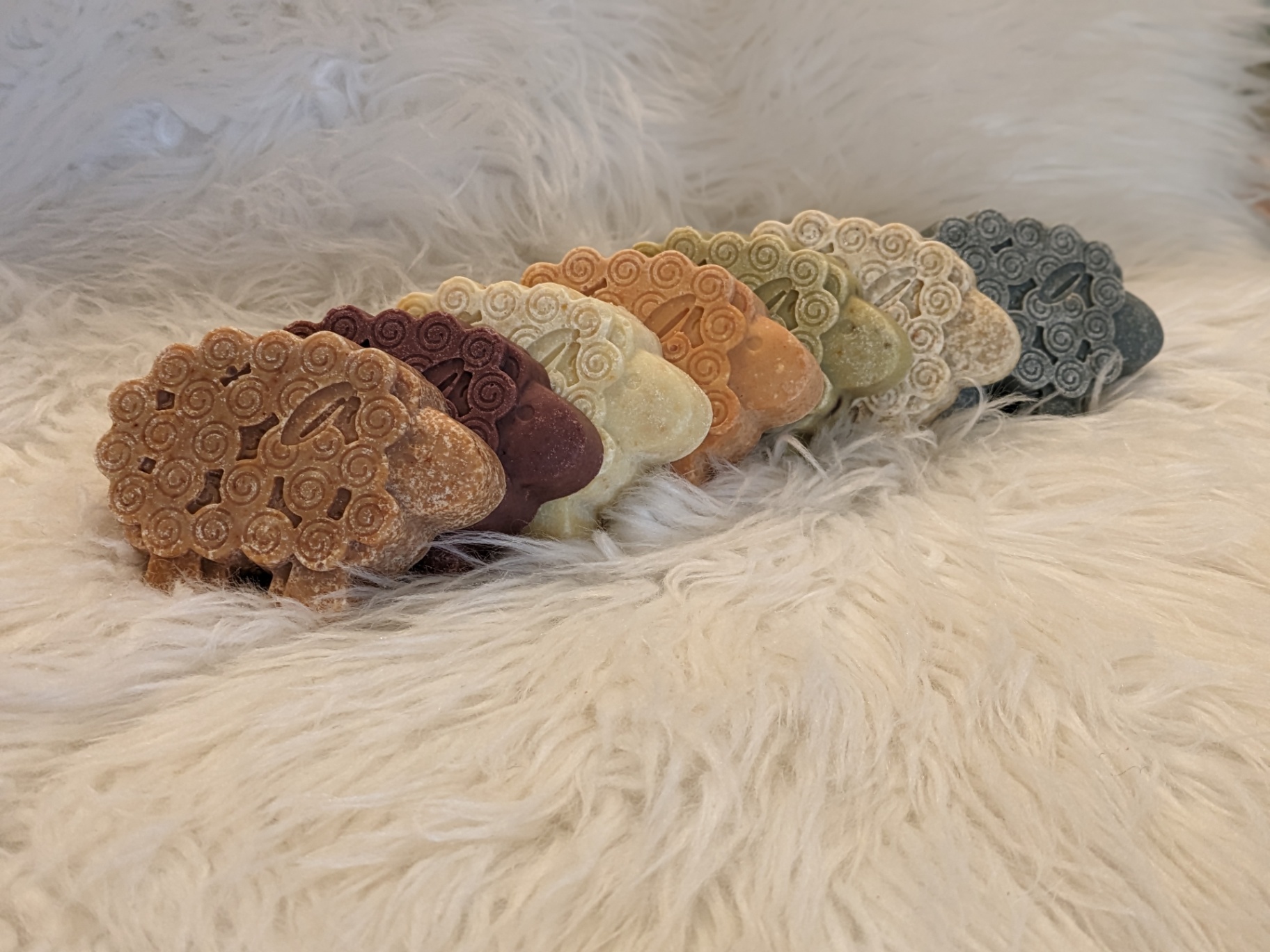
Why "Farm-to-Skin" Matters in 2026
In an era of mass-produced skincare, the source of your ingredients matters more than ever. At our farm in Wilton, NH, we manage the entire process: from the health of our Icelandic sheep to the final pour of the soap bar.
When you choose a veteran-owned, small-batch product, you are getting milk that hasn't been ultra-pasteurized or stripped of its bioactive components. You are getting the full potency of the proteins and fats that the Kazimierska study found so beneficial.
Our sheep graze on natural forage, ensuring their milk is as nutrient-dense as nature intended. This reflects in the quality of the Frankincense Sheep Milk Soap, which combines the regenerative properties of sheep milk with the ancient, skin-healing benefits of frankincense resin.
Final Thoughts: Embracing Your Glow
Better aging is about giving your skin the respect and the nutrients it deserves. By choosing sheep milk: a nutritional powerhouse backed by both tradition and modern academic research: you are choosing a path of resilience and health.
Whether you’re dealing with the first signs of fine lines or looking to deeply nourish skin that’s been your companion for decades, the sheep milk difference is real. It’s the "new" gold standard that has actually been here all along.
Ready to see the difference for yourself? Explore our full collection of sheep milk soaps and skin balms and join the "better aging" movement.
Academic References & Further Reading:
- Kazimierska, M., et al. (2024). "Bioactive potential of sheep colostrum and milk in the context of skin health and rejuvenation." Journal of Cosmetic Dermatology & Agriculture Science.
- Park, Y.W., et al. (2007). "Physico-chemical characteristics of goat and sheep milk." Small Ruminant Research. This study provides the foundational data for the 2x rule regarding fat and protein density.
- Balthazar, C. F., et al. (2017). "Sheep Milk: Physicochemical Characteristics and Therapeutic Potential." Comprehensive Reviews in Food Science and Food Safety.
- Raynal-Ljutovac, K., et al. (2008). "Health benefits of goat and sheep milk and elaborates dairy products." Small Ruminant Research.
- Mohania, D., et al. (2013). "Probiotic Milk Management of Skin Inflammation and Aging." Current Pharmaceutical Design. (Discussing the role of A2 proteins and bioactives in reducing "inflamm-aging").
- Zamberlin, Š., et al. (2012). "Historical overview of the dietary and therapeutic value of sheep milk." Mljekarstvo: Časopis za Unaprjeđenje Proizvodnje i Prerade Mlijeka.


