

The modern skincare industry has convinced many consumers that a "squeaky clean" feeling is the gold standard of hygiene. We spend billions annually on sophisticated foaming cleansers, exfoliating scrubs, and multi-step washing routines. However, dermatological science suggests that for many, these expensive products are actually the primary cause of chronic skin issues. By using harsh synthetic surfactants, we aren't just removing dirt; we are systematically dismantling the skin’s biological defense system: the stratum corneum.
At Scalise Family Sheep Farm LLC, we believe that effective skincare shouldn't require a chemistry degree or a massive budget. It requires an understanding of your skin's natural biology. If you are struggling with dryness, redness, or sensitivity, you are likely wasting money on cleansers that do more harm than good.
Here is the academic reality of the skin barrier and three evidence-based tips to restore your skin's health using the power of nature and sheep milk.
Understanding the "Brick and Mortar": The Stratum Corneum
To understand why your cleanser might be failing you, we must look at the science of the skin barrier. The stratum corneum (SC) is the outermost layer of the epidermis. In academic literature, it is frequently described using the "brick and mortar" model [1].
In this model, the "bricks" are the corneocytes: dead skin cells filled with keratin. The "mortar" is a complex matrix of intercellular lipids, primarily consisting of ceramides, cholesterol, and free fatty acids. This lipid matrix is essential for two reasons:
- Inhibition of Trans-Epidermal Water Loss (TEWL): It prevents internal hydration from evaporating.
- Protection against Pathogens: It prevents environmental irritants and bacteria from penetrating the deeper layers of the skin.
When you use a harsh cleanser, you are effectively dissolving the "mortar" holding your skin together.

The Surfactant Problem: Why SLS is Wasting Your Money
Most commercial cleansers rely on synthetic surfactants, most notably Sodium Lauryl Sulfate (SLS). While SLS is excellent at creating foam and removing oil, it is notoriously aggressive toward human tissue.
Academic studies have repeatedly used SLS as a "positive control" in skin irritation tests because its damage is so predictable [2]. SLS doesn't just sit on the surface; it penetrates the stratum corneum and binds to proteins, causing them to swell and denature. This leads to a massive increase in TEWL, leaving the skin dehydrated and vulnerable.
When your skin feels "tight" after washing, that isn't cleanliness: it's the sensation of your skin barrier being compromised. You then spend more money on expensive serums and moisturizers to fix the damage caused by the cleanser. This cycle is a significant waste of money.
Tip 1: Swap Synthetic Surfactants for Bio-available Lipids (The Sheep Milk Advantage)
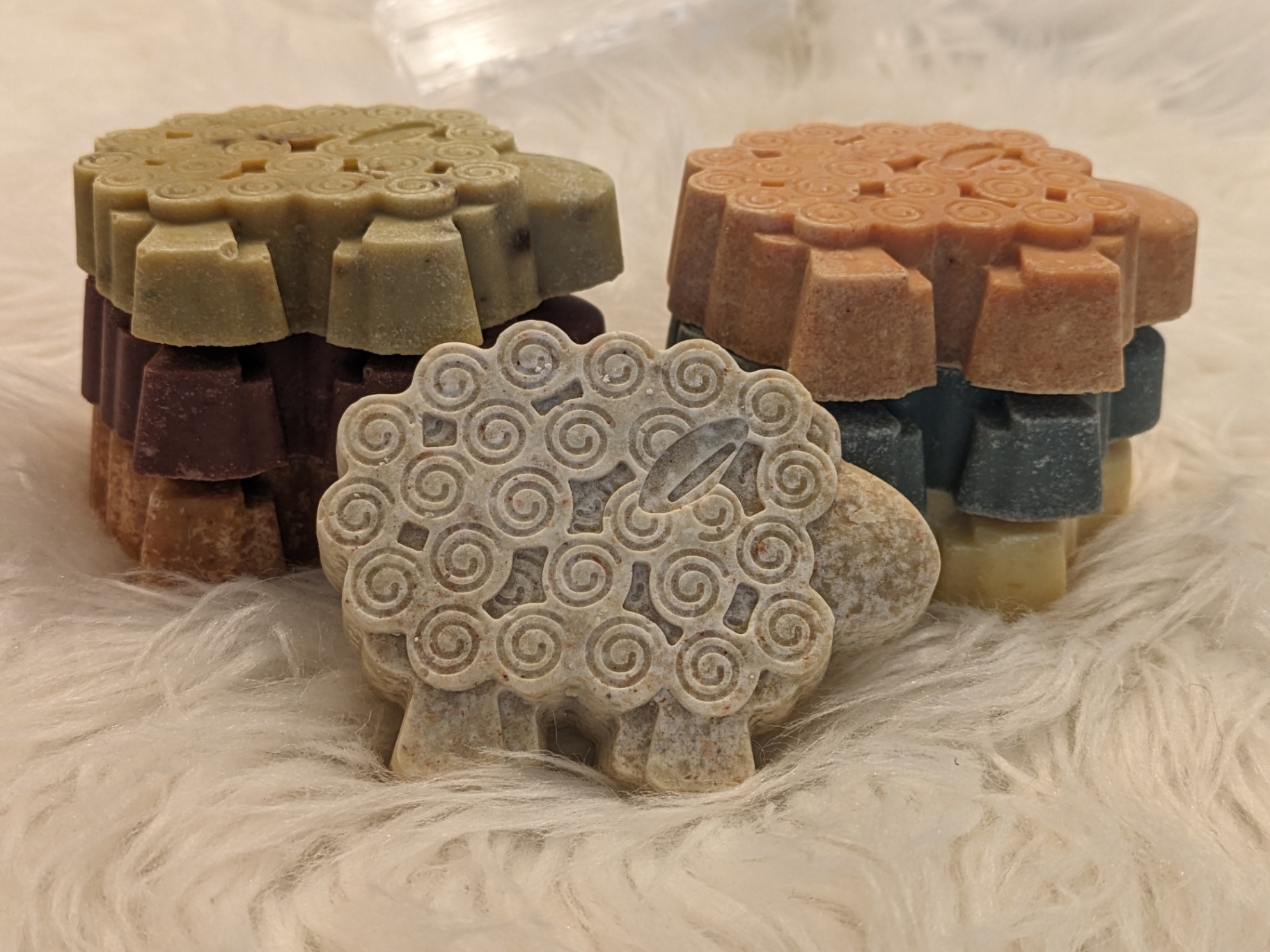
The first step to a healthier barrier is choosing a cleanser that deposits nutrients rather than just stripping them away. This is where sheep milk soap excels.
Unlike mass-produced detergents, sheep milk soap is naturally rich in fats and vitamins that are bio-compatible with human skin. Sheep milk contains a significantly higher concentration of vitamins A, B, and E, as well as minerals like calcium and magnesium, compared to cow or even goat milk [3].
More importantly, the lipid profile of sheep milk: specifically the high levels of triglycerides and phospholipids: helps to reinforce the intercellular matrix of the stratum corneum. When you use our Rose Sheep Milk Soap, the natural fats in the milk act as emollients, filling in the gaps in your skin barrier while you cleanse.
 Suggested Placeholder: A diagram showing the difference between a damaged skin barrier (gaps in lipids) vs. a healthy skin barrier reinforced by milk-based lipids.
Tip 2: Respect the Acid Mantle and Microbiome
The surface of healthy skin is naturally acidic, typically maintaining a pH between 4.7 and 5.75. This "acid mantle" is crucial for the function of enzymes that synthesize ceramides and for maintaining a healthy microbiome.
Harsh, high-pH synthetic cleansers can spike the skin's pH for hours after use. A study published in the British Journal of Dermatology highlighted that even a slight shift in pH can inhibit the skin's ability to repair its own barrier and can lead to the overgrowth of harmful bacteria like Staphylococcus aureus [4].
Sheep milk naturally contains lactic acid, an alpha-hydroxy acid (AHA). In the context of a soap, lactic acid acts as a gentle buffering agent and a mild exfoliant. It helps to maintain an optimal environment for the skin's beneficial bacteria while promoting the shedding of dead corneocytes without the need for abrasive, barrier-damaging scrubs. By maintaining this delicate balance, you reduce the need for corrective "pH-balancing" toners, saving you both time and money.
Tip 3: Prioritize Post-Wash Lipid Replacement
Even with a gentle cleanser, the act of washing involves water, which can contribute to temporary hydration loss. The third tip for a healthier barrier is to seal in moisture immediately using ingredients that mimic the skin’s natural sebum.
Many "oil-free" moisturizers rely on silicones to create a smooth feeling, but they don't actually provide the lipids the skin needs to repair itself. Instead, look for products with high concentrations of stearic and oleic acids. Our Frankincense Skin Balm is designed to work in tandem with our soaps.
By applying a lipid-rich balm while the skin is still slightly damp, you create an occlusive layer that mimics the function of the stratum corneum. This is especially vital for those living in harsh climates or those with mature skin, as natural lipid production decreases with age [5]. Using a concentrated balm like our Lavender Skin Balm means you use less product over time, making it a more cost-effective solution than watery, synthetic lotions.
The Icelandic Secret: Why Our Farm Matters
At Scalise Family Sheep Farm LLC, we raise Icelandic sheep. This rare, heritage breed is unique because their milk has an exceptionally high butterfat content: often reaching 7-9%. This high fat content translates directly into the creaminess and moisturizing capability of our soaps.
We don't use "soap bases" or pre-made noodles. Our Matcha Latte Soap and other varieties are handcrafted in small batches using traditional cold-process methods. This ensures that the natural glycerin: a powerful humectant: stays in the soap rather than being extracted for sale in other products, as is common in industrial soap making.

Stop the Cycle, Save Your Skin
The path to healthy skin isn't paved with 12-step routines and expensive synthetic chemicals. It’s about respecting the biological architecture of your skin.
By switching to a nutrient-dense, gentle cleanser like our Frankincense Sheep Milk Soap, avoiding the "squeaky clean" trap of SLS, and focusing on lipid-rich replenishment, you can stop wasting money on "fixes" and start supporting your skin's natural ability to heal.
 Suggested Placeholder: A close-up of the rich, creamy lather of sheep milk soap, emphasizing the difference in texture compared to synthetic bubbles.
Your skin is your largest organ and your primary defense against the world. Treat it with the respect it deserves, and it will reward you with a healthy, natural glow that no synthetic cleanser can replicate.
Academic References
- Elias, P. M. (1983). Epidermal lipids, barrier function, and desquamation. Journal of Investigative Dermatology, 80(s1), 44s-49s.
- Effendy, I., & Maibach, H. I. (1995). Surfactants and skin irritation. Contact Dermatitis, 33(4), 217-225.
- Park, Y. W., Juárez, M., Ramos, M., & Haenlein, G. F. (2007). Physico-chemical characteristics of goat and sheep milk. Small Ruminant Research, 68(1-2), 88-113.
- Schmid-Wendtner, M. H., & Korting, H. C. (2006). The pH of the skin surface and its impact on barrier function. Skin Pharmacology and Physiology, 19(6), 296-302.
- Ghadially, R., Brown, B. E., Sequeira-Martin, S. M., Feingold, K. R., & Elias, P. M. (1995). The aged epidermal permeability barrier. Structural, functional, and lipid biochemical abnormalities in humans and a senescent murine model. Journal of Clinical Investigation, 95(5), 2281-2290.


