

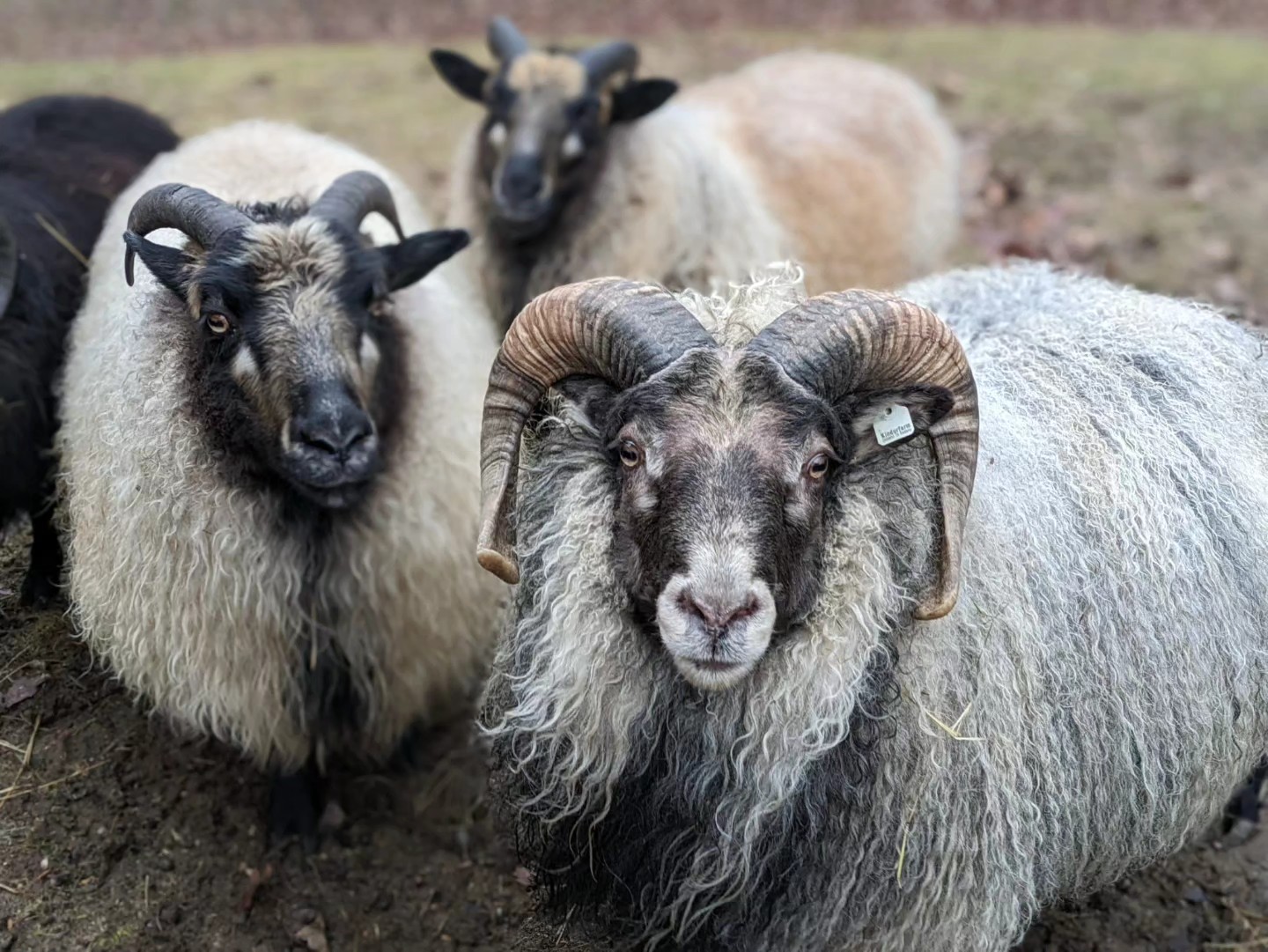
Hey there, it’s Ben from Scalise Family Sheep Farm. If you’ve been following our journey, you know we’re pretty obsessed with our Icelandic sheep. They aren’t just part of the scenery; they are the heart of everything we do here. Lately, I’ve noticed a lot more people asking about sheep milk soap. It’s gaining some serious traction, and for good reason: it’s incredible for the skin.
But here’s the thing: as something gets popular, the market gets flooded. Suddenly, you see "sheep milk soap" in big-box stores and giant online marketplaces. It might look the same at first glance, but if you look under the hood (or the wrapper), there’s a world of difference between a handcrafted bar from a family farm and a mass-produced "beauty bar."
If you’re looking to switch up your skincare routine, you deserve to know what you’re actually putting on your body. Today, I want to walk you through how to spot the best sheep milk soap and why the "commercial" stuff often isn't even soap at all.
The Science of "True Soap" vs. Synthetic Detergents
Before we dive into the milk, let’s talk about the base. Most people use the word "soap" for anything that bubbles in the shower, but the FDA actually has a very strict definition of what constitutes a "true soap."
According to industry standards and FDA regulations, true soap is a product consisting of fats or oils combined with an alkali (like lye). This process is called saponification. When you use traditional methods, the result is a gentle cleanser that lifts away dirt without destroying your skin’s natural oil barrier.
On the flip side, most mass-produced bars you find at the grocery store are actually Synthetic Detergent Bars (or "syndets"). Look at the label. If you see ingredients like Sodium Lauryl Sulfate (SLS) or Sodium Laureth Sulfate (SLES), you aren't holding soap. You’re holding a chemical detergent. These surfactants are designed to be cheap and produce a massive amount of foam, but they are notoriously harsh. They can strip the skin of its natural lipids, leading to dryness, irritation, and that "tight" feeling after a shower.
At Scalise Family Sheep Farm, we stick to the old-school way. We make true soap using high-quality oils and our own fresh sheep milk. It takes longer, and it costs more to produce, but your skin can tell the difference instantly.
Why Sheep Milk? (The Nutritional Powerhouse)
You might be wondering, "Why sheep milk? Why not goat or cow milk?"
While goat milk is great, sheep milk is seriously nutrient-dense—and the science backs that up. A 2024 study in Frontiers in Nutrition comparing cow, goat, and sheep milk found that sheep milk came out on top for both protein and fat content (and it also reported higher calcium). That matters for soap because those proteins and lipids are the building blocks behind that rich, creamy feel people notice right away. (Frontiers in Nutrition, 2024)
And beyond “nutrition,” there’s a skincare angle too. A 2024 paper in MDPI Cells reported that sheep milk/colostrum contains biologically active compounds (including growth factors, immunoglobulins, and bioactive peptides) that are linked to supporting skin repair and regeneration—basically, the “why” behind why a milk-based bar can feel more skin-friendly than a stripped-down detergent bar. (MDPI Cells, 2024)
- Fat Content: Sheep milk is naturally higher in fat than many other dairy options, which supports that creamy lather and a less “squeaky clean” finish. The 2024 Frontiers in Nutrition comparison highlighted sheep milk’s higher fat content versus cow and goat milk. (Frontiers in Nutrition, 2024) In mass-produced soaps, manufacturers often use water or powdered fillers to keep costs down, sacrificing that moisturizing boost.
- Proteins + Bioactive Compounds: Protein isn’t just a nutrition label number—it’s part of what makes sheep milk special. The same Frontiers in Nutrition (2024) work showed sheep milk as the higher-protein option, and the MDPI Cells (2024) paper points to bioactive components in sheep milk/colostrum associated with skin regeneration support. (Frontiers in Nutrition, 2024; MDPI Cells, 2024)
- Lactic Acid: Sheep milk is naturally rich in lactic acid, an Alpha Hydroxy Acid (AHA). Lactic acid is a gentle exfoliant that helps break down the "glue" holding dead skin cells together, revealing smoother skin underneath without the irritation of a physical scrub.
The Great Glycerin Heist
One of the biggest differences between our handcrafted soap and commercial bars is something you can’t see: Glycerin.
Glycerin is a natural humectant: meaning it attracts moisture from the air and pulls it into your skin. During the traditional soap-making process, glycerin is created naturally.
In mass-production factories, companies actually remove the glycerin from the soap. Why? Because glycerin is valuable. They extract it to sell separately in high-priced lotions and moisturizers. Then, they sell you the "stripped" soap bar, which dries out your skin, making you feel like you need to buy the lotion they just made with the soap’s glycerin!
When you buy a bar like our Lavender Sheep Milk Soap, the glycerin stays right where it belongs: in the bar. It’s why our soaps feel so much more moisturizing than the ones from the pharmacy aisle.

Fresh Farm Milk vs. Powdered Alternatives
When you’re choosing a soap, "how" it’s made matters as much as "what" is in it.
Mass-produced "natural" soaps often use sheep milk powder. While it sounds fine, the process of dehydrating milk into powder can degrade some of the delicate proteins and vitamins that make the milk so beneficial in the first place. Plus, many industrial manufacturers source their milk from large-scale operations where the animals' diet and quality of life aren't the priority.
On our farm, we use fresh milk from our own flock of Icelandic sheep. We know exactly what they eat (primarily pasture and high-quality forage), and we handle the milk with care from the moment it’s collected. This "farm-to-shower" approach ensures that the nutrients stay intact.
The Small-Batch, Veteran-Owned Difference
There’s another layer to choosing the right soap that goes beyond the chemistry: the people behind it.
Scalise Family Sheep Farm is a family and veteran-owned business. When you buy a bar of our Rose Sheep Milk Soap or our Matcha Latte Soap, you aren't just a line item on a corporate spreadsheet. Every bar is hand-poured, hand-cut, and hand-packaged by us right here on the farm.
We take pride in our "small-batch" philosophy. It allows us to maintain a level of quality control that a factory simply can’t match. We can see the swirls in each bar, ensure the scent is just right, and make sure that every product that leaves our farm is something we’d use on our own children (and we do!).
How to Read the Label: Red Flags to Avoid
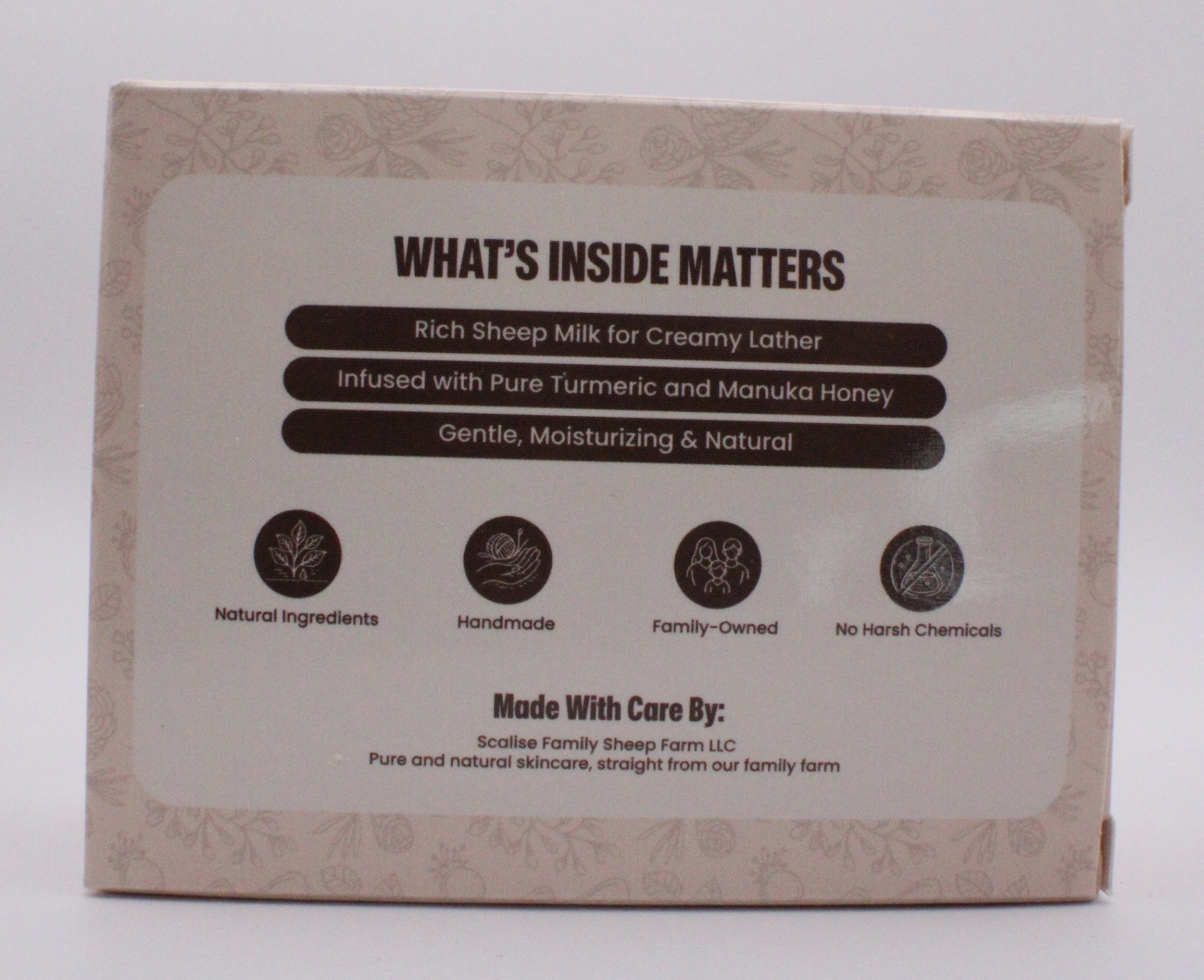
Next time you’re shopping for skincare, I want you to flip the box over. Here are a few things to look for if you want the real deal:
- Avoid "Fragrance" or "Parfum" (unless specified): Often, these are catch-all terms for thousands of synthetic chemicals that can irritate sensitive skin. We prefer using natural infusions and essential oils.
- Watch out for SLS/SLES: As mentioned, these are detergents, not soap. They create a lot of bubbles but can leave your skin feeling itchy and dry.
- Look for the Milk Source: If the label doesn't mention where the milk comes from or if it's listed at the very bottom of a long list of chemicals, it’s probably a very low concentration.
- Check for Palm Oil Sourcing: If the soap uses palm oil, check if it is sustainably sourced. We believe in being good stewards of the land, and that includes the ingredients we source from outside our farm.
Which Sheep Milk Soap is Right for You?
We’ve worked hard to create a range of soaps that cater to different needs. If you’re not sure where to start, here are a few of our favorites:
- For Relaxation: Our Lavender Sheep Milk Soap is a classic. It’s perfect for a calming evening shower.
- For a Morning Boost: The Peppermint Sheep Milk Soap provides a refreshing tingle that wakes you right up.
- For Sensitive Skin: If your skin is particularly finicky, our Frankincense Sheep Milk Soap offers a gentle, grounding experience.
- For Deep Hydration: After your shower, we always recommend following up with our Lavender Skin Balm to lock in that moisture.

Wrapping It Up
At the end of the day, your skin is your body’s largest organ. It absorbs what you put on it. Choosing a high-quality sheep milk soap over a mass-produced detergent bar isn't just about luxury: it’s about health and transparency.
When you choose a bar from Scalise Family Sheep Farm, you’re choosing a product made with fresh milk, natural oils, and a whole lot of love from a veteran-owned family farm. You’re getting the glycerin, the vitamins, and the peace of mind that comes with knowing exactly where your skincare comes from.
Ready to see the difference for yourself? You can shop our full collection of natural, small-batch soaps here. Your skin will thank you!
If you have any questions about our sheep or how we make our soap, don’t be a stranger. Reach out to us on our contact page or check out what other folks are saying in our reviews.
Thanks for supporting small farms and veteran-owned businesses!
: Ben Scalise
References & Citations:
- FDA: Is it Soap? (Guidance for Industry).
- U.S. National Library of Medicine: The role of skin care in optimizing outcomes of the aging skin.
- Journal of Dairy Science: Comparison of the nutritional value of sheep, goat, and cow milk.
- International Journal of Cosmetic Science: The moisturizing effects of natural glycerin in topical formulations.


