

If you’ve spent any time looking for natural skincare lately, you’ve probably noticed a name popping up more and more: Icelandic Sheep Milk. It’s not just a trend for the sake of being different; there is some serious science and history behind why this specific milk is taking the skincare world by storm.
At Scalise Family Sheep Farm LLC, we see the results of this "liquid gold" every day. But why Icelandic sheep? And why milk soap in general? If you’ve been struggling with dry skin, sensitivity, or just want a more sustainable, farm-to-shower routine, let’s dive into why everyone is talking about this: and why your skin might just be craving it.
The Icelandic Difference: More Than Just a Cute Face
Not all sheep are created equal. When we talk about sheep milk soap, the breed of the sheep matters immensely for the quality of the end product. Icelandic sheep are a heritage breed that has survived the brutal North Atlantic climate for over a thousand years. Because they’ve evolved to withstand extreme cold and harsh conditions, their milk is naturally more concentrated than almost any other ruminant.
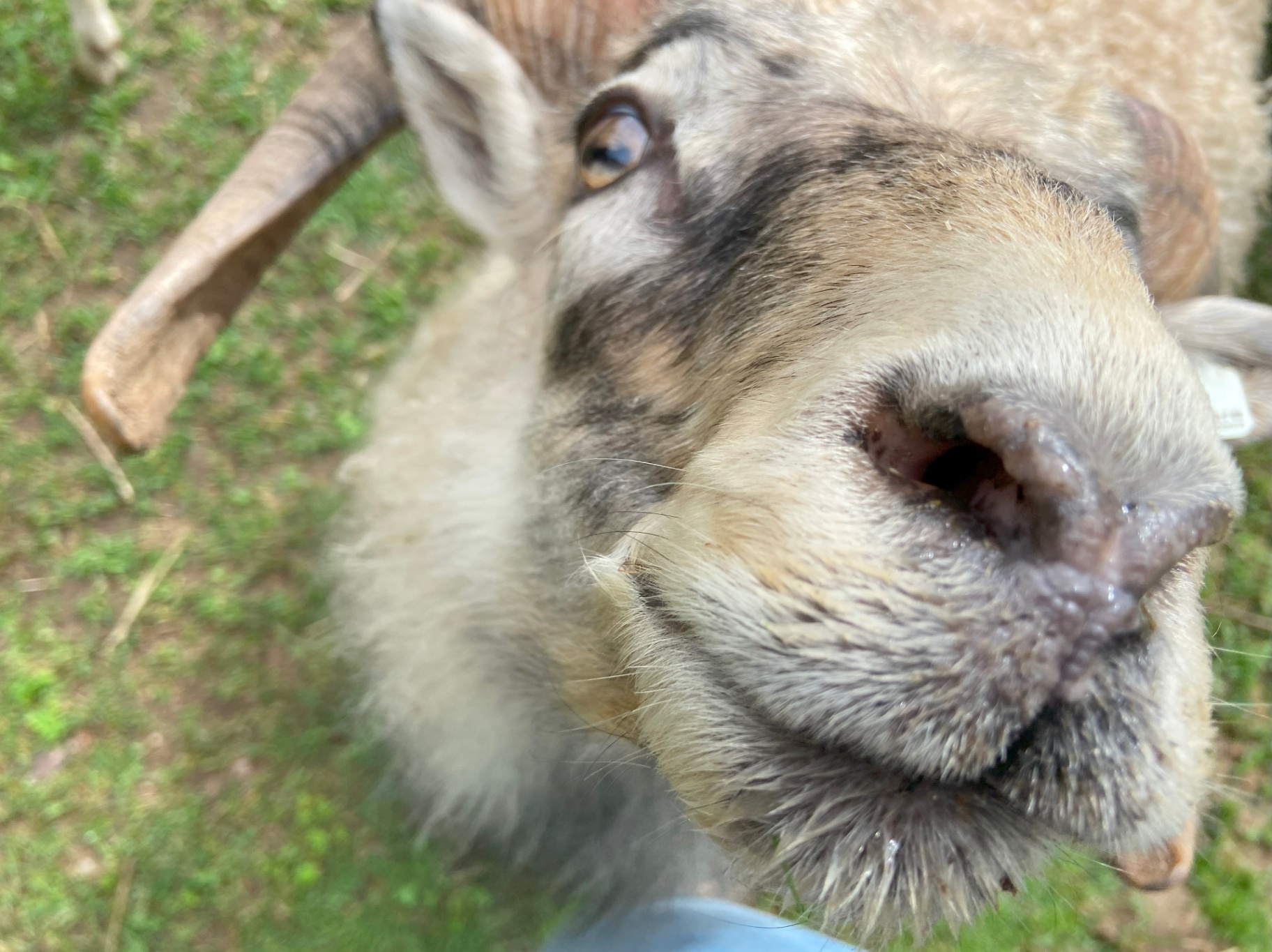
According to research published in the Journal of Dairy Science, sheep milk contains significantly higher levels of total solids: including protein, fat, and minerals: compared to goat or cow milk (Park et al., 2007). Specifically, Icelandic sheep milk is renowned for having a fat content ranging from 6% to 9% and a protein content of about 5% to 6%. For comparison, most cow milk sits at around 3.5% fat.
When you turn that high-fat, high-protein milk into soap, you aren't just getting a cleanser; you’re getting a moisturizing powerhouse.
The Science of "Creamy Lather"
One of the first things people notice when they use our Lavender Sheep Milk Soap is the lather. It doesn't feel like the bubbly, airy foam of a commercial detergent bar. Instead, it feels like a rich, dense lotion.
This is because the fat globules in sheep milk are smaller and more uniform than those in cow milk. In the world of chemistry, this means the milk emulsifies more effectively during the soap-making process. These fats (lipids) are essential for maintaining the skin’s lipid barrier. When you wash with mass-produced soaps, you often strip away these natural oils. Icelandic sheep milk soap does the opposite: it deposits these healthy fats back into your skin while you wash.
Lactic Acid: Nature’s Gentlest Exfoliator
If you’ve ever looked into "anti-aging" or "brightening" skincare, you’ve likely heard of Alpha-Hydroxy Acids (AHAs). One of the most effective and gentle AHAs is lactic acid, which occurs naturally in sheep milk.
Lactic acid works by gently breaking down the "glue" that holds dead skin cells together. This allows for a very mild exfoliation every time you wash your face or body. Unlike harsh physical scrubs that can cause micro-tears in the skin, the lactic acid in our Rose Sheep Milk Soap helps brighten the complexion and smooth out texture without irritation.
A study in the International Journal of Dermatology notes that lactic acid is particularly beneficial because it is a "humectant," meaning it actually pulls moisture into the skin as it exfoliates. This makes it the perfect ingredient for anyone dealing with dullness or fine lines.

A Savior for Eczema and Sensitive Skin
For those of us at Scalise Family Sheep Farm, skincare is personal. Many people come to us because they are tired of the "itch-scratch cycle" associated with eczema, psoriasis, and general dermatitis.
Standard soaps often contain Sodium Lauryl Sulfate (SLS), a synthetic detergent that is known to irritate sensitive skin barriers. Icelandic sheep milk soap is naturally hypoallergenic and anti-inflammatory. It contains a high concentration of Vitamin A, Vitamin E, and Zinc: all of which are vital for skin repair and soothing inflammation.
There’s also a cool piece of hard science that helps explain why simple, farm-sourced lipids can feel so “compatible” with skin. In a 2021 peer-reviewed paper in Membranes, researchers created lanolin-based synthetic membranes specifically because lanolin’s lipid profile can mimic key aspects of human stratum corneum (the outermost skin barrier) lipids. They used these lanolin-based membranes as stand-ins for skin in permeation/penetration testing and showed they can behave in a skin-like way in controlled assays (Alonso et al., 2021). In plain English: the same kind of wool-derived lipids that come from sheep can be close enough to skin-barrier lipids that scientists use them to model how substances move through skin.
That’s one of the scientific “reality checks” behind the handcrafted skincare trend. When you keep ingredients straightforward and minimally messed-with (and you control the process like we do from sheep → milk → soap), you’re not just buying into a vibe—you’re leaning into ingredient purity and bioavailability that align with how the skin’s barrier actually works.
Research into the dermatological applications of sheep milk suggests that its high levels of bioactive peptides may even help stimulate collagen production and promote wound healing (Muehlhoff et al., 2013). This is why so many of our customers report that their "angry" skin finally feels calm after switching to our bars, like the Frankincense Sheep Milk Soap.

Vitamins, Minerals, and the Anti-Aging Punch
We often think of milk as something to drink for strong bones, but the vitamins in sheep milk are just as good for your skin.
- Vitamin A (Retinol Source): Essential for cell regeneration and reducing the appearance of wrinkles.
- Vitamin E: A potent antioxidant that protects the skin from environmental stressors and UV damage.
- Vitamin B12: Helps with skin pigmentation and prevents dryness.
- Magnesium and Selenium: These minerals are crucial for maintaining the skin’s elasticity.
Because our Icelandic sheep spend their time on the pasture, their milk is also rich in Omega-3 and Omega-6 fatty acids. These "good fats" are anti-inflammatory and help protect the skin from losing moisture throughout the day. If you want to take that hydration even further, we often recommend following up a shower with our Lavender Skin Balm.
The Scalise Family Commitment: Farm-to-Soap
At Scalise Family Sheep Farm, we aren't just buying milk powder from a warehouse and mixing it into a base. We live with our sheep. We know their names, their personalities, and the quality of the life they lead. Our Icelandic flock produces the very milk that goes into every single bar we hand-pour.
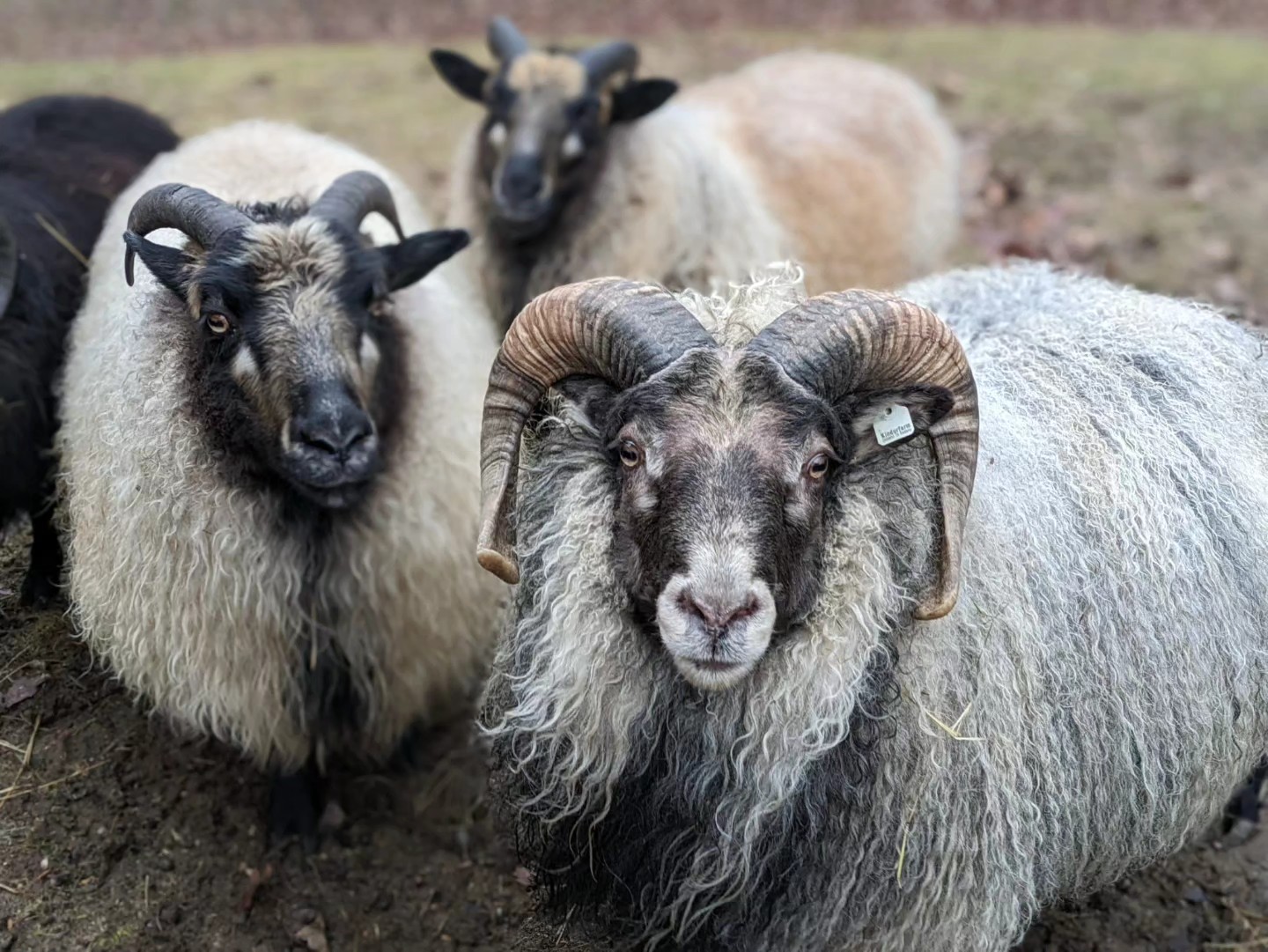
When you buy a bar of our soap, you’re getting a product that is:
- Handcrafted in small batches: This ensures the temperature stays low enough to preserve all those delicate vitamins and proteins in the milk.
- Free from artificial additives: We use natural clays, essential oils, and botanicals. No synthetic dyes or "fragrance" oils that cause flare-ups.
- Artisanal: We even shape them like little sheep! It’s a reminder of exactly where the product came from.
Whether you're trying a seasonal favorite like our Pumpkin Spice Latte Soap or sticking to the classics like Peppermint Sheep Milk Soap, you’re getting the full benefit of the Icelandic breed’s unique biology.
Why Your Skin Needs It Today
The modern world is tough on skin. Between pollution, indoor heating, and harsh chemical cleaners, our skin barriers are under constant attack. Switching to Icelandic sheep milk soap isn't just a "fancy" choice: it’s a return to a more biological, effective way of cleaning.
If you’ve been looking for a sign to ditch the plastic bottles of body wash and the drying bars of commercial soap, this is it. Your skin is your largest organ, and it deserves to be fed with the best nutrients nature has to offer.
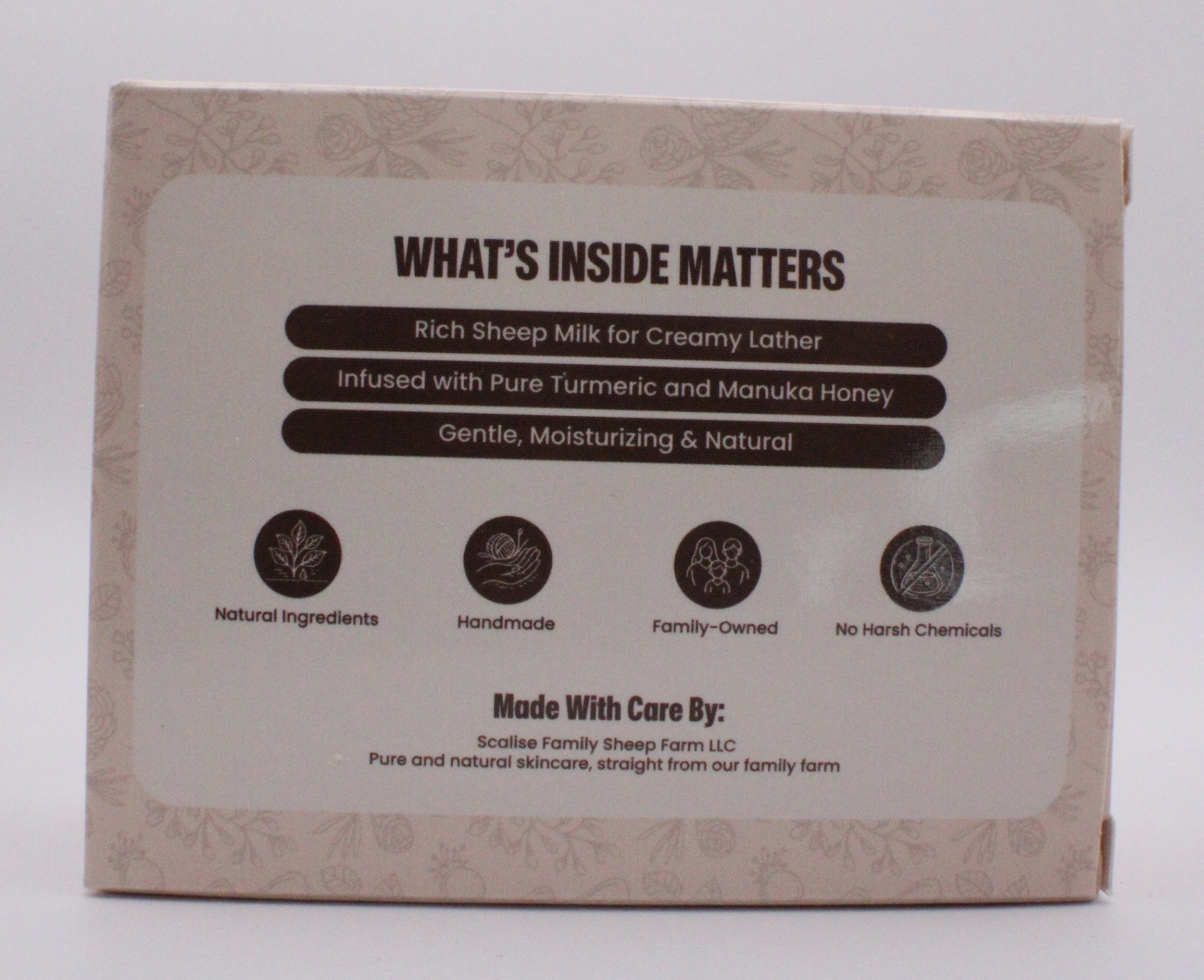
Experience the Icelandic Difference
Ready to see what all the talk is about? Check out our full collection of Icelandic sheep milk soaps and find the scent that speaks to you. From the grounding notes of frankincense to the floral bliss of rose, there is a bar waiting to transform your morning routine.
Your skin will thank you!
References:
- Park, Y. W., Juárez, M., Ramos, M., & Haenlein, G. F. W. (2007). Physico-chemical characteristics of goat and sheep milk. Small Ruminant Research, 68(1-2), 88-113.
- Alonso, C., Martí, M., Ramos, A., Calpena, A. C., Clares-Naveros, B., & Coderch, L. (2021). Lanolin-Based Synthetic Membranes for Transdermal Permeation and Penetration Drug Delivery Assays. Membranes, 11(6), 444. https://doi.org/10.3390/membranes11060444
- Muehlhoff, E., Bennett, A., & McMahon, D. (2013). Milk and dairy products in human nutrition. Food and Agriculture Organization of the United Nations (FAO).
- Journal of Clinical and Aesthetic Dermatology (2012). The Role of Moisturizers in Addressing Various Kinds of Dermatitis.


