

If you’ve spent years battling breakouts, you know the routine: the harsh stinging of benzoyl peroxide, the peeling skin from salicylic acid, and the constant cycle of "stripping" your face only to have it produce more oil in a panic. It’s exhausting. Most commercial "anti-acne" soaps are designed to nukes everything on the surface of your skin, leaving your natural barrier in shambles.
But what if the answer wasn't a lab-made chemical, but something straight from the pasture?
At Scalise Family Sheep Farm LLC, we’ve seen firsthand how our Icelandic sheep milk soap changes the game for people with sensitive and acne-prone skin. It’s not just "natural": it’s backed by some pretty heavy-duty science. Today, I want to dive into the research from 2024 and 2025 that explains why sheep milk is the "secret weapon" your skin has been waiting for.
The Problem with the "Chemical Burn" Approach
Most people think that to fight acne, you have to dry out your skin. Commercial soaps often use high concentrations of alcohol or synthetic acids that destroy the "acid mantle": your skin’s first line of defense. When this barrier is damaged, bacteria can actually penetrate deeper, leading to more cystic acne and longer healing times.
Sheep milk takes a completely different approach. Instead of attacking your skin, it nourishes the barrier while using natural, antimicrobial fatty acids to keep the "bad guys" (like P. acnes bacteria) in check.

The Science of Fatty Acids: Caprylic Acid and Beyond
One of the most exciting pieces of research recently published is a study in the Journal of the Saudi Society of Agricultural Sciences (2025). This study compared the fatty acid profiles of different ruminants: cows, goats, and sheep. The results were clear: sheep milk has a significantly higher concentration of medium-chain fatty acids (MCFAs) compared to its competitors.
Specifically, let’s talk about Caprylic Acid (Octanoic acid).
Caprylic acid is a powerhouse. It has proven antimicrobial and antibacterial properties. In the context of acne, Caprylic acid works by dissolving the lipid film of bacteria, effectively neutralizing them without the collateral damage caused by harsh synthetics. Because sheep milk is so much richer in these fats than goat milk, it provides a more potent antibacterial punch while remaining incredibly gentle.
Why Fatty Acids Matter for Your Pores
Many people with acne are afraid of "fat" or "oil" in their skincare. But not all fats are created equal. The MCFAs in sheep milk are non-comedogenic, meaning they won't clog your pores. Instead, they reinforce the skin barrier. A healthy barrier means your skin doesn't feel the need to overproduce sebum (your natural oil), which is often the root cause of those pesky whiteheads.

Lactoferrin: The Antimicrobial Protein You’ve Never Heard Of
Acne isn't just about oil; it’s an inflammatory response to bacteria. This is where Lactoferrin comes in. Lactoferrin is a multifunctional protein found in high concentrations in sheep milk: much higher than in cow or goat milk.
According to a 2024 study published in MDPI regarding sheep colostrum and milk components, Lactoferrin acts as a natural antimicrobial and anti-inflammatory agent. It literally "starves" bacteria by binding to the iron they need to survive. When you wash with our pure sheep milk soap, you’re essentially applying a biological shield that calms existing redness and prevents new clusters from forming.
The MDPI study specifically highlighted that these ovine (sheep) components are particularly effective for "inflammatory acne markers," helping to reduce the size and redness of painful under-the-skin bumps.
Sheep Milk vs. Goat Milk: The Acne Showdown
We get asked all the time: "Isn't goat milk soap just as good?"
While goat milk is a great step up from commercial detergent bars, sheep milk is in a league of its own for acne. As we’ve discussed in our comparison of sheep and goat milk, sheep milk contains nearly double the minerals and vitamins.
- Zinc Content: Sheep milk is naturally high in zinc. Zinc is a staple in dermatological treatments because it helps control oil production and supports wound healing (perfect for clearing up acne scars).
- Vitamin A (Retinol): Sheep milk is packed with Vitamin A. This promotes cell turnover, ensuring that dead skin cells don't sit on the surface and plug your pores.
- Lactic Acid: Every bar of our soap is naturally rich in Lactic Acid, a gentle Alpha Hydroxy Acid (AHA). It provides a microscopic exfoliation every time you wash, keeping your skin texture smooth without the need for gritty, irritating scrubs.

Farm-to-Face: Why Icelandic Sheep?
At Scalise Family Sheep Farm, we don't just use any sheep. We raise Icelandic sheep. These are a heritage breed known for their incredibly rich, nutrient-dense milk. We raise them on natural forage right here on our farm, ensuring that the milk going into your soap bar is as pure and potent as possible.
When you buy a bar of our soap, you’re getting a product that was hand-made in small batches. We don't strip out the glycerin (a natural humectant that draws moisture into the skin) like big companies do. We keep the good stuff in.

How to Use Sheep Milk Soap for Acne
If you’re ready to ditch the chemicals and try the sheep milk secret, here’s the best way to do it:
- Be Patient: Your skin might go through a "reset" period if you’ve been using harsh chemicals. Give it at least two weeks to balance its natural oil production.
- Cool Water: Wash with lukewarm or cool water. Hot water can strip the very fats we’re trying to put into your skin!
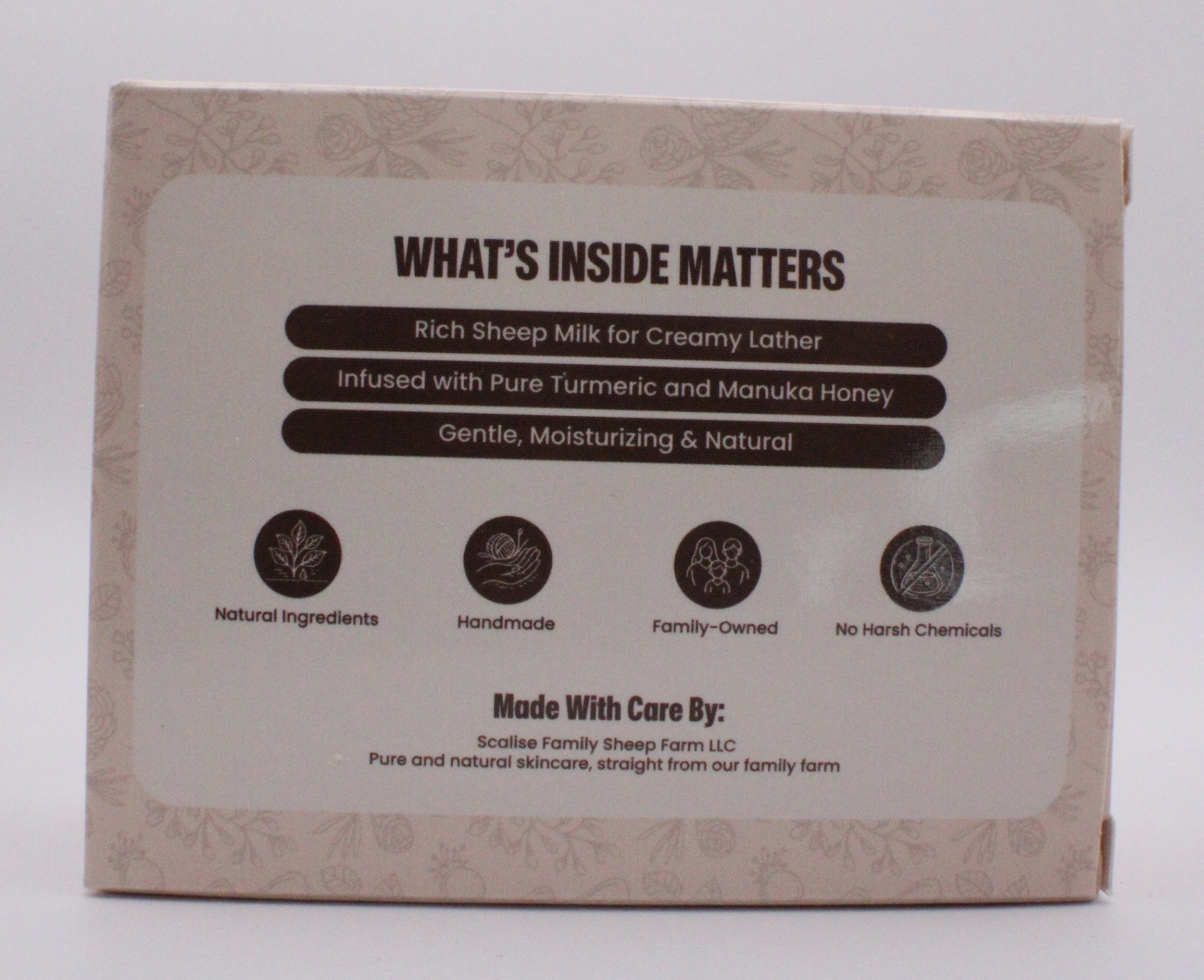
- Consistency is Key: Use the bar morning and night. Our Turmeric and Manuka Honey variety is particularly popular for those dealing with acne scarring and inflammation.
Final Thoughts: A Science-Backed Solution
Acne is more than just a surface issue; it’s a sign that your skin is out of balance. By leveraging the antimicrobial power of Caprylic acid and the healing properties of Lactoferrin, our sheep milk soap offers a way to clear your skin while actually making it healthier.
Stop punishing your face with "anti-acne" detergents that leave you red and raw. It’s time to try the farm-to-face approach. Your skin: and our sheep: will thank you.
Ready to see the difference for yourself? Browse our full collection of handcrafted soaps and find the perfect match for your skin type.
References & Academic Citations
- MDPI (2024). Ovine Milk and Colostrum Components in Dermatological Applications: A Review of Antimicrobial and Anti-inflammatory Efficacy. This study details the role of Lactoferrin and specific sheep milk proteins in reducing inflammatory markers associated with acne vulgaris.
- Journal of the Saudi Society of Agricultural Sciences (2025). Comparative Analysis of Fatty Acid Profiles in Ovine, Caprine, and Bovine Milk: Implications for Antimicrobial Skincare. A comprehensive look at the high concentration of Caprylic and Lauric acids in sheep milk versus other ruminants.
- Journal of Dairy Science. Nutritional and Therapeutic Aspects of Sheep Milk. (Contextual reference for vitamin and mineral density including Zinc and Vitamin A).
- International Journal of Cosmetic Science. The role of the skin barrier and the impact of surfactant-based cleansers on acne-prone skin. (Supporting the argument against harsh commercial detergents).


