

Let’s be honest for a second: "shedding" usually sounds like something reserved for our Icelandic sheep when the weather warms up or a snake that’s outgrown its skin. But here’s a little secret from the farm, your skin is doing it too. Every single day, you’re losing thousands of dead skin cells. The problem? Sometimes those cells don’t want to leave. They hang around, clog your pores, and make your complexion look about as dull as a rainy Tuesday in the pasture.
Most people reach for harsh scrubs or chemical peels that feel like they’re taking off three layers of living tissue along with the dead stuff. But at Scalise Family Sheep Farm LLC, we believe there’s a better, smarter, and much more "farm-to-face" way to handle exfoliation.
It all comes down to a little something called Lactic Acid. Specifically, the high concentrations of natural Lactic Acid found in our sheep milk. If you’ve been looking for a natural exfoliating sheep milk soap with lactic acid, you’re in the right place. Grab a coffee, and let’s dive into the robust science of why sheep milk is the undisputed heavyweight champion of skincare.
What is Lactic Acid, Anyway? (The Sciencey Bit)
Lactic Acid is an Alpha Hydroxy Acid (AHA). If you follow skincare influencers, you’ve probably heard of AHAs. They are chemical exfoliants that work by dissolving the "cellular glue" (scientifically known as desmosomes) that holds dead skin cells to the surface of your skin.
Once that glue is gone, the dead cells wash away, revealing the fresh, glowing skin underneath. But Lactic Acid is unique among AHAs like Glycolic or Salicylic acid. It has a larger molecular structure, which means it doesn't penetrate quite as deeply or as aggressively. This makes it the "gentle giant" of the acid world, perfect for handmade sheep milk soap for sensitive skin.

Sheep Milk vs. Goat Milk: The Battle of the AHAs
You’ve probably seen goat milk soap everywhere. Don’t get us wrong, goats are great (though we’re partial to our sheep), but when it comes to the chemical composition of the milk, sheep milk is in a league of its own.
According to research published in Food Production, Processing and Nutrition (2022), sheep milk contains significantly higher concentrations of natural Lactic Acid and fat solids than goat or cow milk [1]. While goat milk is a step up from mass-produced detergent bars, sheep milk is the concentrated version of everything your skin actually wants.
Because sheep milk is richer in these bioactive compounds, our soap provides a more effective exfoliation without the need for added synthetic chemicals. When you use our chemical-free sheep milk skincare products, you’re letting nature do the heavy lifting that other brands have to lab-engineer.
The Dual-Action Magic: Exfoliation + Hydration
Most exfoliants are "strippers." They take away the dead skin, but they often take your natural oils and moisture barrier with them. This is why your face might feel "tight" or "squeaky" after washing, that’s actually a sign of distress, not cleanliness!
Lactic Acid is a bit of a overachiever. It doesn’t just exfoliate; it’s also a humectant.
A humectant is a substance that actively draws moisture from the environment into your skin. While the Lactic Acid is busy dissolving dead skin cells, it is simultaneously pulling water into the new cells underneath. This dual-action process ensures that your skin renewal doesn't come at the cost of hydration.
Research from MDPI (2025) on the bioactive potential of sheep milk suggests that these properties have massive implications for skin renewal and the maintenance of the skin barrier [2]. It’s why our nutrient-rich sheep milk soap for dry skin works so well, it’s cleaning and feeding your skin at the same time.
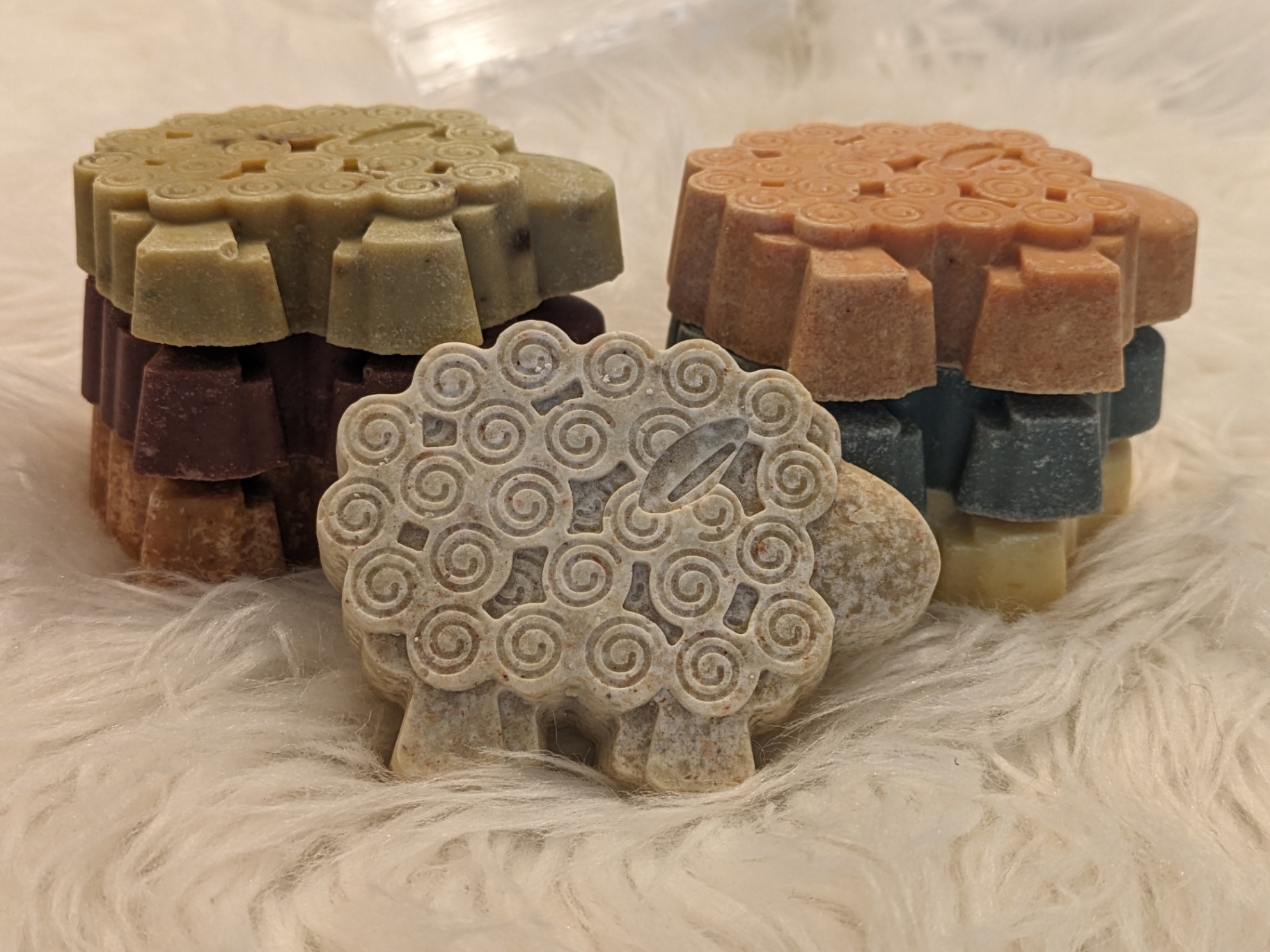
Why "Fresh" Matters: From Our Farm to Your Face
You might wonder: "Can't I just buy a Lactic Acid serum at the drug store?"
Sure, you can. But those are often highly processed, stabilized with preservatives, and stripped of the other supporting nutrients that make milk so special. At Scalise Family Sheep Farm LLC, we use fresh milk from our own Icelandic flock.
Why does freshness matter? Because Lactic Acid in its raw, fresh-milk state is at its most potent and "alive." It works in tandem with the natural vitamins (like A, B, C, and E) and minerals found in the milk. When we craft our soap, we keep those nutrients intact.
Our process is simple:
- The Milk: Sourced directly from our healthy, happy Icelandic sheep.
- The Batch: Hand-poured in small quantities to ensure quality.
- The Cure: We allow our soaps to cure properly, preserving the integrity of the Lactic Acid and the rich fats that sheep milk is known for.
When you use a bar of our soap, you’re getting a product where the Lactic Acid hasn't been sitting in a warehouse for two years. It’s fresh, it’s potent, and it’s ready to help you "shed" that dullness.
Addressing Problem Skin: Eczema, Psoriasis, and Acne
If you struggle with specific skin conditions, exfoliation can be scary. One wrong move and you’ve got a flare-up. However, the gentle nature of Lactic Acid makes it a game-changer for these issues.
- For Acne: Lactic Acid helps clear out the dead skin that clogs pores and leads to breakouts. Plus, the MDPI (2025) study highlights the antimicrobial properties of bioactive peptides in sheep milk, which can help manage the bacteria that cause acne [2].
- For Eczema and Psoriasis: Because Lactic Acid is a humectant, it helps strengthen the skin barrier. A stronger barrier means less moisture loss and less irritation from outside allergens. This is why so many of our customers seek out natural sheep milk skincare for psoriasis.
- For Aging Skin: By promoting faster cell turnover, Lactic Acid helps diminish the appearance of fine lines and "age spots," giving you that "brightening" effect naturally.
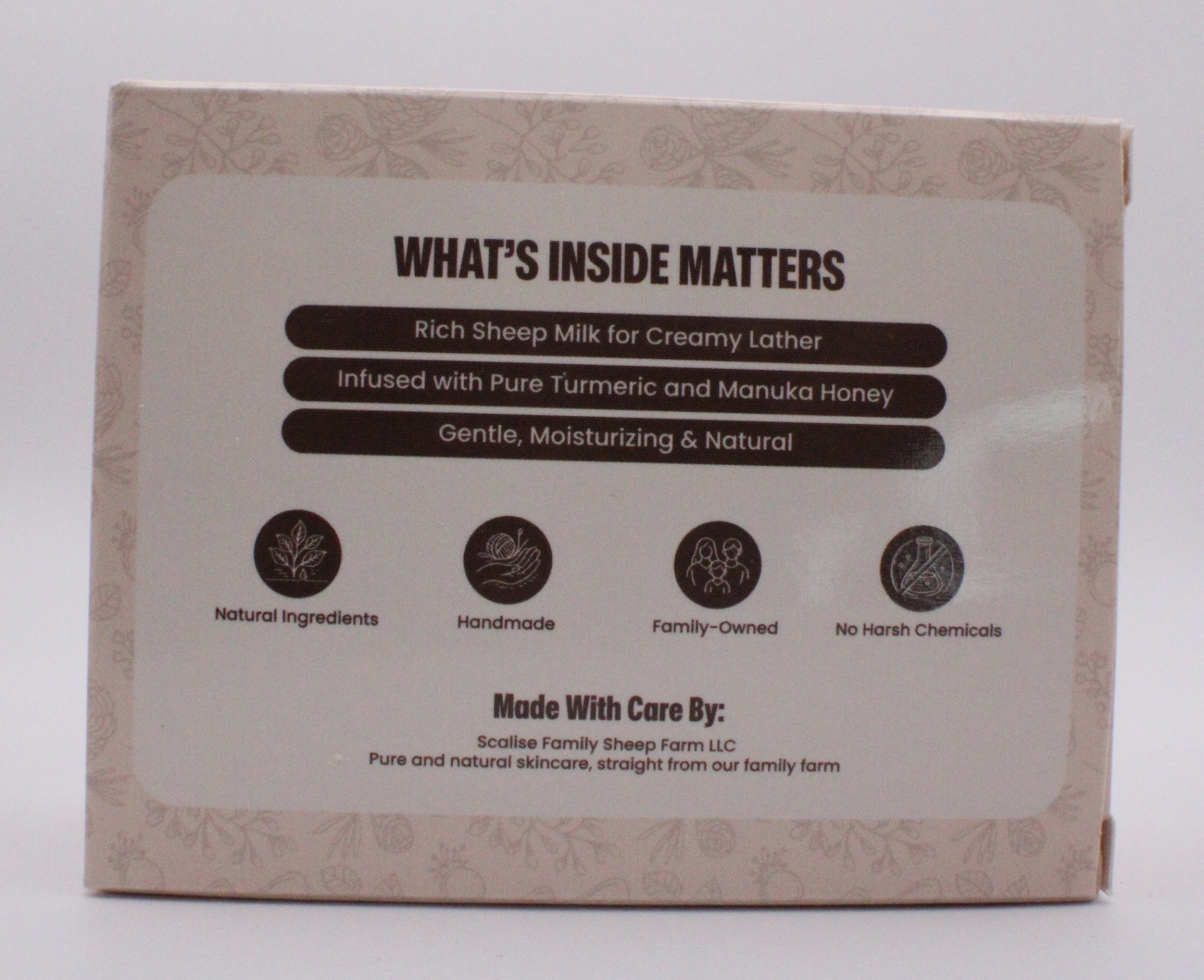
How to Get the Most Out of Your Lactic Acid Soap
To really let the Lactic Acid work its magic, don’t just rinse it off immediately.
When you’re in the shower, lather up and let the soap sit on your skin for about 30 to 60 seconds. This gives the Lactic Acid enough time to start dissolving those dead skin bonds and pulling moisture into your skin. It’s like a mini-spa treatment every morning.
And remember, because our soaps are rich in natural lanolin and fats, you’re not going to get that "stripped" feeling. You’ll just feel soft, clean, and ready to take on the day.
The Scalise Family Promise
We aren't just a business; we’re a family. When Ben started this farm, the goal was to create products that we were proud to use on our own skin and give to our own kids. We don't use "fillers," we don't use harsh chemicals, and we certainly don't compromise on the quality of our milk.
Whether you're looking for a pure sheep milk soap for acne-prone skin or you just want to upgrade your daily shower routine, the Lactic Acid advantage is real. It’s backed by science, it’s tested on the farm, and your skin is going to love it.
Ready to see the difference for yourself? Check out our full collection of handcrafted sheep milk soaps and find the scent (and the skin solution) that’s right for you.
References & Academic Citations
[1] Food Production, Processing and Nutrition (2022). "Comparative Analysis of Mammalian Milks: Nutritional and Bioactive Profiles of Sheep vs. Goat Milk." This study highlights the superior concentrations of solids, fats, and organic acids in sheep milk.
[2] MDPI - Molecules/Nutrients (2025). "Bioactive Potential of Ovine Milk in Skin Tissue Regeneration and Barrier Function." This research explores how the specific peptides and acids in sheep milk promote cellular turnover and antimicrobial protection.
[3] Journal of Dermatological Science. "The Role of Alpha Hydroxy Acids in Humectancy and Stratum Corneum Renewal." (General reference for the dual-action properties of Lactic Acid).
Want to learn more about why we do what we do? Check out our About Us page or read more about the benefits of sheep milk.


