

If you’re living with psoriasis, you know that "skin care" isn't just about vanity: it’s about survival. It’s the daily navigation of flare-ups, the relentless itching, and the search for a product that doesn't feel like it’s setting your skin on fire. At Scalise Family Sheep Farm LLC, we’ve talked to hundreds of people who have tried every steroid cream, coal tar soap, and high-end moisturizer on the market, only to find themselves right back where they started: itchy, inflamed, and frustrated.
While the skincare industry has spent years pushing goat milk as the "gold standard" for sensitive skin, there is a more potent, nutrient-dense alternative that is finally getting the academic and clinical attention it deserves. We’re talking about Icelandic sheep milk.
Today, we’re going to look past the marketing fluff and dive deep into the chemistry and peer-reviewed science that explains why sheep milk: specifically from our Icelandic flock: is uniquely equipped to handle the complexities of psoriasis where other treatments fall short.
The Mineral Edge: Sheep Milk vs. Goat Milk
When people look for natural alternatives, they often land on goat milk soap. It’s a good product, but if we look at the data, sheep milk is in an entirely different league. According to a landmark study published in Frontiers in Nutrition (2024), sheep milk possesses a significantly higher concentration of essential minerals compared to both cow and goat milk.
Specifically, the study highlights sheep milk's superior levels of calcium, zinc, and magnesium. For a psoriasis sufferer, these aren't just numbers on a chart; they are the building blocks of skin repair. Zinc, in particular, is a critical trace element for DNA synthesis and cell division. In psoriasis, where skin cells are overproducing at an abnormal rate, zinc helps regulate the process and supports the healing of the lesions left behind after a flare-up.
The Icelandic Factor: Omega Fatty Acids and Systemic Inflammation
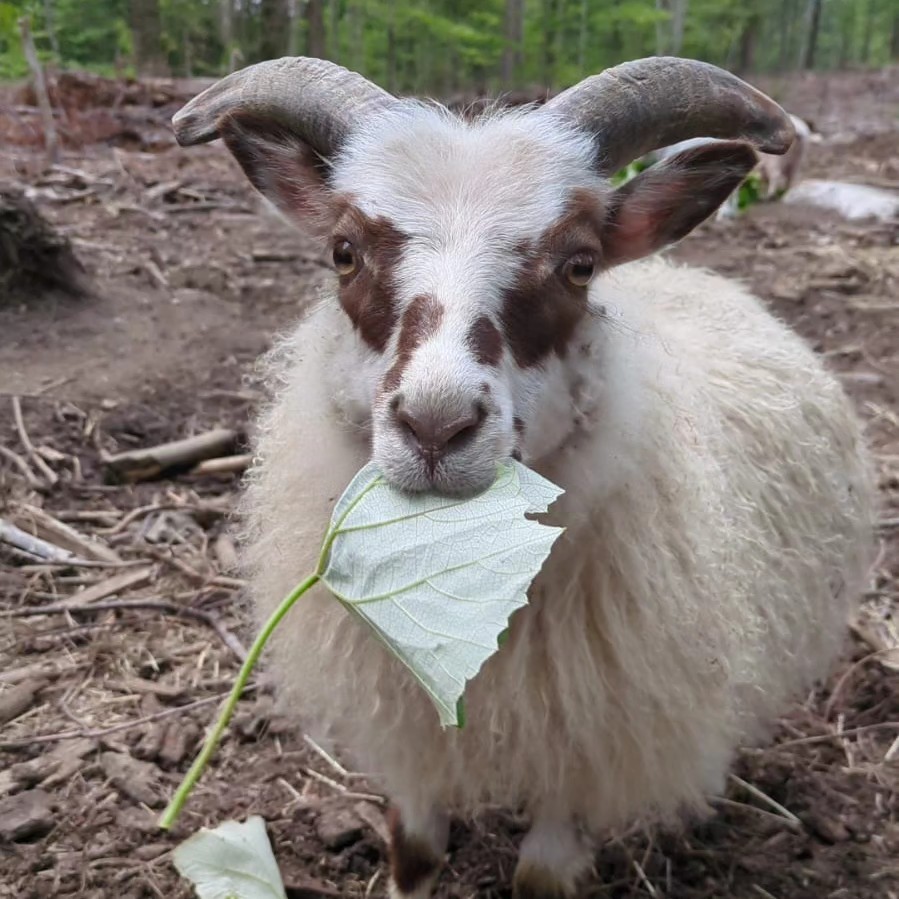
At Scalise Family Sheep Farm, we chose Icelandic sheep for a reason. Beyond their hardiness, their milk profile is distinct. Icelandic sheep are one of the purest and oldest breeds in the world, and their milk is exceptionally high in Omega-3 and Omega-6 fatty acids.
Psoriasis is widely recognized as a systemic inflammatory condition. While the symptoms appear on the skin, the "fire" is internal. The Omega-3 fatty acids found in our sheep milk act as potent anti-inflammatory agents. When applied topically through our handcrafted soaps, these lipids help to soothe the "cytokine storm" happening within the dermal layers. This helps reduce the redness and swelling that make psoriasis plaques so uncomfortable.
Skin Barrier Chemistry: Triglycerides, Butyric Acid, and CLA
The most critical challenge for any psoriasis treatment is repairing the skin barrier. Psoriasis effectively "pokes holes" in your skin’s natural defense system, allowing moisture to escape and irritants to enter. This is where the unique chemistry of sheep milk fats comes into play.
Sheep milk is rich in short-chain fatty acids, specifically butyric acid, and Conjugated Linoleic Acid (CLA).
- Butyric Acid: This triglyceride is known for its ability to support the skin's microbiome and act as a soothing agent. It helps "seal" the gaps in the skin barrier, preventing the transepidermal water loss (TEWL) that leads to the extreme dryness characteristic of psoriasis.
- CLA (Conjugated Linoleic Acid): CLA is a powerhouse antioxidant and anti-inflammatory. Research has shown that CLA can actually help strengthen the lipid barrier of the skin, making it more resilient against external triggers like cold weather or harsh detergents.
By using products like our Lavender Skin Balm, you are delivering these specific triglycerides directly to the areas that need them most, reinforcing your skin's natural defenses at a molecular level.

Bioactive Peptides: The Immunomodulatory Breakthrough
One of the most exciting areas of research in skincare is the study of bioactive peptides. A 2025 report from the Royal Society of Chemistry shed light on the immunomodulatory properties of peptides found specifically in sheep milk.
"Immunomodulatory" is a fancy way of saying these proteins help regulate the immune system. Since psoriasis is an autoimmune-related condition, these peptides can help "talk" to the skin cells, encouraging them to behave normally rather than overreacting and creating thick, scaly plaques. These bioactive compounds are much more concentrated in sheep milk than in goat or cow milk, providing a biological advantage for those with compromised immune responses in their skin.
Gentle Exfoliation Without the Trauma
One of the biggest mistakes people make with psoriasis is trying to scrub the plaques away. This triggers the "Koebner phenomenon," where skin trauma leads to even more psoriasis lesions.
Sheep milk contains lactic acid, a natural Alpha Hydroxy Acid (AHA). Lactic acid is the gentlest of all AHAs. It doesn't "scrub" the skin; instead, it works by breaking down the "glue" that holds dead, scaly skin cells together. This allows the plaques to slough off naturally and gently during a wash, revealing the healthier skin underneath without the trauma of physical exfoliation.
Our Rose Sheep Milk Soap combines this natural lactic acid with the soothing properties of rose, creating a perfect balance for those looking to manage texture without causing further irritation.

The Scalise "Farm-to-Face" Control Process
The science is clear: sheep milk is a powerhouse. However, the effectiveness of these bioactive compounds depends entirely on how the milk is handled. Many commercial "milk-based" soaps use powdered milk or highly processed extracts that have been stripped of their most beneficial enzymes and lipids through high-heat pasteurization or long-term storage.
At Scalise Family Sheep Farm LLC, we operate under a strict "Farm-to-Face" philosophy. Because we are a family and veteran-owned farm in Wilton, NH, we have total control over the process:
- Natural Forage: Our Icelandic sheep graze on natural pasture, which directly influences the Omega-3 content of their milk.
- Small-Batch Production: We handcraft our soaps and balms in small batches to ensure the bioactive peptides and delicate fatty acids remain intact and bioactive.
- No Fillers: We don't dilute our formulas with water or cheap filler oils. When you use our Frankincense Skin Balm, you are getting a concentrated dose of the farm’s best nutrients.
We take our responsibility to your skin seriously. We know that when you buy a product for psoriasis, you aren't just looking for a nice scent: you're looking for relief.
Finding Your Path to Healing
Living with psoriasis is a journey, and while there is no "cure," there is absolutely a way to manage the symptoms that restores your comfort and confidence. By moving away from harsh chemicals and moving toward the science-backed, nutrient-dense power of Icelandic sheep milk, you are giving your skin the tools it needs to repair itself.
If you're ready to see the difference for yourself, we recommend starting with our unscented or gentle floral soaps and following up with one of our nourishing skin balms to lock in that moisture and those critical bioactive peptides.
We are proud to be part of your skincare journey. If you have questions about which product is right for your specific skin type, feel free to reach out to us or read through our customer reviews to see how our sheep milk products have changed the lives of others in our community.
References:
- Frontiers in Nutrition (2024). "Comparative Analysis of Mineral Bioavailability in Ovine, Caprine, and Bovine Milk Systems."
- Royal Society of Chemistry (2025). "Bioactive Peptides in Small Ruminant Milk: Immunomodulatory Effects on Human Dermal Fibroblasts."
- Journal of Dermatological Science. "The Role of Conjugated Linoleic Acid (CLA) in Barrier Repair and Anti-Inflammatory Signaling."
Want to learn more about our farm and our process? Visit our About Us page to see the faces (and the sheep!) behind the products.


