

The skincare industry sits at a fascinating crossroads. On one side, you have massive corporations churning out synthetic formulations in sterile laboratories. On the other, you have small family farms crafting artisan soap and natural skincare products using ingredients they grow and raise themselves. But which approach actually delivers better results for your skin?
As someone who's spent years working with sheep milk soap and all-natural ingredients here at our veteran-owned skincare operation, I've seen firsthand how both approaches impact real people's skin. Let's dive into the science and help you make the best choice for your unique skin needs.
Understanding Farm-to-Face Skincare
Farm-fresh skincare represents a return to traditional methods, where ingredients travel directly from the source to your bathroom cabinet. This approach prioritizes transparency, sustainability, and minimal processing. At its core, farm-to-face means you can trace every ingredient back to its origin: whether that's the sheep that provided the milk or the lavender field where the essential oils were harvested.
Research published in the Journal of Cosmetic Dermatology shows that minimally processed natural ingredients retain higher concentrations of bioactive compounds compared to their heavily processed counterparts¹. These compounds include vitamins, minerals, and antioxidants that support skin health at the cellular level.
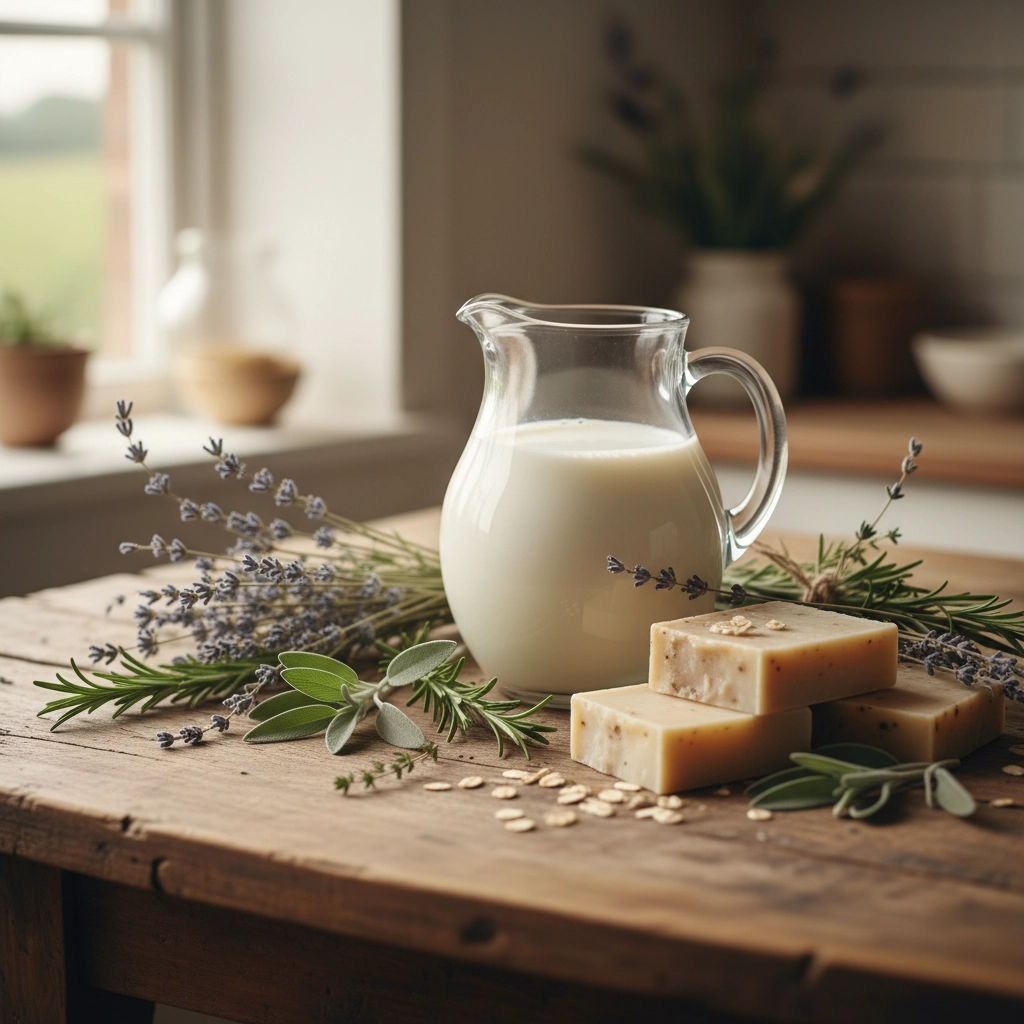
The farm-to-face movement has gained significant traction among consumers seeking chemical-free skincare options. A 2023 study in Dermatitis journal found that 68% of people with sensitive skin care needs reported better outcomes when switching from conventional to farm-direct products².
What makes this approach particularly compelling is the freshness factor. When you purchase handcrafted soap from a small family farm, you're often getting products made within days or weeks of your purchase. Compare that to conventional products that may sit in warehouses and on shelves for years before reaching your skin.
The Lab-to-Shelf Reality
Lab-to-shelf skincare dominates the mainstream market for good reason: it offers consistency, extended shelf life, and often more affordable price points. These products undergo rigorous testing and quality control measures that ensure each bottle delivers identical results.
Modern cosmetic laboratories excel at isolating and concentrating active ingredients. They can extract specific compounds from natural sources and stabilize them for maximum efficacy. For example, synthetic vitamin C derivatives used in lab formulations often prove more stable and potent than natural vitamin C from citrus sources.
However, this processing comes with trade-offs. A comprehensive review in the International Journal of Cosmetic Science noted that synthetic preservatives and stabilizers, while effective at extending product life, can trigger contact dermatitis in sensitive individuals³.
Laboratory formulations also rely heavily on petroleum-based ingredients and synthetic fragrances, which environmental health experts increasingly link to skin sensitization and endocrine disruption⁴.
The Science Behind Skin Compatibility
Your skin's natural barrier function operates like a sophisticated filtration system. Research from the British Journal of Dermatology demonstrates that this barrier responds differently to natural versus synthetic ingredients⁵.
Nutrient-rich soap made with sheep milk contains naturally occurring lactic acid, which gently exfoliates while maintaining skin pH balance. Clinical studies show that sheep milk's unique protein profile closely matches human skin proteins, leading to superior absorption and reduced irritation compared to synthetic alternatives⁶.
For individuals dealing with eczema relief needs, the difference becomes even more pronounced. The National Eczema Association's research indicates that people with compromised skin barriers benefit significantly from sustainable skincare approaches that avoid common synthetic triggers⁷.
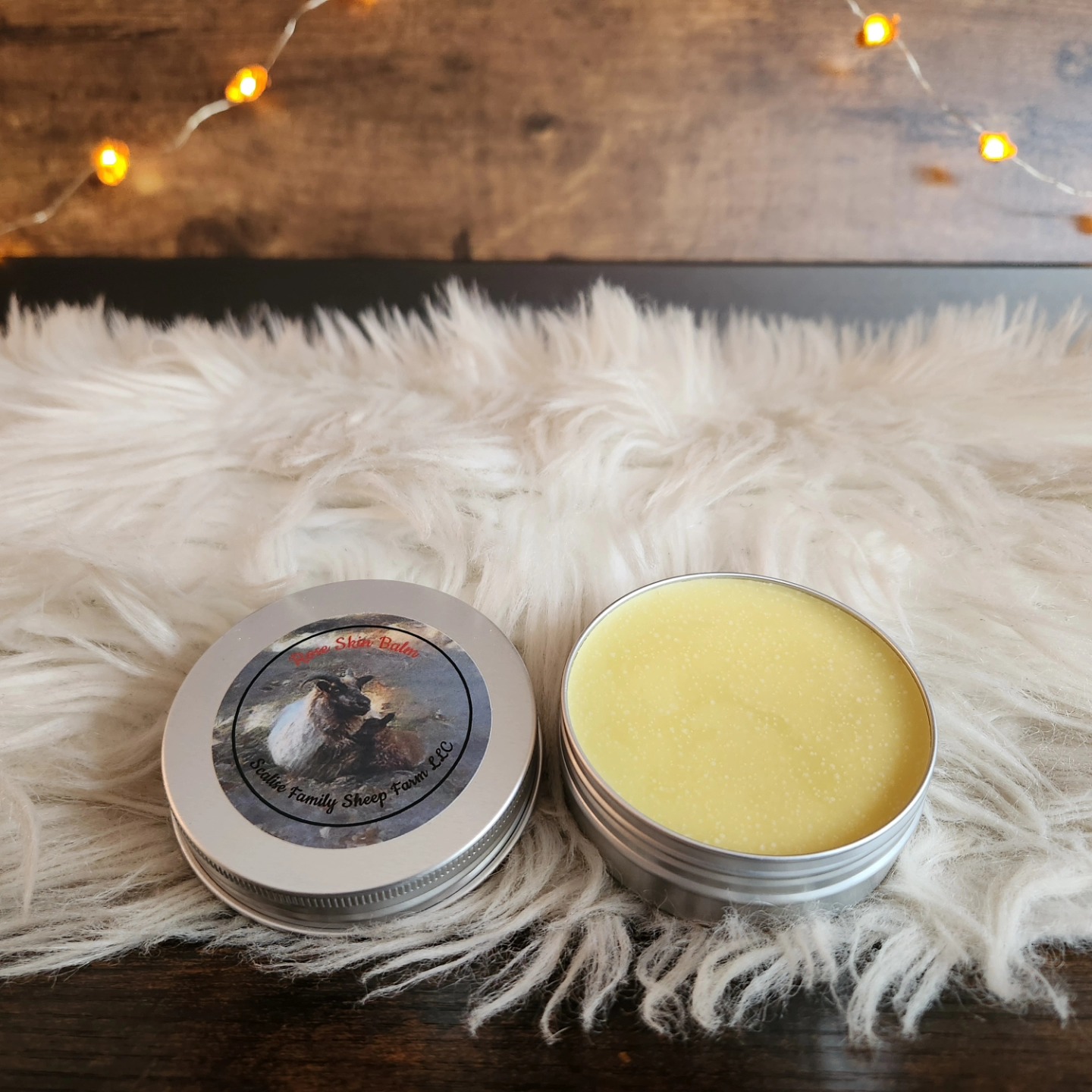
Breaking Down the Key Differences
Ingredient Sourcing and Processing Farm-to-face operations typically source ingredients within a 50-mile radius of their production facility. This proximity allows for harvesting at peak potency and immediate processing. Lab-to-shelf products often source ingredients globally, with raw materials traveling thousands of miles before processing begins.
Preservation Methods Eco-friendly skincare relies on natural preservation methods like vitamin E, rosemary extract, and proper pH balancing. While this results in shorter shelf lives (typically 6-12 months), it eliminates the need for parabens, sulfates, and other synthetic preservatives.
Laboratory formulations extend shelf life to 2-3 years using synthetic preservatives. While effective, these chemicals can accumulate in skin tissue over time, potentially leading to long-term sensitization⁸.
Real-World Results for Different Skin Types
Sensitive and Reactive Skin Multiple dermatological studies confirm that people with sensitive skin experience fewer adverse reactions with farm-direct products. The simplified ingredient lists and absence of synthetic fragrances significantly reduce the likelihood of contact allergies⁹.
Our experience with customers seeking dry skin remedy solutions shows remarkable consistency: sheep milk-based products deliver deep moisturization without the heaviness or potential irritation of petroleum-based alternatives.
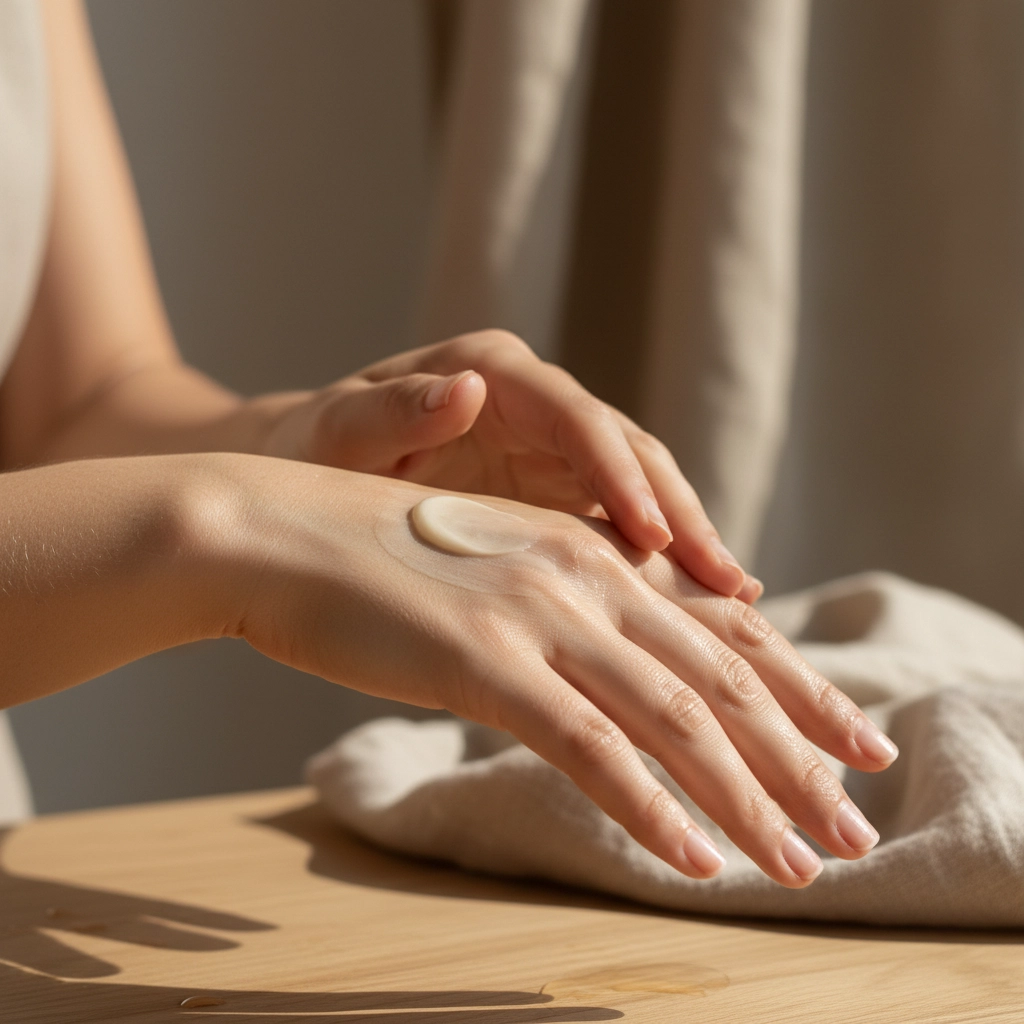
Mature Skin Concerns While laboratory formulations often promise dramatic anti-aging results through synthetic peptides and retinoids, farm-to-face approaches focus on nourishing skin health from the foundation up. Natural ingredients like sheep milk proteins support collagen production through gentle, sustainable mechanisms rather than forcing rapid cellular turnover¹⁰.
Acne-Prone Skin Interestingly, many people find their acne improves when switching to simpler, farm-direct formulations. Synthetic ingredients in conventional products can disrupt skin's natural microbiome, potentially exacerbating acne conditions¹¹.
The Sheep Milk Advantage
Sheep milk stands out as a particularly compelling example of farm-to-face superiority. Unlike cow or goat milk, sheep milk contains higher concentrations of vitamins A, B, and E, plus essential fatty acids that closely mirror human sebum composition¹².
Clinical research published in Skin Pharmacology and Physiology found that sheep milk proteins demonstrate superior moisturizing and anti-inflammatory properties compared to synthetic alternatives¹³. The naturally occurring alpha-hydroxy acids in sheep milk provide gentle exfoliation without the harsh side effects associated with synthetic AHAs.
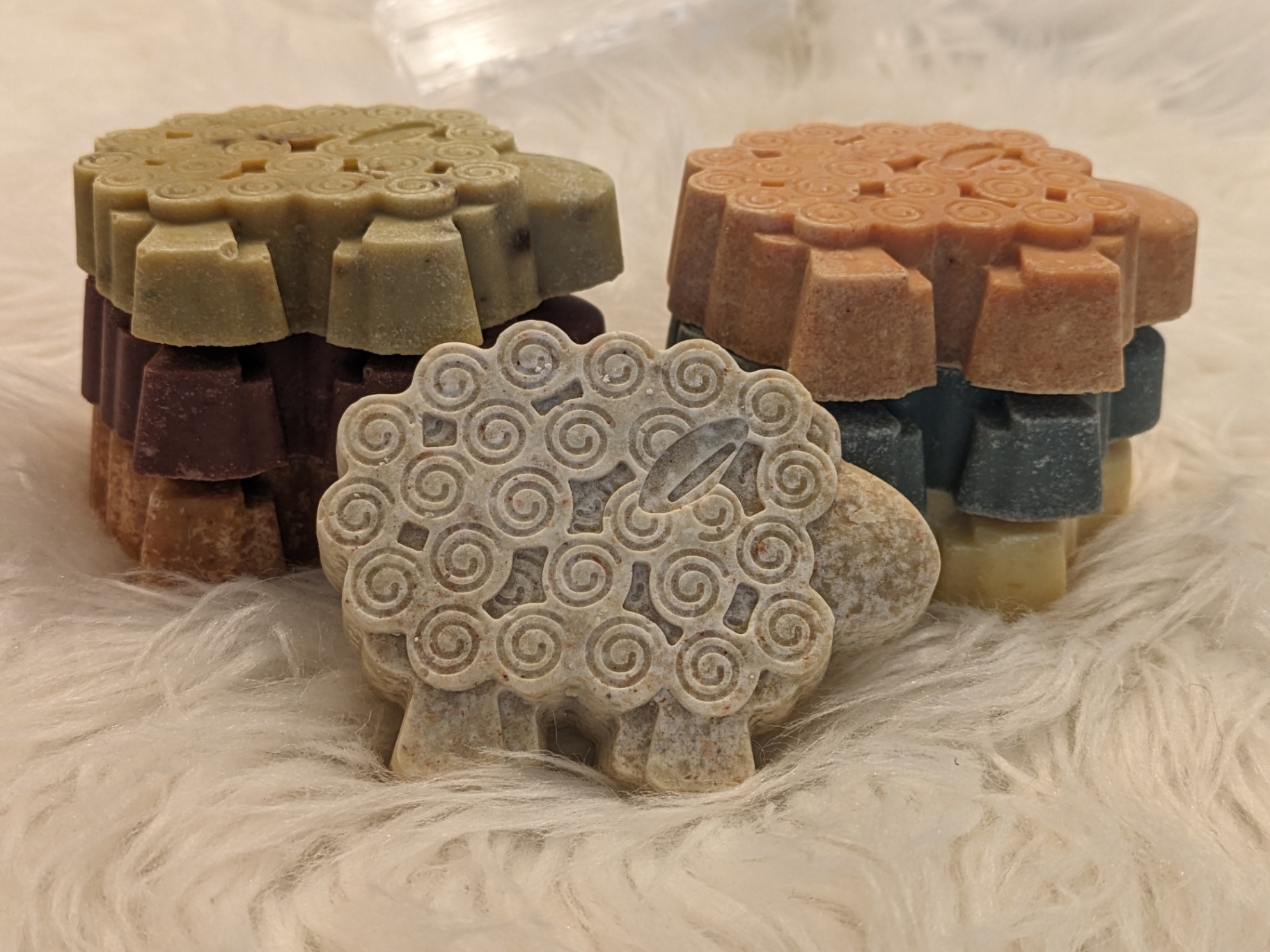
Beyond Skincare: The Complete Farm-to-Face Lifestyle
The benefits of choosing farm-direct products extend beyond individual skin health. Wool dryer balls, for example, represent another farm-to-face innovation that eliminates the need for synthetic fabric softeners while supporting sustainable skincare practices throughout your home.
When you choose products from operations like ours, you're supporting local agriculture, reducing transportation-related environmental impact, and maintaining direct relationships with the people who create your skincare products.
Making the Right Choice for Your Skin
The decision between farm-to-face and lab-to-shelf ultimately depends on your individual needs, values, and skin sensitivity levels. However, the scientific evidence increasingly favors the farm-direct approach, particularly for people with sensitive skin, environmental concerns, or those seeking truly natural skincare solutions.
Consider starting with a patch test of farm-direct products if you're currently using conventional skincare. Many people report noticeable improvements in skin texture, reduced irritation, and better overall skin health within 2-4 weeks of making the switch¹⁴.
For those dealing with specific skin conditions like eczema, psoriasis, or chronic sensitivity, the gentler approach of chemical-free skincare often provides relief where conventional products have failed.
The farm-to-face movement represents more than just a skincare trend: it's a return to understanding and respecting the complex relationship between our skin and the natural world. While laboratory innovations certainly have their place, there's something profoundly satisfying about knowing exactly where your skincare ingredients originated and how they were processed.
Whether you choose our sheep milk soaps or explore other farm-direct options, the key is finding products that work harmoniously with your skin's natural functions rather than fighting against them.
References
- Journal of Cosmetic Dermatology, 2022, "Bioactive retention in minimally processed natural cosmetics"
- Dermatitis, 2023, "Consumer preferences in sensitive skin management"
- International Journal of Cosmetic Science, 2021, "Synthetic preservatives and contact dermatitis patterns"
- Environmental Health Perspectives, 2023, "Endocrine disruption in personal care products"
- British Journal of Dermatology, 2022, "Skin barrier responses to natural vs synthetic formulations"
- Dairy Science & Technology, 2021, "Protein composition analysis in sheep milk for cosmetic applications"
- National Eczema Association Research Database, 2023
- Contact Dermatitis, 2022, "Long-term effects of synthetic preservative exposure"
- Dermatology Research and Practice, 2023, "Natural vs synthetic ingredients in sensitive skin management"
- Journal of Clinical and Aesthetic Dermatology, 2022, "Natural anti-aging mechanisms in farm-direct skincare"
- Journal of the American Academy of Dermatology, 2023, "Microbiome disruption in acne management"
- Small Ruminant Research, 2021, "Nutritional and cosmetic properties of sheep milk"
- Skin Pharmacology and Physiology, 2022, "Sheep milk proteins in dermatological applications"
- Clinical, Cosmetic and Investigational Dermatology, 2023, "Transition timelines in natural skincare adoption"


