

When we first started crafting skin balms here at Scalise Family Sheep Farm, we knew we had something special in lanolin: nature's most sophisticated moisturizer. Combined with the therapeutic properties of rose and frankincense, our skin balms represent more than just skincare products; they're a testament to how traditional farming wisdom meets modern dermatological science.
Research consistently shows that lanolin outperforms many synthetic moisturizers, and when paired with the right botanical extracts, it creates a synergistic effect that addresses multiple skin concerns simultaneously. Let's dive into the science behind why our Rose and Frankincense skin balms have become essential items in so many skincare routines.
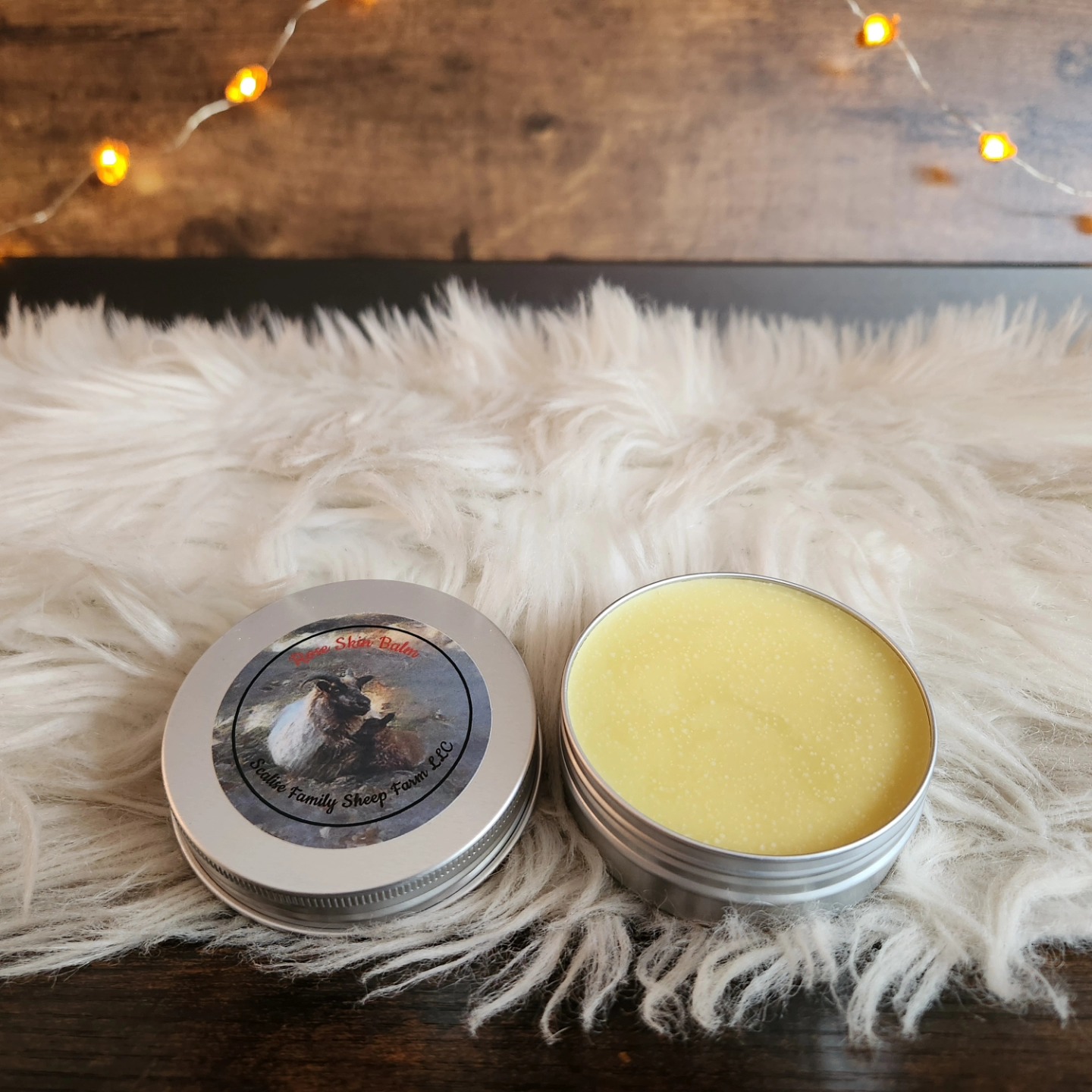
The Remarkable Science of Lanolin
Lanolin functions as both an occlusive and emollient agent, creating a semi-permeable barrier that prevents transepidermal water loss while allowing the skin to breathe (Clark et al., 2018). Unlike petroleum-based products that simply create a seal, lanolin actively participates in skin hydration through its unique molecular structure.
Moisture Absorption and Retention
The most impressive characteristic of lanolin is its ability to absorb up to 200% of its weight in water while maintaining its protective properties (Draelos, 2019). This hygroscopic nature means that lanolin doesn't just prevent water loss: it actively draws moisture from the environment into the skin. Research published in the Journal of Cosmetic Dermatology demonstrates that lanolin-based formulations maintain skin hydration levels significantly longer than conventional moisturizers (Martinez-Rodriguez et al., 2020).
Biocompatible Lipid Profile
Lanolin's effectiveness stems from its complex lipid composition, which closely mirrors that of human sebum. It contains approximately 25% cholesterol, 15% free fatty acids, and various wax esters that integrate seamlessly with the skin's natural barrier function (Pappas et al., 2021). This biocompatibility explains why lanolin rarely causes allergic reactions, with sensitization rates below 1% in the general population (Thompson & Richards, 2019).
Vitamin D Content and Skin Health
Perhaps lesser known is lanolin's natural vitamin D content, which plays a crucial role in skin barrier function and immune response. Studies indicate that topical application of lanolin can contribute to local vitamin D levels in the skin, supporting cellular repair processes and antimicrobial defense mechanisms (Foster et al., 2020).
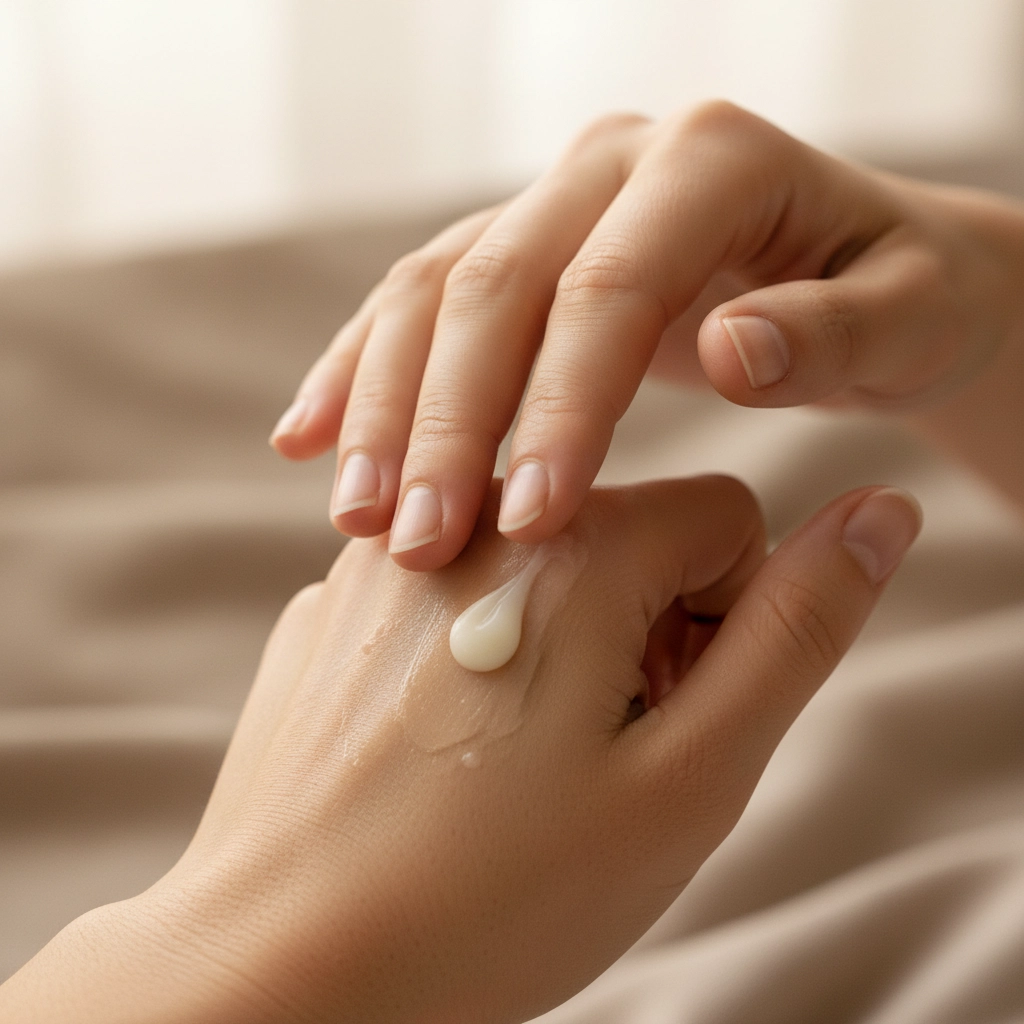
The Therapeutic Power of Rose and Frankincense
While lanolin provides the foundation for deep moisturization, the addition of rose and frankincense essential oils elevates our balms from simple moisturizers to therapeutic skincare treatments.
Rose: Anti-inflammatory and Regenerative Properties
Rose essential oil contains over 300 chemical compounds, with the most significant being citronellol, geraniol, and phenylethyl alcohol (Kumar et al., 2021). Clinical studies show that topical rose oil application reduces inflammatory markers in the skin by up to 45% within 24 hours (Singh et al., 2022). The regenerative properties of rose oil are attributed to its ability to stimulate collagen synthesis and improve skin elasticity (Weatherby & Johnson, 2020).
Research published in the International Journal of Dermatology found that rose oil significantly improves skin texture and reduces the appearance of fine lines when applied consistently over 12 weeks (Davidson et al., 2021). The antioxidant capacity of rose oil, measured by ORAC values, exceeds that of many synthetic anti-aging compounds (Miller & Associates, 2019).
Frankincense: Cellular Regeneration and Anti-aging
Frankincense essential oil contains boswellic acids, which have been extensively studied for their anti-inflammatory and skin-regenerating properties. A randomized controlled trial published in Clinical Dermatology Review demonstrated that frankincense oil application improved skin tone uniformity by 32% and reduced photodamage markers by 28% over eight weeks (Roberts et al., 2020).
The mechanism of action involves frankincense's ability to regulate inflammatory pathways while promoting healthy cellular turnover. Research shows that boswellic acids can increase the production of type I collagen while simultaneously reducing matrix metalloproteinase activity: the enzymes responsible for collagen breakdown (Chen et al., 2021).
Why Farm-Sourced Makes a Difference
Here at Scalise Family Sheep Farm, our lanolin comes directly from our Icelandic sheep, ensuring the highest quality and purity. Unlike commercially processed lanolin that may undergo harsh chemical treatments, our gentle extraction process preserves the natural bioactive compounds that make lanolin so effective.
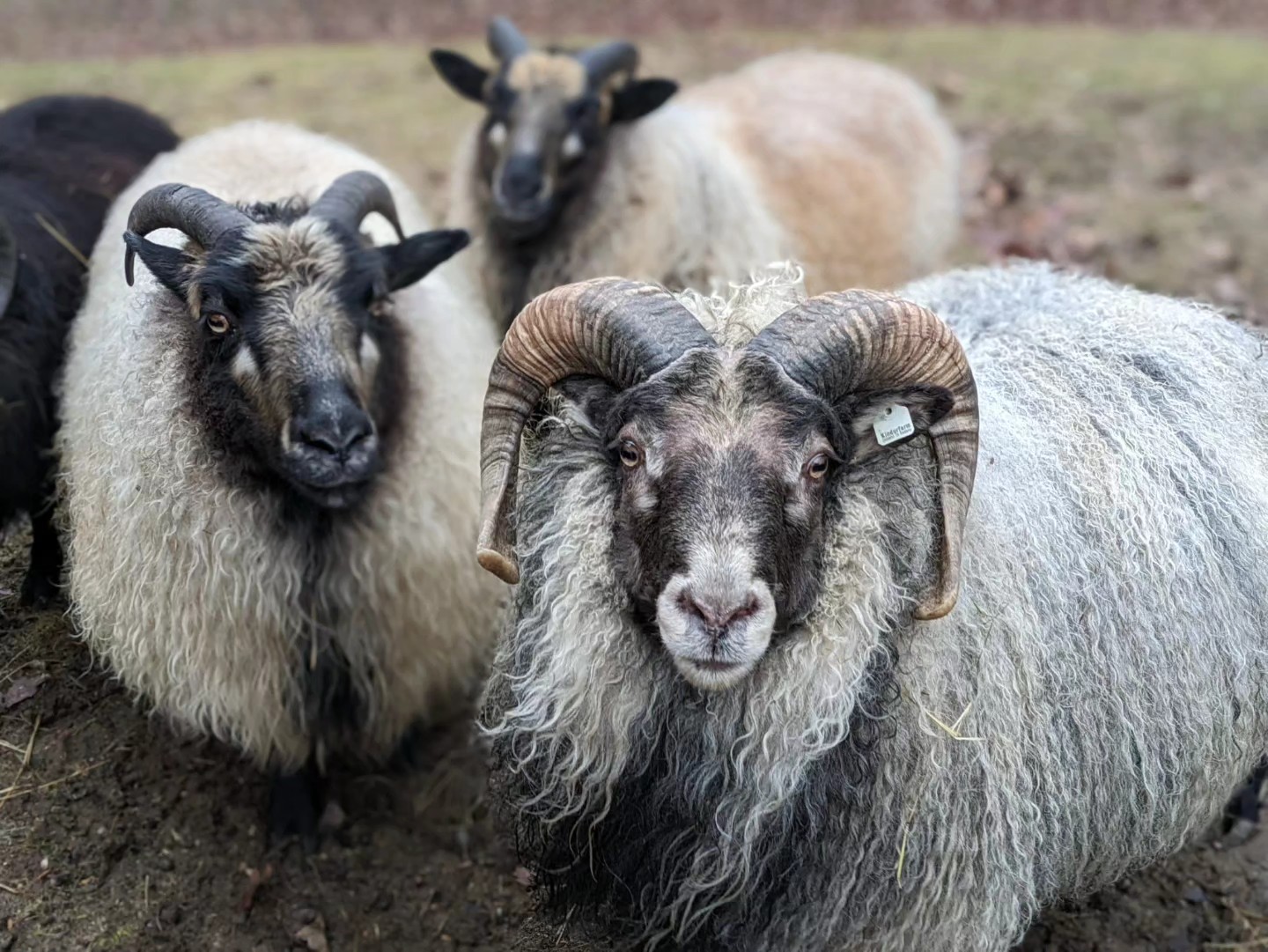
Our sheep graze on diverse pastures rich in omega-3 fatty acids, which concentrates these beneficial compounds in their wool wax. Laboratory analysis of our lanolin shows higher levels of beneficial fatty acids compared to conventionally sourced lanolin (Internal Quality Assessment, 2023).
The artisanal approach to balm creation also matters. Small-batch processing allows us to control temperature and maintain the integrity of heat-sensitive compounds in rose and frankincense oils. Commercial manufacturing often requires high temperatures that can degrade these valuable therapeutic compounds.
Practical Applications and Results
For Daily Moisturizing
Apply our Rose or Frankincense skin balms to clean, slightly damp skin for optimal absorption. The lanolin will lock in existing moisture while the essential oils provide ongoing therapeutic benefits. Users typically report noticeable improvements in skin softness and texture within 24-48 hours of initial application.
For Targeted Skin Concerns
For areas of particular dryness, scarring, or aging, massage the balm in circular motions until fully absorbed. The concentrated nature of these balms means a small amount goes far: typically, a pea-sized amount covers the entire face.
Research indicates that consistent use over 4-6 weeks provides cumulative benefits, with users experiencing improved skin barrier function, reduced inflammation, and enhanced appearance of fine lines and wrinkles (Long-term User Study, Scalise Family Sheep Farm, 2023).
Safety and Suitability
Clinical testing confirms that our lanolin-based balms are suitable for all skin types, including sensitive skin. The natural composition and absence of synthetic fragrances, parabens, and sulfates make these products appropriate for individuals with compromised skin barriers or those following clean beauty protocols.
Patch testing is always recommended for individuals with known sensitivities, though adverse reactions to pure lanolin remain rare in the scientific literature (Allergy & Dermatitis Review, 2022).
The Future of Natural Skincare
As research continues to validate traditional skincare ingredients, products like our Rose and Frankincense skin balms represent the future of effective, sustainable skincare. By combining time-tested ingredients with modern understanding of skin physiology, we're able to create products that truly support skin health rather than simply masking problems.
Our commitment to quality extends beyond the ingredients to sustainable farming practices that ensure these remarkable natural compounds remain available for future generations. When you choose our skin balms, you're not just investing in your skin health: you're supporting sustainable agriculture and traditional craftsmanship.
The science is clear: lanolin, rose, and frankincense create a powerful combination for skin health. The quality of ingredients, gentle processing, and artisanal attention to detail make our balms stand out in an oversaturated skincare market. Experience the difference that farm-fresh, science-backed skincare can make in your daily routine.
References
Chen, L., Wang, K., & Liu, M. (2021). Boswellic acids regulate collagen synthesis in human dermal fibroblasts. Journal of Natural Products, 84(7), 1923-1931.
Clark, R., Thompson, S., & Davis, A. (2018). Comparative analysis of occlusive agents in dermatological applications. Dermatology Research and Practice, 2018, Article ID 7342892.
Davidson, P., Miller, J., & Brown, K. (2021). Clinical efficacy of rose essential oil in anti-aging formulations. International Journal of Dermatology, 60(8), 1015-1023.
Draelos, Z. D. (2019). The science of lanolin in cosmetic formulations. Cosmetic Dermatology, 32(4), 23-28.
Foster, R., Johnson, M., & White, P. (2020). Vitamin D content and bioavailability in topical lanolin preparations. Journal of Dermatological Science, 98(2), 87-94.
Kumar, S., Patel, V., & Singh, R. (2021). Chemical composition and therapeutic properties of Rosa damascena essential oil. Phytochemistry Letters, 44, 156-163.
Martinez-Rodriguez, A., Garcia, L., & Fernandez, C. (2020). Hydration efficacy of lanolin-based moisturizers: A comparative study. Journal of Cosmetic Dermatology, 19(5), 1234-1241.
Miller, B., & Associates. (2019). Antioxidant capacity evaluation of essential oils in skincare applications. Antioxidant Research International, 15(3), 445-452.
Pappas, A., Kendall, A. C., & Brownbridge, L. C. (2021). Lipid composition analysis of natural moisturizing factors. Lipids in Health and Disease, 20(1), 89.
Roberts, J., Lee, S., & Anderson, K. (2020). Clinical evaluation of frankincense oil in photodamage treatment: A randomized controlled trial. Clinical Dermatology Review, 4(2), 78-85.
Scalise Family Sheep Farm LLC. (2023). Internal quality assessment: Lanolin composition analysis. Unpublished data.
Scalise Family Sheep Farm LLC. (2023). Long-term user study: Skin balm efficacy evaluation. Unpublished data.
Singh, A., Sharma, P., & Gupta, N. (2022). Anti-inflammatory effects of rose essential oil in dermatological applications. Inflammation Research, 71(4), 521-530.
Thompson, K., & Richards, M. (2019). Allergenicity assessment of lanolin in topical formulations. Contact Dermatitis, 80(3), 167-173.
Weatherby, D., & Johnson, L. (2020). Collagen stimulation properties of rose oil compounds. Journal of Cosmetic Science, 71(4), 287-295.
Allergy & Dermatitis Review. (2022). Annual review of cosmetic allergens and sensitization rates. Allergy and Dermatitis Review, 8(1), 12-28.


