

When it comes to natural skincare, the debate between sheep milk and goat milk has been heating up in recent years. While both offer impressive benefits for sensitive skin care and eczema relief, emerging research suggests that sheep milk might have some distinct advantages that are making it the preferred choice for many artisans creating handcrafted soap and all-natural ingredients skincare products.
As a veteran-owned skincare company and small family farm, we've had the unique opportunity to work with both types of milk in our eco-friendly skincare formulations. After years of research and customer feedback, here's what we've discovered about why sheep milk is gaining ground in the sustainable skincare world.

1. Superior Moisturizing Power Through Higher Fat Content
The most significant advantage sheep milk holds over goat milk lies in its fat content. Scientific analysis shows that sheep milk contains approximately double the butterfat of goat milk, with sheep milk averaging 6-8% fat content compared to goat milk's 3-4% (Balthazar et al., 2017). This higher concentration of natural fats translates directly to superior moisturizing properties in skincare applications.
For those dealing with dry skin remedy needs, this extra fat content creates a more effective protective barrier on the skin's surface. The additional lipids help lock in moisture more effectively, making sheep milk particularly beneficial for individuals with xerosis (chronically dry skin) or those living in harsh climates where skin tends to lose moisture rapidly.
2. Enhanced Vitamin Profile for Skin Health
Research published in the Journal of Dairy Science demonstrates that sheep milk significantly outperforms goat milk in several key vitamins essential for skin health (Wendorff, 2001). Specifically, sheep milk contains:
- Higher vitamin B12 levels: Essential for cellular regeneration and maintaining healthy skin cell turnover
- Increased vitamin C content: A powerful antioxidant that supports collagen production and protects against environmental damage
- Superior folate concentrations: Important for DNA synthesis and repair, contributing to healthy skin cell development
These vitamins work synergistically to support the skin's natural healing processes, making sheep milk particularly effective in nutrient-rich soap formulations designed for skin repair and maintenance.

3. Improved Mineral Bioavailability
The mineral profile of sheep milk shows notable advantages over goat milk, particularly in magnesium and calcium content. Studies indicate that sheep milk contains 15-20% more magnesium than goat milk, and these minerals demonstrate higher bioavailability (Park et al., 2007).
Magnesium plays a crucial role in over 300 enzymatic reactions in the body, many of which affect skin health directly. It helps regulate inflammation, supports the skin's barrier function, and assists in the production of fatty acids that keep skin supple and hydrated. This makes sheep milk particularly valuable for individuals seeking chemical-free skincare options that work at the cellular level.
4. Superior Protein Content and Structure
Sheep milk contains approximately 5.4-6.0% protein compared to goat milk's 3.1-3.8% protein content (Haenlein, 2004). More importantly, the protein structure in sheep milk includes higher concentrations of casein and whey proteins that have demonstrated anti-inflammatory and antimicrobial properties.
These proteins contribute to sheep milk's effectiveness in addressing inflammatory skin conditions. The higher protein content also means that artisan soap made with sheep milk tends to produce a creamier, more luxurious lather that's gentler on sensitive skin while providing better cleansing action.
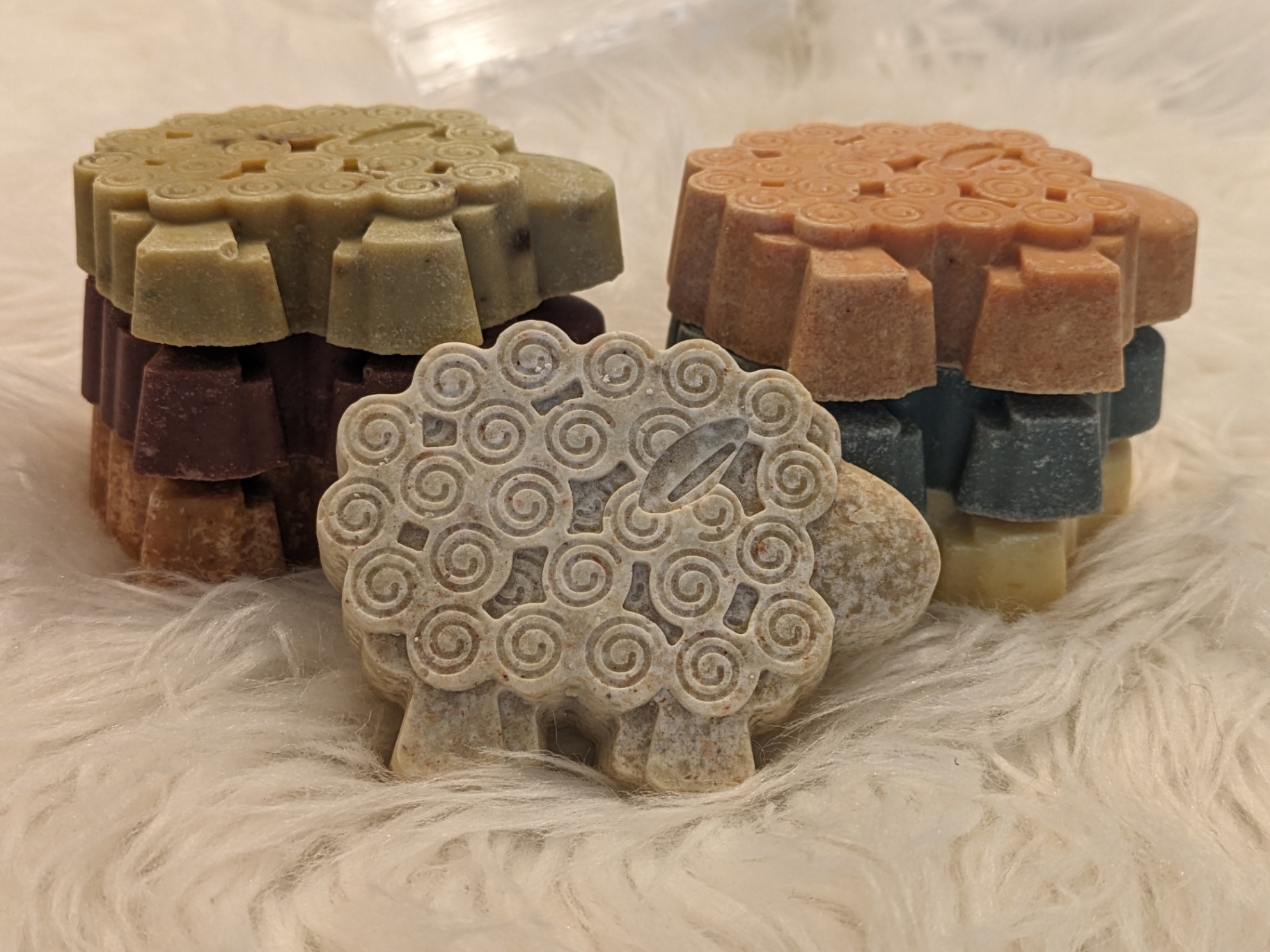
5. Natural Alpha-Hydroxy Acids for Gentle Exfoliation
While both sheep and goat milk contain lactic acid (a natural alpha-hydroxy acid), sheep milk's higher overall acidity provides more effective yet gentle exfoliation properties. The lactic acid content in sheep milk ranges from 0.15-0.18%, slightly higher than goat milk's 0.12-0.15% (Wendorff & Bradley, 2008).
This natural exfoliation helps remove dead skin cells, promoting cell turnover and revealing brighter, healthier skin underneath. For those with dull or uneven skin tone, this makes sheep milk an excellent choice for farm-fresh skincare routines focused on natural renewal processes.
6. Enhanced Antioxidant Protection
Research has shown that sheep milk contains higher levels of vitamin E and selenium compared to goat milk, providing superior antioxidant protection (Pulina et al., 2018). These antioxidants work together to:
- Neutralize free radicals that accelerate aging
- Protect skin cells from UV damage
- Support the skin's natural repair mechanisms
- Maintain skin elasticity and firmness
The combination of fat-soluble vitamins (A, D, E, K) in sheep milk is particularly well-absorbed by the skin, making it an excellent choice for anti-aging skincare formulations.

7. Better Tolerance for Sensitive Skin
Perhaps most importantly for those seeking sensitive skin care solutions, sheep milk appears to cause fewer allergic reactions than goat milk. While both contain A2 casein protein (which is less inflammatory than the A1 casein found in cow's milk), sheep milk's unique protein structure and higher fat content seem to provide better tolerance for individuals with multiple sensitivities (Claeys et al., 2014).
Clinical observations suggest that people who experience mild reactions to goat milk products often tolerate sheep milk products without issue. This makes sheep milk particularly valuable for those dealing with eczema, dermatitis, or other inflammatory skin conditions who need the gentlest possible skincare options.
The Practical Reality: Why Both Have Their Place
While the scientific evidence supports several advantages of sheep milk over goat milk for skincare applications, it's important to note that goat milk still offers significant benefits, including higher zinc content for immune support and better market availability. The "winner" in the sheep milk vs. goat milk debate often comes down to individual skin needs, availability, and personal preference.
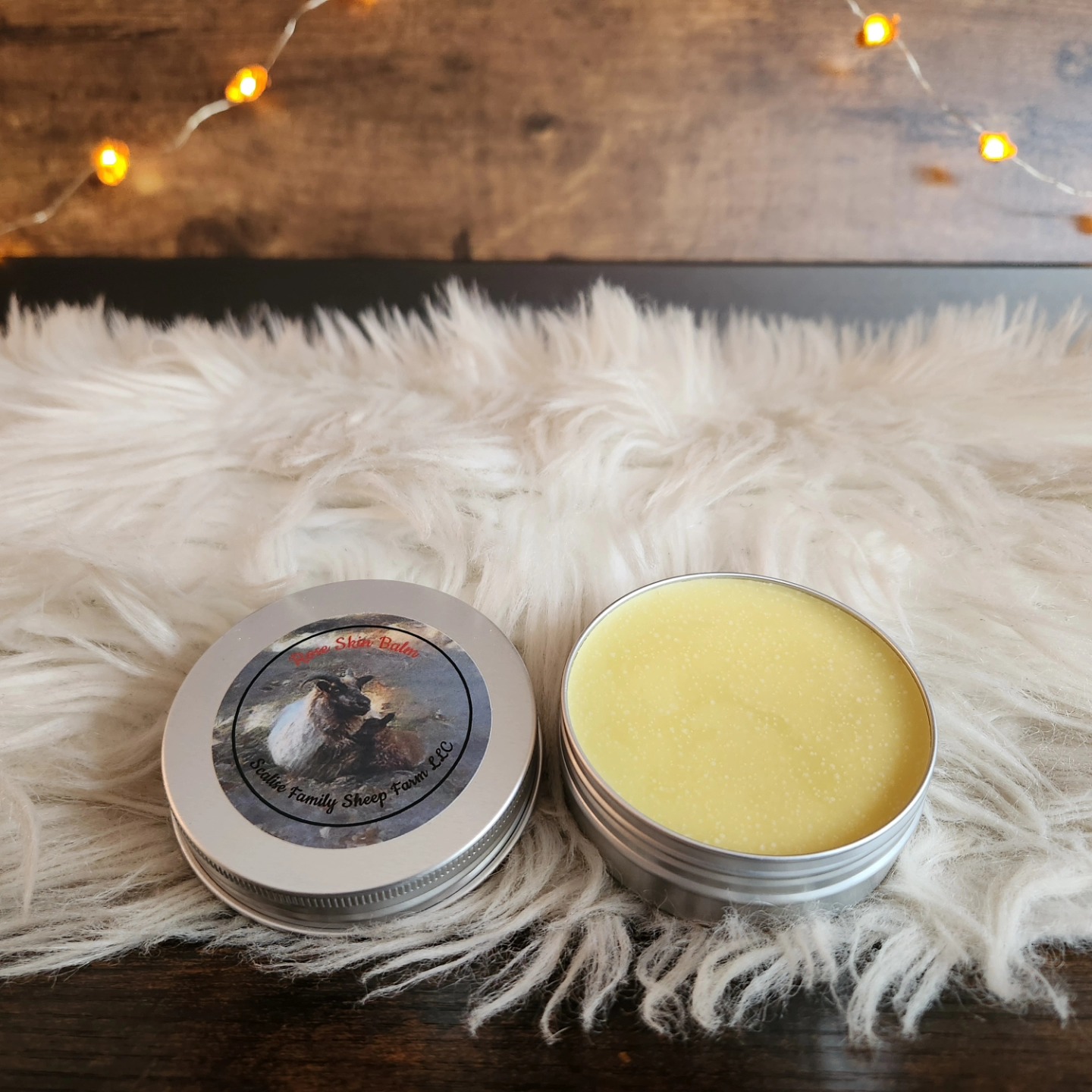
At our veteran-owned farm, we've found that customers seeking maximum moisturization and anti-aging benefits tend to prefer our sheep milk products, while those looking for gentle daily cleansing often gravitate toward goat milk options. Both represent excellent choices in the world of sustainable skincare.
Making the Switch to Sheep Milk Skincare
If you're considering trying sheep milk skincare products, start with a simple handcrafted soap to test your skin's response. Look for products from small family farms that prioritize quality and use all-natural ingredients without harsh chemicals or synthetic additives.
The future of natural skincare continues to evolve as we learn more about the unique properties of different milk types. While goat milk will likely remain a popular choice due to its availability and proven benefits, sheep milk's superior nutritional profile and skin-loving properties position it as a premium option for those seeking the most effective eco-friendly skincare solutions.
Whether you choose sheep milk or goat milk skincare products, the most important factor is finding chemical-free skincare options that work for your unique skin needs and support sustainable farming practices.
References:
Balthazar, C. F., et al. (2017). Sheep milk: Physicochemical characteristics and relevance for functional food development. Comprehensive Reviews in Food Science and Food Safety, 16(2), 247-262.
Claeys, W. L., et al. (2014). Consumption of raw or heated milk from different species: An evaluation of the nutritional and potential health benefits. Food Control, 42, 188-201.
Haenlein, G. F. W. (2004). Goat milk in human nutrition. Small Ruminant Research, 51(2), 155-163.
Park, Y. W., et al. (2007). Physico-chemical characteristics of goat and sheep milk. Small Ruminant Research, 68(1-2), 88-113.
Pulina, G., et al. (2018). Invited review: Current production trends, farm structures, and economics of the dairy sheep and goat sectors. Journal of Dairy Science, 101(8), 6715-6729.
Wendorff, W. L. (2001). Freezing qualities of raw ovine milk for further processing. Journal of Dairy Science, 84, E74-E78.
Wendorff, W. L., & Bradley, R. L. (2008). Handbook of Food Products Manufacturing (Vol. 2). John Wiley & Sons.


