

The skincare industry has experienced a significant shift toward natural, artisanal products, with handmade soap leading this revolution. Unlike commercial soaps that rely heavily on synthetic detergents and harsh chemicals, handmade soaps offer a gentler approach to cleansing that actually benefits your skin's health. Research shows that traditional soap-making methods preserve beneficial compounds while avoiding the irritating additives found in mass-produced alternatives.¹
What Makes Handmade Soap Different?
Handmade soap is created through saponification: a chemical process where natural fats and oils combine with an alkali (typically sodium hydroxide) to create soap molecules. This traditional method preserves glycerin, a natural humectant that commercial manufacturers often extract and sell separately.² The result is a moisturizing bar that cleanses without stripping your skin's protective barrier.
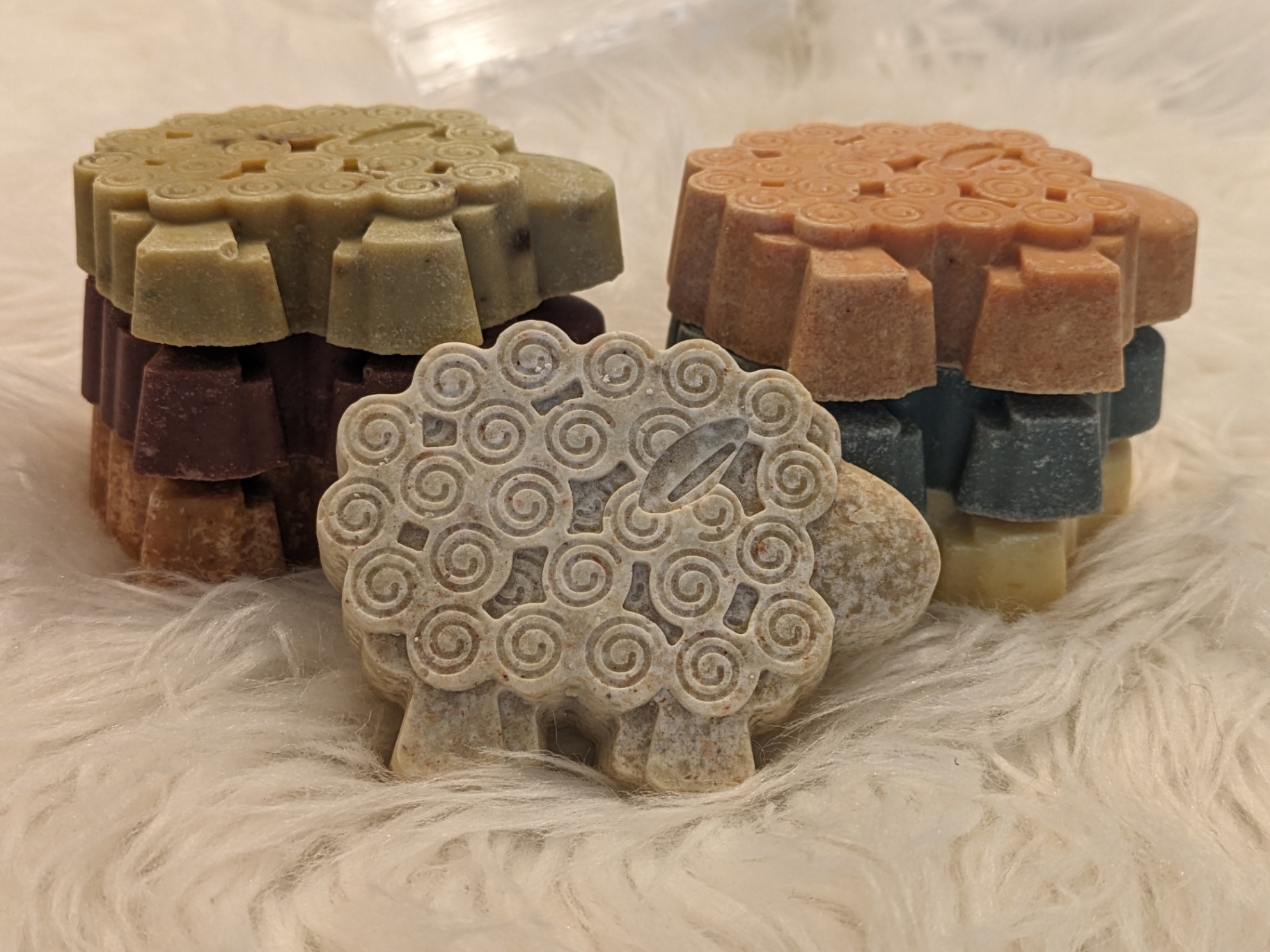
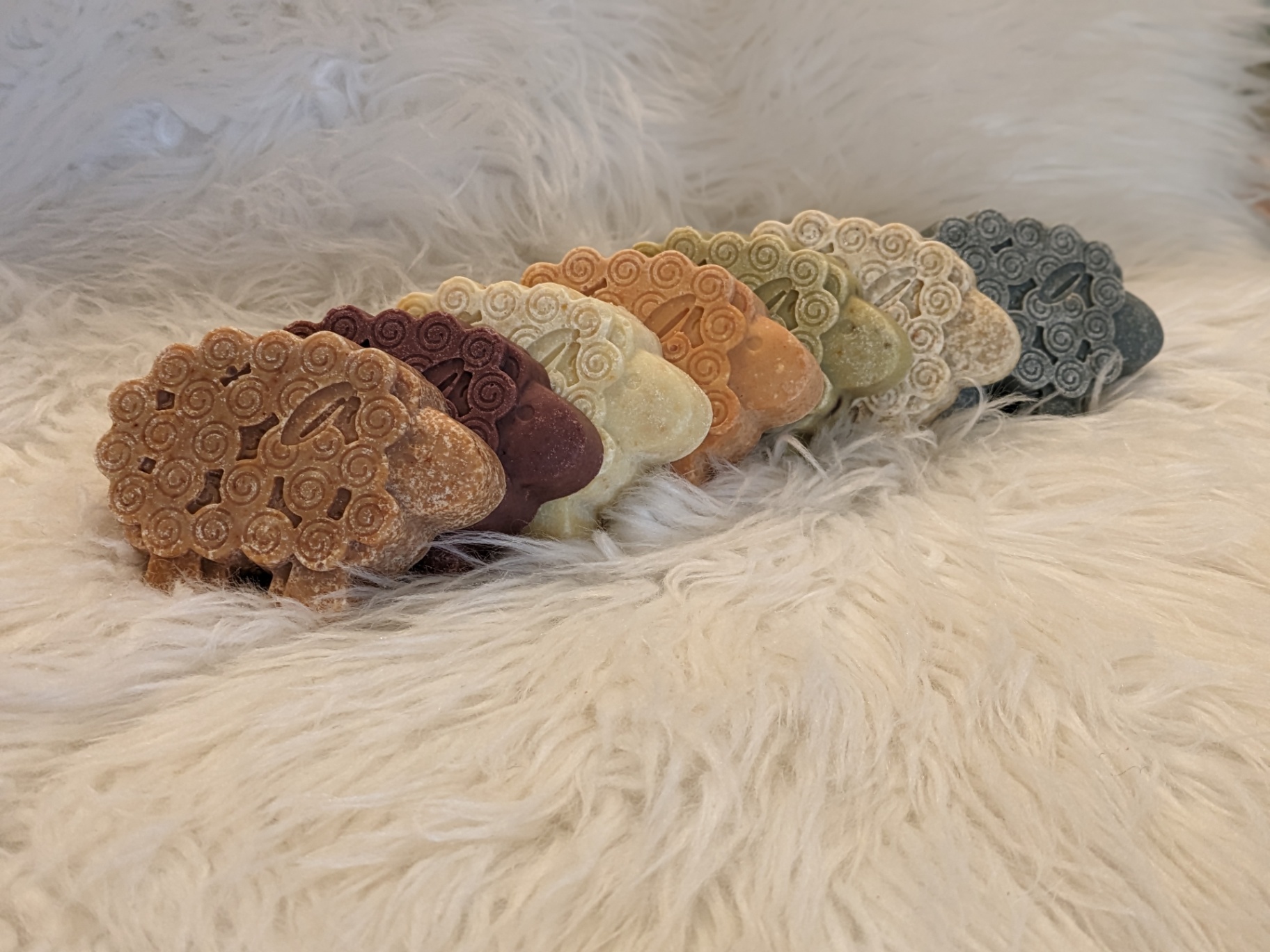
The key difference lies in ingredient quality and processing methods. While commercial soaps use petroleum-based detergents like sodium lauryl sulfate, handmade soaps rely on plant-based oils and natural additives. At Scalise Family Sheep Farm, for example, their soaps incorporate nutrient-rich sheep milk from their own Icelandic flock, providing additional proteins and vitamins that benefit skin health.
The Science Behind Skin Benefits
Moisture Retention and Barrier Function
Clinical studies demonstrate that gentle, pH-balanced cleansers maintain the skin's acid mantle: a protective film with a pH between 4.5-6.5 that guards against harmful bacteria and moisture loss.³ Commercial soaps often have pH levels between 9-12, disrupting this delicate balance and leading to dryness and irritation.
Handmade soaps typically maintain pH levels closer to your skin's natural range, supporting optimal barrier function. The retained glycerin acts as a humectant, drawing moisture from the environment to your skin's surface.⁴ This explains why users often report softer, more hydrated skin after switching to handmade alternatives.
Reduced Chemical Exposure
Research published in the Journal of Environmental Science and Health highlights concerns about long-term exposure to synthetic fragrances, parabens, and sulfates commonly found in commercial personal care products.⁵ These chemicals can cause contact dermatitis, hormonal disruption, and skin sensitization in susceptible individuals.
Handmade soaps eliminate these risks by using natural ingredients. Quality artisans like those at Scalise Family Sheep Farm avoid artificial additives entirely, instead relying on essential oils and botanical extracts for scenting and therapeutic properties.
Key Ingredients That Make a Difference
Nourishing Base Oils
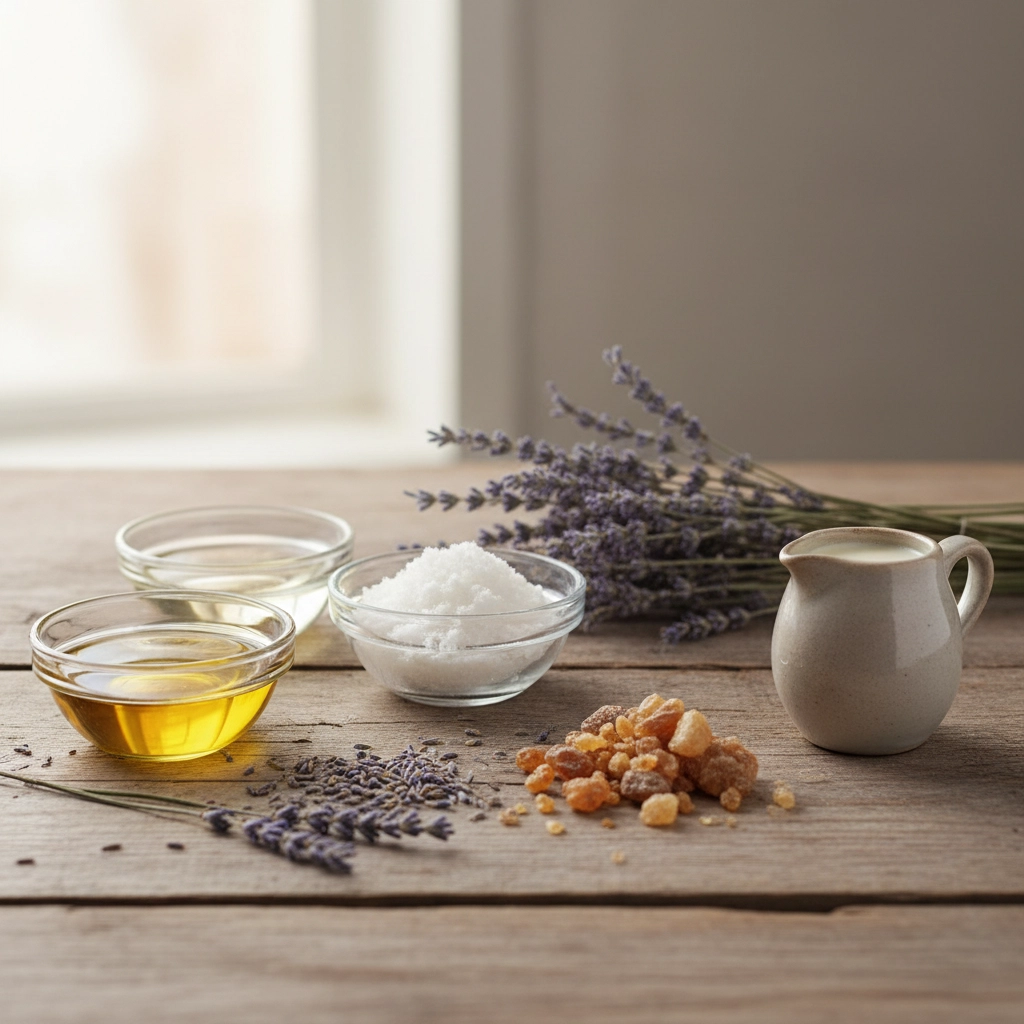
The foundation of quality handmade soap lies in its oil selection. Olive oil provides gentle cleansing with high levels of vitamin E and antioxidants that protect against environmental damage.⁶ Coconut oil creates a rich, bubbly lather while offering antimicrobial properties, though it should be balanced with moisturizing oils to prevent over-drying.
Sheep milk, a premium ingredient used in speciality soaps, contains higher concentrations of vitamins A, B, and E compared to cow's milk, along with beneficial alpha-hydroxy acids that gently exfoliate dead skin cells.⁷ This makes sheep milk soaps particularly effective for sensitive or aging skin.
Therapeutic Additives
Quality handmade soaps incorporate botanicals with proven skin benefits. Lavender contains linalool and linalyl acetate, compounds that reduce inflammation and promote healing.⁸ You can experience these benefits in products like the Lavender Sheep Milk Soap from Scalise Family Sheep Farm.
Frankincense offers anti-aging properties through its ability to promote cellular regeneration, making it ideal for mature skin types.⁹ The Frankincense Sheep Milk Soap combines these benefits with the nourishing properties of sheep milk for comprehensive skin care.
Natural Colorants and Exfoliants
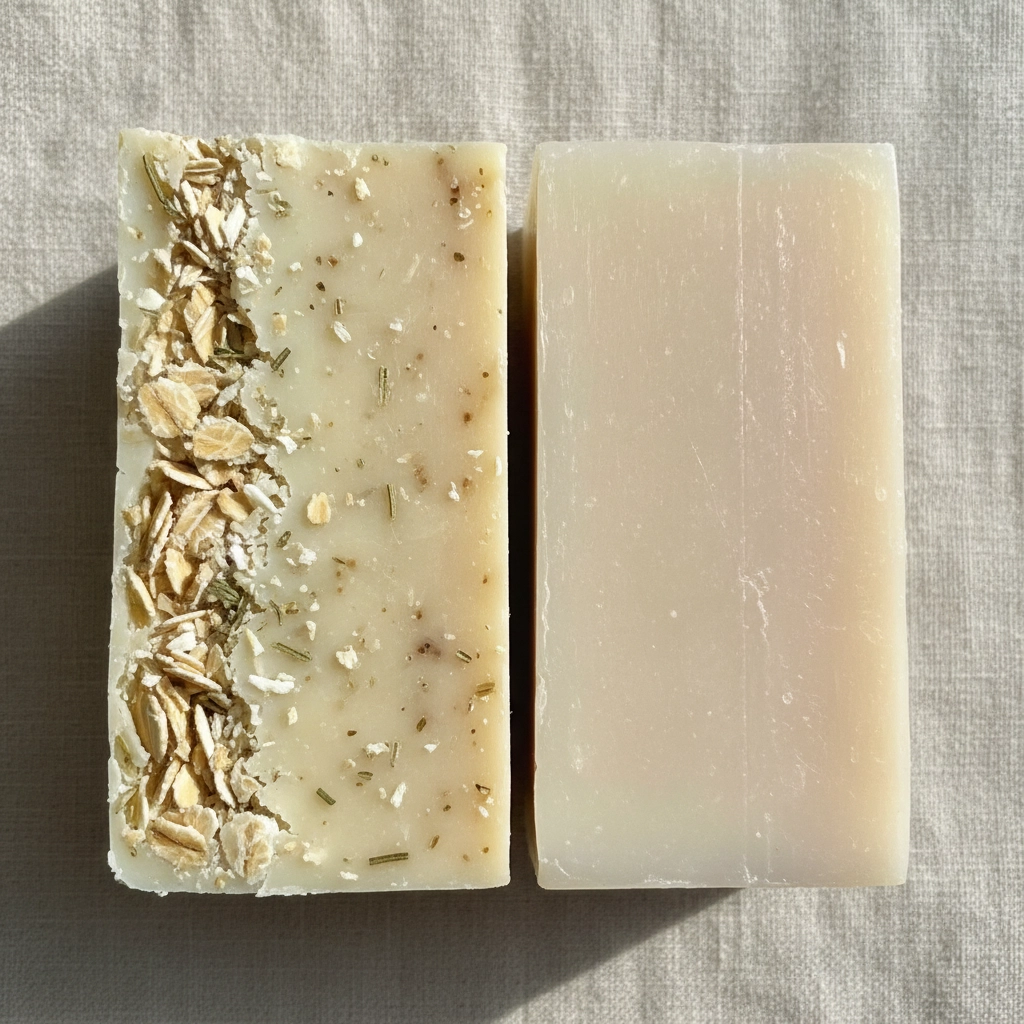
Reputable soap makers use mineral-based colorants like mica or plant-derived options such as annatto and spirulina. These provide visual appeal without the health risks associated with synthetic dyes.¹⁰ Some soaps incorporate gentle exfoliants like oatmeal or coffee grounds, though these should be used sparingly to avoid over-exfoliation.
Understanding Production Methods
Cold Process vs. Hot Process
Cold process soap making allows for maximum control over ingredients and results in bars with longer-lasting qualities. The slow saponification process preserves delicate compounds in essential oils and botanicals. Hot process methods speed up saponification but may reduce the potency of heat-sensitive ingredients.¹¹
Quality Control in Small-Batch Production
Artisan soap makers typically produce smaller batches, allowing for better quality control and fresher products. This contrasts with industrial production where soaps may sit in warehouses for months before reaching consumers, potentially degrading active ingredients.
What to Look for When Buying
Ingredient Transparency
Quality soap makers provide complete ingredient lists and explain their sourcing practices. Look for specific oil names rather than generic terms like "saponified oils." Reputable producers, such as Scalise Family Sheep Farm, often share information about their farming practices and ingredient origins.
Scenting Methods
Natural scenting through essential oils or botanical infusions indicates higher quality than synthetic fragrances. Some premium soaps use hydrosols (floral waters) or oil infusions that provide subtle, therapeutic aromatherapy benefits.¹²
Packaging and Storage
Handmade soaps should be properly cured (aged 4-6 weeks minimum) before sale to ensure mild, long-lasting bars. Look for soaps wrapped in breathable materials rather than plastic, which can trap moisture and promote bacterial growth.
Choosing the Right Soap for Your Skin Type
Sensitive Skin
For sensitive skin, choose soaps with minimal ingredients and avoid essential oils that commonly cause reactions (cinnamon, citrus, or mint). The Rose Sheep Milk Soap offers gentle cleansing with the soothing properties of rose, known for its anti-inflammatory effects.¹³
Dry Skin
Look for soaps high in moisturizing oils like shea butter, cocoa butter, or avocado oil. The natural glycerin content in handmade soaps helps, but additional moisturizing ingredients provide extra hydration. Consider pairing soap use with complementary products like the Lavender Skin Balm for enhanced moisture retention.
Oily or Acne-Prone Skin
Despite common misconceptions, oily skin benefits from gentle, moisturizing cleansers rather than harsh, drying products. Stripping natural oils triggers increased sebum production, worsening oiliness.¹⁴ Choose balanced formulations that cleanse without over-drying, such as peppermint-infused soaps that provide gentle antibacterial action.
Beyond Basic Cleansing
Modern handmade soap makers create specialized products that go beyond simple cleansing. Seasonal offerings like Pumpkin Spice Latte Soap incorporate skin-loving ingredients like pumpkin enzymes and moisturizing spices, while maintaining the core benefits of traditional soap making.

The investment in quality handmade soap pays dividends in improved skin health, reduced exposure to harmful chemicals, and support for sustainable, small-scale agriculture. When you choose artisan-made products, you're not just buying soap: you're investing in traditional craftsmanship, environmental responsibility, and your long-term skin wellness.
References
-
Draelos, Z. D. (2018). The science behind skin care: Cleansers. Journal of Cosmetic Dermatology, 17(1), 8-14.
-
Ananthapadmanabhan, K. P., et al. (2004). Cleansing without compromise: The impact of cleansers on the skin barrier. Dermatologic Therapy, 17(1), 16-25.
-
Schmid-Wendtner, M. H., & Korting, H. C. (2006). The pH of the skin surface and its impact on the barrier function. Skin Pharmacology and Physiology, 19(6), 296-302.
-
Fluhr, J. W., et al. (2008). Glycerol and the skin: Holistic approach to its origin and functions. British Journal of Dermatology, 159(1), 23-34.
-
Bridges, B. (2002). Fragrance: Emerging health and environmental concerns. Flavour and Fragrance Journal, 17(5), 361-371.
-
Budiyanto, A., et al. (2000). Protective effect of topically applied olive oil against photocarcinogenesis. Carcinogenesis, 21(11), 2085-2090.
-
Park, Y. W., et al. (2007). Physico-chemical characteristics of goat and sheep milk. Small Ruminant Research, 68(1-2), 88-113.
-
Enshaieh, S., et al. (2007). The efficacy of 5% topical tea tree oil gel in mild to moderate acne vulgaris. Indian Journal of Dermatology, Venereology, and Leprology, 73(1), 22-25.
-
Mikhaeil, B. R., et al. (2003). Diterpenes from Boswellia carterii. Phytochemistry, 64(6), 1187-1191.
-
Steinberg, D. C. (2006). Preservatives for cosmetics. Carol Stream, IL: Allured Publishing Corporation.
-
Cavalli, J. F., et al. (2013). Antimicrobial activity of Lavandula stoechas essential oil against MRSA and MSSA clinical isolates. Food Chemistry, 141(4), 4097-4101.
-
Hongratanaworakit, T. (2009). Simultaneous aromatherapy and massage with rosemary oil on humans. Scientia Pharmaceutica, 77(2), 375-387.
-
Boskabady, M. H., et al. (2011). Pharmacological effects of Rosa damascena. Iranian Journal of Basic Medical Sciences, 14(4), 295-307.
-
Garg, A., et al. (2013). Clinical efficacy and safety of a new anti-aging product in patients with mild to moderate acne. Journal of Clinical and Aesthetic Dermatology, 6(12), 24-29.


