

Walk into any ancient marketplace from Mesopotamia to Egypt, and you'd witness traders haggling over golden droplets of resin more precious than gold itself. That treasure was frankincense: and today, thousands of years later, science is proving our ancestors knew exactly what they were doing when they slathered this "liquid gold" on their skin.
At Scalise Family Sheep Farm, we've combined this ancient skincare powerhouse with the nourishing benefits of fresh Icelandic sheep milk to create products that honor both tradition and modern research. But what makes frankincense so special? And why does it work so beautifully alongside sheep milk? Let's dive into the fascinating science behind this timeless ingredient.
From Sacred Temples to Modern Labs: The Frankincense Story
Frankincense isn't just another essential oil: it's botanical royalty. Harvested from the resin of Boswellia trees in Somalia, Oman, and Ethiopia, this aromatic treasure has been revered for over 4,000 years. Cleopatra reportedly used frankincense in her daily beauty routine, and ancient Egyptian papyri describe it as essential for maintaining youthful, glowing skin.
But here's where it gets really interesting: modern science has validated what ancient civilizations discovered through millennia of use. The "magic" of frankincense lies in its unique chemical composition, particularly compounds called boswellic acids that deliver remarkable benefits for skin health.

The Science: Why Frankincense Actually Works
Boswellic Acids: Nature's Anti-Inflammatory Powerhouse
The star players in frankincense are boswellic acids: bioactive compounds that give this oil its impressive anti-inflammatory properties. Research published in the International Journal of Molecular Sciences shows that these acids work at the cellular level to calm inflammation and support skin healing processes [1,10].
What does this mean for your skin? Less redness, reduced irritation, and faster healing of minor wounds or blemishes. If you struggle with sensitive skin or conditions like eczema, frankincense's natural anti-inflammatory action can provide gentle, effective relief [2,5].
Cellular Regeneration: The Fountain of Youth Effect
One of frankincense's most impressive qualities is its cytophylactic properties: a fancy way of saying it stimulates the generation of new skin cells. In vitro work in human dermal fibroblasts and preclinical wound models report that frankincense essential oil and boswellic acids modulate genes involved in tissue remodeling and can accelerate wound repair [9,11].
This cellular renewal process is why frankincense has earned its reputation as an anti-aging superstar. By encouraging your skin to produce fresh, healthy cells more efficiently, it helps maintain that youthful glow we all want [3].
Collagen Support: Keeping Skin Firm and Elastic
Recent research has revealed that frankincense may support collagen production: the protein responsible for keeping skin firm, plump, and elastic. Preclinical wound-healing work shows frankincense oil can increase collagen synthesis, and clinical data with topical boswellic acids report improvements in elasticity and dermal echographic parameters [11,3].

The Complete Skin Benefits Package
Anti-Aging Excellence
Frankincense's astringent properties make it incredibly effective for mature skin. It helps tighten and tone, reducing the appearance of fine lines and wrinkles while promoting elasticity. The oil's ability to strengthen overall skin health creates a rejuvenating effect that's particularly noticeable on aging skin.
Antimicrobial Protection
Beyond its anti-inflammatory powers, frankincense contains limonene, a compound with potent antibacterial and antifungal abilities. This natural antimicrobial action helps prevent acne-causing bacteria from taking hold, making it an excellent ingredient for maintaining clear, healthy skin [4,12].
Antioxidant Defense
Rich in antioxidants, frankincense fights free radicals: those unstable molecules that cause premature aging and skin damage. By neutralizing these harmful compounds, frankincense helps maintain youthful, supple skin while protecting against environmental stressors [1,11].
Skin Tone and Texture Improvement
Studies have shown that frankincense can improve skin hydration, elasticity, and reduce redness [3,8]. Its astringent qualities help minimize the appearance of pores, scars, and blemishes while promoting an even skin tone.
The Perfect Partnership: Frankincense Meets Sheep Milk
Here at Scalise Family Sheep Farm, we've discovered that frankincense and sheep milk create an incredibly synergistic combination. While frankincense delivers its concentrated healing and anti-aging properties, sheep milk provides gentle, nourishing moisture rich in vitamins A, C, and E, plus natural alpha-hydroxy acids.
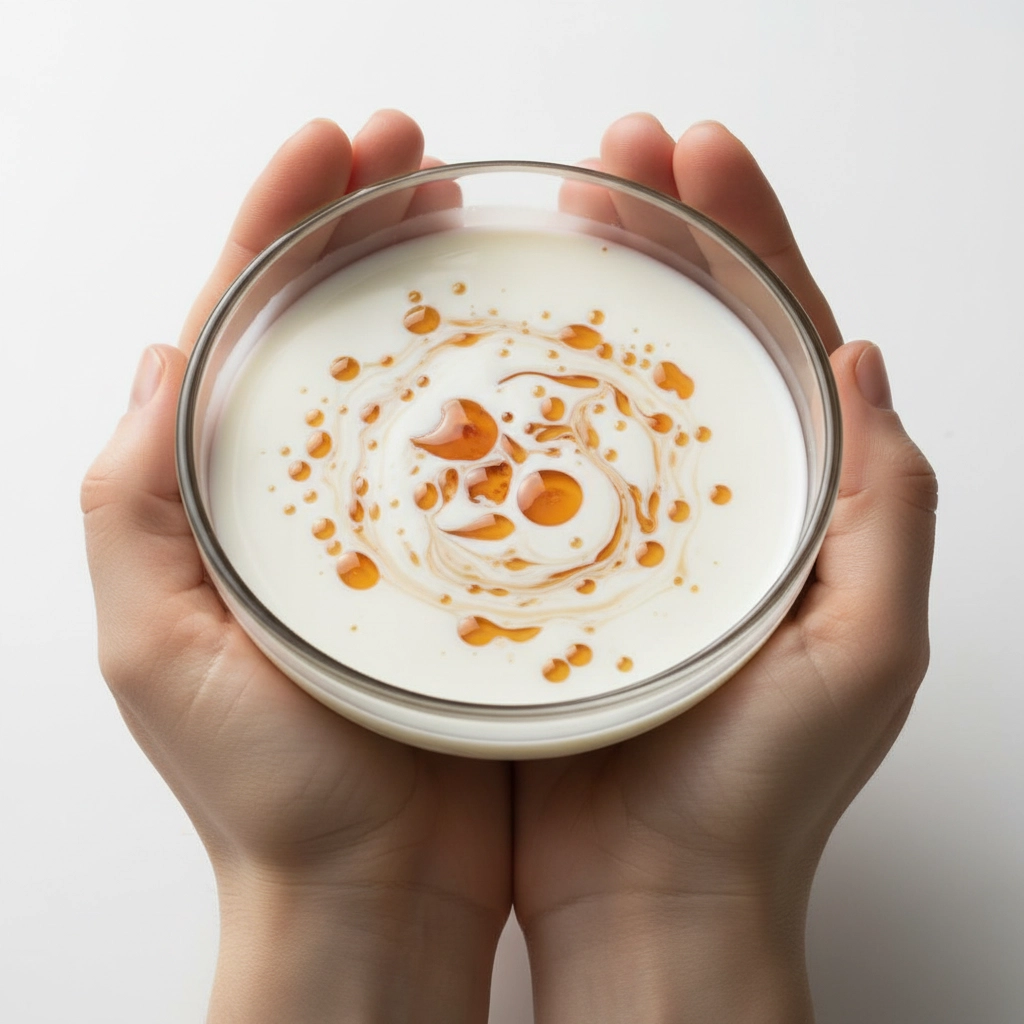
This partnership offers several unique advantages:
Enhanced Moisturization: Sheep milk's natural fats and proteins deeply hydrate skin while frankincense's healing compounds penetrate to repair and regenerate at the cellular level.
Gentle Exfoliation: The natural alpha-hydroxy acids in sheep milk provide mild exfoliation, removing dead skin cells and allowing frankincense's active compounds to absorb more effectively.
Anti-Inflammatory Synergy: Both ingredients possess anti-inflammatory properties, creating a powerful combination for soothing sensitive or irritated skin.
Antimicrobial Double-Team: While frankincense fights bacteria and fungi, sheep milk contains natural antimicrobial peptides, providing comprehensive protection for healthy skin.
Our Frankincense Products: Ancient Wisdom, Modern Craftsmanship
We've carefully formulated our frankincense products to maximize both the historical benefits and modern scientific understanding of this remarkable ingredient.
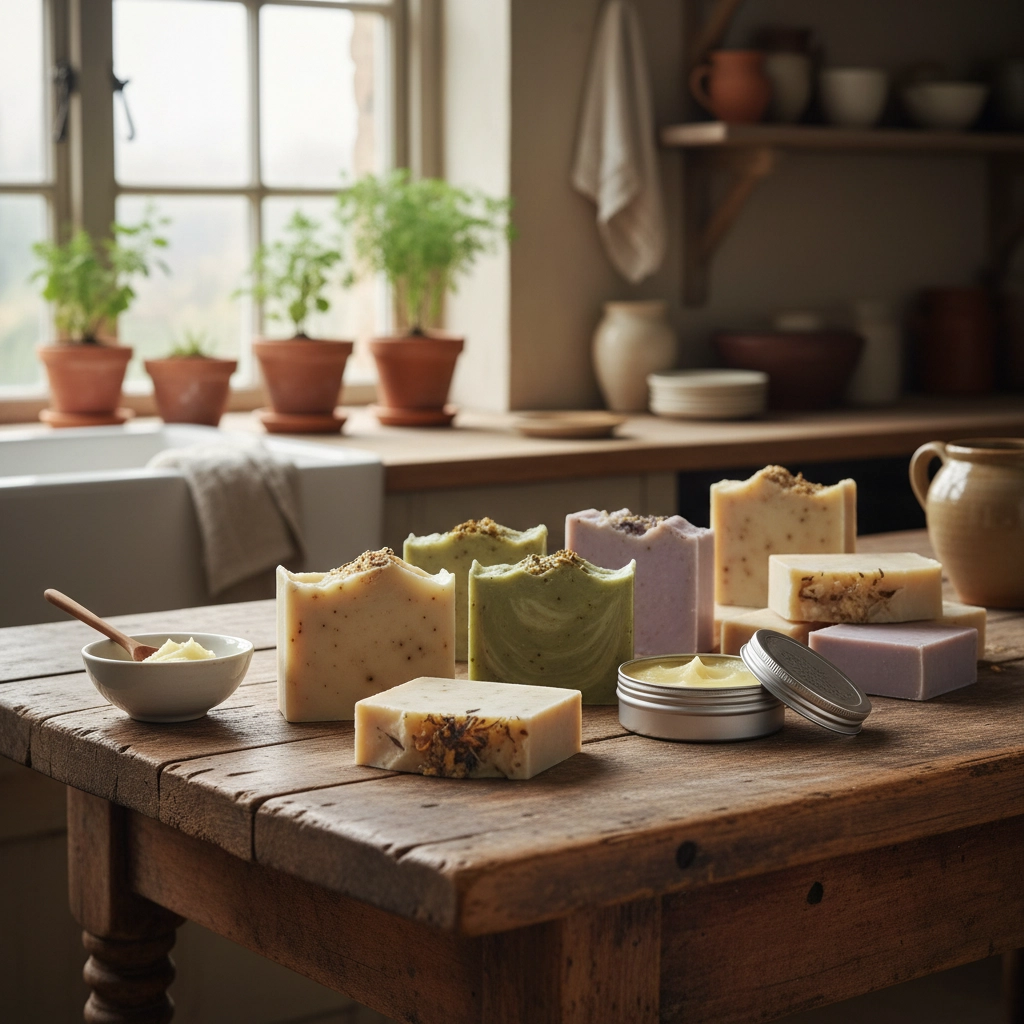
Our Frankincense Sheep Milk Soap combines the gentle cleansing power of fresh sheep milk with frankincense's healing properties. Perfect for daily use, this soap provides deep cleansing without stripping your skin's natural oils, while delivering frankincense's anti-aging and healing benefits.
For targeted treatment, our Frankincense Skin Balm offers concentrated nourishment. This rich, moisturizing balm is perfect for addressing specific skin concerns like fine lines, scars, or areas that need extra healing support.
The Ritual: More Than Just Skincare
There's something deeply satisfying about using frankincense in your daily routine. The warm, resinous scent connects you to thousands of years of human wisdom while providing scientifically-validated benefits. It transforms ordinary skincare into a mindful ritual that nourishes both body and spirit.
When you incorporate frankincense into your routine, you're not just applying skincare: you're participating in an ancient tradition of natural beauty and wellness that's been refined by modern research and enhanced with complementary natural ingredients.
The Bottom Line: Proven Benefits, Time-Tested Results
Frankincense represents the perfect intersection of ancient wisdom and modern science. Its boswellic acids provide clinically-validated anti-inflammatory benefits, its cytophylactic properties support cellular regeneration, and its antioxidant compounds fight the signs of aging.
When combined with nutrient-rich sheep milk, frankincense becomes even more powerful, creating products that honor both traditional knowledge and contemporary skincare science. Whether you're looking to address signs of aging, soothe sensitive skin, or simply maintain healthy, glowing skin, frankincense offers benefits that have stood the test of time: and laboratory testing.
The ancient world knew frankincense was precious for good reason. Today, we understand exactly why this remarkable resin deserves its place as the "king of oils" in natural skincare.
References:
- Roy NK, Parama D, Banik K, et al. An Update on Pharmacological Potential of Boswellic Acids against Chronic Diseases. International Journal of Molecular Sciences. 2019;20(17):4101. doi:10.3390/ijms20174101. URL: https://pmc.ncbi.nlm.nih.gov/articles/PMC6747466/
- Tsai Y-L, Chang H-H, Chou S-C, et al. Evaluation of the Anti-Atopic Dermatitis Effects of α-Boswellic Acid on TNF-α/IFN-γ-Stimulated HaCaT Cells and DNCB-Induced BALB/c Mice. International Journal of Molecular Sciences. 2022;23(17):9863. doi:10.3390/ijms23179863. URL: https://www.mdpi.com/1422-0067/23/17/9863
- Calzavara-Pinton P, Zane C, Facchinetti E, Capezzera R, Pedretti A. Topical Boswellic acids for treatment of photoaged skin. Dermatologic Therapy. 2010;23(1):S?–S?. doi:10.1111/j.1529-8019.2009.01284.x. URLs: https://pubmed.ncbi.nlm.nih.gov/20136919/ and https://onlinelibrary.wiley.com/doi/10.1111/j.1529-8019.2009.01284.x
- Di Stefano V, Pitonzo R, Novara ME, et al. In Vitro Antimicrobial Activity of Frankincense Oils from Boswellia sacra Grown in Different Locations of the Dhofar Region (Oman). Antibiotics (Basel). 2020;9(4):195. doi:10.3390/antibiotics9040195. URL: https://pmc.ncbi.nlm.nih.gov/articles/PMC7235874/
- Togni S, Maramaldi G, Di Pierro F, Biondi M. A cosmeceutical formulation based on boswellic acids for the treatment of erythematous eczema and psoriasis. Clinical, Cosmetic and Investigational Dermatology. 2014;7:321–327. doi:10.2147/CCID.S61409. URL: https://www.ncbi.nlm.nih.gov/pmc/articles/PMC4235203/
- Nadeem A, Ahmad SF, Al-Harbi NO, et al. Acetyl-11-keto-β-boswellic acid inhibits the secretion of cytokines by dendritic cells in an imiquimod-induced psoriasis-like mouse model. Life Sciences. 2018;207:532–542. doi:10.1016/j.lfs.2018.08.025.
- Bonucci M, Fioranelli M, Roccia MG, Di Nardo V, Aracena Carolina J, Lotti T. Use of Boswellia-based cream for prevention of adjuvant radiotherapy skin damage in mammary carcinoma. Dermatologic Therapy. 2016;29(6):e?–e?. doi:10.1111/dth.12351. URL: https://onlinelibrary.wiley.com/doi/10.1111/dth.12351
- Clinical evaluation of safety and efficacy of Boswellia-based cream for prevention and relief of radiation-induced skin damage in breast cancer patients: a randomized, placebo-controlled trial. European Review for Medical and Pharmacological Sciences. 2015;19:1338–1344. PubMed: 25967706. URL: https://pubmed.ncbi.nlm.nih.gov/25967706/
- Chen Y, Chuang S, et al. Biological activities of frankincense essential oil in human dermal fibroblasts. Biochim Open. 2017;?;?:?–?. URL: https://pmc.ncbi.nlm.nih.gov/articles/PMC5801908/
- Alhakamy NA, et al. Effect of a Selection of Skin Penetration Enhancers on Topical Anti-Inflammatory Effects of Boswellic Acids. International Journal of Molecular Sciences. 2021;22(15):?–?. doi:10.3390/ijms22158363. URL: https://pmc.ncbi.nlm.nih.gov/articles/PMC8378444/
- Protective Effects of Frankincense Oil on Wound Healing. Journal of Traditional and Complementary Medicine. 2025;?:?–?. URL: https://pmc.ncbi.nlm.nih.gov/articles/PMC11945088/
- Al-Saif F, Abdelkhalek A, et al. In-Vitro and In-Vivo Antibacterial Effects of Frankincense Oil and Its Interaction with Some Antibiotics against Multidrug-Resistant Pathogens. Antibiotics (Basel). 2022;11(11):1526. doi:10.3390/antibiotics11111526. URL: https://pmc.ncbi.nlm.nih.gov/articles/PMC9686721/


