

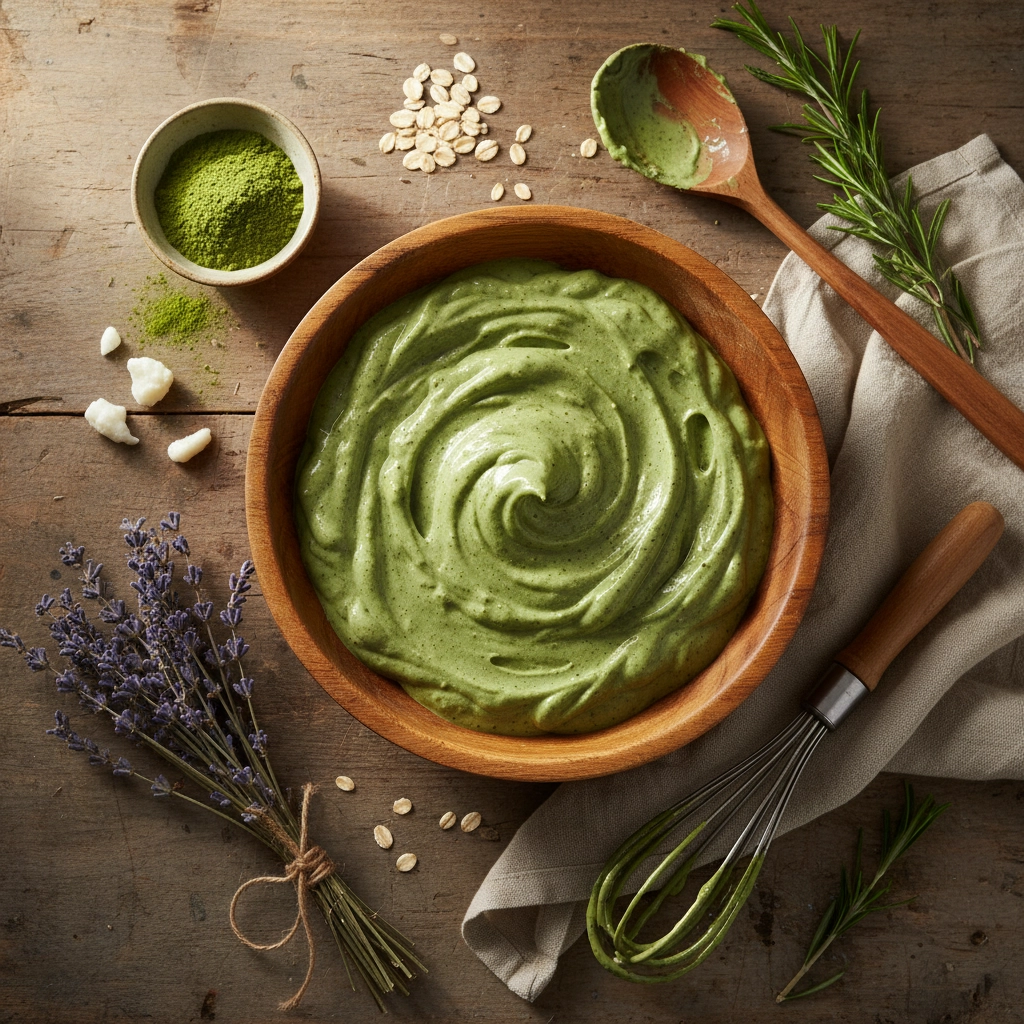
Who knew your favorite coffee shop drink could inspire a skincare revolution? Our Matcha Latte Soap combines the antioxidant powerhouse of premium matcha green tea with the gentle, nourishing properties of sheep milk to create a luxurious bar that does way more than just cleanse your skin.
If you've been searching for a soap that actually improves your skin while you wash, you're in for a treat. This isn't just another pretty bar: it's packed with scientifically-backed ingredients that work together to address everything from acne to aging.
The Matcha Miracle: Why Green Tea Antioxidants Are Game-Changers
Let's talk numbers for a second. Matcha contains five times more antioxidants than other high-antioxidant foods like blueberries and spinach [1,2]. That's not just impressive: it's skincare gold. These antioxidants, specifically polyphenols, are like tiny warriors fighting against free radicals that damage your skin and speed up aging.
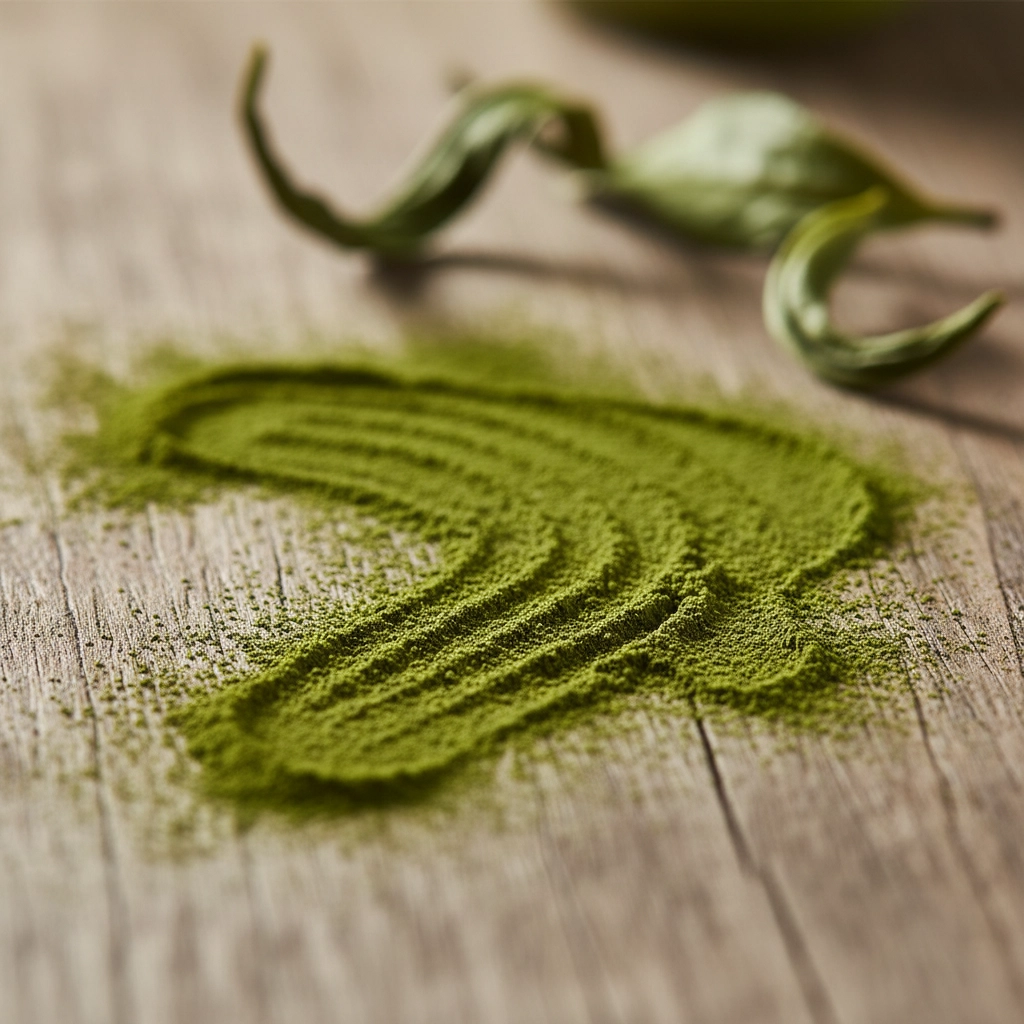
But here's where it gets really interesting. The polyphenols in matcha don't just sit there looking pretty: they actively fight bacteria, tighten pores, and help your skin retain moisture [3-6]. This triple-threat action makes matcha soap particularly effective for anyone dealing with enlarged pores or skin that feels tight after washing.
The anti-inflammatory and antimicrobial properties of these polyphenols are especially beneficial for acne-prone skin [3-5]. Unlike harsh chemical treatments that can strip your skin, matcha works gently to reduce inflammation while preventing new breakouts from forming. The tannins in matcha also help reduce sebum production, which means less oily skin and fewer clogged pores [4,5].
And if you're worried about sun damage (which you should be), matcha's got your back. The antioxidant content may provide some protection against UV radiation, helping prevent sun damage and reducing the risk of skin cancer [7-9].
Sheep Milk: The Gentle Giant of Natural Skincare
Now, let's talk about the unsung hero in this combo: sheep milk. While everyone's obsessing over goat milk (no shade there), sheep milk brings some unique benefits to the skincare table.
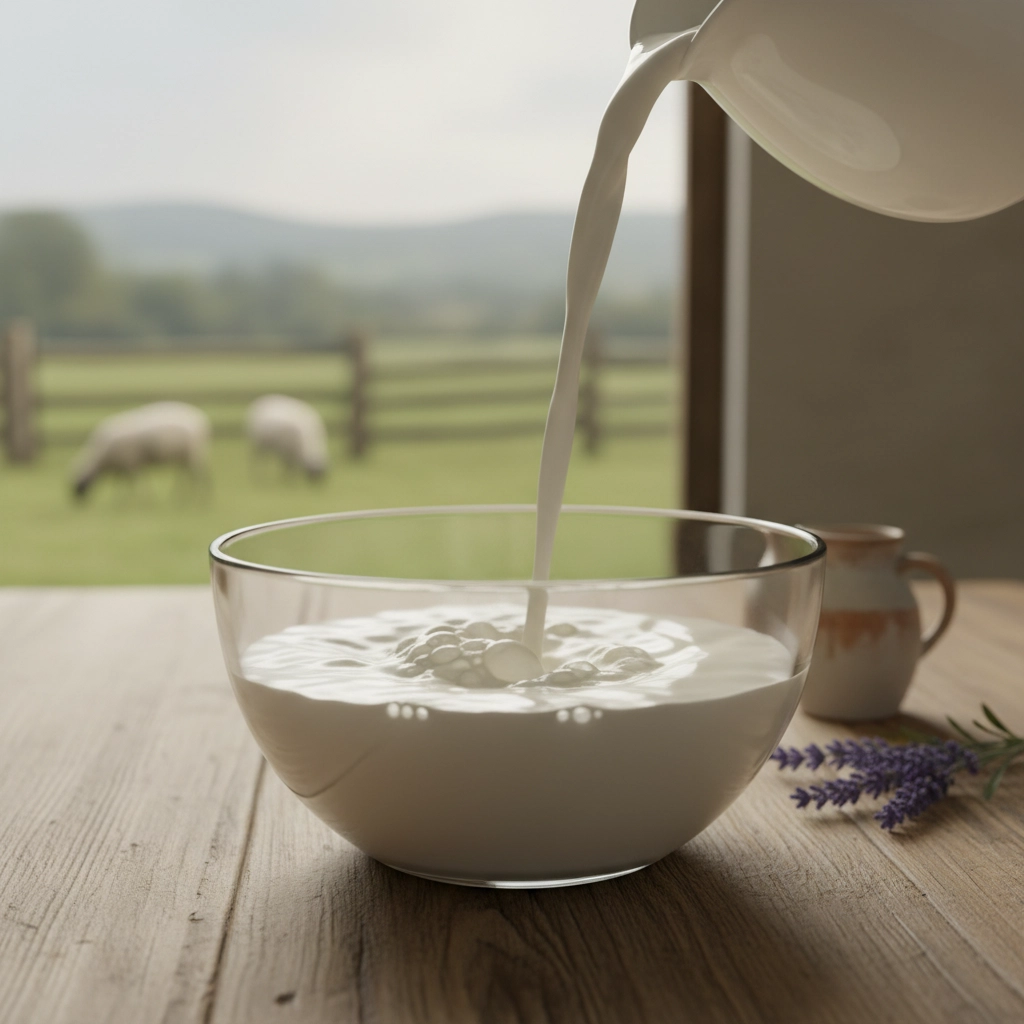
The star player here is lactic acid, a natural alpha-hydroxy acid that provides gentle exfoliation [11,12]. Unlike synthetic AHAs that can leave your skin red and irritated, the lactic acid in sheep milk works slowly and gently to:
- Brighten dull skin by removing dead cells
- Reduce the appearance of fine lines
- Fade dark spots and hyperpigmentation
- Improve overall skin texture
The vitamins naturally present in sheep milk work synergistically with matcha's antioxidants to restore skin balance and provide deep nourishment. It's like having a mini facial every time you wash your face.
The Perfect Partnership: How Matcha and Sheep Milk Work Together
Here's where the magic happens. When you combine matcha's powerful antioxidants with sheep milk's gentle nourishing properties, you get a soap that addresses multiple skin concerns without overwhelming your skin.
For Acne-Prone Skin: The anti-inflammatory properties of matcha help reduce redness and swelling from breakouts, while the antibacterial action prevents new blemishes from forming [3,6]. The gentle exfoliation from sheep milk's lactic acid keeps pores clear without over-drying.
For Aging Concerns: Matcha's antioxidants combat the free radicals that cause premature aging, while sheep milk's natural acids help minimize the appearance of fine lines and improve skin elasticity [8,9,12].
For Uneven Skin Tone: The polyphenols in green tea help lighten dark spots and even out skin tone, giving you that healthy glow [9,11]. Combined with the brightening effects of lactic acid, you're looking at a comprehensive approach to luminous skin.
For Oily Skin: Matcha excels at controlling excess oil by unclogging pores and removing sebum buildup [3-5]. The polyphenol antioxidants also work to tighten pores, creating a more refined skin texture [4,5].
For Sensitive Skin: Despite all these active benefits, both matcha and sheep milk are incredibly gentle. The soap produces a creamy, luxurious lather that cleanses without stripping your skin's natural moisture barrier [8]. The natural oils and glycerin content leave your skin smooth and moisturized after use [8].
Beyond Basic Cleansing: The Daily Ritual That Transforms
Using matcha latte soap isn't just about getting clean: it's about creating a daily ritual that actively improves your skin. Each time you lather up, you're:
- Delivering a concentrated dose of antioxidants to fight environmental damage
- Gently exfoliating to reveal brighter, smoother skin
- Balancing oil production for a healthy complexion
- Nourishing your skin with natural vitamins and minerals
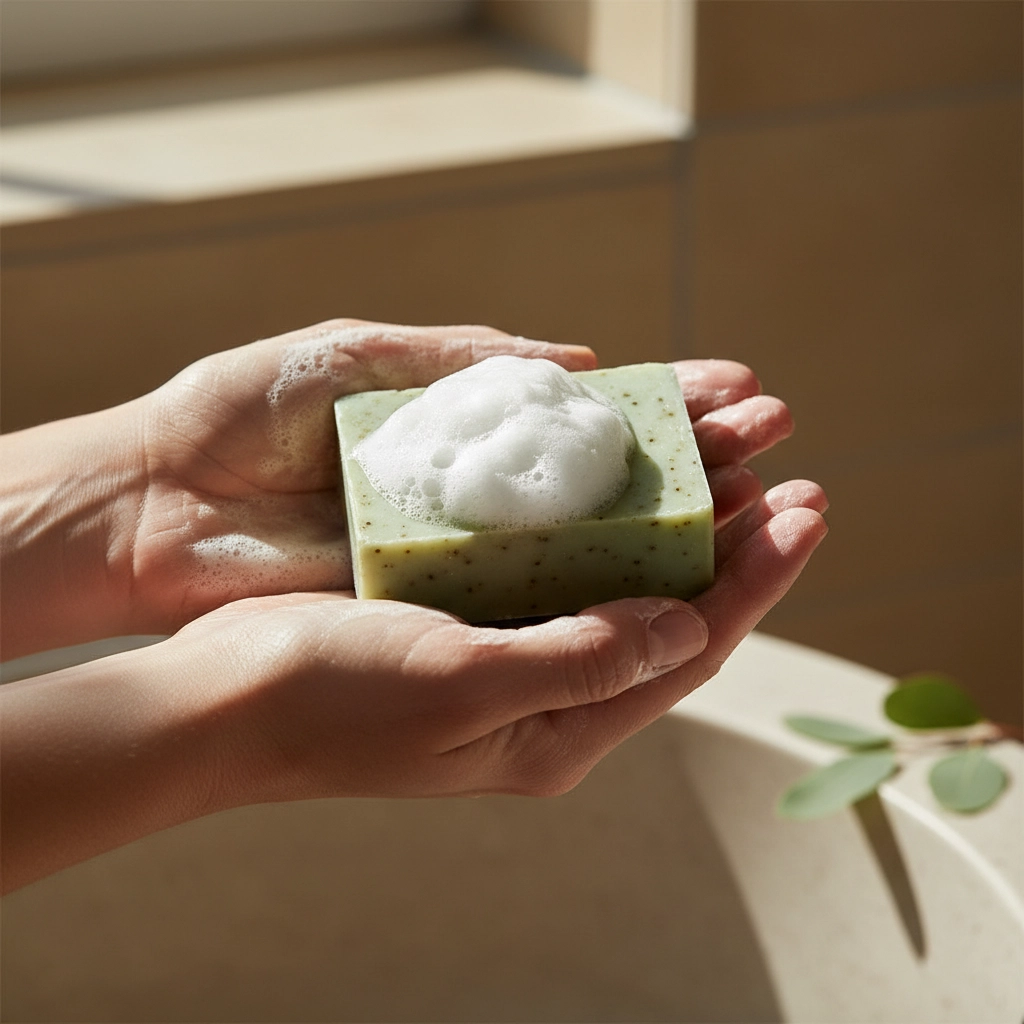
The best part? You don't need to change your entire routine. Simply swap out your regular soap for our Matcha Latte Soap and let the power combination of matcha and sheep milk work its magic.
The Science Behind the Suds
Research consistently shows that topical application of green tea compounds can significantly improve various skin conditions. The polyphenols in matcha have been studied for their ability to:
- Reduce inflammation in conditions like eczema and psoriasis [8]
- Protect against UV-induced skin damage [7,8]
- Improve skin elasticity and reduce signs of aging [9,10,12]
- Control acne by reducing bacterial growth [3,6]
Meanwhile, lactic acid (found naturally in sheep milk) is recognized as one of the gentlest and most effective alpha-hydroxy acids for improving skin texture and tone [11,12].
Making the Switch: What to Expect
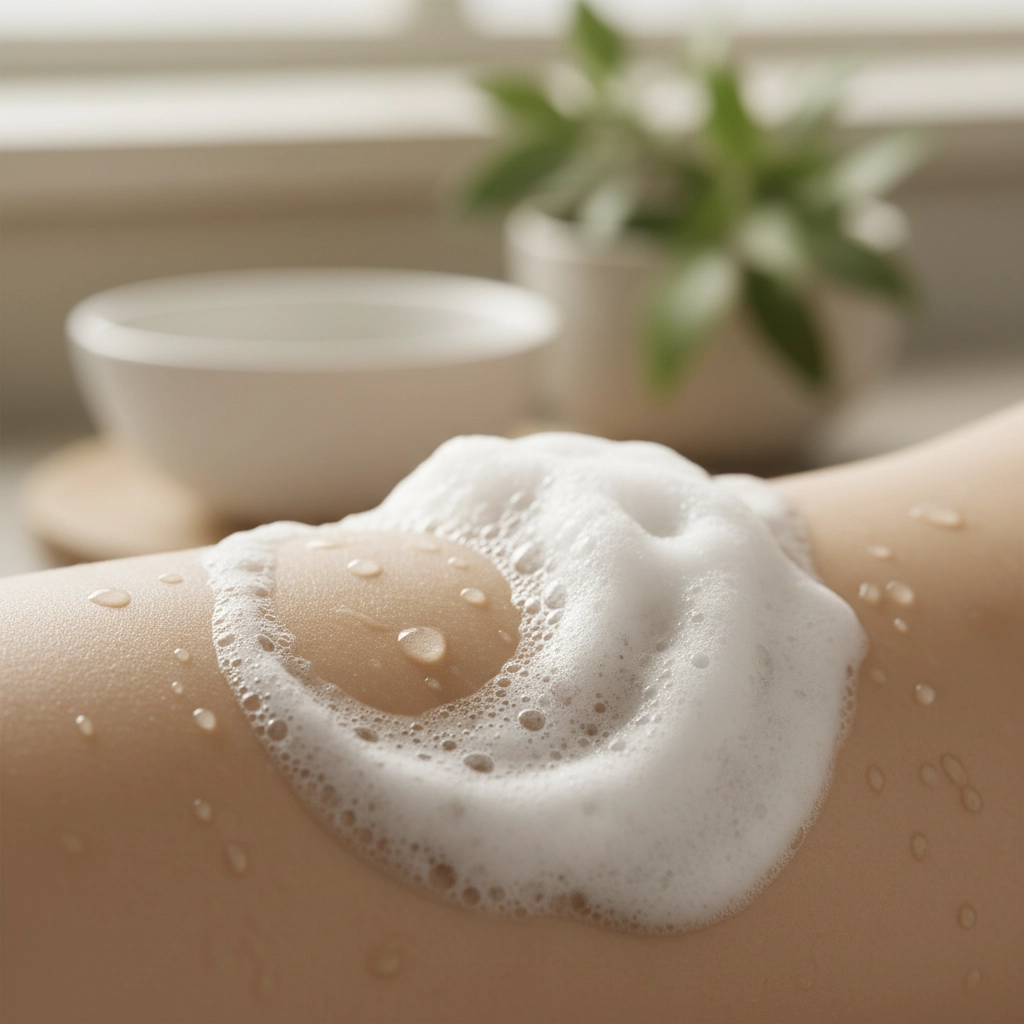
If you're used to commercial soaps that leave your skin feeling tight and dry, prepare to be amazed. The first thing you'll notice is the creamy, rich lather that feels luxurious against your skin. Unlike harsh detergents, this soap cleanses without stripping away your skin's natural oils.
Within a few weeks of regular use, many people notice:
- Smoother, more refined skin texture
- Fewer breakouts and less irritation
- Brighter, more even skin tone
- Improved hydration without greasiness
The gentle nature of both matcha and sheep milk means you can use this soap daily without worrying about over-exfoliation or irritation. It's suitable for all skin types, from sensitive to oily to mature skin [3,11].
Our handcrafted Matcha Latte Soap represents more than just a cleansing bar: it's a fusion of ancient skincare wisdom and modern understanding of beneficial ingredients. Each bar is carefully crafted here on our family farm, ensuring you get the highest quality ingredients in their most potent form.
Ready to transform your daily cleansing routine? Try our Matcha Latte Soap and experience the difference that quality ingredients and careful craftsmanship can make for your skin.
References:
- Maciejewska-Markiewicz D, et al. Exploring the Influence of Origin, Harvest Time, and Cultivation Method on Antioxidant Capacity and Bioactive Compounds of Matcha Teas. Foods. 2024;13(8):1270. https://www.mdpi.com/2304-8158/13/8/1270
- Meyer BR, Niemeyer ED. Catechin Composition, Phenolic Content, and Antioxidant Properties of Commercially-Available Bagged, Gunpowder, and Matcha Green Teas. Plant Foods Hum Nutr. 2023. PubMed: https://pubmed.ncbi.nlm.nih.gov/37923855/
- Elsaie ML, et al. The efficacy of topical 2% green tea lotion in mild-to-moderate acne vulgaris. J Drugs Dermatol. 2009;8(4):358-364. PubMed: https://pubmed.ncbi.nlm.nih.gov/19363854/
- Detudom P, et al. Efficacy of anti-sebum moisturizing cream containing 2% L-carnitine and 5% epigallocatechin gallate in seborrhea: A randomized clinical trial. J Cosmet Dermatol. 2023. https://onlinelibrary.wiley.com/doi/10.1111/jocd.15816
- A comparison of the effects of topical green tea and lotus on facial sebum control in healthy humans. 2013. PMC: https://pmc.ncbi.nlm.nih.gov/articles/PMC3738281/
- Antimicrobial Activity of Pomegranate and Green Tea Extract on Propionibacterium acnes, P. granulosum, Staphylococcus aureus and S. epidermidis. J Drugs Dermatol. 2005. https://jddonline.com/articles/antimicrobial-activity-of-pomegranate-and-green-tea-extract-on-empropionibacterium-acnes-propionibac-S1545961615P0574X
- Kapoor MP, et al. Green Tea Catechin Association with Ultraviolet Radiation-Induced Erythema: A Systematic Review and Meta-Analysis. Molecules. 2021;26(12):3702. https://www.mdpi.com/1420-3049/26/12/3702
- Katiyar SK. Protective Mechanisms of Green Tea Polyphenols in Skin. Oxid Med Cell Longev. 2012;2012:560682. PMC: https://pmc.ncbi.nlm.nih.gov/articles/PMC3390139/
- Chiu AE, et al. Double-blinded, placebo-controlled trial of green tea extracts in the clinical and histologic appearance of photoaging skin. Dermatol Surg. 2005;31(7 Pt 2). PubMed: https://pubmed.ncbi.nlm.nih.gov/16029678/
- Jagdeo J, et al. Novel Vitamin C and E and Green Tea Polyphenols Combination Serum Improves Photoaged Facial Skin. J Drugs Dermatol. 2021;20(9):996-1002. PubMed: https://pubmed.ncbi.nlm.nih.gov/34491027/
- Stiller MJ, et al. Topical 8% glycolic acid and 8% L-lactic acid creams for the treatment of photodamaged skin: a double-blind, vehicle-controlled clinical trial. Arch Dermatol. 1996;132(6):631-636. https://archderm.jamanetwork.com/article.aspx?doi=10.1001/archderm.1996.03890300047009
- Ditre CM, et al. Effects of alpha-hydroxy acids on photoaged skin: A pilot clinical, histologic, and ultrastructural study. J Am Acad Dermatol. 1996;34(2 Pt 1):187-195. https://www.jaad.org/article/S0190-9622(96)80110-1/pdf


