

If your skin feels tight, dry, or “squeaky clean” after washing, that sensation may be telling you something important: your cleansing routine could be stressing the skin barrier.
Tightness does not necessarily mean that your skin is exceptionally clean. It may reflect temporary changes in the outermost layer of skin, including increased transepidermal water loss (TEWL), removal of surface lipids, depletion of natural moisturizing factors, changes in pH, or irritation from friction and surfactants.
The good news is that small changes: such as using lukewarm water, shortening wash time, reducing scrubbing, and moisturizing promptly: may make cleansing more comfortable. Here are five common mistakes and evidence-informed swaps.
Why does skin feel tight after washing?
The outermost layer of skin is called the stratum corneum. It consists largely of flattened cells called corneocytes surrounded by organized lipids, including ceramides, cholesterol, and fatty acids. This structure helps limit water loss and protects the living layers beneath it.
Within corneocytes are natural moisturizing factors (NMFs): water-binding substances such as amino acids, urea, and related compounds. NMFs help the stratum corneum remain flexible and hydrated, while intercellular lipids help form the barrier that slows water escape. Together, these systems influence skin hydration, texture, and permeability.[1][2]
Cleansing can temporarily disturb this balance. Surfactants are designed to lift oils, sweat, soil, and other substances from the skin. However, depending on their chemistry and concentration, they may also interact with skin proteins and lipids. When the barrier is disturbed, TEWL can increase, allowing water to escape more readily from the outer skin layers.[3]
Water exposure adds another variable. Skin absorbs water during washing and temporarily swells. After washing, it begins to dry again. If protective lipids or NMFs have been removed, the skin may lose water more rapidly and feel less flexible as it dries. That change in surface hydration and mechanical behavior can be perceived as tightness.
Skin pH also matters. Healthy skin is generally mildly acidic at the surface, although the exact value varies by body site and individual. Traditional soaps are often alkaline, while many syndet or synthetic-detergent cleansers can be formulated closer to the skin’s natural pH. Research reviews associate higher-pH cleansing with changes in stratum-corneum swelling, lipid organization, and barrier function.[3][4]
Mistake #1: Choosing a cleanser that is too detergent-heavy
Some cleansers remove oil very aggressively. This can be useful for particular cleaning needs, but frequent exposure to strong surfactants may leave skin dry, irritated, or tight.
Sodium dodecyl sulfate (SDS), also called sodium lauryl sulfate in some contexts, is commonly used as a model irritant in skin-barrier research. In a small human study, repeated exposure to SDS increased TEWL and decreased skin hydration. Measurements also showed lower NMF and urea levels in the outermost skin layer compared with several lecithin-based surfactants.[5]
A separate study examining detergent exposure found that TEWL increased after exposure and that several categories of skin-surface lipids: including ceramides, fatty acids, cholesterol-related lipids, and glycerophospholipids: decreased in relative abundance.[6] These findings help explain why repeated use of a harsh cleanser can produce more than a brief “dry feeling.”
Gentler swap
Look for a cleanser that is appropriate for your skin type and intended use. For dry or sensitive skin, many dermatology sources recommend considering fragrance-free, mild, or soap-free formulations. Avoid assuming that the highest-foaming product is the most effective or healthiest.
Formulation matters more than a single marketing term. “Natural” does not automatically mean gentle, and “synthetic” does not automatically mean harsh. Ingredient concentration, surfactant type, pH, fragrance, contact time, and your individual tolerance all matter.
Mistake #2: Washing with very hot water or for too long
Hot water can increase dryness and irritation, particularly when combined with cleanser. Longer water exposure may also increase barrier stress.
A controlled study of water exposure and temperature changes found that hot-water exposure increased TEWL and affected other skin-barrier measurements. The authors concluded that prolonged water exposure can impair barrier function and that hot water may be more damaging than cooler water.[7] Earlier research also found that irritation from surfactant solutions increased as solution temperature increased.[8]
The issue is not that water is inherently harmful. Rather, temperature and duration can influence how much stress the skin experiences. Long, hot showers may also increase the effectiveness of cleansers at removing oils: both the unwanted oils being washed away and some of the skin’s protective surface lipids.
Gentler swap
Use lukewarm rather than hot water. Keep showers and baths reasonably brief, especially if your skin is already dry or irritated. For handwashing, use comfortable warm or lukewarm water instead of the hottest temperature available.
A study of common washing and drying practices found that TEWL increased after each type of wash and increased further after repeated washing. Soap produced greater pH changes and more erythema in some comparisons.[9]
Mistake #3: Scrubbing too hard
Washcloths, exfoliating gloves, brushes, and rough towels can add mechanical stress to the skin. Scrubbing may temporarily make the skin feel smoother, but aggressive friction can disturb the stratum corneum and worsen irritation.
The washing-and-drying study cited above examined towel rubbing and patting as well as soap and water. Although the authors did not find a clear advantage for patting in every measured outcome, their findings support a broader point: washing and drying technique can affect barrier measurements, and repeated exposure may have cumulative effects.[9]
Gentler swap
Use your hands or a soft cloth, apply cleanser with light pressure, and rinse thoroughly. After washing, gently blot or lightly pat rather than rubbing vigorously. If a product contains visible exfoliating particles or if your skin stings during use, reduce frequency or stop using it.
Mistake #4: Washing too frequently
Cleansing frequency should match the body site, activity level, climate, medical needs, and individual skin type. Washing after sweating, working with dirt, or handling substances that need removal is appropriate. However, repeatedly washing already-clean skin with a strong cleanser can create a cycle of lipid removal, drying, irritation, and further cleansing.
Repeated washing was associated with progressively higher TEWL in the controlled forearm study of washing and drying methods.[9] Other research has found that different cleanser formulations produce different degrees of barrier disruption. In a clinical comparison of four soap formulations, traditional alkaline soap caused a more prolonged increase in TEWL than several other tested formulations.[10]
This does not mean everyone should avoid washing. Hygiene remains important. The goal is to avoid unnecessary cleansing intensity.
Gentler swap
Clean the areas that actually need cleaning, and avoid automatically applying a strong cleanser to every part of the body at every wash. If your face feels tight after morning and evening cleansing, consider whether both washes require the same product and technique. If you work outdoors, exercise, or have occupational exposure, your needs may be different.
Mistake #5: Skipping moisturizer after cleansing
Cleansing is only one part of a skin-care routine. If you wash and then leave the skin to dry completely without applying an appropriate moisturizer, the surface may continue losing water.
Moisturizers can contain different types of ingredients:
- Humectants, such as glycerin or urea, help attract and hold water.
- Emollients help smooth gaps between rough corneocytes.
- Occlusives help reduce water evaporation from the skin surface.
- Some products also contain physiological lipids, such as ceramides, to support the barrier.
Research on cleanser technology suggests that moisturizing cleansers may reduce some of the effects associated with surfactant exposure by depositing or delivering humectants, lipids, or occlusive ingredients during washing.[3] Dermatology guidance commonly recommends applying a fragrance-free cream or ointment soon after bathing, while skin is still slightly damp.[11]
Gentler swap
After washing, gently remove excess water and apply a moisturizer within a few minutes. Choose a product that feels comfortable and does not sting. If your skin is sensitive, introduce one new product at a time so you can identify a possible irritant.
What about handmade natural soap?
Handmade soap can be a thoughtful choice for people who appreciate small-batch craftsmanship and straightforward ingredients. However, “handmade” and “natural” are not guarantees of universal gentleness.
True soap is made from fatty-acid salts and is commonly alkaline. The effect on skin depends on the complete formulation, the soap’s pH, fragrance ingredients, superfatting and processing choices, how often it is used, and the individual’s skin condition. Research comparing soap and syndet products shows that cleanser category and formulation can influence TEWL, erythema, pH, and other barrier measurements.[4][10]
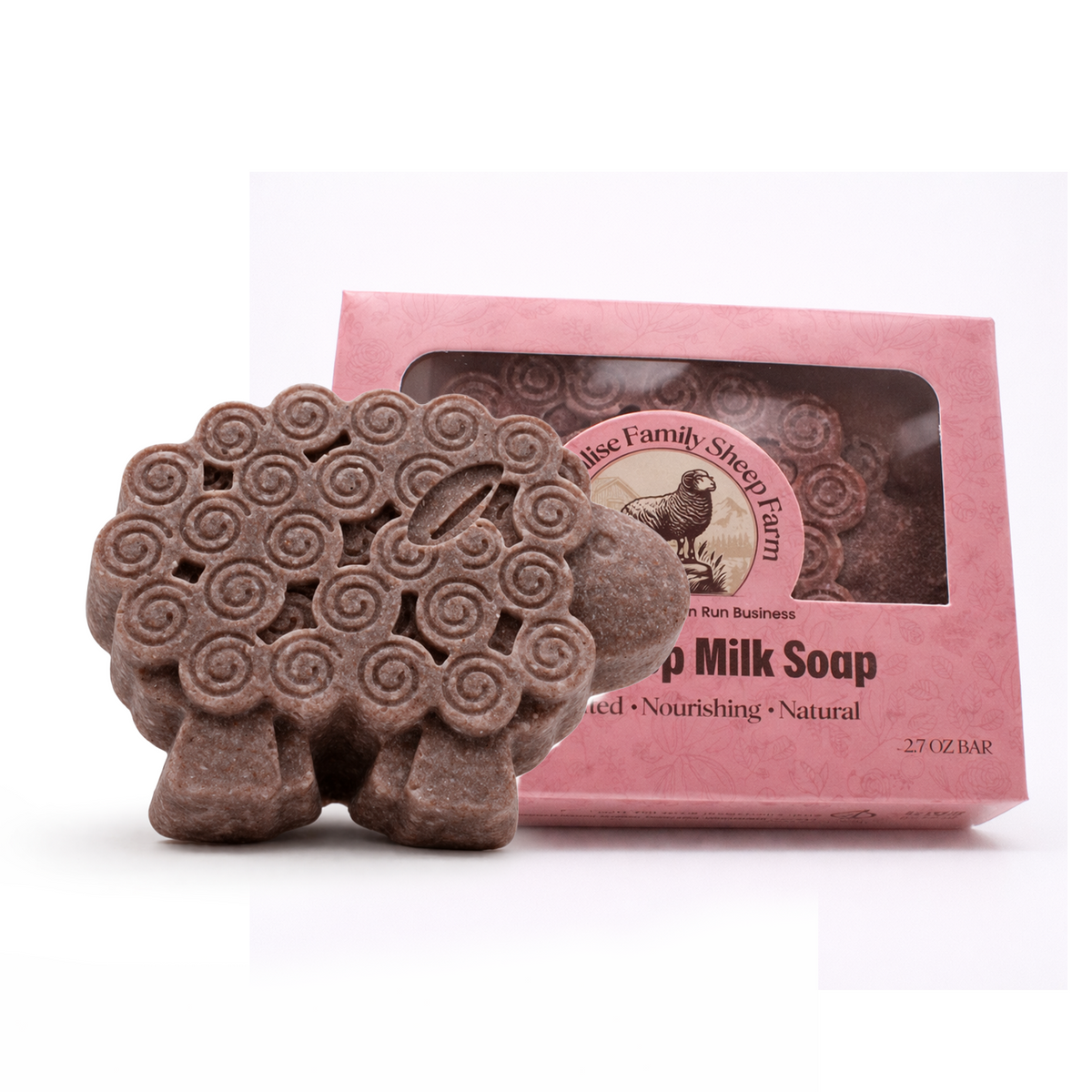
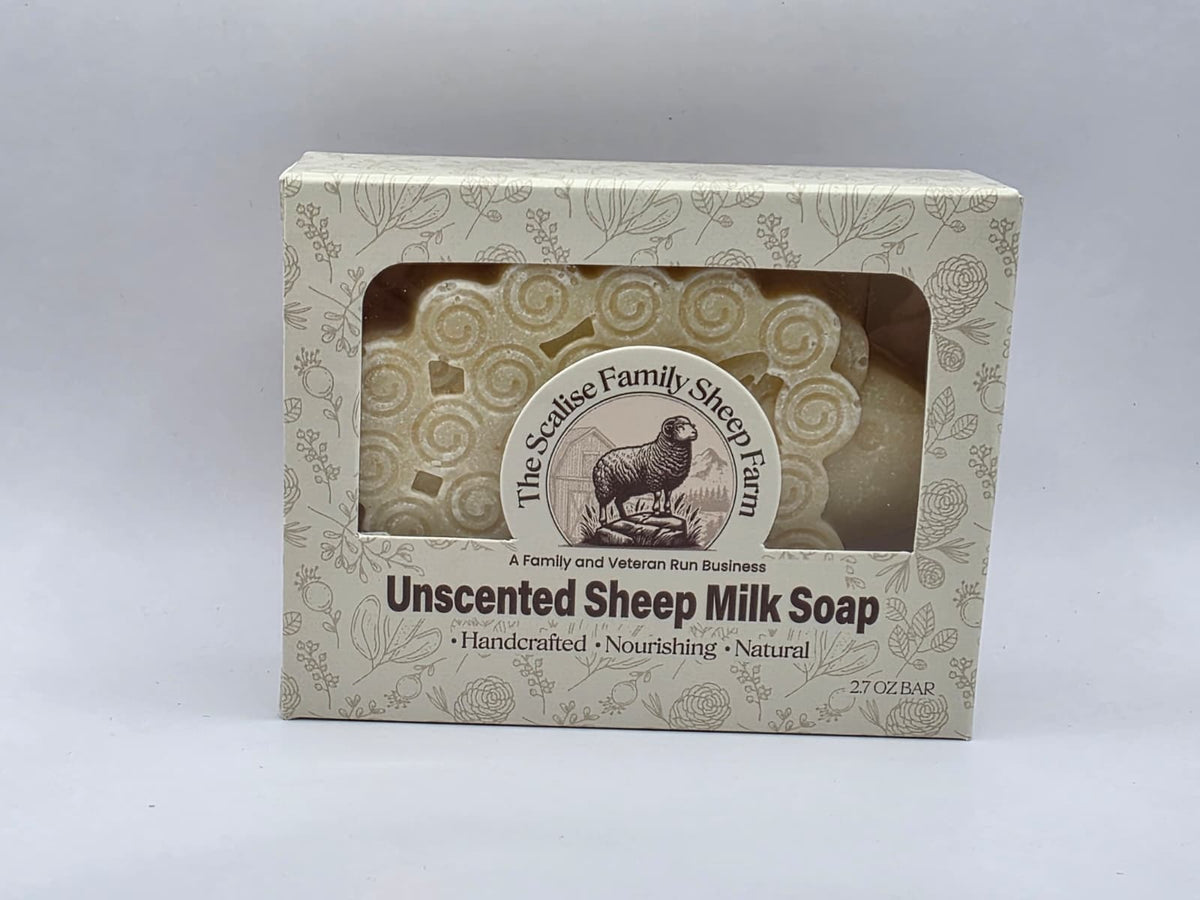
Scalise Family Sheep Farm’s sheep milk soap collection is one example consumers can evaluate thoughtfully. Review the ingredient list, consider whether the bar is scented or unscented, and pay attention to how your own skin responds. The farm’s unscented sheep milk soap may be worth comparing with scented options if fragrance is a concern. No soap is a universal medical solution, and a product that works well for one person may not suit another.
When should you see a dermatologist?
Occasional tightness after washing is often related to cleanser choice, water temperature, friction, or moisturization. Consult a dermatologist if dryness or tightness is persistent, painful, intensely itchy, cracking, bleeding, spreading, associated with significant redness or swelling, or not improving after simplifying your routine.
A dermatologist can assess whether the symptoms may involve eczema, irritant or allergic contact dermatitis, psoriasis, infection, or another condition that requires specific treatment.
A simple evidence-informed routine
- Use lukewarm water.
- Keep washing reasonably brief.
- Choose a cleanser suited to your skin and the area being washed.
- Avoid vigorous scrubbing.
- Rinse thoroughly.
- Moisturize while skin is still slightly damp.
- Adjust one variable at a time and observe your response.
Healthy cleansing should leave skin comfortable: not necessarily “squeaky.”
Academic References & Scientific Sources
-
Voegeli R. The effect of washing and drying practices on skin barrier function. Journal of Wound, Ostomy and Continence Nursing. PMID: 18199943. Read the PubMed abstract.
-
Elias PM. Epidermal lipids, barrier function, and desquamation. Journal of Investigative Dermatology. PubMed record.
-
Ananthapadmanabhan KP, et al. Cleansing without compromise: the impact of cleansers on the skin barrier. Dermatologic Therapy. PMID: 14728695. Read the PubMed abstract.
-
Ananthapadmanabhan KP, et al. Skin cleansing without or with compromise: soaps and syndets. Molecules. PMID: 35335373. Read the PubMed abstract.
-
Rothen-Rutishauser B, et al. Comparison of lecithin-based surfactants with sodium dodecyl sulfate in relation to skin tolerability, hydration, NMF, and TEWL. Pharmaceutics. PMID: 33804924. Read the PubMed abstract.
-
Li Y, et al. Effects of detergent exposure on skin surface lipids and barrier function. Dermatology. PMID: 37939682. Read the PubMed abstract.
-
Impact of water exposure and temperature changes on skin barrier function. PMID: 35053992. PubMed record.
-
Effects of water temperature on surfactant-induced skin irritation. PMID: 7758326. PubMed record.
-
Voegeli R. The effect of washing and drying practices on skin barrier function. Journal of Wound, Ostomy and Continence Nursing. PMID: 18199943. Read the PubMed abstract.
-
Fartasch M, et al. Comparison of the irritant potential of different soap formulations using TEWL and erythema measurements. Journal of Cosmetic Dermatology. PMID: 30160004. Read the PubMed abstract.
-
American Academy of Dermatology Association. Dermatologists’ tips for relieving dry skin. Clinical guidance.
-
Purohit P, Chandar P, Vilinska A, Ananthapadmanabhan KP. Effect of mixed surfactants on stratum corneum: a drying stress and Raman spectroscopy study. International Journal of Cosmetic Science. PMID: 24828034. Read the PubMed record.


