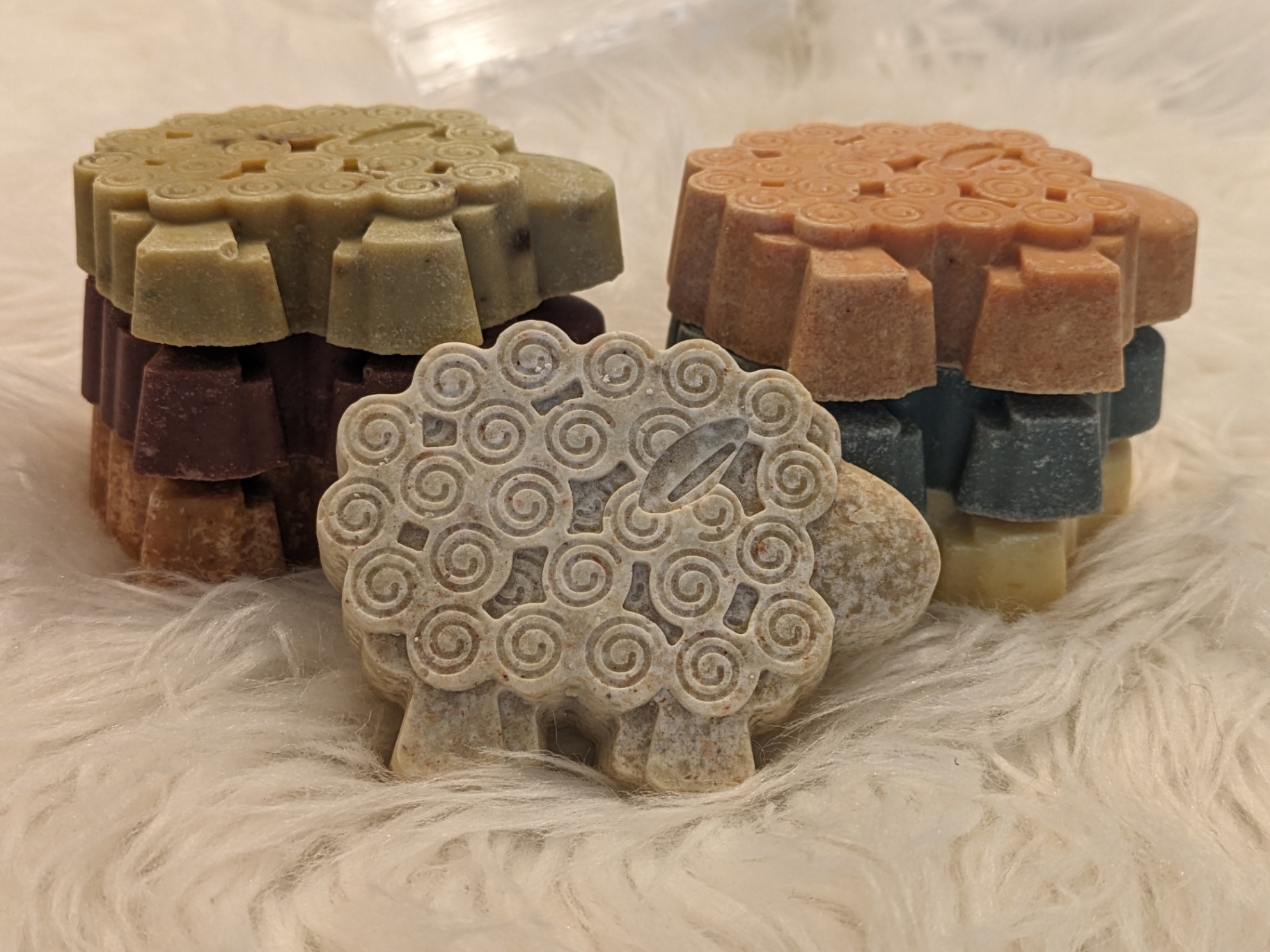
If you’ve ever spent a rainy afternoon out in a pasture with a flock of Icelandic sheep, you’ll notice something incredible. While the rain beats down, the water doesn't soak into their skin. It beads up and rolls right off those thick, woolly coats. That’s not just a happy accident of nature; it’s the power of lanolin.
At Scalise Family Sheep Farm, we talk a lot about our sheep milk, but today I want to pull back the curtain on the "other" miracle ingredient we harvest right here in Wilton, NH: Lanolin. Specifically, why we’ve chosen the difficult path of controlling the entire process from the moment the sheep is sheared to the moment the balm hits the jar.
In the world of big-box skincare, lanolin is often treated as a commodity: mass-produced, heavily refined, and stripped of its character. But here, it’s a craft. Let’s dive into the science of why this "wool grease" is actually one of the most sophisticated biological substances on the planet.
What Exactly is Lanolin? (The Science Bit)
Technically speaking, lanolin isn't a fat or an oil. It’s a complex mixture of high molecular weight wax esters. While most animal fats are composed of triglycerides, lanolin is unique because it lacks them. Instead, it is a sophisticated secretion from the sheep's sebaceous glands, designed to protect the fleece and skin from the harsh elements: something our Icelandic sheep know a lot about.
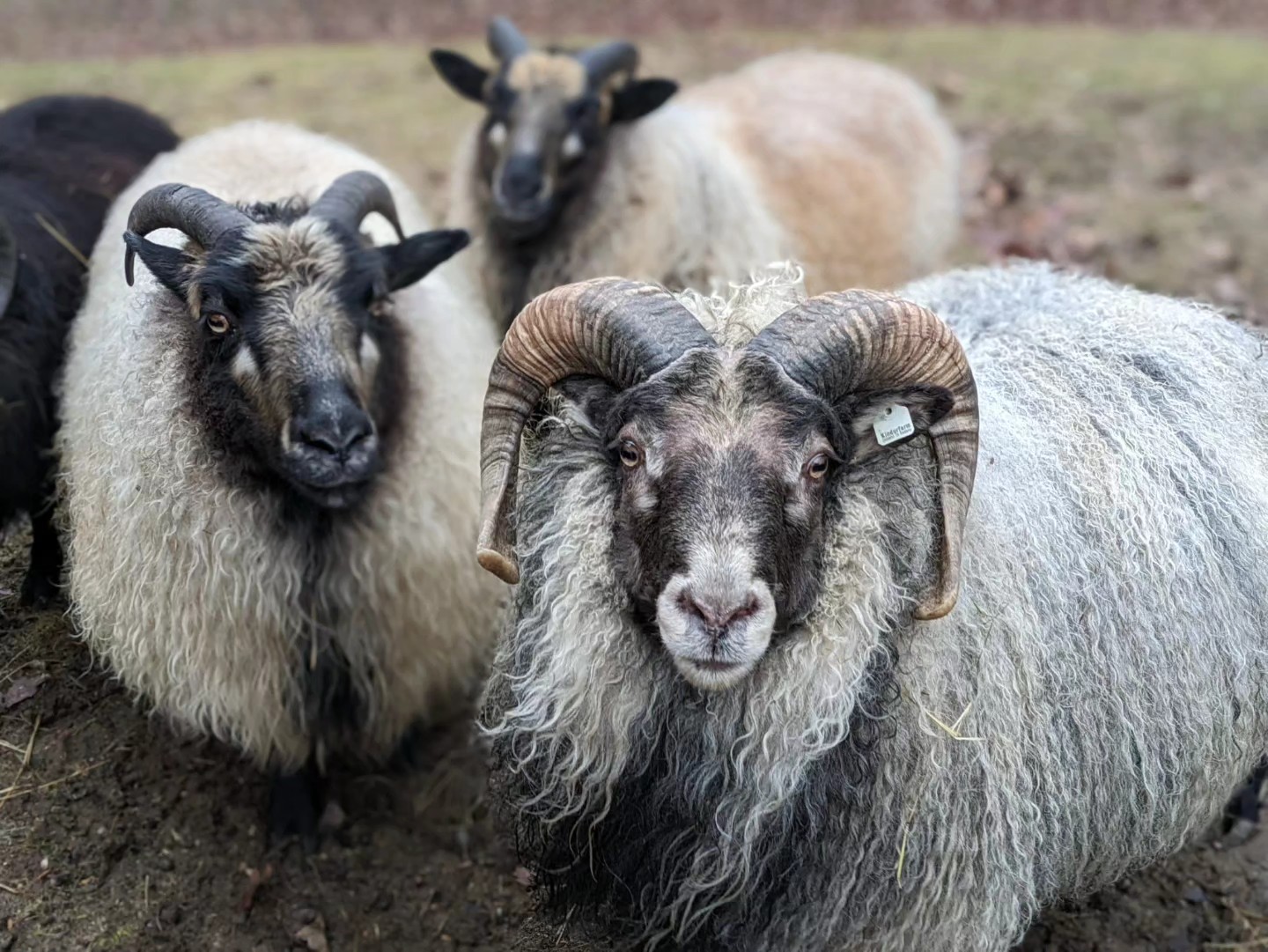
From an academic perspective, lanolin is fascinating because its composition is strikingly similar to the lipids found in the human stratum corneum (the outermost layer of our skin). Research published in the Journal of Cosmetic Science highlights that lanolin contains a complex array of sterols, fatty acids, and alcohols: specifically cholesterol and lanosterol [1].
Because of this molecular "mirroring," when you apply a lanolin-based balm, your skin doesn't treat it like a foreign substance. It recognizes it. This is the cornerstone of why we use it in our handcrafted sheep milk soaps and balms.
The 'Fleece to Jar' Journey: Why Farm-Controlled Extraction Matters
Most people don't realize that "industrial" lanolin goes through a brutal refinement process. When wool is processed in massive factories, it is often "scoured" with harsh detergents and high-heat chemicals to strip the grease quickly.
At Scalise Family Sheep Farm, we do things differently. By controlling the process from "Fleece to Jar," we ensure that the bioactive properties of the lanolin remain intact.
1. The Shearing and Scouring
It starts with our Icelandic sheep. These aren't your average sheep; they are a hardy, ancient breed. When we shear them, the wool is rich with raw wool grease. We perform a controlled scouring process where we use gentle, temperature-regulated water to separate the grease from the fiber.
2. Centrifugation and Purity
Once separated, the raw grease undergoes centrifugation. This isn't just about cleaning; it’s about safety. Industrial lanolin can sometimes contain residual pesticides used on massive commercial flocks. Because we manage our own pastures and flock health, we know exactly what is (and isn't) on our wool. As research indicates, controlled centrifugation followed by vacuum exposure is critical to reducing environmental contaminants and odors without destroying the wax esters [2].
3. Avoiding the "Over-Refined" Trap
Large-scale manufacturers often use oxidative reagents like hydrogen peroxide to bleach lanolin to a pure white color for "aesthetic appeal." We avoid this. Over-bleaching can degrade the natural antioxidants found in the wax. Our lanolin retains its natural, pale golden hue because we believe the skin benefits of the raw material are more important than a bleached-white appearance.

The Molecular Mirror: Why Your Skin Craves Lanolin
Why go through all this trouble? Because lanolin is a powerhouse for barrier repair.
Your skin’s primary job is to keep water in and irritants out. This is managed by the "skin barrier." When this barrier is compromised: due to cold weather, harsh soaps, or age: you experience Transepidermal Water Loss (TEWL).
Academic studies have shown that lanolin is a "semi-occlusive" emollient. Unlike petroleum jelly, which creates a total seal that can sometimes prevent the skin from "breathing," lanolin allows for some moisture exchange while still creating a formidable shield [3]. It can hold up to 200% of its weight in water, acting as a reservoir that slowly releases moisture back into the skin over several hours.
This makes it particularly effective for:
- Wound Healing: Lanolin has been shown to accelerate the healing of cracked skin and minor abrasions by maintaining a moist wound environment [4].
- Eczema and Psoriasis: Because it mimics human skin lipids, it helps replenish the lipid bilayer that is often missing or damaged in chronic skin conditions.
- The "Working Hand": For those of us who work with our hands (whether in the military, on a farm, or in a workshop), lanolin provides a level of durability that standard lotions simply can't match.
Comparing Farm-Fresh to "Big Beauty"
Many big beauty brands use synthetic substitutes or highly "adulterated" lanolin that has been diluted with mineral oils. They do this because it’s cheaper and easier to stabilize in a mass-market formula.
However, as we discussed in our post on chemical-free skincare secrets, these synthetic alternatives lack the complex sterol profile of the real deal. When you buy from a small family farm, you’re getting the full spectrum of nature’s chemistry.

Our Pine Skin Balm and Frankincense Skin Balm are built on this foundation of raw, farm-sourced lanolin and our nutrient-dense sheep milk. It’s a combination that provides both immediate relief and long-term barrier support.
The Sustainability of the Fleece
One of the best things about lanolin? It’s completely renewable. Our sheep need to be sheared for their own health and comfort (especially before the New Hampshire summer hits!). The lanolin is a gift from the sheep: a byproduct of the wool industry that we transform into gold.
By choosing "Fleece to Jar" products, you’re supporting a closed-loop system. There’s no heavy industrial runoff, no mystery chemicals, and no giant factory footprint. Just a veteran-owned farm, a flock of happy Icelandic sheep, and a commitment to quality.
Ready to Feel the Difference?
If you’re tired of lotions that disappear five minutes after you apply them, it’s time to try the "Lanolin Secret." Whether you’re dealing with the "Winter Skin" blues or you just want a product that works as hard as you do, our balms are designed to provide that "molecular mirror" your skin has been asking for.
Explore our all-natural skincare line and see what happens when science meets the farm.
References and Academic Sources:
- Clark, E. W., & Steel, I. (1993). "Investigations into the Nature of Lanolin Alcohols." Journal of the Society of Cosmetic Chemists. This study details the sterol composition, specifically the presence of cholesterol which mimics human skin lipids.
- Sengupta, A., & Behera, J. (2014). "Extraction and Purification of Lanolin from Raw Wool Grease." International Journal of Research in Engineering and Technology. Research detailing the centrifugation and vacuum-drying processes for high-purity lanolin.
- Kovics, A., et al. (2008). "Lanolin as a Permeability Enhancer and Barrier Repair Agent." Dermatologic Therapy. A peer-reviewed look at how lanolin reduces TEWL (Transepidermal Water Loss).
- Stone, L. (2000). "The Role of Lanolin in Wound Healing." Journal of Wound Care. Clinical evidence of lanolin’s efficacy in treating skin fissures and maintaining moisture in damaged tissue.