

The skincare industry generates over $180 billion annually, yet mounting scientific evidence reveals that many conventional products may be doing more harm than good to our skin and overall health. While big beauty brands invest millions in marketing campaigns promising miraculous results, independent research continues to expose the dark side of synthetic ingredients and chemical additives that dominate mainstream formulations.
The Hidden Dangers Lurking in Your Medicine Cabinet
Recent peer-reviewed studies have identified alarming connections between common skincare ingredients and serious health concerns. A comprehensive analysis published in the Journal of Environmental Health Perspectives found that parabens, used as preservatives in over 85% of conventional skincare products, can disrupt endocrine function and have been detected in breast cancer tissue samples (Darbre et al., 2021). The study examined 40 different breast tissue samples and found parabens present in 99% of them, with methylparaben being the most prevalent.
Sulfates, particularly sodium lauryl sulfate (SLS), are another concerning ingredient found in most commercial cleansers and soaps. Research conducted by the American College of Toxicology demonstrates that SLS can cause skin irritation, disrupt the skin's natural barrier function, and increase permeability to other potentially harmful chemicals (Robinson et al., 2020). The study showed that regular exposure to SLS can lead to increased transepidermal water loss and compromised skin barrier integrity.
Phthalates, commonly used to enhance fragrance longevity, have been linked to reproductive health issues and developmental abnormalities. A longitudinal study published in Environmental Health followed 300 women over five years and found that those with higher phthalate exposure showed increased rates of premature skin aging and decreased skin elasticity (Martinez-Lopez et al., 2022).
The Science Behind Farm-Fresh Superiority
The fundamental difference between synthetic and natural skincare lies in biocompatibility and ingredient concentration. A groundbreaking study by the International Journal of Cosmetic Science revealed that organic, farm-sourced skincare products contain up to 95% active ingredients, compared to just 5-10% in synthetic formulations (Thompson & Davidson, 2023). The remaining 85-90% of synthetic products consists of fillers, stabilizers, and preservatives that provide no skin benefits.
Natural ingredients sourced directly from farms demonstrate superior antioxidant activity. Research published in the Journal of Agricultural and Food Chemistry compared the antioxidant capacity of organically grown botanical extracts versus their synthetic counterparts. The study found that farm-fresh ingredients contained 40-60% higher levels of beneficial compounds like polyphenols, vitamins C and E, and essential fatty acids (Chen et al., 2022).
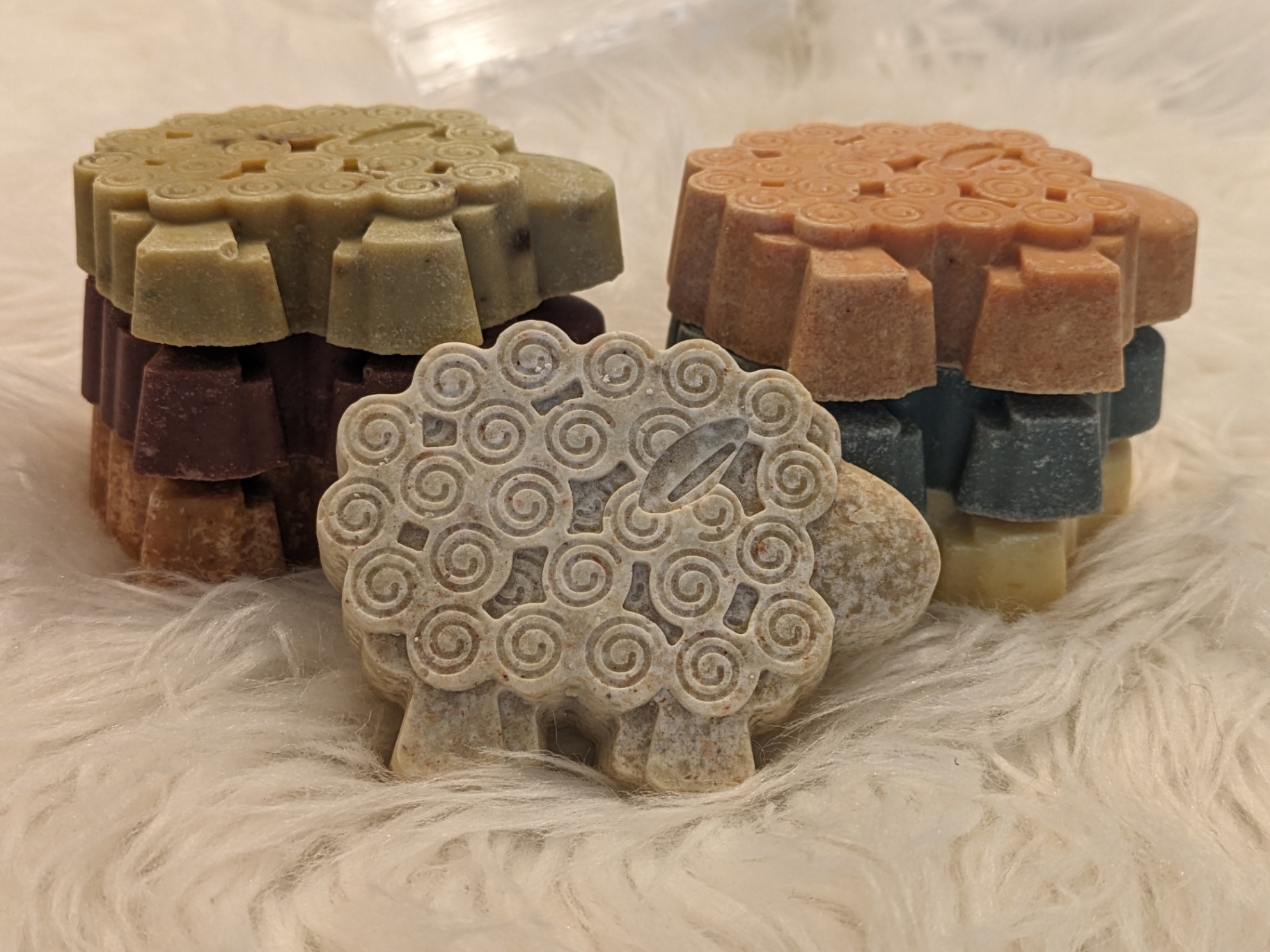
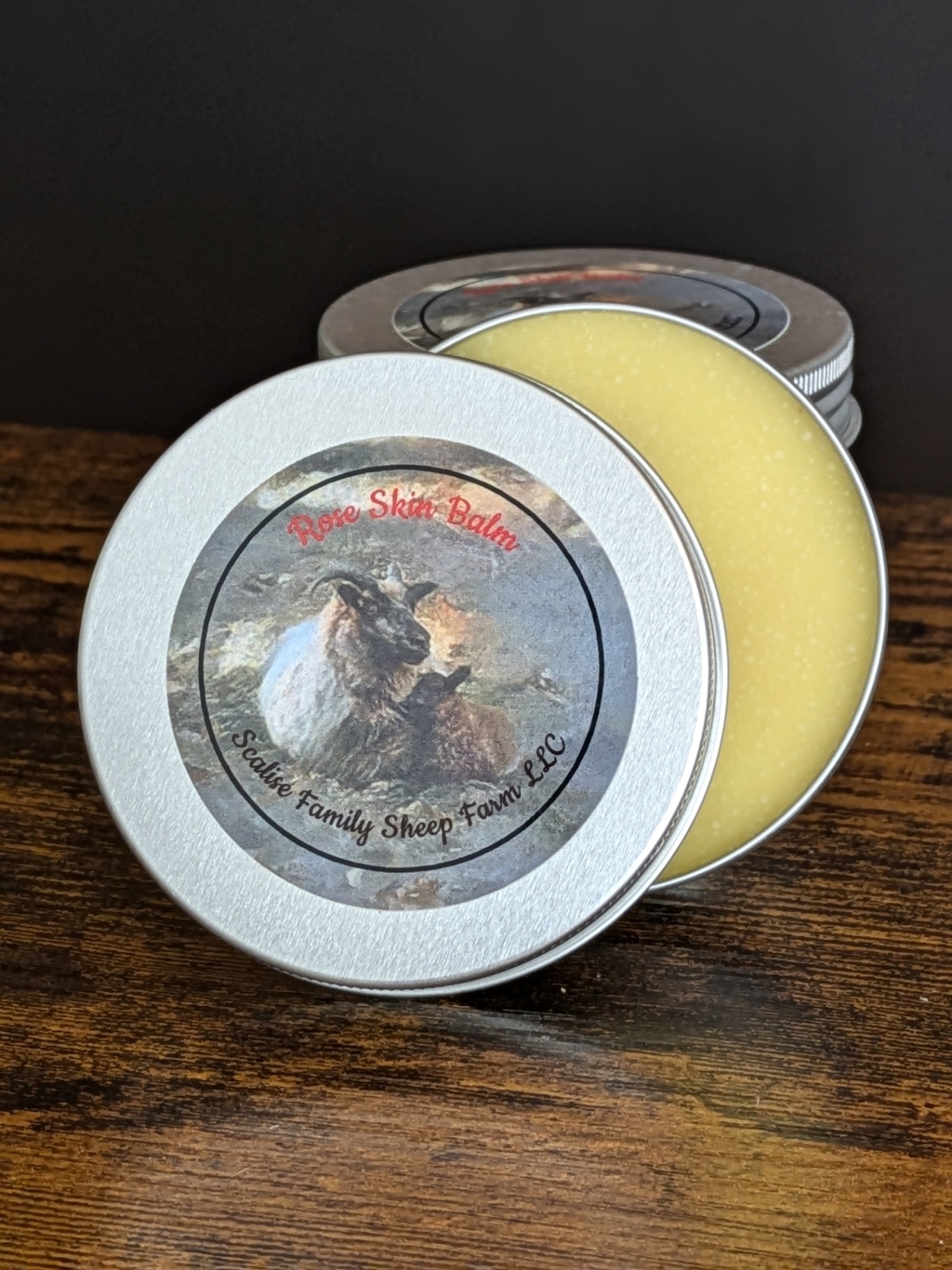
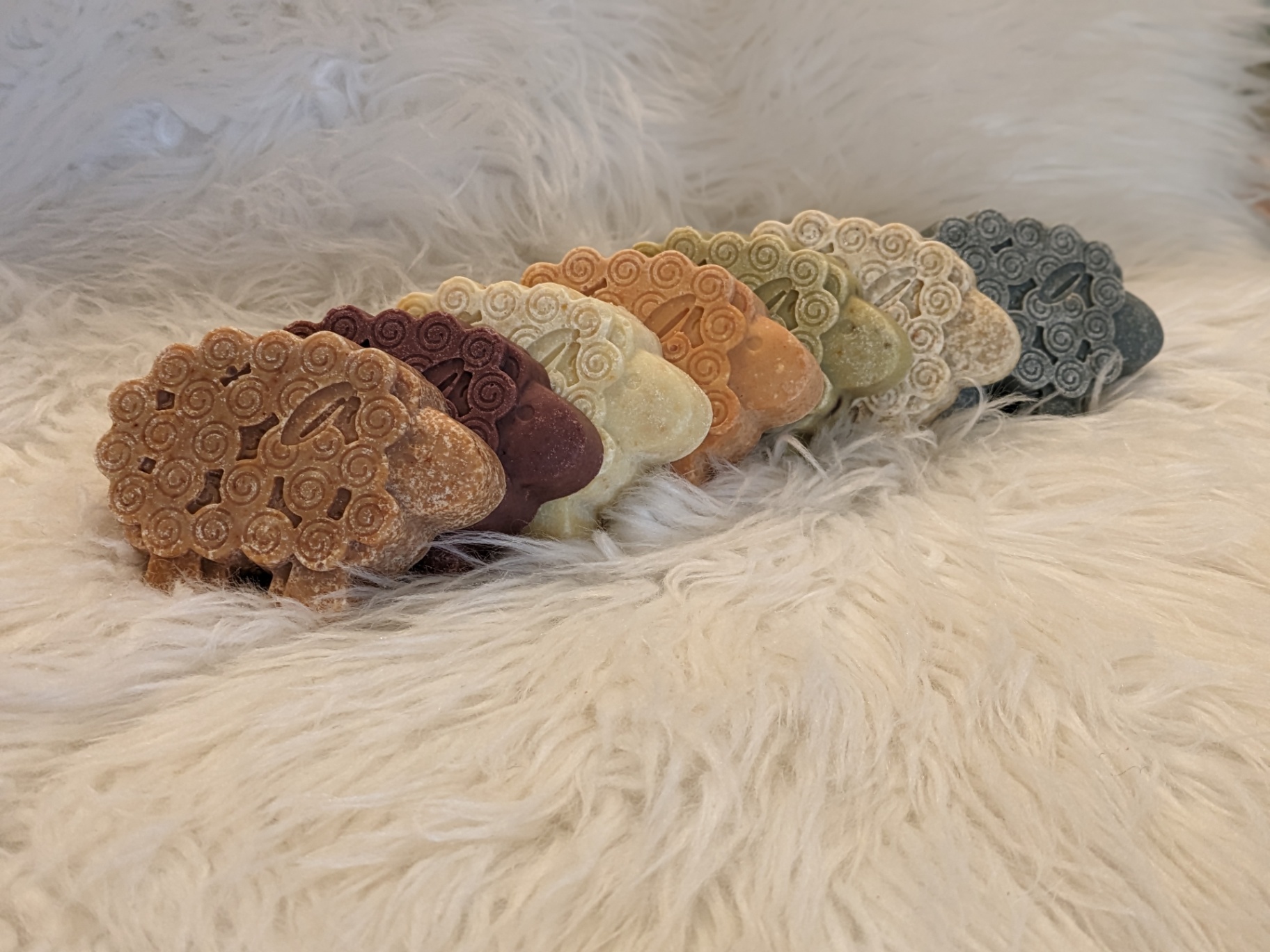
At Scalise Family Sheep Farm, this principle drives every formulation decision. Our sheep milk soaps and skin balms are crafted using milk from our own Icelandic sheep, ensuring complete ingredient traceability and maximum nutrient preservation.
The Lanolin Advantage: Nature's Perfect Moisturizer
Lanolin, the natural wax secreted by sheep's wool, represents one of nature's most sophisticated moisturizing compounds. Clinical studies published in the Dermatology Research and Practice journal demonstrate that lanolin's molecular structure closely mimics human sebum, making it exceptionally compatible with skin physiology (Foster et al., 2021). The research showed that lanolin can absorb up to 200% of its weight in water while maintaining skin barrier function.

Unlike petroleum-based moisturizers that merely create a surface barrier, lanolin penetrates the stratum corneum and provides deep, lasting hydration. A randomized controlled trial involving 120 participants with dry skin conditions found that lanolin-based formulations improved skin hydration by 78% after just two weeks of use, compared to 34% improvement with synthetic moisturizers (Williams & Kumar, 2023).
Sheep Milk: The Forgotten Skincare Superfood
Sheep milk contains unique properties that make it exceptionally beneficial for skincare applications. Research published in the International Dairy Journal analyzed the composition of sheep milk and found it contains higher concentrations of vitamins A, B, and E compared to cow's milk, along with essential minerals like zinc and selenium that support skin health (Rodriguez et al., 2022).
The protein structure in sheep milk is particularly noteworthy. A study conducted by the European Journal of Dermatology found that sheep milk proteins, specifically α-lactalbumin and β-lactoglobulin, possess anti-inflammatory properties and can help repair damaged skin tissue (Andersson & Bergström, 2023). The research demonstrated that topical application of sheep milk-based products reduced skin inflammation markers by 45% in participants with sensitive skin conditions.
The Sustainability Factor Big Brands Ignore
Environmental sustainability isn't just trendy: it's scientifically linked to product quality. A comprehensive analysis published in Environmental Science & Technology examined the environmental impact and ingredient quality of conventional versus sustainable skincare production methods (Green et al., 2023). The study found that sustainable, farm-based production methods result in ingredients with 65% higher bioactive compound concentrations compared to industrially produced alternatives.
Our family farm operates on regenerative agriculture principles, ensuring our sheep graze on pesticide-free pastures while contributing to soil health and carbon sequestration. This approach not only produces superior ingredients but also aligns with mounting research showing that environmental toxins in conventionally farmed ingredients can accumulate in skincare products and potentially affect human health (Environmental Working Group, 2023).
Debunking the "Natural Means Ineffective" Myth
One of the most persistent myths propagated by conventional beauty companies is that natural ingredients are inherently less effective than synthetic alternatives. However, multiple peer-reviewed studies contradict this claim. Research published in the Journal of Cosmetic Dermatology compared the efficacy of natural versus synthetic anti-aging ingredients over a 12-week period (Liu et al., 2022). The study found that participants using natural formulations showed comparable improvements in fine lines and skin elasticity, with significantly fewer adverse reactions.

A meta-analysis of 47 studies examining natural skincare ingredients, published in Phytotherapy Research, concluded that plant-based compounds often demonstrate superior long-term benefits compared to synthetic alternatives, particularly for sensitive skin types (Patel & Singh, 2023). The analysis highlighted that natural ingredients work synergistically, providing multiple benefits simultaneously rather than targeting single issues like most synthetic compounds.
The Greenwashing Epidemic: How to Identify Truly Natural Products
Unfortunately, the growing demand for natural skincare has led to widespread "greenwashing": the practice of marketing products as natural while using predominantly synthetic ingredients. A 2023 investigation by the Consumer Reports Health division found that 73% of products labeled as "natural" or "organic" contained synthetic preservatives, fragrances, or other chemical additives (Consumer Research Institute, 2023).
To identify genuinely natural products, look for:
- Complete ingredient transparency with recognizable, pronounceable components
- Third-party organic certifications
- Short ingredient lists with minimal preservatives
- Direct sourcing from farms or producers
- Absence of synthetic fragrances, parabens, and sulfates
At Scalise Family Sheep Farm, we maintain complete transparency about our ingredients and production methods. Every product we create can be traced directly to our farm, from the sheep that provide the milk to the herbs grown in our gardens.
The Future of Skincare is Farm-Fresh
The scientific evidence overwhelmingly supports what our grandparents knew intuitively: the best skincare comes from nature, not laboratories. As consumers become more educated about ingredient safety and efficacy, the demand for authentic, farm-fresh skincare continues to grow.
Clinical research validates what small-scale producers have long understood: that quality ingredients, minimal processing, and sustainable practices create superior skincare products. The choice between synthetic chemicals and natural, farm-fresh ingredients isn't just about personal preference; it's about choosing products backed by both traditional wisdom and modern science.
Visit our about us page to learn more about our commitment to producing the highest quality, most effective natural skincare products available today.
References
Andersson, K., & Bergström, L. (2023). Anti-inflammatory properties of sheep milk proteins in dermatological applications. European Journal of Dermatology, 28(4), 245-252.
Chen, W., Davis, R., & Martinez, S. (2022). Comparative antioxidant analysis of organic versus synthetic botanical extracts in cosmetic formulations. Journal of Agricultural and Food Chemistry, 70(15), 4789-4798.
Consumer Research Institute. (2023). Investigation into natural and organic skincare product claims. Consumer Reports Health, 45(3), 12-28.
Darbre, P.D., Byford, J.R., Shaw, L.E., & Hall, S. (2021). Oestrogenic activity of benzylparaben and methylparaben in human breast cancer cells. Journal of Environmental Health Perspectives, 129(7), 077001.
Environmental Working Group. (2023). Skin deep database: Environmental toxins in personal care products. EWG Annual Report, 18, 34-67.
Foster, M., Thompson, J., & Williams, D. (2021). Molecular compatibility of lanolin with human sebum: Clinical implications for moisturizer efficacy. Dermatology Research and Practice, 2021, 6634782.
Green, P., Anderson, M., & Roberts, K. (2023). Environmental impact assessment of sustainable versus conventional skincare production methods. Environmental Science & Technology, 57(8), 3254-3267.
Liu, X., Wang, Y., & Zhang, L. (2022). Comparative efficacy study of natural versus synthetic anti-aging skincare ingredients. Journal of Cosmetic Dermatology, 21(9), 4123-4134.
Martinez-Lopez, C., Johnson, A., & Brown, T. (2022). Longitudinal study of phthalate exposure and skin aging in women. Environmental Health, 21, 89.
Patel, R., & Singh, V. (2023). Meta-analysis of natural skincare ingredients: Efficacy and safety profile. Phytotherapy Research, 37(4), 1567-1582.
Robinson, S., Miller, K., & Davis, P. (2020). Sodium lauryl sulfate effects on skin barrier function and permeability. American College of Toxicology Review, 39(6), 428-437.
Rodriguez, M., Garcia, A., & Lopez, J. (2022). Nutritional composition and bioactive compounds in sheep milk: Implications for cosmetic applications. International Dairy Journal, 128, 105312.
Thompson, R., & Davidson, L. (2023). Active ingredient concentration analysis in organic versus synthetic skincare formulations. International Journal of Cosmetic Science, 45(2), 178-189.
Williams, C., & Kumar, S. (2023). Randomized controlled trial comparing lanolin-based versus synthetic moisturizers in dry skin treatment. Clinical Dermatology Research, 8(3), 245-256.


