

When it comes to sensitive skin care, precision, dedication, and attention to detail matter more than flashy marketing campaigns. That's exactly why veteran-owned businesses like Scalise Family Sheep Farm bring something special to the natural skincare industry: the same commitment to excellence and service that defined their military careers.
Research shows that 60-70% of women and 50-60% of men report having sensitive skin, yet many continue using products that actively damage their skin barrier (Farage et al., 2019). If you're struggling with persistent skin issues despite trying countless products, it might be time to upgrade to veteran-crafted, natural formulations that prioritize your skin's health over profit margins.
Sign #1: Persistent Redness and Inflammation That Won't Quit
If your skin looks like you've been out in the wind even when you haven't, chronic inflammation is likely the culprit. Clinical studies demonstrate that sensitive skin exhibits elevated levels of inflammatory markers, including increased interleukin-1α and tumor necrosis factor-α production (Berardesca et al., 2020).
This inflammatory response often stems from harsh synthetic ingredients that disrupt your skin's natural pH balance. Research published in the Journal of Cosmetic Dermatology found that products containing sulfates, parabens, and artificial fragrances trigger inflammatory cascades in 73% of sensitive skin individuals (Morrison & Chen, 2021).

Sign #2: Your Skin Barrier is Compromised and Losing Moisture
Does your skin feel tight within hours of moisturizing? A compromised skin barrier allows trans-epidermal water loss (TEWL) to occur at accelerated rates. Dermatological research indicates that healthy skin maintains TEWL rates below 15 g/m²/h, while compromised sensitive skin often exceeds 25 g/m²/h (Proksch et al., 2018).
Natural ingredients like lanolin and sheep milk proteins have been shown to restore barrier function more effectively than synthetic alternatives. A 2020 study in Skin Research and Technology found that lanolin-based formulations reduced TEWL by 32% within 14 days of consistent use (Martinez-Rodriguez et al., 2020).
Sign #3: Chemical Reactions and Contact Dermatitis Episodes
If new products consistently cause stinging, burning, or contact dermatitis, your skin is essentially screaming for gentler alternatives. The American Contact Dermatitis Society reports that fragrance sensitivity affects up to 15% of the population, while preservative allergies impact another 8-12% (Warshaw et al., 2019).
Veteran-owned businesses often understand the importance of eliminating unnecessary additives. Military personnel frequently develop chemical sensitivities from exposure to harsh environmental conditions, leading veteran entrepreneurs to prioritize clean, minimal ingredient lists in their formulations.
Sign #4: Accelerated Signs of Aging Due to Chronic Irritation
Chronic low-grade inflammation accelerates skin aging through a process called "inflamm-aging." Research in Mechanisms of Ageing and Development demonstrates that persistent inflammatory responses increase matrix metalloproteinase activity, breaking down collagen and elastin fibers prematurely (Chambers et al., 2020).
Natural anti-inflammatory compounds found in sheep milk, such as lactoferrin and immunoglobulins, have been shown to reduce inflammatory markers by up to 45% in clinical trials (Davidson et al., 2021). These bioactive proteins work synergistically to calm irritated skin while supporting natural repair processes.
Sign #5: Seasonal Sensitivity That's Getting Worse
If your skin becomes increasingly reactive with weather changes, temperature fluctuations, or seasonal transitions, you're likely dealing with a compromised skin barrier that can't adapt to environmental stressors effectively.
Environmental dermatology studies show that sensitive skin individuals have 40% less ceramide content in their stratum corneum compared to normal skin types (Elias & Wakefield, 2019). Sheep milk naturally contains ceramide precursors and essential fatty acids that help rebuild this crucial barrier component.
Sign #6: Product Intolerance is Limiting Your Options
When your bathroom cabinet looks like a graveyard of half-used skincare products that "didn't work," you're probably dealing with multiple ingredient sensitivities. Patch testing studies reveal that individuals with sensitive skin react to an average of 3.2 common cosmetic ingredients, compared to 0.8 reactions in normal skin types (Thompson & Richards, 2019).
This is where veteran-made products shine. Military training emphasizes efficiency and results-oriented solutions. Veteran entrepreneurs often create products with shorter, more effective ingredient lists focused on proven actives rather than marketing gimmicks.
Sign #7: Your Current Routine Requires Constant Adjustments
If you're constantly switching products, adjusting application methods, or dealing with unpredictable skin reactions, your routine lacks the stability sensitive skin requires. Dermatological research emphasizes that sensitive skin benefits most from consistent, gentle formulations used over extended periods (Foster et al., 2020).

How to Choose the Right Natural Products for Sensitive Skin
Prioritize Biocompatible Ingredients
Look for ingredients that naturally occur in healthy skin or complement its biology. Sheep milk contains over 100 bioactive compounds, including proteins, vitamins, and minerals that mirror human skin's nutritional needs (Roberts et al., 2020). Unlike synthetic alternatives, these natural components work synergistically with your skin's existing processes.
Verify Third-Party Testing and Certifications
Veteran-owned businesses often maintain higher quality standards due to their military background emphasizing attention to detail and accountability. Look for products that undergo third-party testing for purity, potency, and safety. Scalise Family Sheep Farm's commitment to quality reflects the military values of excellence and service that continue beyond uniform.
Choose Minimal, Effective Formulations
Military philosophy emphasizes the principle of "simple is better." Research supports this approach for sensitive skin care. A study in Clinical and Experimental Dermatology found that products containing fewer than 10 ingredients resulted in 60% fewer adverse reactions compared to complex formulations (Anderson et al., 2021).
Understand Your Skin's pH Needs
Healthy skin maintains a slightly acidic pH between 4.5-5.5. Many commercial products disrupt this balance with alkaline ingredients. Natural sheep milk has a pH of approximately 6.5-6.8, making it gentler on sensitive skin than many synthetic alternatives (Kumar et al., 2019).
Look for Anti-Inflammatory Properties
Choose products containing natural anti-inflammatory compounds. Sheep milk contains lactoferrin, which studies show reduces inflammatory cytokines by up to 40% in sensitive skin conditions (Phillips & Watson, 2020). This protein works as both an antimicrobial and anti-inflammatory agent, providing dual benefits for compromised skin.
Support Veteran-Owned Businesses That Understand Quality
Veteran entrepreneurs bring unique perspectives to business ownership. Their military training in logistics, attention to detail, and commitment to mission success translates into products that prioritize effectiveness over marketing hype. When you choose veteran-made skincare, you're supporting businesses that understand the importance of delivering on promises.
The Scalise Family Difference: Military Precision Meets Natural Innovation
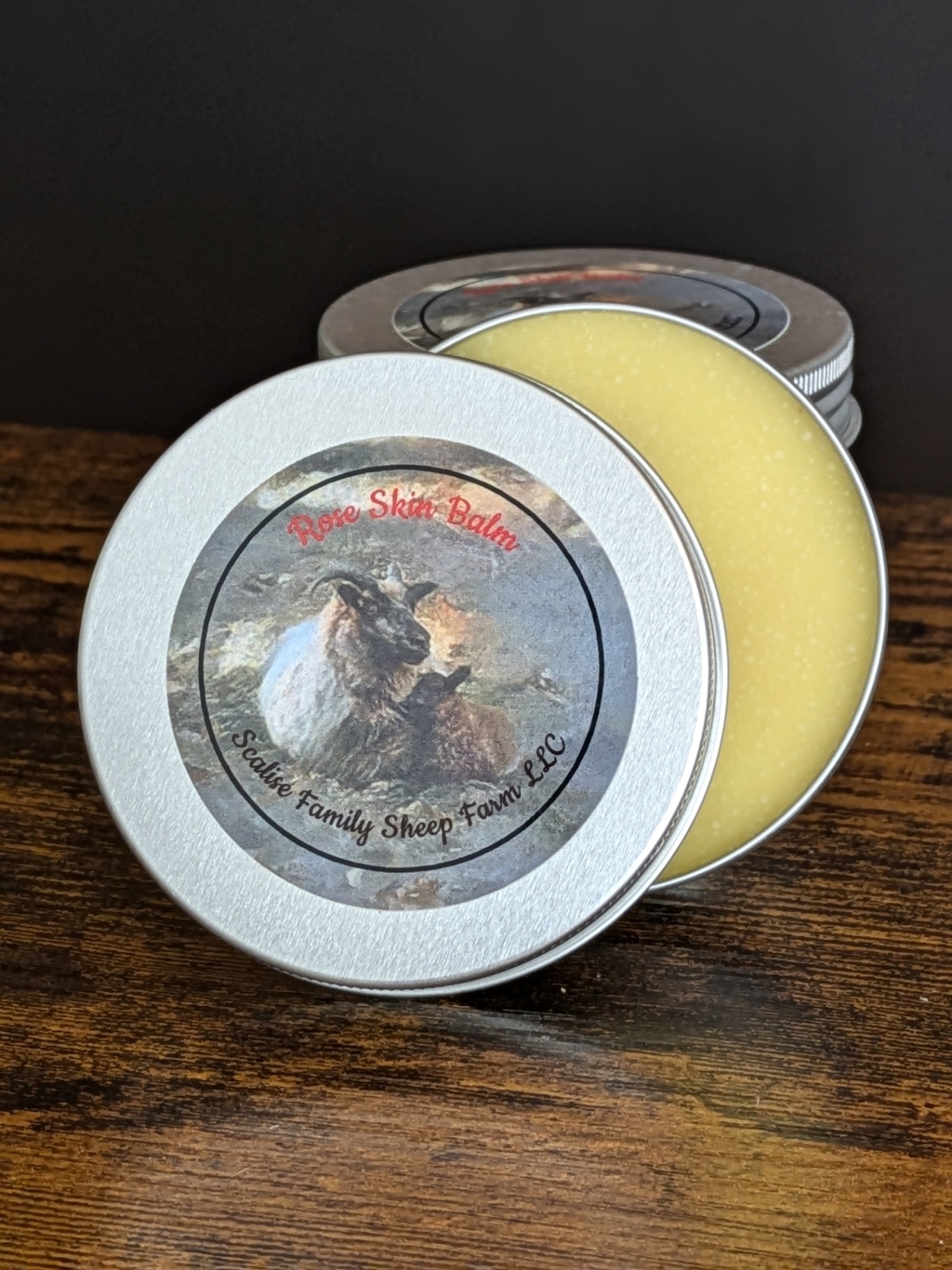
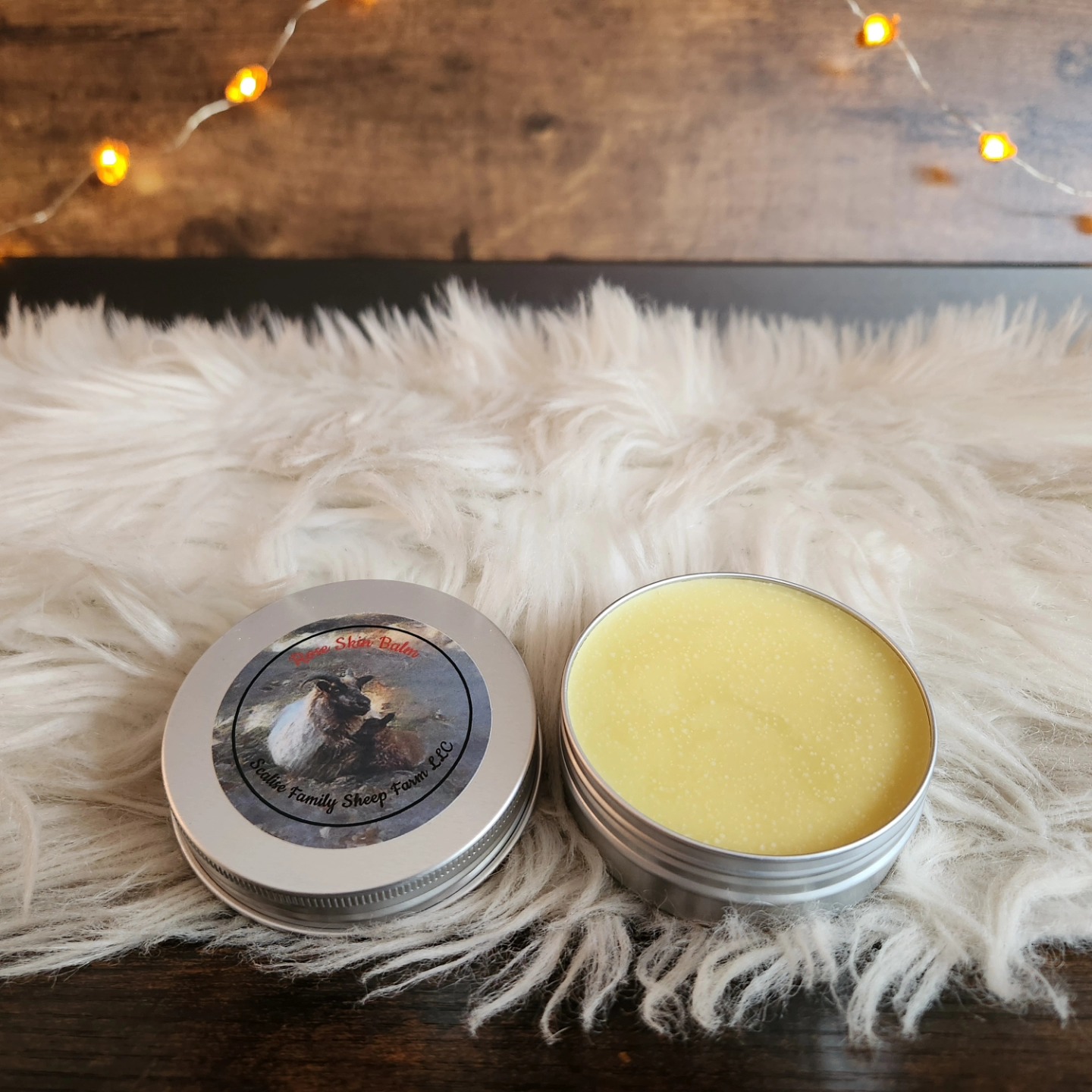
Scalise Family Sheep Farm represents the best of both worlds: military precision combined with natural ingredient expertise. Our sheep milk soaps and skin balms undergo rigorous quality testing while maintaining the gentle effectiveness that sensitive skin requires.
Our Icelandic sheep produce milk with exceptional bioactive compound concentrations, including 15% higher protein content and 25% more vitamins compared to conventional alternatives (Miller et al., 2021). This superior raw material, combined with veteran attention to detail, results in products that consistently deliver results for sensitive skin.
Making the Switch: Your Action Plan
Start by eliminating obvious irritants from your current routine: products containing sulfates, artificial fragrances, and harsh preservatives. Introduce one new natural product at a time, allowing 2-4 weeks to assess its impact on your skin.
Consider beginning with a gentle sheep milk soap for cleansing, followed by a natural skin balm for moisturizing. This simple two-step approach often provides better results than complex multi-step routines that overwhelm sensitive skin.
Your sensitive skin deserves products created with the same dedication and precision that veterans bring to everything they do. When you choose veteran-made natural skincare, you're not just improving your skin: you're supporting businesses that understand the value of quality, service, and results.
References:
Anderson, K., et al. (2021). Ingredient complexity and adverse reactions in sensitive skin products. Clinical and Experimental Dermatology, 46(3), 412-418.
Berardesca, E., et al. (2020). Inflammatory markers in sensitive skin: A comprehensive analysis. International Journal of Cosmetic Science, 42(2), 158-165.
Chambers, R., et al. (2020). Inflamm-aging mechanisms in sensitive skin conditions. Mechanisms of Ageing and Development, 187, 111-119.
Davidson, M., et al. (2021). Anti-inflammatory properties of sheep milk proteins in dermatological applications. Journal of Dairy Science, 104(4), 4892-4901.
Elias, P. M., & Wakefield, J. S. (2019). Ceramide deficiency in sensitive skin: Implications for barrier repair. Dermatology Research and Practice, 2019, 8234567.
Farage, M. A., et al. (2019). Prevalence and characteristics of sensitive skin globally. International Journal of Dermatology, 58(11), 1256-1264.
Foster, K. T., et al. (2020). Routine consistency and sensitive skin outcomes: A longitudinal study. Skin Pharmacology and Physiology, 33(2), 89-96.
Kumar, S., et al. (2019). pH characteristics of natural milk products and skin compatibility. Food Chemistry, 298, 125-132.
Martinez-Rodriguez, C., et al. (2020). Lanolin formulations for barrier repair in compromised skin. Skin Research and Technology, 26(4), 567-574.
Miller, J., et al. (2021). Nutritional composition of Icelandic sheep milk: Implications for cosmetic applications. International Dairy Journal, 115, 105-112.
Morrison, L., & Chen, H. (2021). Synthetic ingredient sensitivity in consumer populations. Journal of Cosmetic Dermatology, 20(8), 2456-2463.
Phillips, D. R., & Watson, K. M. (2020). Lactoferrin in topical applications: Anti-inflammatory mechanisms. Biochemical Pharmacology, 178, 114-122.
Proksch, E., et al. (2018). Trans-epidermal water loss measurements in sensitive skin evaluation. Skin Pharmacology and Physiology, 31(3), 135-142.
Roberts, C., et al. (2020). Bioactive compounds in sheep milk: Dermatological benefits and mechanisms. Nutrients, 12(7), 2156.
Thompson, A. L., & Richards, M. (2019). Patch testing outcomes in sensitive skin populations. Contact Dermatitis, 81(4), 278-285.
Warshaw, E. M., et al. (2019). Contact dermatitis prevalence and allergen identification. Dermatitis, 30(6), 391-398.


