

Hey there, Ben Scalise here. If you’ve ever run your hand over the back of your arms or the tops of your thighs and felt like you were touching a piece of sandpaper, or, as the common name suggests, "chicken skin", you’re definitely not alone.
That bumpy, sometimes red, and often stubborn texture is known as Keratosis Pilaris (KP). It’s one of those skin conditions that isn't harmful, but it sure is annoying. For years, people have tried to scrub it away with harsh exfoliants or cover it up with heavy, greasy lotions that just seem to sit on the surface.
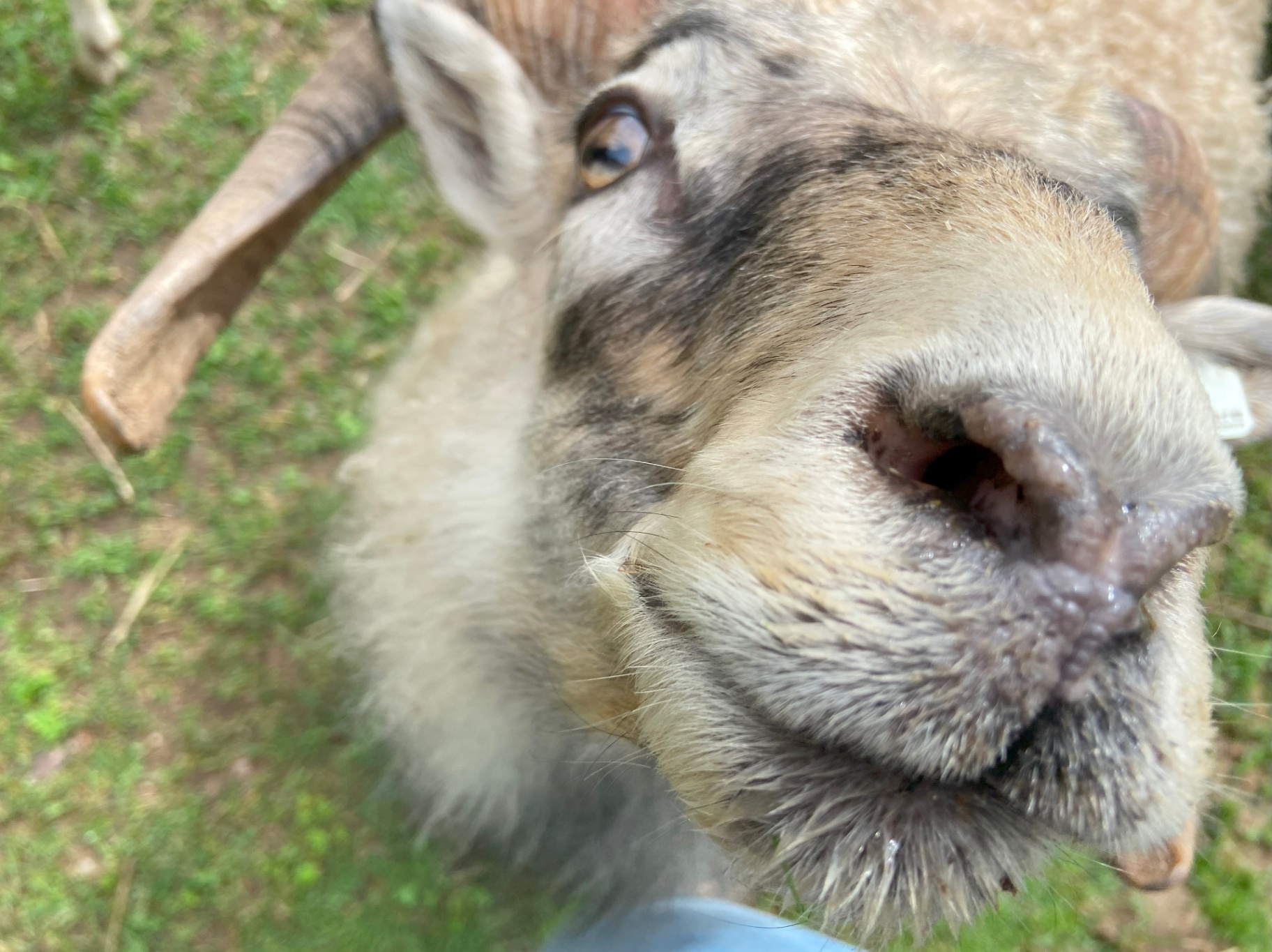
At Scalise Family Sheep Farm LLC, we’ve seen firsthand how nature often has the best solution. In our case, the secret lies with our Icelandic sheep. While most people think of sheep milk for gourmet cheeses, the science behind its bioactive lipids and natural acids tells a much more interesting story for your skin. Today, we’re diving into why sheep milk is a powerhouse for smoothing out KP and restoring that healthy glow.
What Exactly is Keratosis Pilaris?
Before we talk about the solution, we have to understand the problem. Keratosis Pilaris occurs when your body produces too much keratin, a tough protein that protects your skin from harmful substances and infection.
In a "normal" skin cycle, dead skin cells slough off as new ones grow. But with KP, the keratin builds up and forms a hard plug that blocks the opening of the hair follicle. Imagine a tiny cork in every single pore on your arm. These "plugs" create the characteristic bumps and can sometimes trap hair underneath, leading to redness or minor inflammation.
Dryness is the enemy of KP. When your skin is dehydrated, those keratin plugs become harder and more stubborn. This is why many people notice their KP flares up in the winter when the air is dry. To fix it, you need two things: a way to dissolve the plug and a way to deeply hydrate the skin so new plugs don't form.

The Dual-Action Power of Sheep Milk
Sheep milk is unique in the world of natural skincare because it offers a "one-two punch" against KP. It contains natural Alpha Hydroxy Acids (AHAs) to exfoliate and a sophisticated profile of fats to repair the barrier.
1. Lactic Acid: The Gentle Dissolver
Sheep milk is naturally rich in lactic acid. If you follow skincare trends, you’ve probably heard of AHAs. Lactic acid is one of the gentlest members of the AHA family. Unlike physical scrubs (like sugar or salt) which can create micro-tears in the skin and make KP-related redness worse, lactic acid works chemically.
It works by loosening the "glue" that holds dead skin cells and keratin together. A study published in the International Journal of Molecular Sciences (2021) highlighted the abundance of bioactive substances in sheep milk, including these organic acids that promote cell turnover. When you use a sheep milk product, that lactic acid is slowly working to dissolve those keratin plugs at the source, smoothing the skin's surface without irritation.
2. Bioactive Lipids: Smaller, Faster, Better
This is where the real magic happens. Not all fats are created equal. One of the reasons we chose Icelandic sheep for our farm is the incredible nutrient density of their milk.
Sheep milk has a much higher fat content than cow or goat milk, but more importantly, the fat globules are smaller. According to research in the Royal Society of Chemistry’s Food & Function (2025), the nutritional and bioactive potential of sheep milk is significantly higher than other dairy sources. Because these lipids (fats) are smaller and more "bio-compatible" with human skin, they don't just sit on top; they actually penetrate the skin barrier.
For someone with KP, these bioactive lipids are essential. They move deep into the skin to restore the moisture barrier, making the skin more pliable and less likely to trap keratin in the future.
Strengthening the Barrier: The Colostrum Connection
When dealing with skin issues like KP, you aren't just looking to smooth bumps; you're looking to heal the skin barrier so it functions correctly. Recent science has turned its eyes toward the specific components of sheep milk that aid in this "barrier integrity."
A 2024 study in MDPI ‘Applied Sciences’ looked specifically at sheep colostrum and its impact on skin barrier integrity. They found that the bioactive compounds within sheep milk products help the skin maintain its "wall," preventing moisture from escaping and irritants from entering.
When your skin barrier is strong, the keratinization process stays more balanced. Think of it like a well-oiled machine versus one that’s rusted and sticking. Our all-natural sheep milk balms are designed to provide this intensive barrier support, using the fats directly from our flock to help "soften" the skin's response to keratin buildup.
Why Sheep Milk Beats Goat or Cow Milk for KP
You might see "Goat Milk Soap" at the local grocery store and wonder if it does the same thing. While goat milk is certainly better than harsh synthetic detergents, sheep milk is in a league of its own.
- Vitamins and Minerals: Sheep milk contains higher concentrations of Vitamins A, B, C, D, and E than goat or cow milk. Vitamin A (retinol's natural cousin) is particularly famous for its ability to regulate skin cell production, exactly what a KP-sufferer needs.
- Higher Solids: Sheep milk has almost double the "solids" (fats and proteins) of cow milk. This means when we make our soaps and balms, you are getting a much more concentrated dose of nutrients per wash.
- The "Feel": Because the lipids are so small, the soap leaves a "creamy" finish rather than a "squeaky" one. Squeaky usually means you've stripped your natural oils away, which is the last thing you want to do to "chicken skin."

From Our Farm to Your Bathroom
At Scalise Family Sheep Farm LLC, we aren't a giant factory. We’re a family and veteran-run business. We personally care for our Icelandic sheep, and we believe that the health of the animal translates directly to the quality of the skincare.
When we formulate our products, like our Lavender Skin Balm or our Rose Sheep Milk Soap, we keep things simple. We don't use artificial colors or harsh synthetic fragrances that could irritate the sensitive hair follicles associated with KP.
Our process is slow and intentional. By using the natural fats and proteins from our sheep, we create products that respect the skin's natural pH and biology. This is the difference between "treating" a symptom and "nourishing" the skin back to health.

How to Build a Sheep Milk Routine for KP
If you’re ready to say goodbye to the bumps, here is the routine we recommend:
- Cleanse Gently: Start with a sheep milk soap. Instead of using a loofah that might scratch and irritate the bumps, let the lactic acid in the soap do the work. The Handcrafted Sheep Milk Soaps provide a rich, creamy lather that hydrates while it cleanses.
- Lock in Moisture: Immediately after drying off, apply a balm. Our balms are specifically designed to be high in those bioactive lipids we talked about earlier. The Rose Skin Balm is a fan favorite for its soothing properties.
- Consistency is Key: KP isn't a "one and done" fix. Because your body is constantly producing keratin, you need to provide your skin with constant nourishment. Most of our customers see a significant change in texture within two to three weeks of consistent use.

The Natural Choice
Skincare doesn't have to be complicated or filled with ingredients you can't pronounce. Sometimes, the best solutions have been around for centuries, just waiting for modern science to catch up and explain why they work so well.
The combination of gentle exfoliation from lactic acid and deep, cellular-level hydration from bioactive lipids makes sheep milk the ultimate natural solution for Keratosis Pilaris. Whether you're dealing with a mild case or have been struggling with "chicken skin" your whole life, we invite you to try the difference our Icelandic sheep can make.
If you want to learn more about the history of sheep-based skincare, check out our post on Lanolin in history. Or, if you're ready to start your journey to smoother skin, head over to our full collection.
Stay smooth out there!
: Ben Scalise Owner, Scalise Family Sheep Farm LLC
References
- International Journal of Molecular Sciences (2021). "Bioactive substances in sheep's milk and their health-promoting properties."
- MDPI ‘Applied Sciences’ (2024). "Sheep colostrum and skin barrier integrity: A study on bioactive lipids and epidermal health."
- Royal Society of Chemistry 'Food & Function' (2025). "The nutritional and bioactive potential of sheep milk: A comparative analysis of lipid profiles and bioavailability."


