

When we first started Scalise Family Sheep Farm LLC, we knew we didn't want to follow the traditional commercial dairy path. We weren't looking for the highest volume of milk or the easiest animals to manage in a factory setting. Instead, we were looking for quality: a specific type of "liquid gold" that could transform the way people think about skincare.
That search led us across the Atlantic, metaphorically speaking, to the rugged, windswept landscapes of Iceland. The Icelandic sheep is more than just a farm animal; it is a living relic of Viking history and a powerhouse of nutritional density. Today, we’re peeling back the wool on why we chose this rare breed and why their milk is the "secret ingredient" your skin has been waiting for.
A History Forged in Ice and Isolation
The story of the Icelandic sheep begins over 1,100 years ago. When the Vikings first settled in Iceland in the late 9th and early 10th centuries, they brought their short-tailed breeds of sheep with them. Because of Iceland’s extreme isolation and strict laws preventing the importation of other livestock, these sheep have remained genetically virtually the same for a millennium.
While other breeds were being crossbred for size or wool texture in Europe, the Icelandic sheep was perfecting the art of survival. They are a "triple-purpose" breed: traditionally used for meat, fiber, and milk. This versatility required them to be incredibly efficient at processing nutrients from sparse vegetation.

At Scalise Family Sheep Farm, we respect this heritage. These sheep are hardy, intelligent, and possess a genetic purity that is hard to find in modern agriculture. This isolation didn't just preserve their look; it preserved a unique milk profile that is scientifically superior for topical applications.
The Science of Sheep Milk: Nature’s Most Nutrient-Dense Dairy
Most people are familiar with cow milk or goat milk in skincare, but sheep milk is in a league of its own. To understand why we chose Icelandic sheep, we have to look at the numbers.
Sheep milk contains significantly more solids than either cow or goat milk. According to research published in the Journal of Dairy Science, sheep milk has roughly 1.5 times the protein and nearly double the fat content of cow milk. But it's not just about the amount of fat; it’s about the type of lipids present.
The Power of Lipids and the Skin Barrier
The primary function of your skin is to act as a barrier. This barrier is held together by lipids: fats that prevent moisture from escaping and irritants from entering. Icelandic sheep milk is exceptionally high in triglycerides and essential fatty acids.
When you use a product like our Lavender Sheep Milk Soap, those lipids work in harmony with your skin’s natural oils. Unlike commercial soaps that use harsh surfactants to strip the skin, the high lipid content in Icelandic sheep milk provides "super-fatting." This means the soap cleanses while simultaneously redepositing essential fats into the skin barrier.
Heritage Breeds vs. Commercial Dairy: The Nutrient Gap
One of the biggest questions we get is: "Why does the breed matter?" The answer lies in the difference between commercial dairy production and heritage breed husbandry.
Modern commercial dairy breeds, such as the Holstein cow, have been selectively bred for decades to produce massive volumes of milk. However, studies on "heritage" vs. "commercial" livestock often show an inverse relationship between volume and nutrient density. A study comparing heritage sheep breeds to high-production hybrids found that heritage breeds often maintain higher concentrations of fat-soluble vitamins (A, D, E, and K) and minerals like Zinc and Magnesium (Park et al., 2007).
Icelandic sheep produce much less milk than a commercial East Friesian sheep, but what they do produce is highly concentrated. This concentration is exactly what we want for our Rose Sheep Milk Soap. We aren't interested in watered-down ingredients; we want the maximum amount of vitamins and minerals in every bar.
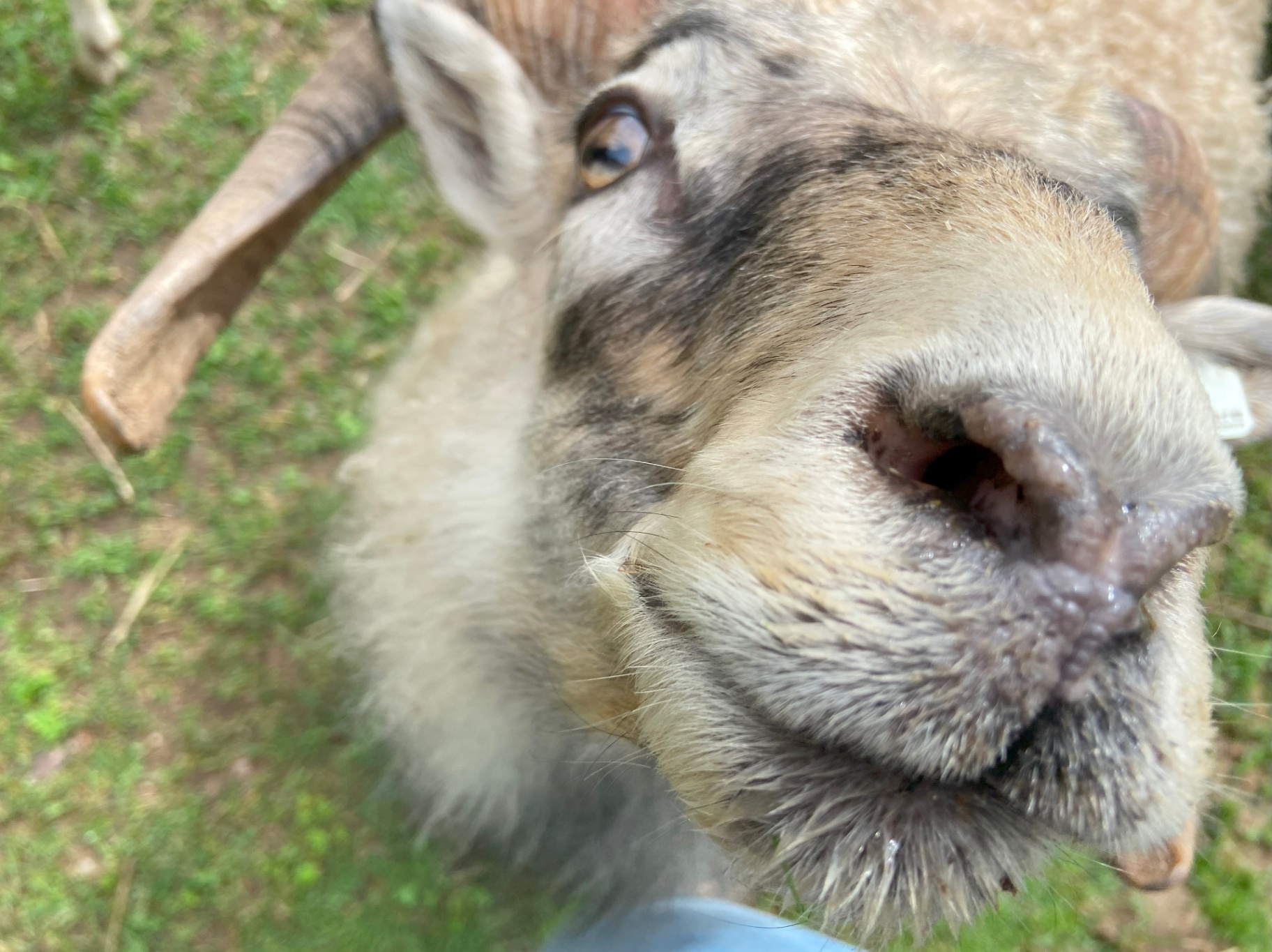
Why Icelandic Milk Is Better for Sensitive Skin
The "secret" of the Icelandic breed also lies in its molecular structure. Sheep milk has smaller fat globules compared to cow milk, which makes it more easily absorbed by the skin. Furthermore, it contains high levels of Alpha-hydroxy acids (AHAs), specifically lactic acid.
Lactic acid is a gentle natural exfoliant. It helps to dissolve the "glue" that holds dead skin cells together, encouraging cell turnover without the irritation often caused by synthetic chemical peels. This makes our Frankincense Sheep Milk Soap an excellent choice for those struggling with dullness or uneven texture.
A Natural Source of Retinol?
While not a direct replacement for pharmaceutical-grade retinol, sheep milk is naturally high in Vitamin A. Vitamin A is essential for skin repair and collagen production. By using heritage Icelandic milk, we provide a bioavailable form of these nutrients that the skin can recognize and utilize immediately.
Sustainability and the Microbiome
At Scalise Family Sheep Farm LLC, we believe that healthy skin starts with a healthy environment. This applies to both our pastures and your skin's microbiome.
Commercial skincare often contains preservatives that kill the "good" bacteria on your skin, leading to imbalances, breakouts, and dryness. Icelandic sheep milk acts as a prebiotic. The unique sugars and proteins in the milk nourish the beneficial bacteria on your skin, helping to maintain a balanced microbiome.

Our commitment to the Icelandic breed also supports agricultural biodiversity. By choosing a rare breed, we help ensure that these unique genetics aren't lost to the march of industrial farming. We raise our sheep on natural forage, allowing them to graze freely, which further enhances the nutrient profile of the milk. As the saying goes: "You are what you eat," and that applies to our sheep, too.
The Scalise Family Farm Difference
We take the raw, potent power of Icelandic sheep milk and pair it with high-quality botanicals. Whether it's our Peony Skin Balm for intense hydration or our Peppermint Sheep Milk Soap for a refreshing morning routine, every product is built on the foundation of this rare breed's milk.
We didn't choose Icelandic sheep because they were the easiest choice. We chose them because they were the right choice for your skin. The combination of Viking history, 1,100 years of genetic isolation, and an unparalleled lipid profile makes their milk the ultimate luxury in natural skincare.

If you’re ready to experience the Icelandic secret for yourself, we invite you to browse our full collection. Your skin: and the sheep: will thank you.
Academic References & Sources
- Bencini, R., & Pulina, G. (1997). The quality of sheep milk: A review. Australian Journal of Experimental Agriculture, 37(4), 485-504. (Discusses the superior protein and lipid content of sheep milk compared to other ruminants).
- Park, Y. W., Juárez, M., Ramos, M., & Haenlein, G. F. W. (2007). Physico-chemical characteristics of goat and sheep milk. Small Ruminant Research, 68(1-2), 88-113. (An in-depth look at the mineral and vitamin density of sheep milk).
- Adalsteinsson, S. (1981). Origin and conservation of the Icelandic livestock. Journal of Animal Science. (Details the 1,100-year isolation and genetic purity of the Icelandic sheep breed).
- Raynal-Ljutovac, K., et al. (2008). Lipids of goat and sheep milk: Their diversity and impact on human nutrition and health. Small Ruminant Research. (Explores the specific fatty acid profiles and triglycerides found in sheep dairy).
- Meydani, S. N., & Ha, W. K. (2000). Immunologic effects of yogurt and milk. The American Journal of Clinical Nutrition. (Research supporting the prebiotic effects of dairy components on the microbiome).
- Barłowska, J., et al. (2011). Nutritional Value and Technological Suitability of Milk from Various Animal Species used for Dairy Production. Comprehensive Reviews in Food Science and Food Safety. (Comparative analysis of nutrient density across different heritage and commercial breeds).


