

September is a natural time to simplify your skincare routine. After months of sun exposure, heat, sweat, swimming, frequent washing, and changing indoor conditions, many people notice tighter, rougher, flakier, or more reactive skin.
A practical fall routine does not need a dozen products. The fundamentals of skin barrier repair are straightforward: cleanse gently, avoid unnecessary irritation, moisturize while skin is slightly damp, protect against continued environmental exposure, and introduce new products one at a time.
At Scalise Family Sheep Farm, we make handmade natural soap, sheep-milk soap, and small-batch skin balms for people who prefer simple, farm-sourced skincare. Our products are not medical treatments, and no natural ingredient is automatically right for every person. The goal is to help you build a routine that is consistent, comfortable, and appropriate for your skin.
Why Skin Often Feels Drier at the End of Summer
The skin barrier is largely supported by the outermost layer of skin, the stratum corneum. It helps limit water loss and protects against environmental irritants. Researchers commonly assess barrier performance using transepidermal water loss, or TEWL. In general, higher TEWL suggests that more water is escaping through the skin barrier.
Several late-summer and early-fall exposures may contribute to dryness:
- Ultraviolet radiation: Higher-dose or repeated UV exposure can disrupt stratum-corneum lipids, alter barrier proteins, and increase TEWL. A review of UV-related barrier changes describes these effects as dose- and exposure-dependent: not every brief exposure produces the same response, but sun protection remains important for preserving skin health. (Alhasaniah et al., 2018)
- Heat and sweat: Heat increases sweating and often leads to more frequent showers, face washing, towel drying, and use of cleansing products. These habits can become irritating when repeated several times a day.
- Frequent washing: Water exposure itself is not always harmful, but long washing sessions, hot water, aggressive rubbing, and repeated cleansing can increase irritation and temporarily affect barrier function.
- Temperature shifts: Moving between warm outdoor air, air conditioning, cool mornings, and early heating can challenge skin that is already dry or sensitive.
- Lower indoor humidity: Dry indoor air can increase water loss from the skin. A 2025 reconstructed-human-epidermis study found that low humidity rapidly increased TEWL and changed the expression of proteins involved in epidermal structure and tight-junction function. However, this was a laboratory model: not a clinical trial in people: so it helps explain a possible mechanism without predicting exactly how every person will respond. (Izutsu-Matsumoto et al., 2025)
- Pollution: A systematic review found that studies of particulate matter and nitrogen dioxide generally reported increased TEWL. However, the same review found conflicting results regarding season and climate. In other words, “fall dryness” is a reasonable practical observation, but the scientific evidence does not show that every season or climate produces the same TEWL pattern. (Green et al., 2022)
A one-year study of 10 participants also found seasonal changes in facial microbiome composition and skin measurements, including TEWL. The study identified associations between certain bacterial groups and barrier measurements, but its very small sample size means it should be viewed as preliminary rather than universal proof of how seasonal skin behaves. (Seo et al., 2023)
The Simple Fall Skin-Barrier Routine
1. Cleanse gently: and only as often as needed
Use cleanser where it is needed rather than automatically washing every area repeatedly. For many people, one thorough evening cleanse is sufficient for the face, while a gentle body cleanse can be adjusted according to activity, sweat, and personal preference.
Choose lukewarm water instead of very hot water. In a study of 50 healthy volunteers, hot-water exposure increased TEWL, skin pH, and erythema more than baseline measurements. Cold-water exposure also changed some barrier measurements, which is another reason to choose comfortable, moderate water rather than extreme temperatures. (Herrero-Fernandez et al., 2022)
Avoid abrasive scrubbing, rough washcloths, and vigorous towel drying. Pat skin dry, leaving it slightly damp.
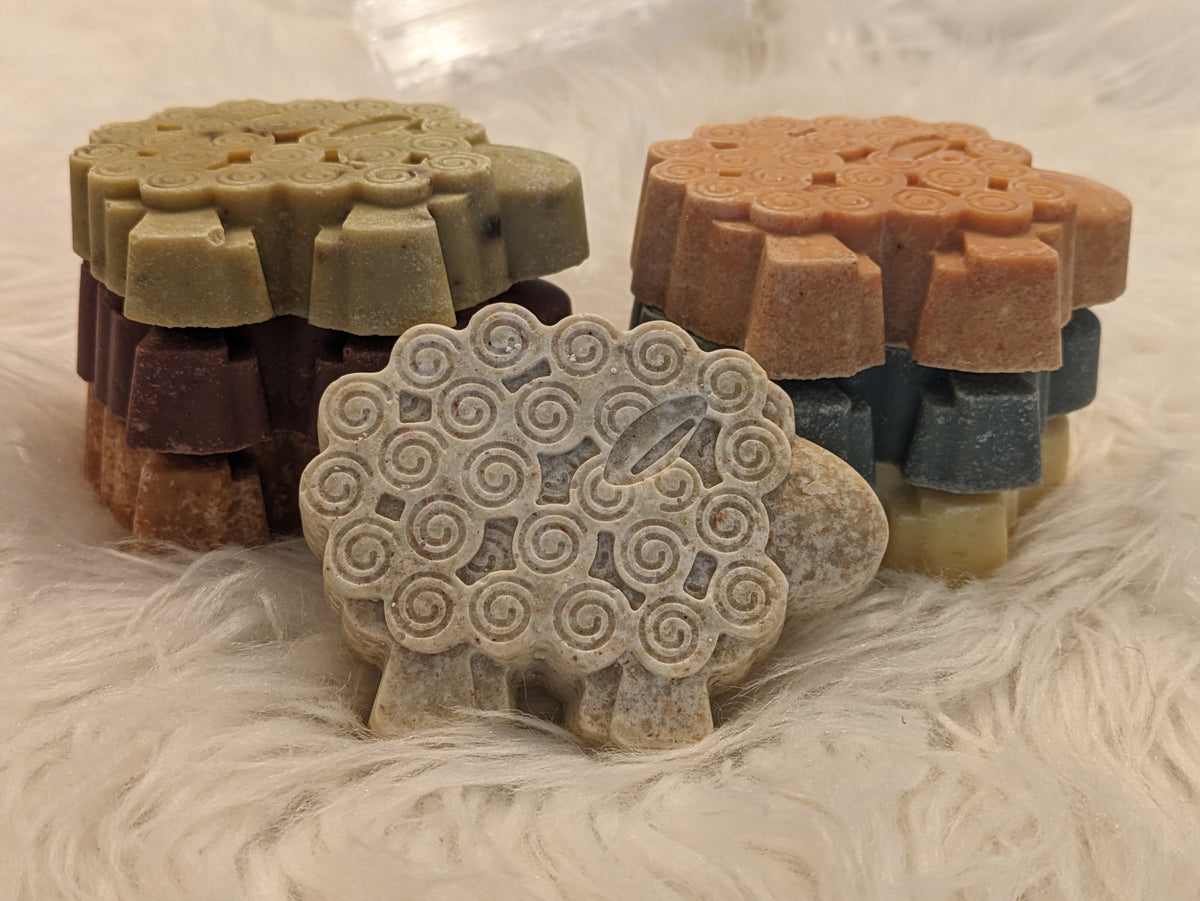
Our handmade sheep-milk soap collection includes both scented and unscented options. Handmade does not automatically mean hypoallergenic or suitable for everyone, and traditional soap formulations may not be right for every facial skin type. Consider using a sheep-milk soap first on the body, follow the product directions, and stop if you experience burning, persistent redness, or worsening dryness.
2. Apply an emollient while skin is damp
Moisturizers work through several complementary mechanisms:
- Humectants help attract or bind water.
- Emollients help smooth rough spaces between skin cells.
- Occlusives form a surface layer that slows evaporation.
A 2025 review explains that basic emollients commonly combine these functions and remain a standard approach for managing dry skin. The review also emphasizes that the exact formula matters; “natural” is not a substitute for understanding what a product contains or how your skin responds. (Fluhr, Muguet, & Christen-Zaech, 2025)
Apply a suitable balm or moisturizer shortly after bathing or washing, while the skin is still slightly damp. This helps retain some of the water already present at the skin surface.
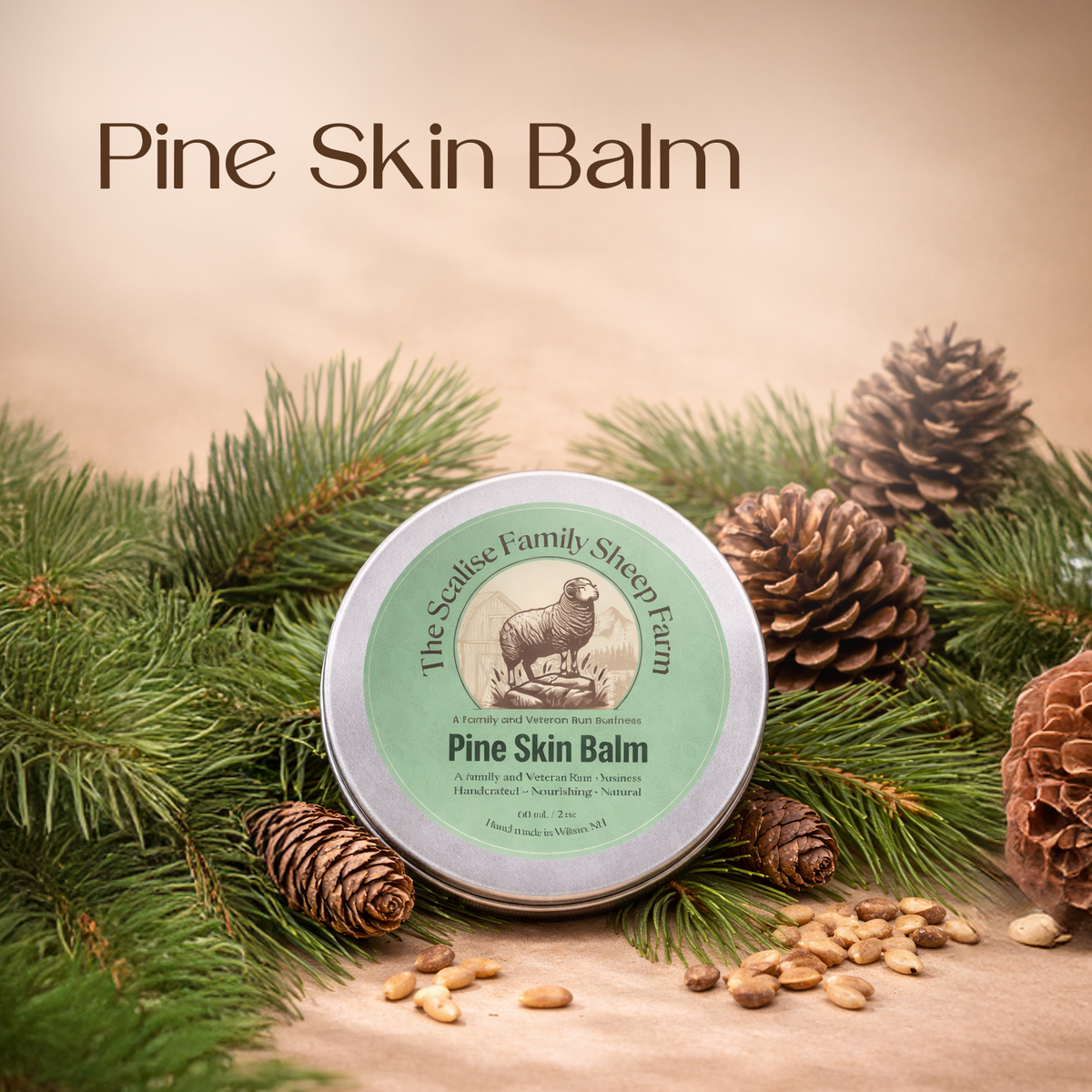
Our skin balm collection includes small-batch balms made with simple, nourishing ingredients. The Unscented Skin Balm may be a useful option for people who prefer to avoid added fragrance. Our Lavender Skin Balm, along with other scented balms, is intended for external moisturizing and protection of dry areas such as hands, elbows, and rough patches.
These products should not be described as repairing eczema, psoriasis, sun damage, or another diagnosed skin disease. They are cosmetic moisturizers and should be considered part of a personal-care routine: not a replacement for medical treatment.
3. Choose scented or unscented thoughtfully
Scent is a personal preference, but fragrance and botanical ingredients can cause irritation or allergic contact dermatitis in some individuals. Essential oils are naturally derived, but “natural” does not mean allergy-free.
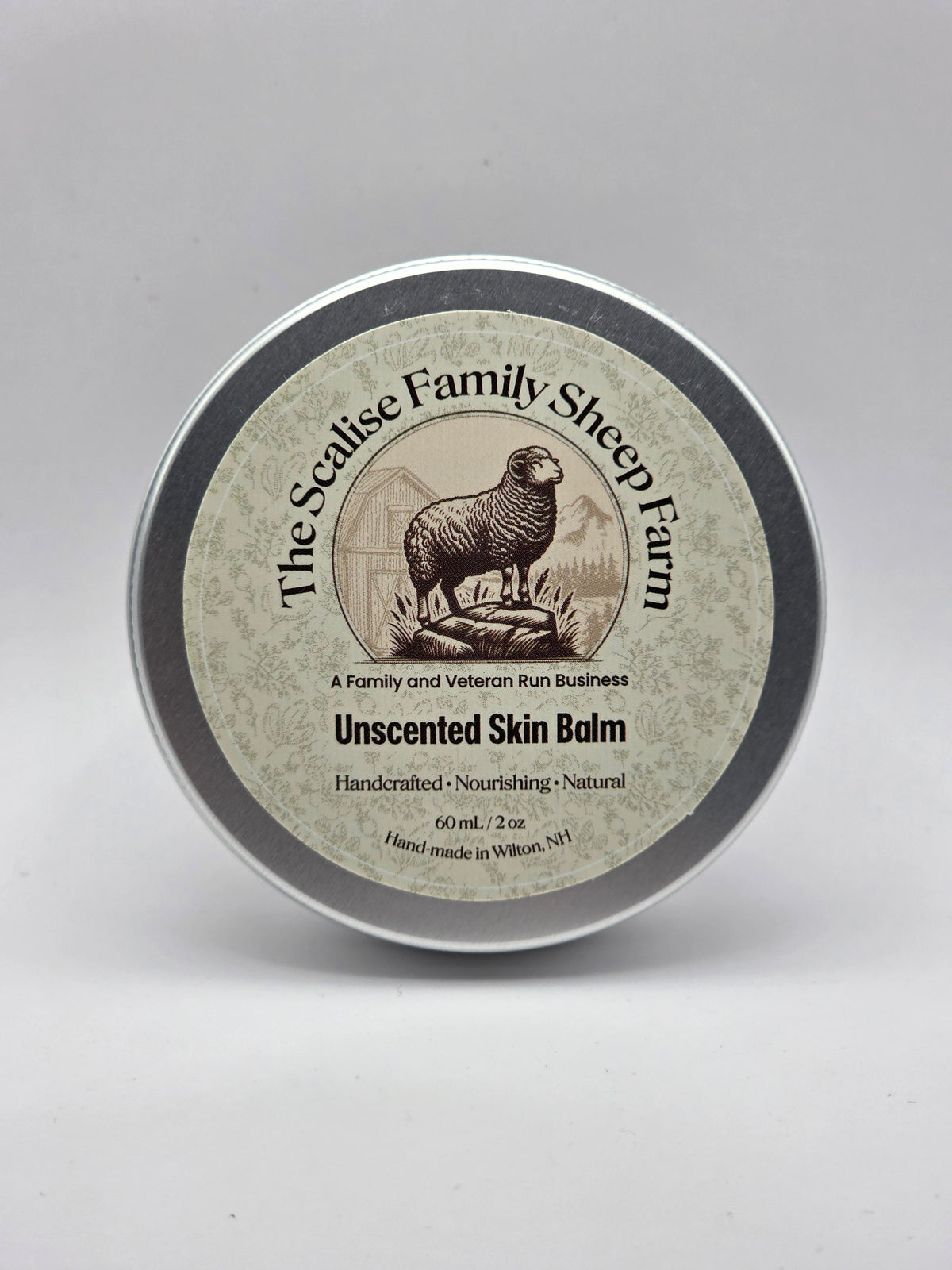
People with a history of fragrance sensitivity, recurring rashes, or easily irritated skin may prefer to begin with a fragrance-free or unscented option. The Unscented Sheep Milk Soap and Unscented Skin Balm can help reduce exposure to fragrance ingredients, although no product can guarantee that every person will tolerate it.
For a new product, apply a small amount to a limited area first and observe your skin over the next day or two. This type of consumer spot check is not the same as dermatologist-performed patch testing. If you repeatedly develop a rash from cosmetics, a dermatologist or allergy specialist can evaluate whether formal patch testing is appropriate. (Johansen et al., 2020)
4. Add only one new product at a time
A fall reset is not the best time to change everything at once. If your skin is tight or stinging, temporarily reduce unnecessary scrubs, strong exfoliating acids, or other products that cause discomfort. Once your skin feels comfortable, reintroduce one product at a time so you can identify what helps: or what causes irritation.
Keep sunscreen in your routine. Cooler weather does not eliminate UV exposure, and protecting skin from additional environmental stress supports long-term skin health.
What About Sudden Temperature Changes?
A 2025 article in the Journal of Investigative Dermatology is titled “Repeated temperature fluctuation exposure causes prolonged skin barrier dysfunction” and is relevant to the transition between outdoor and indoor environments. However, the PubMed record does not provide an abstract, so the study population, experimental conditions, limitations, and effect sizes cannot be responsibly summarized from the citation alone. (Hui-Beckman et al., 2025)
The practical takeaway is modest: avoid unnecessarily extreme heat, shorten very hot showers, protect exposed skin from harsh weather, and moisturize consistently. These habits are reasonable even while researchers continue clarifying how climate, temperature, humidity, pollution, and individual biology interact.
A Practical Fall Checklist
- Use lukewarm water.
- Avoid long showers and repeated cleansing when it is not necessary.
- Pat skin dry instead of rubbing.
- Apply a balm or moisturizer while skin is slightly damp.
- Choose unscented products if fragrance commonly bothers your skin.
- Introduce one new product at a time.
- Continue daily sun protection.
- Seek professional advice for persistent itching, cracking, bleeding, swelling, pain, or a spreading rash.
Medical Disclaimer
This article is for general education and skincare information only. It is not medical advice and does not diagnose, treat, cure, or prevent any disease. Scalise Family Sheep Farm products are cosmetic products for external use. Discontinue use if irritation occurs. Consult a dermatologist for persistent dryness, significant inflammation, suspected allergy, infection, eczema, psoriasis, or any skin change that concerns you.
Academic References & Scientific Sources
-
Alhasaniah A, Sherratt MJ, O’Neill CA. The impact of ultraviolet radiation on barrier function in human skin: molecular mechanisms and topical therapeutics. Current Medicinal Chemistry. 2018;25(40):5503–5511. PMID: 29110595.
-
Seo JY, You SW, Gu KN, et al. Longitudinal study of the interplay between the skin barrier and facial microbiome over 1 year. Frontiers in Microbiology. 2023;14:1298632. PMID: 38033568. DOI: 10.3389/fmicb.2023.1298632.
-
Green M, Kashetsky N, Feschuk A, Maibach HI. Transepidermal water loss (TEWL): environment and pollution: a systematic review. Skin Health and Disease. 2022;2(2):e104. PMID: 35677917. DOI: 10.1002/ski2.104.
-
Hui-Beckman JW, Kim BE, Lyubchenko T, et al. Repeated temperature fluctuation exposure causes prolonged skin barrier dysfunction. Journal of Investigative Dermatology. 2025. PMID: 40158771. DOI: 10.1016/j.jid.2025.02.154.
-
Izutsu-Matsumoto Y, Okano Y, Masaki H, Tokudome Y, Iwabuchi T. Effect of low humidity on the barrier functions of keratinocytes in a reconstructed human epidermal model. International Journal of Cosmetic Science. 2025;47(3):523–534. PMID: 39935117. DOI: 10.1111/ics.13048.
-
Herrero-Fernandez M, Montero-Vilchez T, Diaz-Calvillo P, et al. Impact of water exposure and temperature changes on skin barrier function. Journal of Clinical Medicine. 2022;11(2):298. PMID: 35053992. DOI: 10.3390/jcm11020298.
-
Fluhr JW, Muguet V, Christen-Zaech S. Restoring skin hydration and barrier function: mechanistic insights into basic emollients for xerosis cutis. International Journal of Dermatology. 2025;64(Suppl 1):5–12. PMID: 40231699. DOI: 10.1111/ijd.17790.
-
Park EH, Jo DJ, Jeon HW, Na SJ. Effects of winter indoor environment on the skin: unveiling skin condition changes in Korea. Skin Research and Technology. 2023;29(6):e13397. PMID: 37357654. DOI: 10.1111/srt.13397.
-
Allergic contact dermatitis to fragrances. Contact Dermatitis. 2020. PMID: 32475515.


