

In the modern skincare landscape, the "clean beauty" movement has led many consumers away from synthetic detergents and back toward ancestral wisdom. At Scalise Family Sheep Farm LLC, we see a recurring debate among those with reactive or sensitive skin: Should I use sheep milk soap or beef tallow-based products?
Both are traditional, nutrient-dense fats that have been used for centuries to heal and protect human skin. However, when we look under the microscope at their molecular structures: specifically their fatty acid profiles and vitamin densities: distinct differences emerge. Choosing the right one depends on whether your skin needs deep cellular repair, an occlusive moisture barrier, or gentle enzymatic exfoliation.
Understanding the Skin Barrier: The Science of Lipids
Before comparing these two ingredients, we must understand the "bricks and mortar" of the skin. The stratum corneum (the outermost layer of skin) consists of skin cells (corneocytes) held together by a lipid matrix. This matrix is composed primarily of ceramides, cholesterol, and fatty acids.
When this barrier is compromised: often seen in conditions like eczema, rosacea, or general sensitivity: it leads to increased Transepidermal Water Loss (TEWL). According to research published in the Journal of Clinical and Aesthetic Dermatology, topical application of lipids that mimic the skin’s natural composition is the most effective way to restore this barrier (Del Rosso et al., 2013).
The Molecular Power of Sheep Milk: Caprylic and Capric Acids
Sheep milk is a powerhouse of nutrition, often overlooked in favor of goat or cow milk. However, from a dermatological perspective, sheep milk is superior due to its higher solid content and specific lipid profile.
The Short-Chain Advantage
Sheep milk is exceptionally high in Medium-Chain Triglycerides (MCTs), specifically Caprylic Acid (C8:0) and Capric Acid (C10:0).
- Caprylic Acid: Research indicates that caprylic acid has potent antimicrobial and antifungal properties. Because its molecular chain is relatively short, it can penetrate the skin more effectively than longer-chain fats, delivering moisture to deeper layers of the epidermis.
- Capric Acid: This fatty acid works in tandem with caprylic acid to reinforce the skin’s moisture-retention capabilities without leaving a heavy, greasy residue.
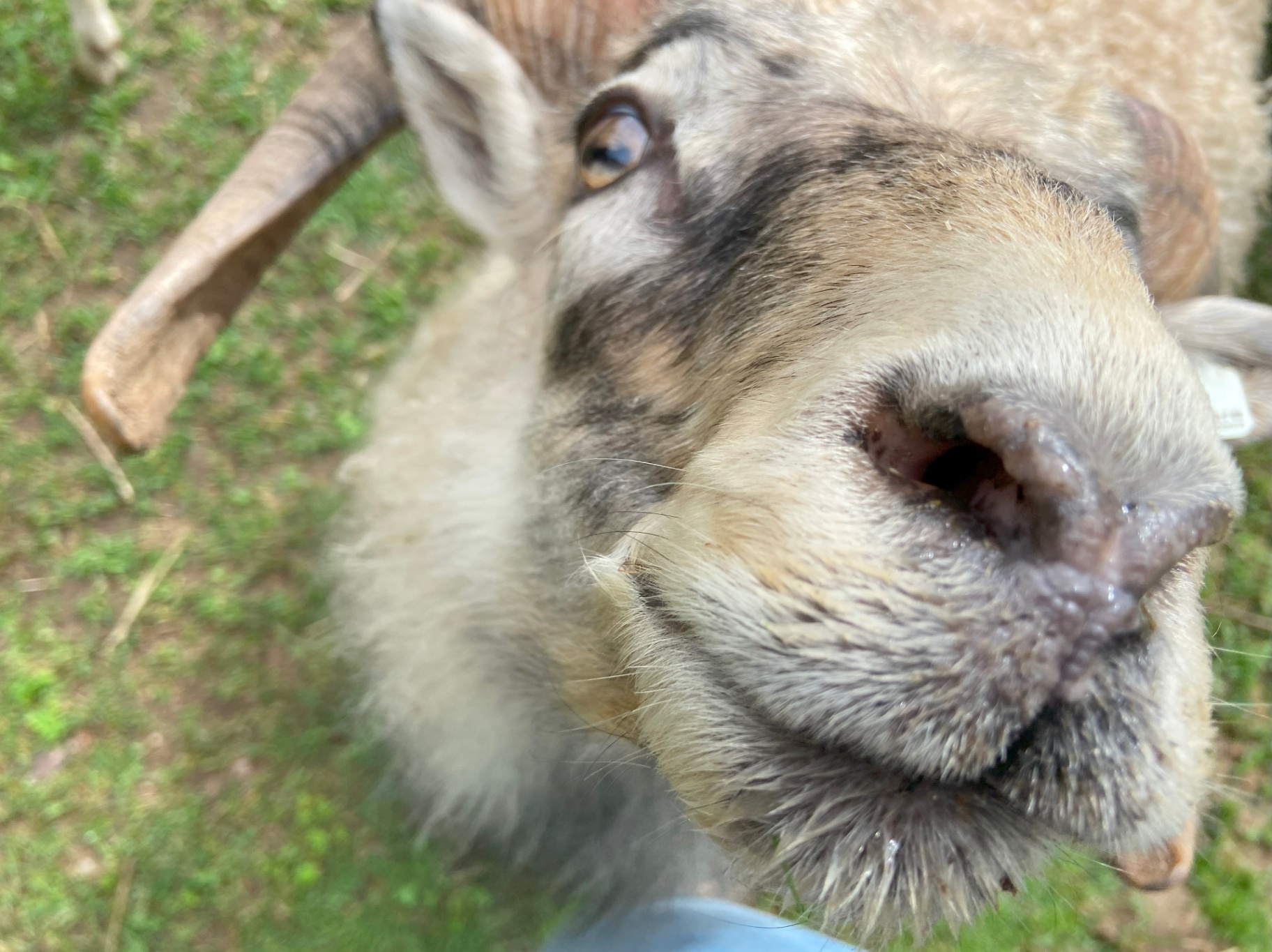
Natural Lactic Acid Exfoliation
Unlike tallow, sheep milk naturally contains Lactic Acid, an Alpha Hydroxy Acid (AHA). For sensitive skin, traditional physical exfoliants are often too harsh. Lactic acid is unique because it is a "humectant exfoliant." It gently breaks the bonds between dead skin cells while simultaneously drawing moisture into the skin.
If you are struggling with dullness or rough patches alongside sensitivity, our Lavender Sheep Milk Soap provides that gentle enzymatic action without the irritation of synthetic acids.

The Protective Strength of Tallow: Oleic and Palmitic Acids
Tallow, specifically "rendered beef fat," has gained a cult following because it is "biocompatible" with human sebum. Our skin’s sebum is roughly 30–40% oleic acid, making tallow an excellent structural match.
The "Skin-Like" Fatty Acids
Tallow is dominated by Oleic Acid (C18:1) and Palmitic Acid (C16:0).
- Oleic Acid: This is a monounsaturated omega-9 fatty acid. It is highly occlusive, meaning it creates a physical "seal" on the skin. This is vital for individuals with extremely dry skin or those living in harsh, cold climates where TEWL is at its peak.
- Palmitic Acid: This is a saturated fatty acid that naturally decreases in our skin as we age. By applying tallow topically, you are essentially replenishing the skin’s natural softening agents.
While tallow is a phenomenal moisturizer, it lacks the enzymatic exfoliation properties found in sheep milk. It is best used as a "sealer" or balm rather than a cleansing agent. For those looking for the benefits of deep lipid replenishment, we often recommend following a sheep milk wash with a targeted treatment like our Frankincense Skin Balm.
Nutrient Density: A Comparative Analysis
When it comes to vitamins, both sheep milk and tallow offer a "whole food" approach to skincare. They contain fat-soluble vitamins (A, D, E, and K) in their most bioavailable forms.
| Nutrient | Sheep Milk (Ovine) | Beef Tallow |
|---|---|---|
| Vitamin A | High (Retinol) | Moderate |
| Vitamin D | Moderate | High |
| Vitamin E | Very High (Alpha-tocopherol) | Moderate |
| Vitamin K | Trace | High (K2) |
| Proteins | A2 Beta-Casein & Whey | None |
Vitamin A (Retinol)
Sheep milk contains high levels of Vitamin A, which aids in cellular turnover and collagen production. This makes it an ideal choice for sensitive skin that is also showing signs of aging.
Vitamin E (Tocopherol)
Sheep milk is a significant source of Vitamin E, a powerful antioxidant that protects the skin from oxidative stress and UV damage. A study in The Journal of Dairy Science noted that sheep milk contains significantly higher concentrations of Vitamin E than either cow or goat milk (Park et al., 2007).
Which One Is Better for You?
The choice between sheep milk soap and tallow depends on your primary skin concern.
Choose Sheep Milk Soap If:
- You have acne-prone but sensitive skin. The caprylic acid provides antimicrobial benefits without clogging pores.
- You want gentle brightening. The lactic acid helps with hyperpigmentation and texture.
- You prefer a creamy, non-greasy lather. Our Frankincense Sheep Milk Soap is designed for high-lather hydration.
Choose Tallow Balms If:
- You have severely cracked or "compromised" skin. The palmitic acid helps rebuild the physical barrier.
- You need protection against extreme weather. Tallow's occlusive nature is unmatched for winter protection.
- You are looking for post-cleansing protection.
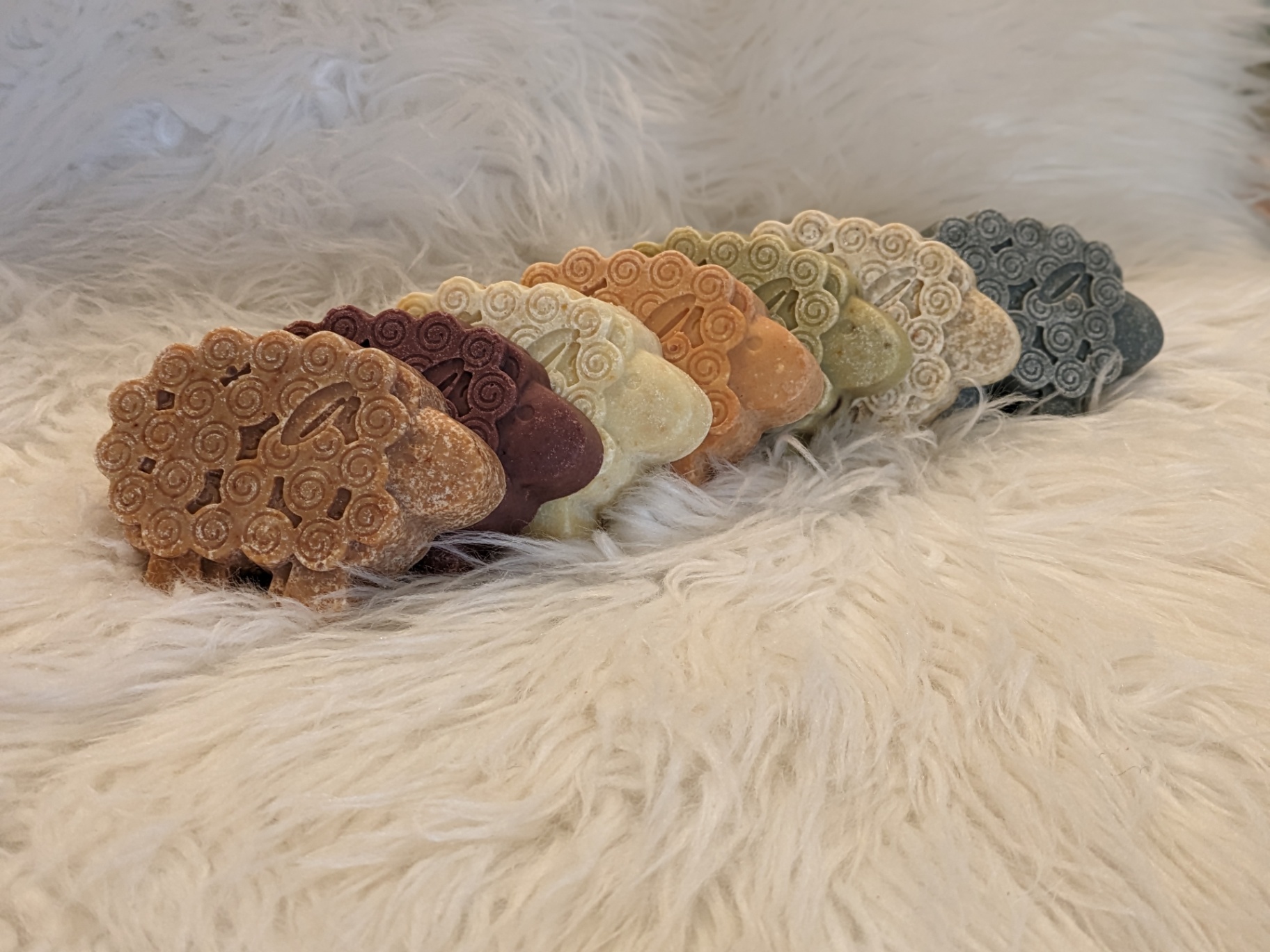
The Scalise Family Farm Approach: The "Golden Ratio"
At Scalise Family Sheep Farm LLC, we don't think you should have to choose. In fact, the most effective skincare routine for sensitive skin involves using the cleansing power of Icelandic sheep milk followed by the protective barrier of traditional fats.
Our soaps, such as the Rose Sheep Milk Soap, use the high fat content of our Icelandic flock to ensure that your skin is never "stripped" during the washing process. While most commercial soaps use harsh surfactants (like Sodium Lauryl Sulfate) that dissolve the skin’s lipid barrier, our sheep milk soaps actually add lipids back into the skin during the wash.

Why Icelandic Sheep?
Not all sheep milk is created equal. Our Icelandic sheep are a primitive breed, and their milk is notoriously rich in A2 proteins and minerals. This "Icelandic Secret" means the milk we use in our products has a higher concentration of the beneficial fatty acids mentioned above compared to commercial breeds.
Conclusion
When comparing sheep milk soap and tallow, the science points to a complementary relationship. Sheep milk excels at deep hydration and gentle renewal through MCTs and AHAs, while tallow excels at protection and barrier mimicry through long-chain fatty acids.
For those with sensitive skin, the goal is always to minimize inflammation while maximizing nutrient absorption. By moving away from synthetic chemicals and toward the bioavailable fats found on the farm, you are giving your skin the building blocks it needs to heal itself.
Explore our full range of sheep milk soaps and see the difference that high-density ovine lipids can make for your complexion.
Academic References & Citations
- Del Rosso, J. Q., & Levin, J. (2013). "The Clinical Relevance of Maintaining the Structural and Functional Integrity of the Skin Barrier." The Journal of Clinical and Aesthetic Dermatology, 6(3), 19–27.
- Park, Y. W., Juárez, M., Ramos, M., & Haenlein, G. F. W. (2007). "Physico-chemical characteristics of goat and sheep milk." Small Ruminant Research, 68(1-2), 88-113.
- Mantzourani, I., et al. (2019). "Sheep milk: A source of bioactive compounds with potential health benefits." International Journal of Molecular Sciences, 20(21).
- Borkow, G. (2014). "Using Copper to Improve the Well-Being of the Skin." Current Chemical Biology, 8(2), 89-102. (Relevant to the mineral content found in ovine milk).
- Ghadially, R., et al. (1995). "The Aged Epidermal Permeability Barrier: Structural, Functional, and Lipid Biochemical Abnormalities in Humans and a Senescent Murine Model." Journal of Clinical Investigation. (Discussing the role of Palmitic and Oleic acids).


