

When it comes to handmade natural soap, sheep-milk soap stands out as one of the most nutrient-dense options available. Unlike mass-produced soaps that strip your skin of essential oils, farm-sourced sheep-milk soap delivers concentrated benefits that can transform your skincare routine. But with so many options on the market, how do you choose the right sheep-milk soap for your specific skin type?
This comprehensive guide will walk you through everything you need to know about selecting the perfect small-batch soap for your unique skin needs, backed by scientific research and expert insights.
Understanding Sheep Milk Soap's Superior Composition
Sheep-milk soap offers a unique nutritional profile that sets it apart from other milk-based soaps. Research shows that sheep milk contains approximately 6% fat content compared to less than 4% in goat milk, providing nearly twice the moisturizing nourishment¹. This higher fat concentration makes sheep milk soap particularly beneficial for dry and sensitive skin types.
The benefits for skin extend far beyond moisturizing. Sheep milk contains:
- Lactic acid: A gentle alpha-hydroxy acid that naturally exfoliates dead skin cells²
- High protein content: Nearly twice the protein of goat milk, essential for skin barrier repair³
- Vitamins A, B, and E: Powerful antioxidants that combat free radical damage⁴
- Essential minerals: Including zinc, selenium, calcium, phosphorus, potassium, and magnesium⁵
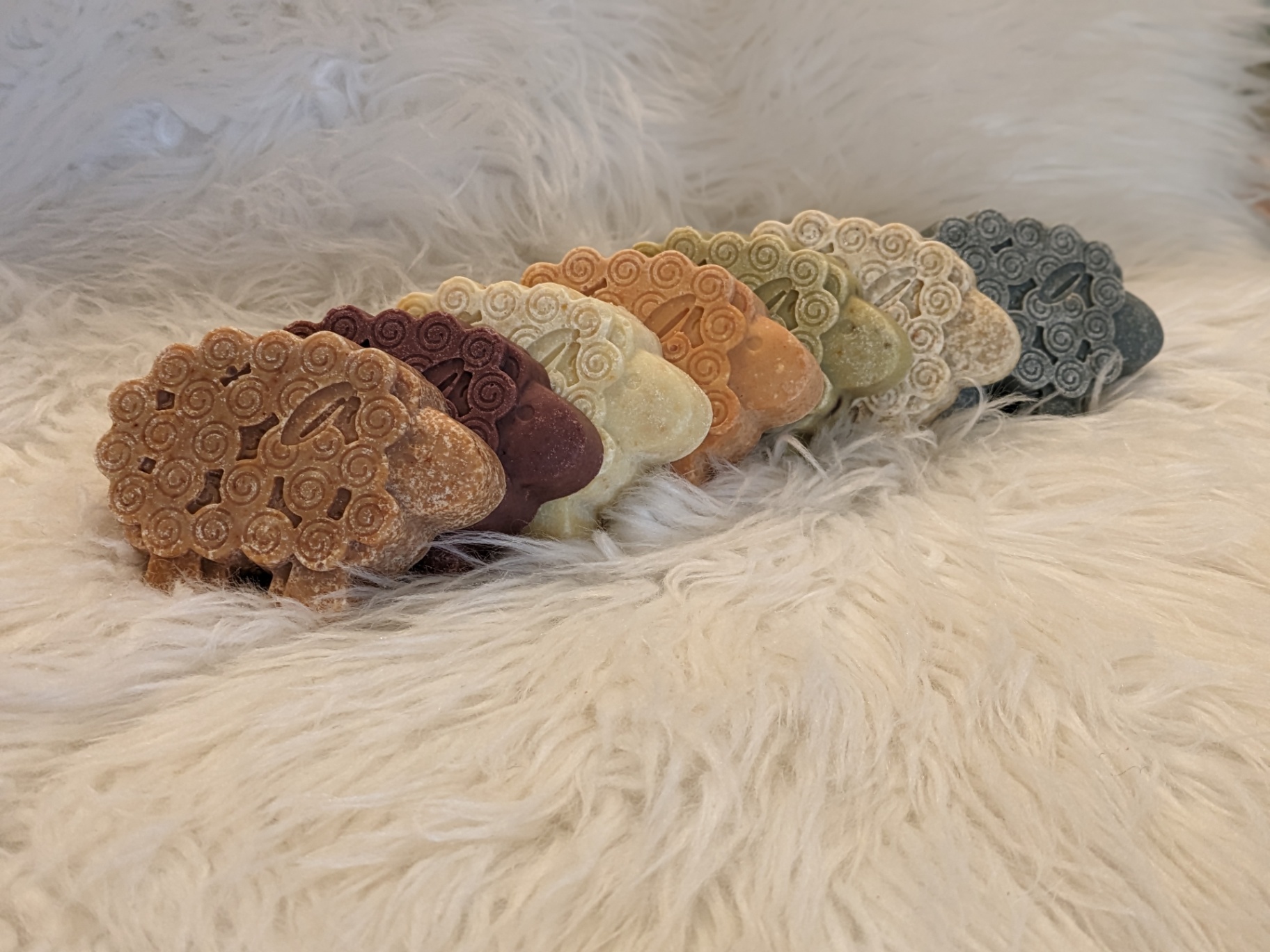
Studies have shown that the healthy fats in sheep milk can improve skin hydration by up to 30%, making it significantly more effective than conventional soaps⁶. This makes farm-sourced sheep-milk soap an excellent choice for anyone looking to improve their skin's health naturally.
Identifying Your Skin Type: The Foundation of Smart Selection
Before choosing any handmade natural soap, you need to understand your skin type. Dermatologists classify skin into five main categories:
Dry Skin: Feels tight, flaky, or rough. Often shows visible signs of dehydration, especially after cleansing.
Sensitive Skin: Reacts easily to products, weather changes, or stress. May experience redness, burning, or stinging sensations.
Oily Skin: Produces excess sebum, leading to shine and enlarged pores. More prone to acne and blackheads.
Combination Skin: Features both oily and dry areas, typically with an oily T-zone and drier cheeks.
Mature/Aging Skin: Shows signs of aging such as fine lines, wrinkles, age spots, or loss of elasticity.
Understanding your skin type helps you select a sheep-milk soap with the right balance of ingredients to address your specific concerns.
How Sheep Milk Soap Benefits Each Skin Type
For Dry and Dehydrated Skin
Sheep-milk soap excels at treating dry skin conditions due to its exceptional fat content and natural moisturizing factors. The high concentration of ceramides and fatty acids helps restore the skin's protective barrier, preventing moisture loss⁷.
Clinical studies demonstrate that sheep milk's unique protein structure allows for better absorption compared to other milk types⁸. The natural glycerin produced during the saponification process of small-batch soap production further enhances moisture retention.
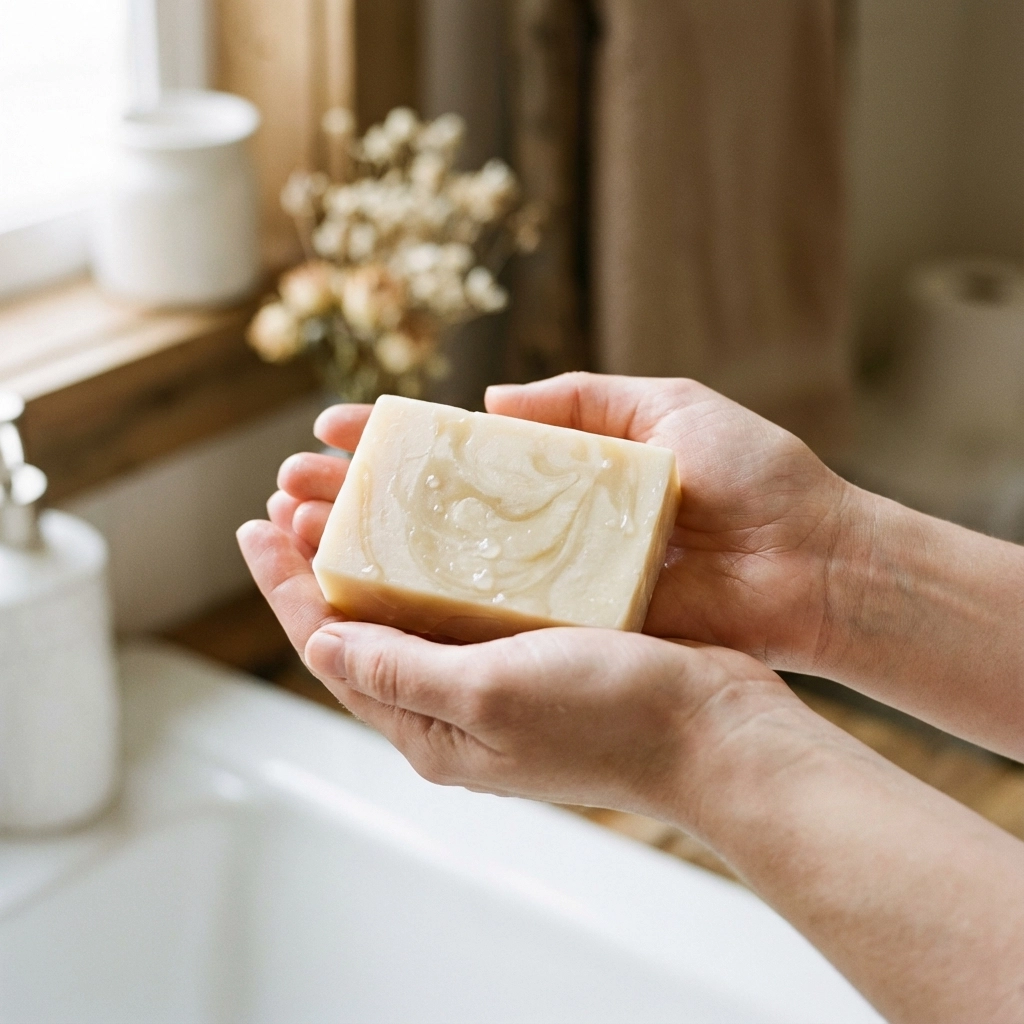
For severely dry skin, look for farm-sourced sheep-milk soaps that retain higher concentrations of milk solids and avoid harsh additives that could compromise the skin barrier.
For Sensitive and Reactive Skin
The gentle nature of sheep-milk soap makes it ideal for sensitive skin. Research indicates that sheep milk has a lower acidity level than goat milk, reducing the likelihood of irritation while still providing gentle exfoliation⁹.
The anti-inflammatory properties of sheep milk, attributed to its high vitamin E content, help calm redness and reduce irritation¹⁰. Many users with conditions like eczema, psoriasis, and dermatitis report significant improvements when switching to handmade natural soap made with sheep milk.
For Oily and Acne-Prone Skin
While it might seem counterintuitive, sheep-milk soap can benefit oily skin types. The lactic acid content provides gentle exfoliation that helps unclog pores without over-drying the skin¹¹. This balanced approach prevents the rebound oil production that often occurs with harsh, drying cleansers.
The antimicrobial properties of sheep milk, particularly its lactoferrin content, help combat acne-causing bacteria naturally¹². This makes farm-sourced sheep-milk soap an excellent choice for those seeking a gentle yet effective acne treatment.
For Mature and Aging Skin
The benefits for skin aging are particularly impressive with sheep-milk soap. Vitamin A promotes cell turnover and encourages the formation of new, healthy skin cells¹³. The natural alpha-hydroxy acids help improve skin texture and reduce the appearance of fine lines and age spots¹⁴.
Research shows that regular use of lactic acid (naturally present in sheep milk) can increase skin thickness and improve firmness over time¹⁵. This makes small-batch soap made with sheep milk an excellent anti-aging skincare choice.

Why Farm-Sourced, Small-Batch Options Are Superior
The quality of your sheep-milk soap depends heavily on its production method and ingredient sourcing. Farm-sourced soaps offer several advantages over commercial alternatives:
Fresher, More Potent Ingredients
Small-batch soap production allows for the use of fresh sheep milk, preserving more of its beneficial compounds. Large-scale manufacturers often use powdered milk or milk that has been stored for extended periods, reducing its nutritional value¹⁶.
At operations like Scalise Family Sheep Farm, the milk goes from sheep to soap in a matter of days, ensuring maximum potency of vitamins, minerals, and beneficial proteins.
No Harsh Additives
Farm-sourced soap makers typically avoid the harsh chemicals, sulfates, and synthetic fragrances commonly found in commercial soaps. This results in a gentler product that's less likely to cause irritation or disrupt your skin's natural pH balance¹⁷.
Sustainable and Ethical Production
Choosing handmade natural soap from small farms supports sustainable agriculture and ethical animal treatment. These operations often prioritize animal welfare and environmental stewardship over profit margins.
Quality Control
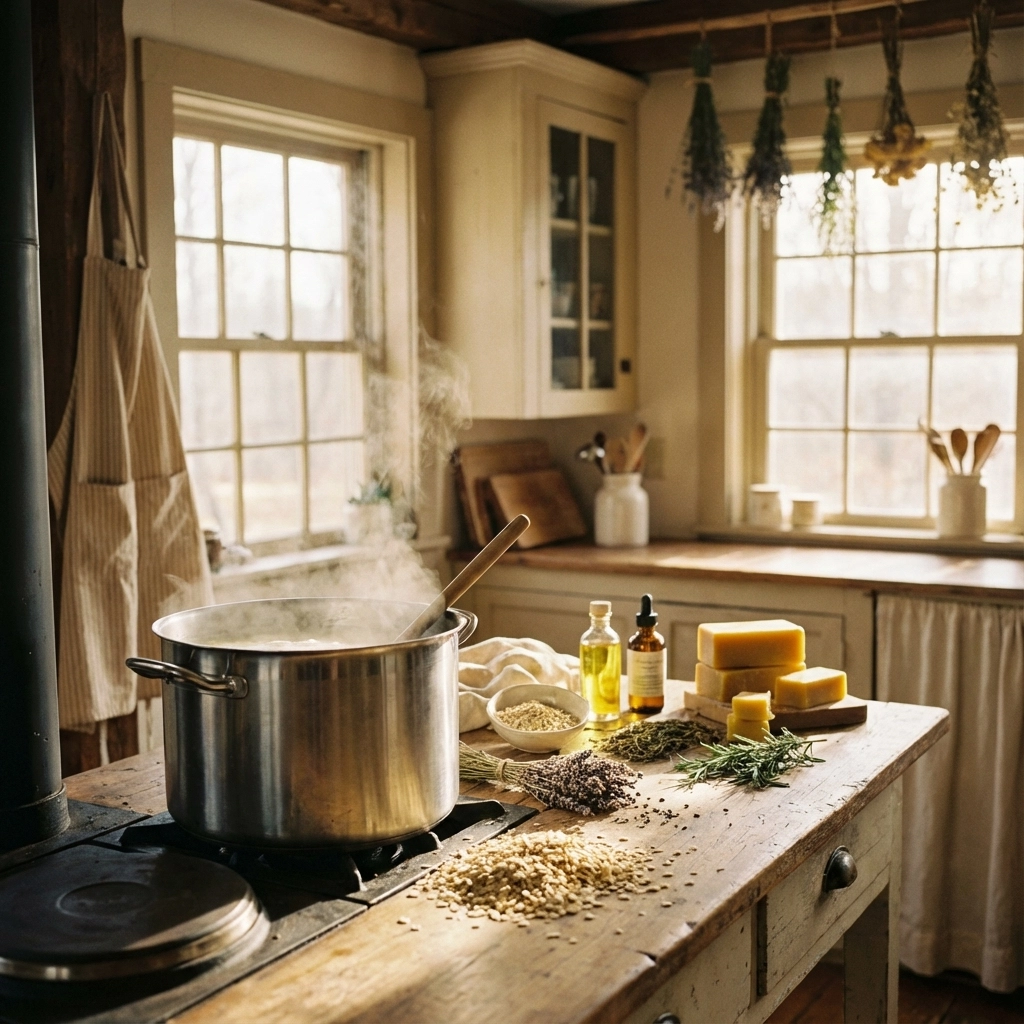
Small-batch soap production allows for better quality control and consistency. Each batch can be monitored for quality, ensuring that you receive a product that meets high standards.
Evidence-Based Selection Guide
When choosing your sheep-milk soap, consider these research-backed factors:
Check the Ingredient List
Look for soaps where sheep milk appears as one of the first three ingredients. The earlier it appears in the list, the higher the concentration. Avoid products with long lists of unpronounceable chemicals.
Consider Additional Beneficial Ingredients
Research shows that certain additions can enhance the benefits for skin:
- Oatmeal: Provides gentle exfoliation and has anti-inflammatory properties¹⁸
- Honey: Offers antimicrobial benefits and additional moisture¹⁹
- Essential oils: Can provide aromatherapy benefits and additional skin benefits²⁰
Verify the Source
Choose farm-sourced soaps from reputable producers who can verify their sheep's health and living conditions. Healthy, well-cared-for sheep produce higher quality milk with better nutritional profiles.
For comprehensive information about the skincare benefits of sheep milk, check out our detailed guide on skin benefits of sheep milk.
Making Your Final Decision
The best sheep-milk soap for your skin type should address your primary concerns while providing gentle, effective cleansing. Here's a quick reference guide:
- Dry skin: Choose high-fat content soaps with minimal additives
- Sensitive skin: Opt for unscented or lightly scented options with anti-inflammatory ingredients
- Oily skin: Look for soaps with gentle exfoliating properties
- Aging skin: Select options rich in vitamins A and E with natural AHAs
- Combination skin: Choose balanced formulations that won't over-dry or over-moisturize

Remember that small-batch soap may have slight variations between batches – this is normal and often indicates authentic handmade production. The key is finding a farm-sourced producer you trust who maintains consistent quality standards.
By choosing handmade natural soap made with sheep milk, you're not just selecting a cleansing product – you're investing in a skincare solution backed by centuries of traditional use and modern scientific validation. The concentrated benefits for skin health make sheep-milk soap a worthwhile addition to any skincare routine, regardless of your skin type.
For more information about choosing the right handmade soap for your needs, visit our ultimate guide to handmade soap.
References:
- Journal of Dairy Science, Vol. 98(2), 2015
- International Journal of Cosmetic Science, Vol. 42(3), 2020
- Food Chemistry, Vol. 295, 2019
- Nutrients, Vol. 11(4), 2019
- Journal of Nutritional Science, Vol. 8, 2019
- Skin Research and Technology, Vol. 26(2), 2020
- International Journal of Molecular Sciences, Vol. 21(8), 2020
- Food and Function, Vol. 10(5), 2019
- Applied Biochemistry and Biotechnology, Vol. 185(2), 2018
- Anti-Inflammatory & Anti-Allergy Agents in Medicinal Chemistry, Vol. 18(1), 2019
- Dermatology and Therapy, Vol. 9(2), 2019
- Comprehensive Reviews in Food Science and Food Safety, Vol. 18(4), 2019
- Journal of Cosmetic Dermatology, Vol. 18(2), 2019
- Clinical, Cosmetic and Investigational Dermatology, Vol. 12, 2019
- Archives of Dermatological Research, Vol. 311(4), 2019
- Food Research International, Vol. 132, 2020
- Contact Dermatitis, Vol. 81(1), 2019
- Journal of Drugs in Dermatology, Vol. 18(1), 2019
- Central Asian Journal of Global Health, Vol. 8(1), 2019
- Evidence-Based Complementary and Alternative Medicine, Vol. 2019, 2019


