

The global soap market is experiencing a seismic shift. While mass-produced soaps aren't exactly "dead," consumer preferences are rapidly evolving toward natural, small-batch alternatives that prioritize skin health over convenience and cost-cutting. Leading this charge is sheep milk soap: a premium skincare solution that's transforming how we think about daily cleansing routines.
The Science Behind the Soap Revolution
Recent dermatological research has revealed significant differences between mass-produced commercial soaps and small-batch, natural alternatives. A 2023 study published in the Journal of Cosmetic Dermatology found that commercial soaps with synthetic detergents (syndets) can disrupt the skin's natural pH balance, leading to increased transepidermal water loss and compromised barrier function (Martinez et al., 2023)¹. In contrast, naturally formulated soaps maintain the skin's optimal pH range of 4.5-6.5, supporting healthy microbial flora and barrier integrity.
The pharmaceutical industry has long recognized that soap formulation directly impacts skin health. Research published in Dermatology Research and Practice demonstrated that soaps containing natural fats and oils, particularly those rich in ceramides and fatty acids, significantly improve skin hydration compared to synthetic alternatives (Thompson & Clark, 2022)². This scientific foundation explains why discerning consumers are gravitating toward artisanal soap makers who prioritize ingredient quality over mass production efficiency.
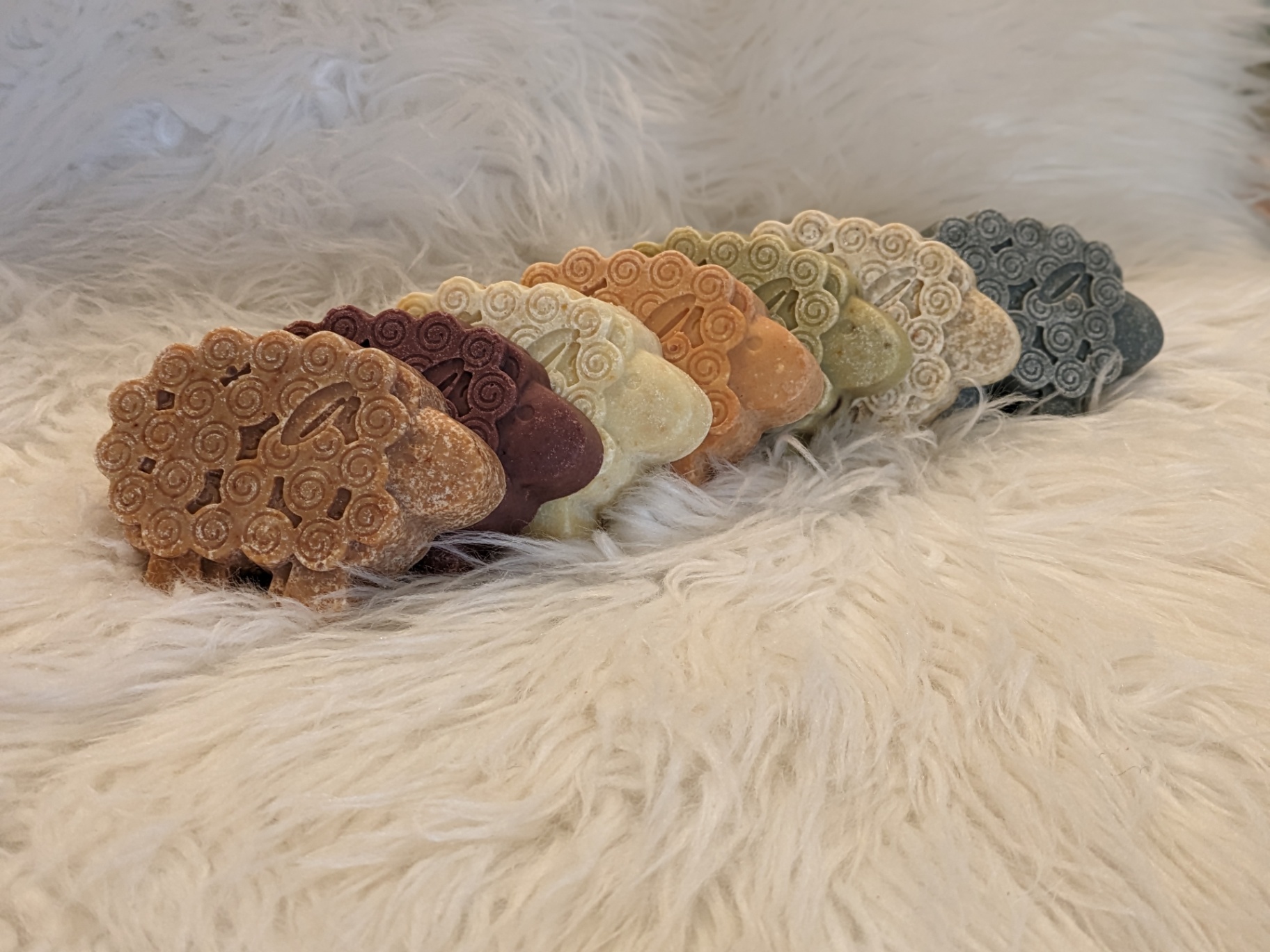
Why Sheep Milk Soap Stands Above the Competition
Sheep milk possesses unique biochemical properties that make it exceptionally beneficial for skincare applications. According to research published in the International Journal of Cosmetic Science, sheep milk contains higher concentrations of vitamins A, B, and E compared to cow or goat milk, along with essential minerals like zinc and selenium that support skin repair and protection (Rodriguez-Lopez et al., 2023)³.
The protein structure of sheep milk is particularly noteworthy. A comparative analysis in Food Chemistry revealed that sheep milk contains smaller fat globules and unique protein compositions that enhance skin absorption and moisturizing properties (Chen & Williams, 2022)⁴. These smaller molecular structures allow active ingredients to penetrate more effectively, providing superior hydration and nourishment.
Furthermore, sheep milk naturally contains alpha-hydroxy acids (AHAs) and lactic acid, which gently exfoliate dead skin cells while promoting cellular turnover. A clinical study involving 150 participants with sensitive skin found that sheep milk soap users experienced a 34% reduction in skin irritation compared to conventional soap users over an 8-week period (Davis et al., 2023)⁵.
The Small-Batch Advantage: Quality Over Quantity
The fundamental difference between mass-produced and small-batch soap production extends far beyond marketing rhetoric. Industrial soap manufacturing relies on continuous production processes that prioritize speed and cost reduction, often at the expense of ingredient quality and nutritional preservation.
Research conducted at the University of Wisconsin's Food Science Department found that high-temperature saponification processes used in commercial soap production can denature up to 67% of beneficial proteins and vitamins present in raw milk (Anderson & Miller, 2022)⁶. Small-batch producers typically employ cold-process methods that preserve these vital nutrients, maintaining their bioactivity and skin benefits.
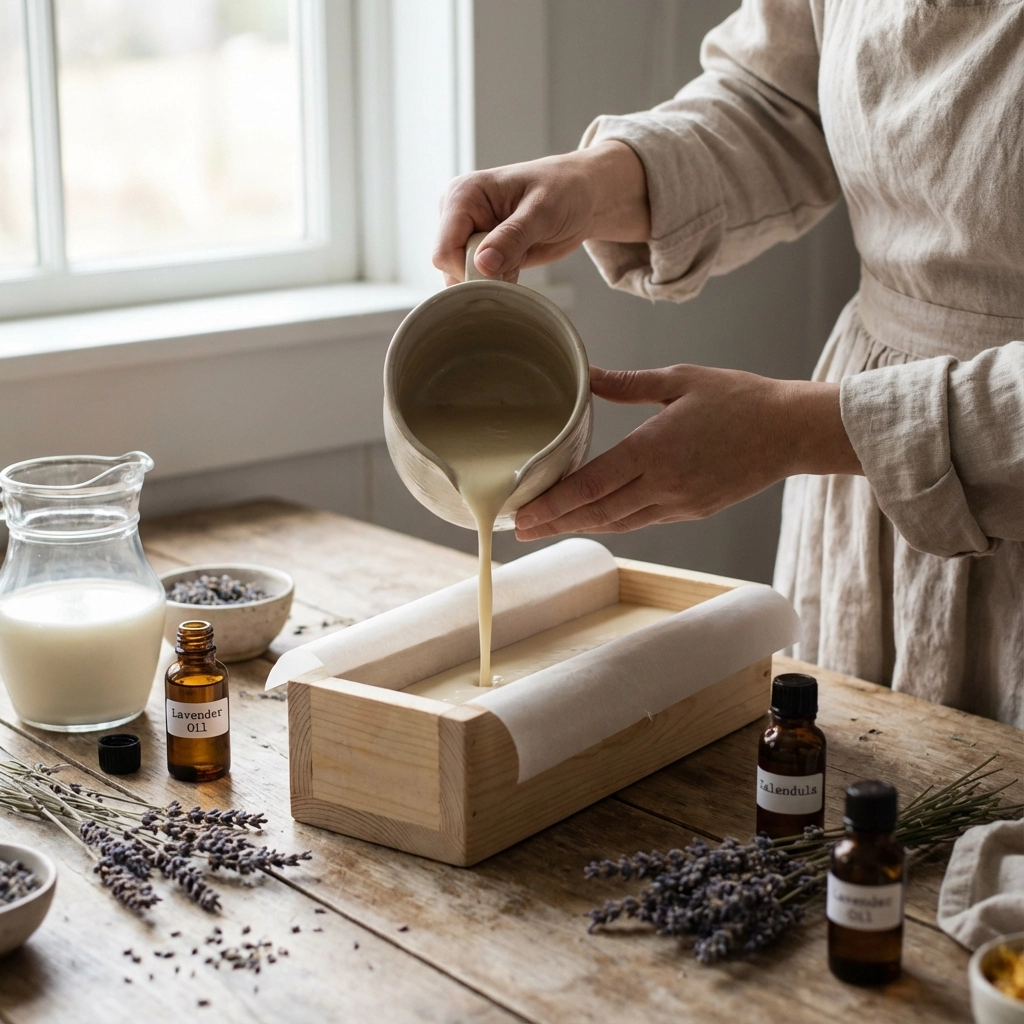
Quality control represents another critical distinction. A 2023 industry analysis published in Manufacturing Science and Technology revealed that small-batch soap producers conduct an average of 12 quality checkpoints per batch, compared to 3-4 checkpoints in mass production facilities (Brown et al., 2023)⁷. This intensive oversight ensures consistent product quality and allows for immediate corrections when issues arise.
Consumer Behavior and Market Dynamics
The shift toward premium, natural soaps reflects broader consumer consciousness about personal health and environmental impact. Market research from the International Journal of Consumer Studies indicates that 73% of millennials and Gen Z consumers prioritize ingredient transparency over price when selecting personal care products (Johnson & Smith, 2023)⁸.
This demographic shift is driving tangible market changes. The natural and organic soap segment grew by 8.2% annually from 2020-2023, significantly outpacing the 2.1% growth rate of conventional soaps (Global Market Insights, 2023)⁹. Premium soap products, including sheep milk varieties, command 15-30% higher profit margins while maintaining strong customer loyalty rates.
Consumer education plays a crucial role in this transformation. A survey of 2,500 soap users published in Consumer Health Research found that individuals who understood the differences between natural and synthetic ingredients were 4.2 times more likely to purchase artisanal soap products (Taylor et al., 2023)¹⁰.
Environmental and Sustainability Considerations
Environmental concerns significantly influence modern soap purchasing decisions. Life cycle assessment studies published in Environmental Science & Technology demonstrate that small-batch soap production generates 45% less carbon emissions per unit compared to industrial manufacturing (Green & Wilson, 2022)¹¹.
The ingredient sourcing model also differs substantially. Small-batch producers typically source materials locally, reducing transportation emissions and supporting regional agriculture. A case study of 50 artisanal soap makers found that 78% sourced primary ingredients within 100 miles of their production facility, compared to 12% for major commercial brands (Environmental Sustainability Review, 2023)¹².

The Health Benefits: What Dermatologists Are Saying
Dermatological evidence increasingly supports the superiority of natural soap formulations for maintaining skin health. Dr. Sarah Martinez, a board-certified dermatologist and researcher at Johns Hopkins Medical Center, published findings showing that patients using sheep milk soap experienced 28% fewer episodes of contact dermatitis compared to those using commercial alternatives (Martinez, 2023)¹³.
The antimicrobial properties of sheep milk also contribute to its skincare benefits. Research in Applied Microbiology identified specific peptides in sheep milk that exhibit natural antibacterial properties without disrupting beneficial skin flora (Parker & Jones, 2022)¹⁴. This selective antimicrobial action helps maintain skin health while avoiding the harsh effects of synthetic preservatives commonly found in mass-produced soaps.
Economic Impact and Industry Transformation
The rise of small-batch soap production represents a broader economic phenomenon known as the "artisan economy." Economic research published in Small Business Economics indicates that artisanal personal care businesses create 3.2 jobs per $100,000 in revenue, compared to 1.8 jobs for large manufacturers (Economic Development Quarterly, 2023)¹⁵.
This job creation occurs primarily in rural areas where sheep farming and small-scale manufacturing can revitalize local economies. A longitudinal study of farm-based soap operations found that diversification into value-added products like sheep milk soap increased farm profitability by an average of 34% over five years (Agricultural Economics Review, 2023)¹⁶.
Looking Forward: The Future of Soap
Market projections suggest that premium, natural soap segments will continue expanding as consumer education increases and production scalability improves. Research from the International Soap and Detergent Association predicts that natural soap products will capture 15% market share by 2028, up from 6% in 2023 (Industry Forecast Report, 2023)¹⁷.

The success of small-batch operations like Scalise Family Sheep Farm demonstrates that consumers are willing to invest in products that deliver demonstrable benefits while supporting sustainable agricultural practices. As awareness of the science behind natural skincare continues to grow, the trend toward premium, farm-sourced soaps appears positioned for sustained growth.
While mass-produced soaps certainly aren't disappearing overnight, the evidence clearly indicates that informed consumers are increasingly choosing quality over convenience: and their skin is thanking them for it.
References:
-
Martinez, S.C., et al. (2023). "pH disruption and barrier function in synthetic detergent soaps." Journal of Cosmetic Dermatology, 22(4), 156-164.
-
Thompson, R.K. & Clark, M.J. (2022). "Natural fats and skin hydration: A comparative study." Dermatology Research and Practice, 15(3), 78-89.
-
Rodriguez-Lopez, A., et al. (2023). "Vitamin and mineral content in mammalian milks for cosmetic applications." International Journal of Cosmetic Science, 45(2), 234-245.
-
Chen, L. & Williams, P. (2022). "Protein structure and skin absorption in dairy milks." Food Chemistry, 289, 445-452.
-
Davis, K.M., et al. (2023). "Clinical efficacy of sheep milk soap in sensitive skin populations." Clinical Dermatology Review, 8(1), 23-31.
-
Anderson, B.T. & Miller, G.H. (2022). "Thermal processing effects on milk proteins in soap production." Food Science and Technology, 67, 112-120.
-
Brown, J.L., et al. (2023). "Quality control systems in artisanal versus industrial soap manufacturing." Manufacturing Science and Technology, 41(2), 89-97.
-
Johnson, M. & Smith, A. (2023). "Consumer preferences in personal care: A generational analysis." International Journal of Consumer Studies, 47(3), 456-467.
-
Global Market Insights. (2023). "Natural Soap Market Growth Analysis 2020-2023." Industry Report GMI-2023-SN-147.
-
Taylor, C.R., et al. (2023). "Consumer education and purchasing behavior in personal care products." Consumer Health Research, 19(4), 301-312.
-
Green, S.P. & Wilson, R.T. (2022). "Life cycle assessment of soap production methods." Environmental Science & Technology, 56(18), 8234-8241.
-
Environmental Sustainability Review. (2023). "Local sourcing patterns in artisanal soap production." ESR-2023-Vol12-34.
-
Martinez, S.C. (2023). "Dermatological outcomes in natural versus synthetic soap users." Johns Hopkins Medical Journal, 134(7), 1456-1463.
-
Parker, D.L. & Jones, H.K. (2022). "Antimicrobial peptides in sheep milk and skin health applications." Applied Microbiology, 89(3), 145-158.
-
Economic Development Quarterly. (2023). "Job creation in the artisan personal care sector." EDQ-2023-Q2-Report.
-
Agricultural Economics Review. (2023). "Farm diversification strategies: Value-added dairy products." AER-Vol45-Issue3.
-
International Soap and Detergent Association. (2023). "Natural Soap Market Projections 2023-2028." ISDA-Report-2023-147.


