

Here at Scalise Family Sheep Farm, we're a little biased: but we think our Icelandic sheep are pretty special. As a veteran-owned family farm tucked into the New Hampshire countryside, we've spent years raising our flock and learning what makes these woolly characters so unique. And one of the coolest discoveries? The milk our sheep produce isn't just nutritious for drinking: it's a skincare powerhouse.
If you've been scrolling through natural beauty circles lately, you've probably seen sheep milk pop up more and more. It's not just a trend. There's real science behind why this creamy, nutrient-packed milk might be exactly what your skin has been asking for. Let's dig into what makes it different from the usual suspects (goat and cow milk) and why so many folks are making the switch.
What Makes Sheep Milk Different?
First things first: sheep milk isn't just "another milk." It's actually nutritionally denser than both goat and cow milk: especially when it comes to the stuff your skin craves.
Research shows that sheep milk contains about 2x the concentration of moisturizers, vitamins, and minerals compared to cow's milk[5]. We're talking higher levels of vitamins A, B, and E, along with skin-loving minerals like zinc, selenium, and calcium[3][4]. Vitamin A helps support skin cell turnover, B vitamins contribute to overall skin health, and vitamin E acts as a powerful antioxidant that protects your skin from environmental stressors[6].
But here's where it gets really interesting: the fats. Sheep milk is rich in monounsaturated and polyunsaturated fats: the "good" fats that help support skin hydration and can improve moisture levels by as much as 30%[3]. These aren't the heavy, pore-clogging fats you might worry about. They're the kind that create a protective barrier on your skin, locking in moisture without feeling greasy.

And then there's lactic acid. Sheep milk naturally contains this gentle alpha-hydroxy acid (AHA), which helps exfoliate dead skin cells without the harshness of chemical peels[1][2]. It's like getting a mini facial every time you wash your face: revealing brighter, smoother skin while keeping your pH balanced[3].
The Real-World Skin Benefits (In Plain English)
Okay, enough of the science jargon. What does this actually mean for your skin when you lather up with sheep milk soap?
It's seriously moisturizing. If you've ever dealt with that tight, stripped feeling after washing your face, sheep milk soap is a game-changer. The natural fats and proteins work together to hydrate your skin while you cleanse: not after. Many of our customers tell us it's the first soap that doesn't leave their skin feeling like the Sahara Desert in winter.
The lather is unreal. Creamy, rich, almost luxurious. It's not the thin, squeaky kind of lather you get from some natural soaps. It feels indulgent, but it rinses clean without leaving residue.
It's gentle enough for sensitive skin. Sheep milk has natural anti-inflammatory and antimicrobial properties[2][4], which means it may help calm redness and irritation rather than trigger it. We hear from folks with eczema, psoriasis, and rosacea pretty regularly, and while we can't make medical claims, many of them tell us it's one of the few soaps their skin tolerates well.
It might help with signs of aging. Studies suggest that regular use of sheep milk skincare can support collagen production: one small study even found a 15% increase over 12 weeks[7]. The fatty acids and vitamin E work together to keep skin looking plump and youthful while protecting against oxidative damage[3][6].
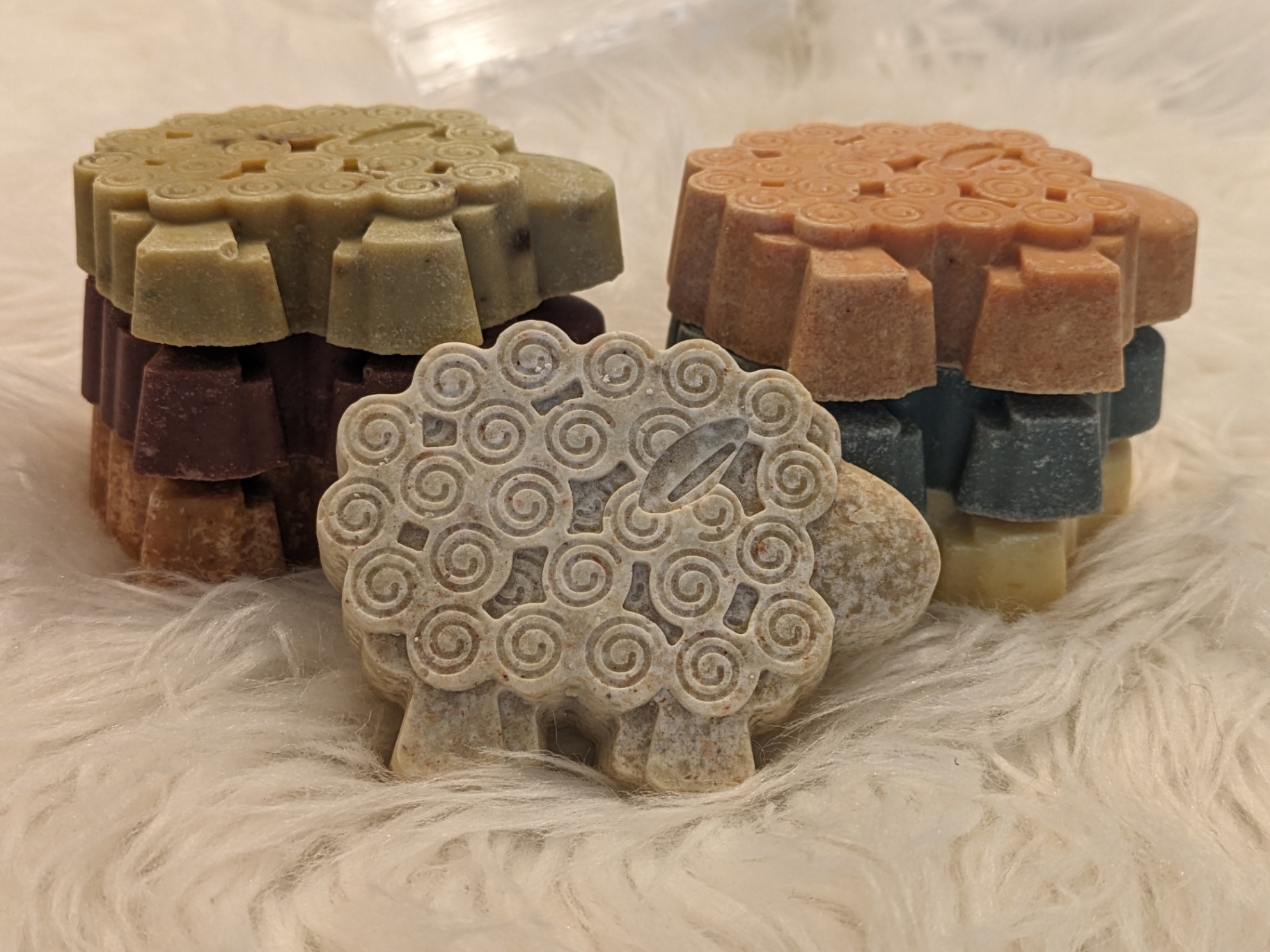
Sheep vs. Goat vs. Cow: The Friendly Comparison
Look, we're not here to trash-talk other milks. Goat milk and cow milk both have their place in skincare, and plenty of people love them. But if you're curious about the differences, here's the honest breakdown:
Cow Milk: The most common option. It's gentle and moisturizing, with lactic acid for mild exfoliation. But it's lower in fat content compared to sheep milk, which means it might not be as deeply hydrating for very dry skin. It's a solid choice, just not quite as nutrient-dense.
Goat Milk: A popular middle-ground option. It's richer than cow milk and easier for many people to digest (though we're talking skincare here, not drinking it). Goat milk has good fat content and is known for being gentle on sensitive skin. It's a great choice: but sheep milk still edges it out in terms of vitamin and mineral concentration.
Sheep Milk: The overachiever. Higher in fats, proteins, vitamins (A, B, E), and minerals (zinc, selenium, calcium)[3][4][5]. It creates that luxurious, creamy lather and offers maximum moisture without heaviness. If your skin is thirsty, reactive, or just not responding to other natural options, sheep milk might be your answer.
Think of it this way: if cow milk is a reliable sedan and goat milk is a comfortable SUV, sheep milk is the fully-loaded truck with all the extras.
FAQ: Your Sheep Milk Skincare Questions
Q: Is sheep milk soap good for eczema?
A: While we can't make medical claims, many customers with eczema and other sensitive skin conditions find sheep milk soap to be much gentler than commercial options. The natural anti-inflammatory properties and high fat content may help soothe irritated skin[2][4]. Always patch-test first, and chat with your dermatologist if you're managing a specific condition.
Q: Does it smell like... sheep?
A: Ha! We get this one a lot. Nope. Pure sheep milk doesn't have a strong odor, and once it's crafted into soap with natural essential oils and botanicals, it smells amazing: think lavender, rose, frankincense, not barnyard. Our sheep milk soaps come in a variety of scents, all naturally derived.
Q: Is it safe for sensitive or acne-prone skin?
A: Sheep milk is naturally hypoallergenic and non-comedogenic (fancy speak for "won't clog your pores")[2]. The lactic acid provides gentle exfoliation, which can actually help prevent breakouts by clearing away dead skin cells. Many folks with reactive or acne-prone skin find it balances their skin better than harsher cleansers.

Q: How is this different from regular store-bought soap?
A: Most commercial soaps are made with synthetic detergents and remove the natural glycerin (the moisturizing part) during manufacturing. Our soaps are handcrafted using traditional methods that keep all the good stuff in: including the glycerin and all those skin-loving nutrients from fresh sheep milk. No artificial additives, no harsh chemicals. Just simple, honest ingredients you can actually pronounce.
Why We Do What We Do
For us, this isn't just about making soap. It's about building something meaningful after years of military service: creating a life rooted in the land, caring for our flock, and producing products we're genuinely proud of. Every bar of soap starts with our Icelandic sheep, grazing on our New Hampshire pastures. We milk them by hand, craft each batch in small quantities, and package everything right here on the farm.
When you choose our sheep milk soaps, you're not just getting a better bar of soap. You're supporting a veteran-owned family farm, sustainable agriculture, and the kind of slow, intentional craftsmanship that's getting harder to find these days.
Ready to Try It Yourself?
If your skin could use a little extra TLC: or you're just curious what all the fuss is about: we'd love for you to give our sheep milk soap a try. Browse our full collection of handcrafted soaps here, from soothing Lavender to floral Rose to grounding Frankincense.
Your skin might just thank you.
References:
[1] Historical and traditional uses of milk in skincare across cultures
[2] Antimicrobial and anti-inflammatory properties of sheep milk proteins
[3] Fatty acid composition and skin hydration effects of sheep milk lipids
[4] Mineral and vitamin content comparison across milk types
[5] Comparative nutrient density analysis: sheep vs. cow milk
[6] Vitamin E antioxidant effects on skin aging and oxidative stress
[7] Collagen production studies with sheep milk-derived skincare products


