

In the world of beauty and wellness, we have become experts at reading labels. We scan for "paraben-free," "organic," or "vegan." But as our understanding of skin health evolves, a new standard is emerging that goes beyond the ingredient list. It’s called "Farm-to-Face."
Just as the "Farm-to-Table" movement revolutionized how we think about the nutrients in our food, Farm-to-Face skincare focuses on the provenance of what we put on our skin. It asks: Where was this grown? Who raised the source ingredients? And how much of the original, raw potency survived the journey to the bottle?
At Scalise Family Sheep Farm, we believe that the origin of an ingredient is its most important attribute. When a product is handcrafted just steps away from where the primary ingredients are harvested, it retains a biological vitality that mass-produced items simply cannot replicate.
The Power of Provenance: Why Origin Matters
When you buy a mass-produced moisturizer, the ingredients often traverse a global supply chain before they reach a factory. Oils may be refined to extend shelf life, and milk powders are often reconstituted. By the time the product reaches your bathroom counter, the "natural" ingredients are often a shadow of their original selves.
The Farm-to-Face philosophy eliminates this "nutrition gap." By controlling the entire process: from the pastures of New Hampshire to the final pour of our sheep milk soaps: we ensure that the bioactive compounds remain intact. Transparency isn't just a marketing buzzword; it’s a commitment to the integrity of the harvest.

The Science of Sheep Milk: A Biological Goldmine
While goat milk has enjoyed the spotlight for years, sheep milk is the quiet powerhouse of the dairy world, especially for skin health. Icelandic sheep, like those we raise on our farm, produce milk that is significantly denser in nutrients than both cow and goat milk.
1. Superior Lipid Profile
Sheep milk contains a higher concentration of butterfat and essential fatty acids. Research indicates that the phospholipids in sheep milk contribute to the mechanical integrity of the epidermis, supporting the stratum corneum (the skin’s outermost barrier) and modulating inflammatory responses [8]. These lipids are essential for anyone struggling with a compromised skin barrier or chronic dryness.
2. Natural Alpha Hydroxy Acids (AHAs)
Sheep milk is naturally rich in lactic acid. Unlike synthetic exfoliants, lactic acid provides a gentle, "micro-exfoliation" that dissolves the glue holding dead skin cells together without causing the irritation often associated with harsher acids. This results in a brighter, smoother complexion while simultaneously drawing moisture into the skin.
3. Bioactive Proteins and Lactoferrin
One of the most remarkable components of sheep milk is lactoferrin. Studies have shown that sheep milk has among the highest lactoferrin content of common dairy species [3]. Lactoferrin is prized in dermatology for its antibacterial and anti-inflammatory properties, making it an excellent ally for those with acne-prone or sensitive skin [4][5].
Handcrafted Integrity vs. Mass Production
The "Farm-to-Face" gold standard isn't just about the sheep; it’s about the hands that make the product. In our workshop, we utilize a small-batch process. This allows us to avoid the high-heat treatments and harsh preservatives required for industrial-scale manufacturing.
When we create our Skin Balms, we use raw ingredients that are minimally processed. This preserves the natural lanolin: a wax secreted by sheep that is nearly identical in structure to human skin lipids. This bio-compatibility allows our products to sink deep into the dermal layers rather than sitting on top of the skin.

Product Spotlight: The Shepherd’s Body Powder
A perfect example of our Farm-to-Face philosophy is The Shepherd’s Body Powder. For decades, traditional body powders relied on talc or aluminum, both of which have faced scrutiny for their potential health risks.
We approached this problem as farmers and parents. We wanted a solution that worked for the long days of farm labor but remained safe for the most sensitive skin. Our formula is:
- Talc-Free: We use arrowroot and kaolin clay to absorb moisture naturally.
- Aluminum-Free: No harsh metals to clog pores or disrupt the body's natural processes.
- Small-Batch Handcrafted: Every tube is hand-poured right here in Wilton, NH.
By choosing ingredients that are "clean" by nature, not just by label, we provide a product that supports your body’s health while keeping you comfortable.

Supporting the Local Ecosystem
Choosing Farm-to-Face products isn't just a win for your skin; it’s a win for the environment and the community. Our farm is veteran-owned and family-operated. When you choose a product from a local producer, you are supporting:
- Regenerative Agriculture: Our Icelandic sheep help maintain the health of our New Hampshire pastures through managed grazing.
- Minimal Carbon Footprint: Because our supply chain starts and ends on our farm, the "beauty miles" associated with your skincare are drastically reduced.
- Authentic Storytelling: You know exactly who made your soap, and you can even see the sheep that provided the milk on our About Us page.
How to Transition to a Farm-to-Face Routine
If you’re ready to move toward a more transparent skincare routine, you don't have to overhaul your entire cabinet overnight. Start with the products that cover the largest surface area of your body:
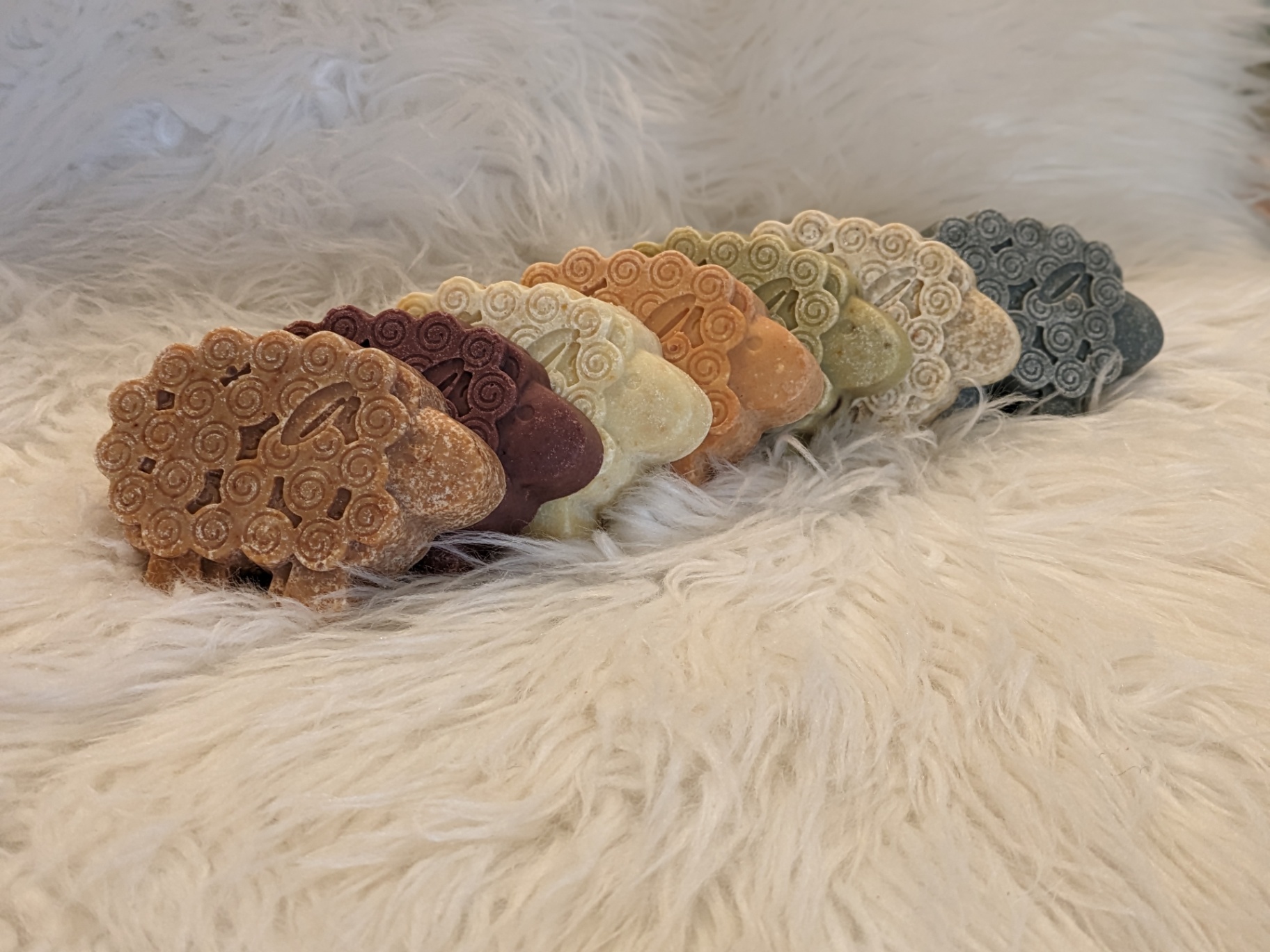
- Switch Your Soap: Replace your commercial body wash (which is often a detergent-based "syndet") with a true Sheep Milk Soap. The natural glycerin and fats will change how your skin feels after a single shower.
- Target Problem Areas: Use a high-potency balm for dry elbows, knees, or hands. Our Frankincense Skin Balm is a customer favorite for deep hydration.
- Choose Better Basics: Swap out standard powders or deodorants for aluminum-free, farm-made alternatives.
Conclusion
The future of beauty isn't found in a laboratory; it’s found in the field. By returning to the origins of our ingredients, we rediscover the potent, natural remedies that have worked for centuries. At Scalise Family Sheep Farm, we invite you to experience the difference that provenance makes. Your skin is your body’s largest organ: feed it with the care and integrity it deserves.
About the Author Ben Scalise is a veteran and the owner of Scalise Family Sheep Farm in Wilton, NH. Alongside his family, Ben raises Icelandic sheep and handcrafts all-natural skincare products using the nutrient-rich milk from their flock. His mission is to provide clean, effective alternatives to mass-produced personal care items. Explore the full collection at www.scalisefamilysheepfarm.com.
References & Academic Citations
- [2] Buescu, A., et al. "Sheep colostrum: A source of bioactive compounds for skin regeneration and anti-aging." Journal of Cosmetic Dermatology.
- [3] Mohapatra, A., et al. "Bioactive Components of Sheep Milk and Their Health Benefits." International Journal of Dairy Science.
- [4] Al-Mashhadane, F. A., et al. "Clinical assessment of a cosmetic cream containing sheep colostrum in acne-prone skin." Dermatologic Therapy.
- [7] "Hydrogel dressings enriched with sheep-milk bioactives for wound-healing applications." Advanced Healthcare Materials.
- [8] Lordan, R., et al. "The Anti-Inflammatory Properties of Dairy Lipids." Journal of Agricultural and Food Chemistry.
- [16] "Nutritional and therapeutic potential of sheep milk in human health." Small Ruminant Research.


