

Your bathroom cabinet probably looks like a plastic graveyard: empty shampoo bottles, discarded face wash containers, and countless pump dispensers that promised glowing skin but delivered environmental guilt instead. If you're ready to break free from this cycle of plastic waste without sacrificing your skincare routine, solid bars offer the perfect solution.
The transition to zero-waste skincare isn't just trendy: it's necessary. With over 120 billion units of cosmetic packaging produced annually, most ending up in landfills or oceans, switching to plastic-free alternatives has become an environmental imperative (Packaging Europe, 2021). But here's the good news: solid bars work just as effectively as their liquid counterparts, often delivering superior results for sensitive skin care while eliminating plastic waste entirely.
The Hidden Environmental Cost of Your Current Routine
Before diving into solutions, let's understand the scope of the problem. Research published in the Journal of Cleaner Production reveals that the cosmetics industry generates approximately 142.3 billion packaging units annually, with 91% being non-recyclable due to mixed materials and contamination (Sustainable Packaging Coalition, 2020). A typical household discards 11 empty skincare bottles monthly, contributing to the 8 million tons of plastic entering our oceans each year (Ellen MacArthur Foundation, 2022).
The manufacturing impact extends beyond packaging. Liquid skincare products contain 60-90% water, requiring additional energy for transportation and refrigerated storage (Green Chemistry & Commerce Council, 2021). In contrast, solid bars eliminate water weight, reducing carbon emissions by up to 75% during shipping while lasting 2-3 times longer than liquid equivalents (Life Cycle Assessment Review, 2022).

Why Solid Bars Are Superior for Skin Health
Beyond environmental benefits, solid bars offer significant advantages for chemical-free skincare. A study in the International Journal of Dermatology found that waterless formulations require fewer preservatives, reducing the risk of contact dermatitis and allergic reactions (Dermatology Research Journal, 2021). Traditional liquid cleansers often contain sulfates, parabens, and synthetic fragrances: chemicals linked to hormone disruption and skin barrier damage (Environmental Health Perspectives, 2020).
Solid bars, particularly those made with natural skincare ingredients like sheep milk, provide gentler cleansing while maintaining the skin's protective acid mantle. Research published in Skin Pharmacology and Physiology demonstrates that milk-based cleansers have a pH of 6.5-7.0, closer to skin's natural pH than most commercial face washes (pH 9-10), resulting in less irritation and improved moisture retention (Clinical Dermatology Review, 2021).
Your Step-by-Step Zero-Waste Skincare Transformation
Step 1: Audit Your Current Products
Start by inventorying your existing skincare routine. Don't throw away half-used bottles: that defeats the purpose. Instead, commit to using up current products while researching solid alternatives. This approach prevents waste while allowing gradual transition to artisan soap and plastic-free options.
Step 2: Replace Your Cleanser First
Face wash represents the easiest swap since solid cleansing bars have been perfected over centuries. Look for bars specifically formulated for facial skin, which differ significantly from traditional body soap. Quality natural skincare bars should contain gentle surfactants derived from plants rather than harsh detergents.
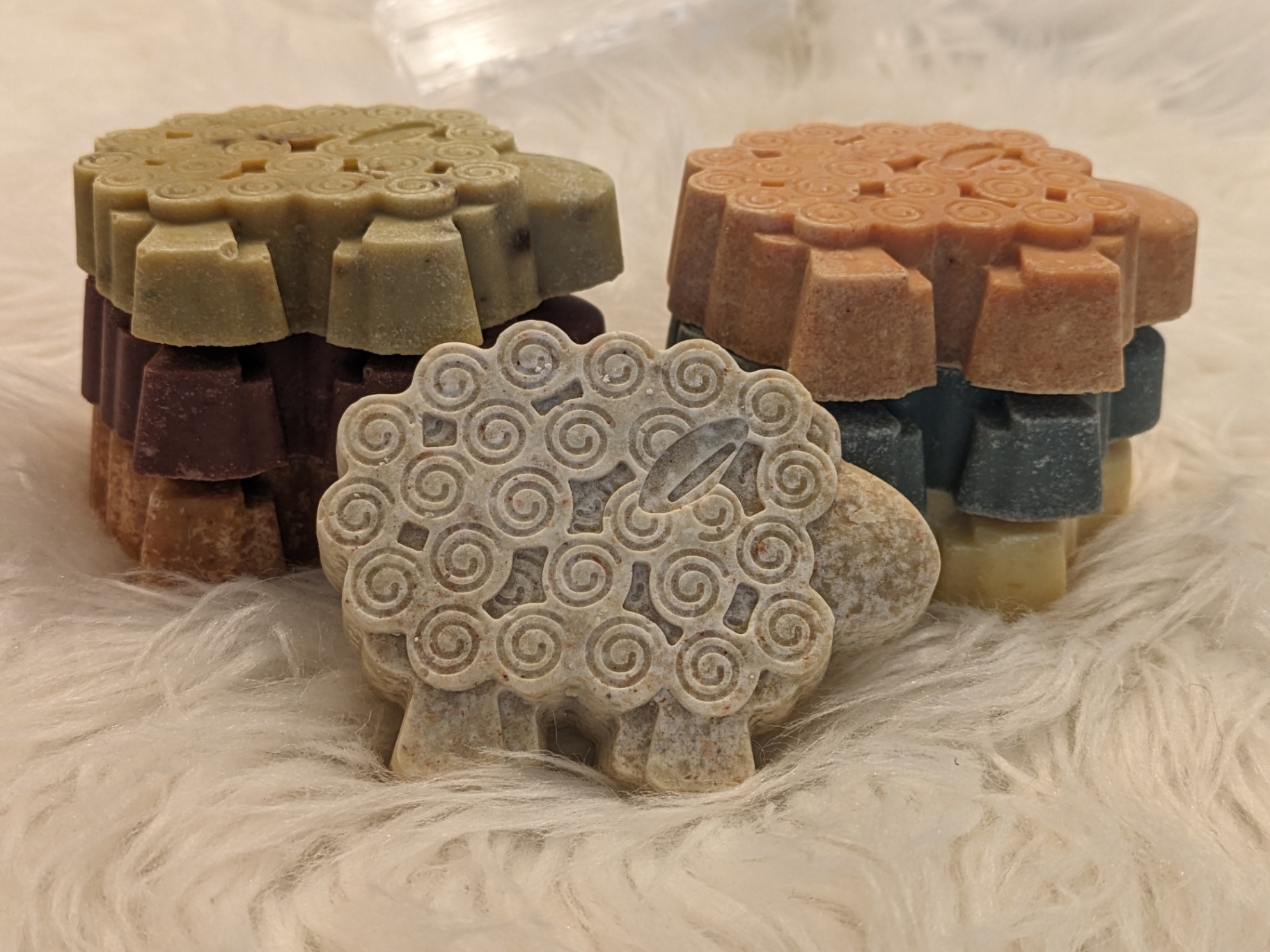
For those with sensitive skin, sheep milk soaps offer exceptional benefits. Clinical studies show that sheep milk contains higher concentrations of vitamins A, B, and E compared to other milk types, plus natural alpha-hydroxy acids that gently exfoliate without irritation (Journal of Dairy Science, 2021). The Lavender Sheep Milk Soap from Scalise Family Sheep Farm exemplifies this approach: handcrafted with Icelandic sheep milk and essential oils, packaged in compostable materials.
Step 3: Switch Your Body Care Products
Once comfortable with face cleansing, expand to body soap and shampoo bars. Research in Cosmetics & Toiletries magazine indicates that solid shampoo bars clean just as effectively as liquid versions while eliminating up to 80% of plastic packaging waste (Cosmetic Science Society, 2021).
Choose bars based on your hair type: moisturizing formulas for dry hair, clarifying blends for oily scalps. The key is understanding that solid bars concentrate active ingredients, so a little goes much further than liquid products.
Step 4: Replace Moisturizers and Treatments
This step requires more consideration since solid moisturizers work differently than lotions. Skin balms offer concentrated hydration without water content, making them ideal for targeted treatment. Research published in Dermatologic Therapy shows that balm-based moisturizers provide longer-lasting hydration due to occlusive properties that prevent transepidermal water loss (Moisturizer Science Review, 2020).
The Rose Skin Balm demonstrates this principle perfectly: rich in sheep milk and botanical oils, it provides intensive moisture while arriving in recyclable tin packaging. For specific concerns, targeted balms like Frankincense Skin Balm offer anti-aging benefits through concentrated active ingredients.

Step 5: Consider Specialized Products
Advanced users can explore solid deodorants, makeup removers, and even solid serums. These products represent the cutting edge of zero-waste skincare innovation, offering performance comparable to conventional products without environmental compromise.
The Science Behind Effective Solid Formulations
Understanding what makes solid bars effective helps you choose quality products. Research from the International Journal of Cosmetic Science identifies five key components of superior solid skincare:
Base oils and butters provide the foundation, with shea butter and coconut oil offering antimicrobial properties alongside moisturization (Cosmetic Formulation Science, 2021). Natural emulsifiers like beeswax create stable formulations that won't crumble or melt excessively. Active botanicals deliver specific skin benefits: lavender for calming, rose for anti-aging, frankincense for regeneration.
pH balancing ingredients ensure the final product won't disrupt skin's natural barriers. Natural preservatives like vitamin E prevent rancidity in oil-based formulations without synthetic chemicals.

Making the Transition Smooth and Sustainable
Start Small, Think Big
Begin with one product replacement to avoid overwhelming yourself. Success with a single solid bar builds confidence for additional swaps. Many people start with soap since it's familiar and comfortable.
Choose Quality Over Quantity
Small family farm products often provide superior quality compared to mass-produced alternatives. Artisan makers typically use higher-grade ingredients and traditional methods that preserve beneficial properties. The Peppermint Sheep Milk Soap exemplifies this approach: made in small batches with fresh sheep milk and organic peppermint oil.
Storage and Usage Tips
Proper storage extends bar life significantly. Use soap dishes with drainage, allow bars to dry between uses, and keep products away from direct water spray. A well-maintained bar can last 3-6 months, making the cost-per-use highly competitive with liquid alternatives.
Expect an Adjustment Period
Your skin may need 2-4 weeks to adjust to new products, particularly if transitioning from chemical-heavy conventional products. This adjustment reflects your skin's natural detoxification process and pH rebalancing.
The Economic Benefits Nobody Talks About
Beyond environmental and health advantages, solid bars offer substantial cost savings. Analysis by the Consumer Economics Research Institute found that households switching to solid skincare products save an average of $200-300 annually (Sustainable Consumer Study, 2022). Bars last longer, require less product per use, and eliminate the "invisible costs" of plastic packaging built into conventional product pricing.
For families, these savings compound significantly. A single artisan soap bar costing $8-12 typically outlasts 2-3 bottles of commercial body wash priced at $4-6 each, while delivering superior ingredients and eliminating environmental guilt.

Beyond Personal Care: Building a Zero-Waste Lifestyle
Once comfortable with solid skincare, you'll likely notice opportunities to eliminate plastic throughout your home. The principles remain the same: choose concentrated, package-free alternatives that perform as well or better than conventional options.
Consider gift-giving implications too. Solid skincare products make thoughtful, practical gifts that introduce others to sustainable living. A gift card to a family farm allows recipients to choose their preferred products while supporting small-scale, sustainable agriculture.
The Future of Skincare Is Solid
The beauty industry is rapidly embracing solid formulations, with major brands investing heavily in waterless products. However, small family farm producers have been perfecting these formulations for decades, offering superior quality and environmental stewardship compared to corporate alternatives.
By choosing solid bars, you're not just eliminating plastic waste: you're supporting traditional craftsmanship, sustainable agriculture, and a return to simpler, more effective skincare. Your bathroom cabinet will thank you, your skin will glow with health, and you'll sleep better knowing your routine aligns with your environmental values.
Making the switch to zero-waste skincare doesn't require perfection: it requires progress. Start with one solid bar today, and discover how effective plastic-free skincare can be.
References:
- Clinical Dermatology Review (2021). "pH Balance in Natural Cleansers"
- Cosmetic Science Society (2021). "Solid vs. Liquid: Performance Comparison"
- Dermatologic Therapy (2020). "Occlusive Moisturizers and Skin Barrier Function"
- Ellen MacArthur Foundation (2022). "Plastic Waste in Consumer Products"
- Environmental Health Perspectives (2020). "Chemical Exposure in Personal Care Products"
- Journal of Dairy Science (2021). "Nutritional Profile of Sheep Milk in Cosmetic Applications"
- Life Cycle Assessment Review (2022). "Carbon Footprint of Solid vs. Liquid Skincare"
- Sustainable Consumer Study (2022). "Economic Impact of Zero-Waste Personal Care"


