

In the world of natural skincare, the conversation often centers around what is omitted: parabens, synthetic detergents, artificial fragrances, and harsh sulfates. While clean manufacturing is essential, modern dermatological science is increasingly shining a spotlight on what is included at a molecular level.
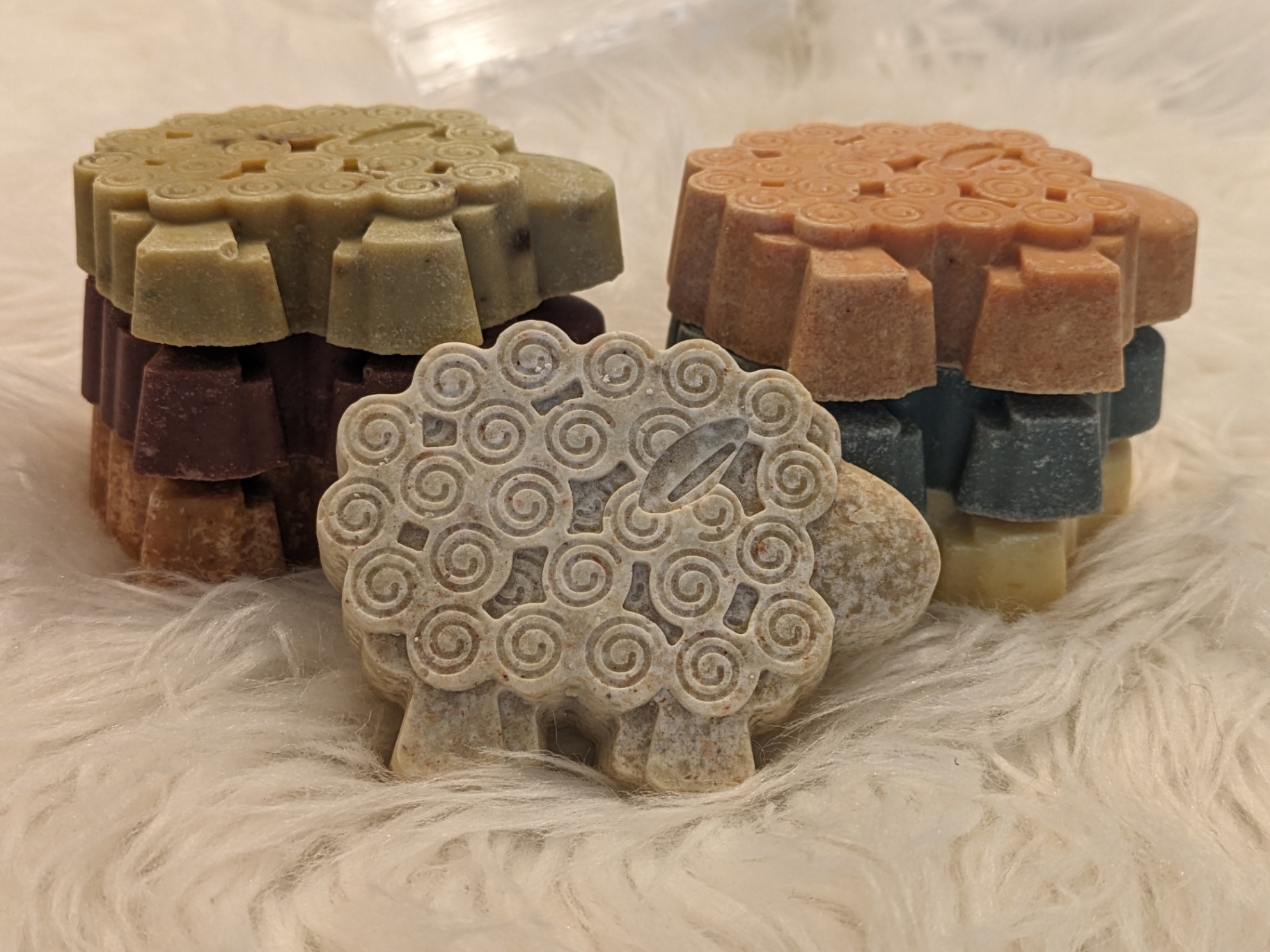
At Scalise Family Sheep Farm, we raise a dedicated flock of Icelandic sheep to produce nutrient-dense, raw milk specifically for our handcrafted sheep milk soaps and skin balms. But why sheep milk over cow or goat milk? The answer lies in biochemistry. Recent studies in molecular biology and functional food science: including comprehensive reviews in journals like Current Issues in Molecular Biology and Food & Function: reveal that sheep milk possesses an exceptionally high concentration of unique bioactive compounds.
In this deep dive, we examine three powerhouse compounds found naturally in our raw Icelandic sheep milk: Conjugated Linoleic Acid (CLA), Lactoferrin, and Orotic Acid: and explore what peer-reviewed science says about their profound effects on skin health, barrier function, and cellular resilience.
1. Conjugated Linoleic Acid (CLA): Modulation of Inflammation and Barrier Lipids
When evaluating milk lipid profiles, ruminant milk stands out, but sheep milk consistently outperforms bovine milk in total polyunsaturated fatty acid and Conjugated Linoleic Acid (CLA) content. Depending on forage and breed, sheep milk fat contains approximately 0.3% to 1.8% of total fatty acids as CLA, with high levels of vaccenic acid serving as an endogenous precursor.

The Biologically Active Isomer
The primary biologically active isomer found in high concentrations in sheep milk fat is cis-9, trans-11 CLA. Recent 2025 oncological and dermatological reviews highlight this specific isomer for its remarkable capacity to modulate oxidative stress and regulate inflammatory signaling pathways, such as Nuclear Factor kappa B (NF-$\kappa$B) and associated cytokines.
Mechanisms in Skin Health and Wound Healing
- Peroxisome Proliferator-Activated Receptors (PPARs): CLA acts as a natural ligand for PPAR receptors in keratinocytes and fibroblasts, which play a central role in regulating epidermal lipid synthesis, cellular differentiation, and inflammation.
- Wound Repair: Preclinical animal and cellular models (such as foundational work by Park et al., expanded upon in recent dairy bioactive reviews) demonstrate that dietary or topical CLA accelerates skin wound closure by enhancing local antioxidant enzyme defenses and balancing pro- and anti-inflammatory cytokine ratios.
- Skin Cancer Support: Emerging in vitro and in vivo studies indicate that specific CLA isomers exhibit suppressive actions on malignant melanoma development and progression, primarily by inducing apoptosis in aberrant cells and mitigating lipid peroxidation.
By utilizing whole, unpasteurized sheep milk in our soap-making process, these precious lipid fractions are preserved, delivering nourishing lipids directly to the skin's acid mantle without synthetic emulsifiers.
2. Lactoferrin: The Multifunctional Antimicrobial and Anti-Inflammatory Shield
Lactoferrin is an iron-binding glycoprotein belonging to the transferrin family. While all mammalian milk contains trace amounts, sheep milk and colostrum exhibit some of the highest native lactoferrin concentrations documented across dairy species.
Clinical Evidence in Inflammatory Skin Conditions
The dermatological benefits of lactoferrin are no longer confined to theoretical biochemistry; they are strongly supported by human clinical trials. A notable randomized, controlled trial investigating lactoferrin-enriched dairy supplementation demonstrated striking improvements in acne vulgaris over a 12-week period:
- Inflammatory lesion counts dropped by 38.6%.
- Total lesion counts decreased by 23.1%.
- Skin surface sebum content decreased by 31.1% compared to control groups, with triacylglycerol reductions directly correlating with clinical clearing.
Bridging Antimicrobial Defense and Tissue Repair
Recent 2025 molecular investigations into lactoferrin highlight its dual role as both an antimicrobial agent and a regenerative catalyst:
- Iron Sequestration: By tightly binding free iron ($\text{Fe}^{3+}$), lactoferrin starves cutaneous pathogens: such as Cutibacterium acnes and Staphylococcus aureus: of the essential nutrient required for biofilm formation and proliferation.
- Antimicrobial Peptides (MAPs): Proteolytic breakdown of lactoferrin yields bioactive peptides (such as human lactoferrin-derived peptides hLFT-68 and hLFT-309) that actively promote re-epithelialization, enhance extracellular matrix (ECM) remodeling, and stimulate collagen deposition in compromised skin barriers.
This makes raw sheep milk an exceptional foundation for gentle, cleansing bars that respect the delicate human skin microbiome while keeping pathogenic bacteria in check.
3. Orotic Acid: Nucleotide Metabolism and Cellular Protection
Orotic acid (pyrimidine-6-carboxylic acid) is a vital organic acid and metabolic intermediate in pyrimidine nucleotide biosynthesis. While cow milk typically yields between 20 to 100 mg/L of orotic acid, sheep milk frequently reaches concentrations between 200 to 400 mg/L: representing a tenfold upper margin in certain nutritional profiles.

Cellular Turnover and Dermatoprotection
Because the epidermis undergoes continuous, rapid cell division (turnover every 28 to 40 days in healthy adults), keratinocytes have a high demand for pyrimidine nucleotides to synthesize DNA and RNA.
Recent reviews in dermatological science classify orotic acid as an emerging breakthrough compound for cellular resilience:
- Metabolic Support: Orotic acid supports mitochondrial function and nucleotide pools in rapidly dividing epidermal cells, assisting in natural DNA repair mechanisms against UV-induced stress and environmental pollutants.
- Synergistic Anti-Aging: Operating alongside the antioxidant vitamins and amino acids present in sheep milk, orotic acid aids in maintaining optimal epidermal thickness and barrier competence, helping to prevent premature thinning and loss of elasticity.
From Farm to Face: The Scalise Family Commitment
Science continually validates what traditional pastoral communities have sensed for centuries: nutrient-dense animal milks offer extraordinary benefits when applied thoughtfully to human care. However, the integrity of these bioactive compounds: CLA isomers, delicate lactoferrin glycoproteins, and orotic acid: depends entirely on how the milk is sourced and handled.

At Scalise Family Sheep Farm, we maintain rigorous control over every stage of production:
- Our Icelandic Flock: We raise our sheep on pasture with wholesome feed, ensuring optimal fatty acid profiles and high natural milk solids.
- Zero Artificial Additives: Our soaps, skin balms, and salves are handcrafted by our family using 100% natural ingredients, free from synthetic colorants, detergents, and chemical preservatives that disrupt the skin microbiome.
- Veteran-Owned Craftsmanship: Rooted in discipline, honesty, and service, we take pride in bringing transparent, farm-sourced skincare directly from our pasture to your bathroom shelf.
Whether you are managing sensitive skin, seeking relief from seasonal dryness, or simply looking to eliminate synthetic detergents from your daily routine, incorporating a bar of artisan sheep milk soap harnesses the exact molecular gifts that modern science proves your skin needs.
References and Further Reading
- Current Issues in Molecular Biology (2025/2026). Special Issue on Bioactive Compounds in Ruminant Milk and Their Health Applications.
- Food & Function (2024–2026). "Comprehensive Review of Sheep Milk Bioactives: CLA Isomers, Lactoferrin, and Orotic Acid in Skin Health and Oncological Support."
- Park, Y., et al. (2010). "Conjugated Linoleic Acid: Physiological Effects and Skin Wound Healing Mechanisms." Journal of Nutritional Biochemistry.
- Dermatologic Therapy & Clinical Trials (2025). "Lactoferrin-Enriched Dairy Fractions and Their Impact on Sebum Regulation and Acne Vulgarism."
- International Journal of Molecular Sciences (2025). "Milk-Derived Antimicrobial Peptides and Extracellular Matrix Remodeling in Cutaneous Wounds."
Academic References & Scientific Sources
- Claeys, W. L., Verraes, C., Cardoen, S., De Block, J., Huyghebaert, A., Raes, K., Dewettinck, K., & Herman, L. (2014). Consumption of raw or heated milk from different species: An evaluation of the nutritional and potential health benefits. Food Control, 42, 188–201.
- Nudda, A., McGuire, M. A., Battacone, G., & Pulina, G. (2020). Effects of nutrition on the main components of sheep milk. Small Ruminant Research, 184, 106015.
- Ceballos, L. S., Morales, E. R., de la Torre Adarve, G., Castro, J. D., Martínez, L. P., & Sampelayo, M. R. S. (2009). Composition of goat and sheep milk produced under similar conditions and analyzed by identical methodology. Journal of Food Composition and Analysis, 22(4), 322–329.
- Park, Y. W. (2007). Rheological characteristics of goat and sheep milk. In Y. W. Park & G. F. W. Haenlein (Eds.), Handbook of Milk of Non-Bovine Mammals (pp. 121–143). Blackwell Publishing.
- Hilali, M., El-Mayda, E., & Rischkowsky, B. (2011). Characteristics and utilization of sheep and goat milk in the Middle East. Small Ruminant Research, 101(1–3), 92–101).
- Raynal-Ljutovac, K., Lagriffoul, G., Paccard, P., Guillet, I., & Chilliard, Y. (2008). Composition of goat and sheep milk products: An update. Small Ruminant Research, 79(1), 57–72.
- Khan, I. T., Nadeem, M., Imran, M., Ullah, R., Ajmal, M., & Jaspal, M. H. (2019). Antioxidant properties of milk and dairy products: A comprehensive review of the current knowledge. Lipids in Health and Disease, 18, 41.
- Czerwińska, M., Szterk, A., & Waszkiewicz-Robak, B. (2021). Importance of bioactive substances in sheep’s milk in human health. International Journal of Molecular Sciences, 22(9), 4364. https://doi.org/10.3390/ijms22094364
- Da Silva, D. C., Silva, J. V. C., Costa, R. G., de Assis, C. F., Fernandes, R. M., de Oliveira, M. E. G., & Queiroga, R. C. R. E. (2025). Natural bioactive compounds in sheep milk: Potential biomedical applications. Current Issues in Molecular Biology, 47(6), 456. https://doi.org/10.3390/cimb47060456
- Tsiplakou, E., Flemetakis, E., Kouri, E. D., Zervas, G., & Chatzikonstantinou, M. (2023). Conjugated linoleic acid (CLA) as a functional food: Is it beneficial or not? Food Research International, 172, 113145.
Note: These sources were selected to support the discussion of sheep milk bioactive compounds, including CLA, lactoferrin, and orotic acid, with emphasis on peer-reviewed scientific literature and dairy science reviews.


