

Long before department store beauty counters, Instagram influencers, or even the word "skincare" existed, ancient civilizations had already figured something out: sheep milk was the luxury ingredient for healthy, radiant skin.
We're talking about a beauty secret that predates written language in some cultures. From the marble bathhouses of Rome to the mountain villages of the Mediterranean, sheep milk was revered as a precious commodity: not just for nutrition, but for its remarkable ability to heal, soften, and protect human skin.
Here at Scalise Family Sheep Farm, we like to think we're carrying on a tradition that's literally thousands of years old. So let's take a walk through history and explore why our ancestors were absolutely right about this "liquid gold."
The Roman Obsession: Lanolin and Luxury
If you were a wealthy Roman woman around 2,000 years ago, your beauty routine probably included a not-so-secret weapon: lanolin, the natural oil extracted from sheep's wool.
Historical texts, including Ovid's famous work The Art of Love (written around 1 BCE), reference Roman women using lanolin as a key moisturizer despite its somewhat unpleasant natural odor [1]. The Romans were nothing if not practical: they recognized that this sheep-derived substance kept skin supple and protected against the harsh Mediterranean sun and wind.
Archaeological evidence backs this up in a big way. In 2003, researchers discovered a 2,000-year-old cream at a Roman religious complex in London. Analysis suggested the cream was derived from animal milk and fat, representing one of the oldest preserved cosmetic artifacts ever found [2]. This wasn't just some folk remedy: it was a sophisticated beauty product that wealthy Romans were willing to pay handsomely for.
The benefits for skin were well-documented even then. Roman writers noted that sheep-derived products helped combat wrinkles, repel insects, and even prevent infection in minor wounds [3]. Without modern chemistry to explain why it worked, they simply knew that it did.
Ancient Asia and the Mediterranean: Anti-Bacterial Pioneers
The Romans weren't alone in their appreciation for sheep milk's skin-healing properties. Archaeological evidence from ancient Asian and Sub-Continental regions indicates that sheep milk fats were specifically prized for their anti-bacterial and anti-microbial properties [4][5].
These ancient practitioners: working thousands of years before germ theory: observed that sheep milk effectively reduced:
- Scarring from wounds and skin conditions
- Redness and inflammation
- Irritation from environmental exposure
How did they know this without microscopes or peer-reviewed journals? Simple observation over generations. When you're living in a world without antibiotics or modern medicine, you pay very close attention to what actually helps wounds heal and skin stay healthy.
The Mediterranean region, in particular, developed a deep cultural appreciation for sheep milk. Sheep thrived in the rocky, mountainous terrain where cattle couldn't survive, making their milk a precious and readily available resource. Families passed down knowledge about sheep milk's healing properties the same way they passed down recipes: as treasured wisdom accumulated over centuries.
The Science Our Ancestors Understood Intuitively
So what exactly makes sheep milk so beneficial for skin? Modern research has finally caught up with what ancient civilizations knew through observation.
Sheep milk contains a powerful combination of:
| Component | Skin Benefit |
|---|---|
| Lanolin | Deep moisturization and barrier protection |
| Fatty acids | Nourishment and repair of skin cells |
| Vitamins A, D, E | Antioxidant protection and healing |
| Minerals | Support for skin's natural functions |
| Lactic acid | Gentle, natural exfoliation |
That last one: lactic acid: is particularly interesting. Lactic acid is an Alpha-Hydroxy Acid (AHA) that provides gentle exfoliation, helping to remove dead skin cells and reveal fresher, brighter skin underneath [6]. Unlike harsh chemical peels, the lactic acid naturally present in sheep milk works gradually and gently.
This is why sheep-milk soap has been so effective for people with sensitive skin throughout history. It's not stripping your skin the way commercial detergent-based "soaps" do. Instead, it's working with your skin's natural biology.

The Milkmaid Effect: 18th Century Beauty Secrets
Fast forward to 1700s Europe, and we find another fascinating chapter in the history of milk-based skincare. European milkmaids: the women who worked directly with dairy animals: gained widespread reputations for having flawless, beautiful complexions [7].
At the time, people chalked it up to fresh country air or good genetics. But modern science suggests something more interesting was happening: these women had regular, direct exposure to animal milk and its beneficial compounds. Their hands and faces were constantly in contact with the lactic acid, fats, and proteins that we now know support skin health.
This "milkmaid effect" became so well-known that wealthy women began seeking out milk-based beauty treatments, trying to replicate what working farm women achieved naturally. The irony wasn't lost on anyone: the peasant milkmaid often had better skin than the noblewoman with access to expensive perfumes and powders.
Why "Farm-Sourced" Actually Matters
Here's where history meets our modern moment: and where we at Scalise Family Sheep Farm come in.
The industrial revolution changed everything about how beauty products were made. Suddenly, ingredients were synthesized in laboratories, mass-produced in factories, and stripped of the complex natural compounds that made them effective in the first place.
Commercial "soap" today often isn't really soap at all: it's detergent. It's designed to be cheap, shelf-stable, and uniform. What it's not designed to do is nourish your skin the way our ancestors' handmade natural soap did.
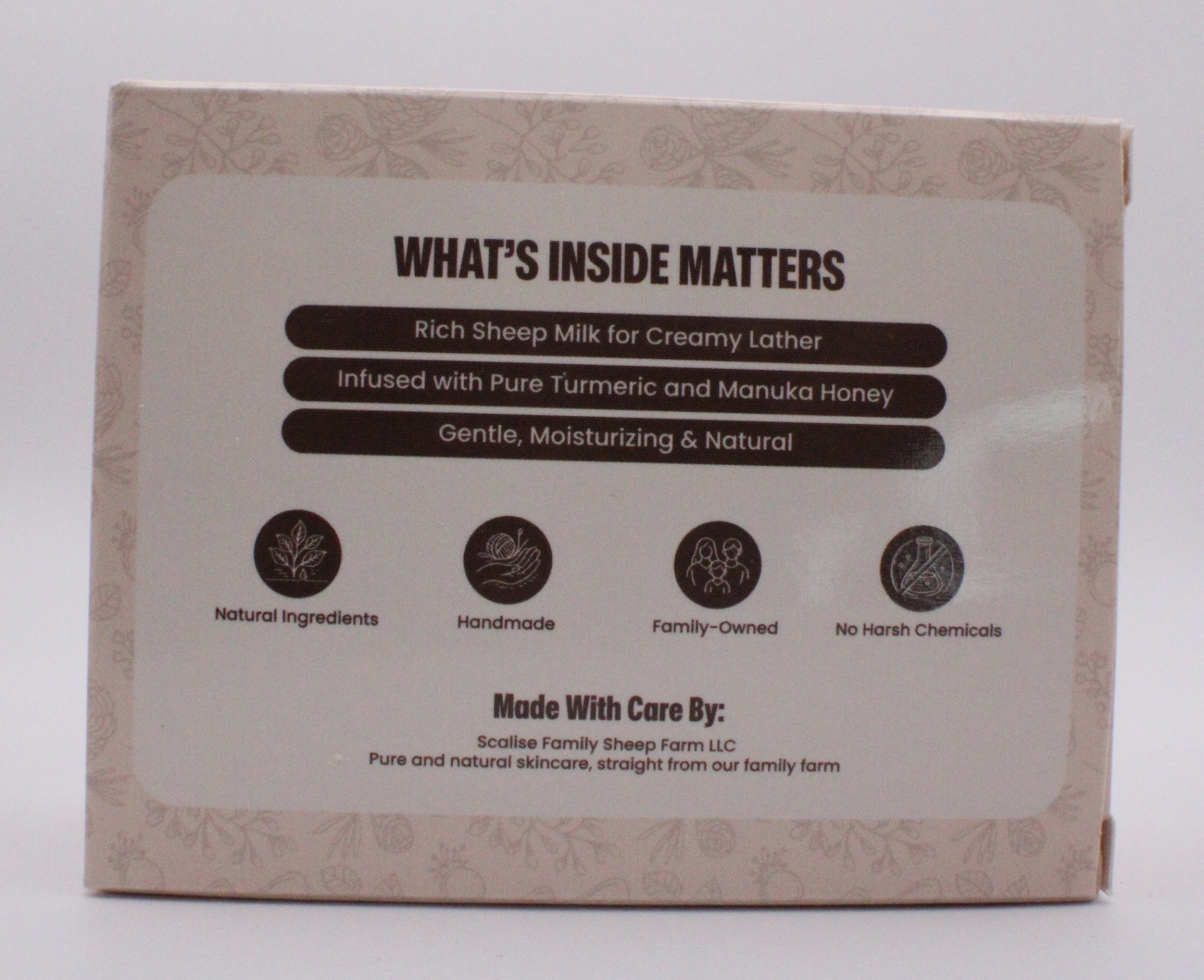
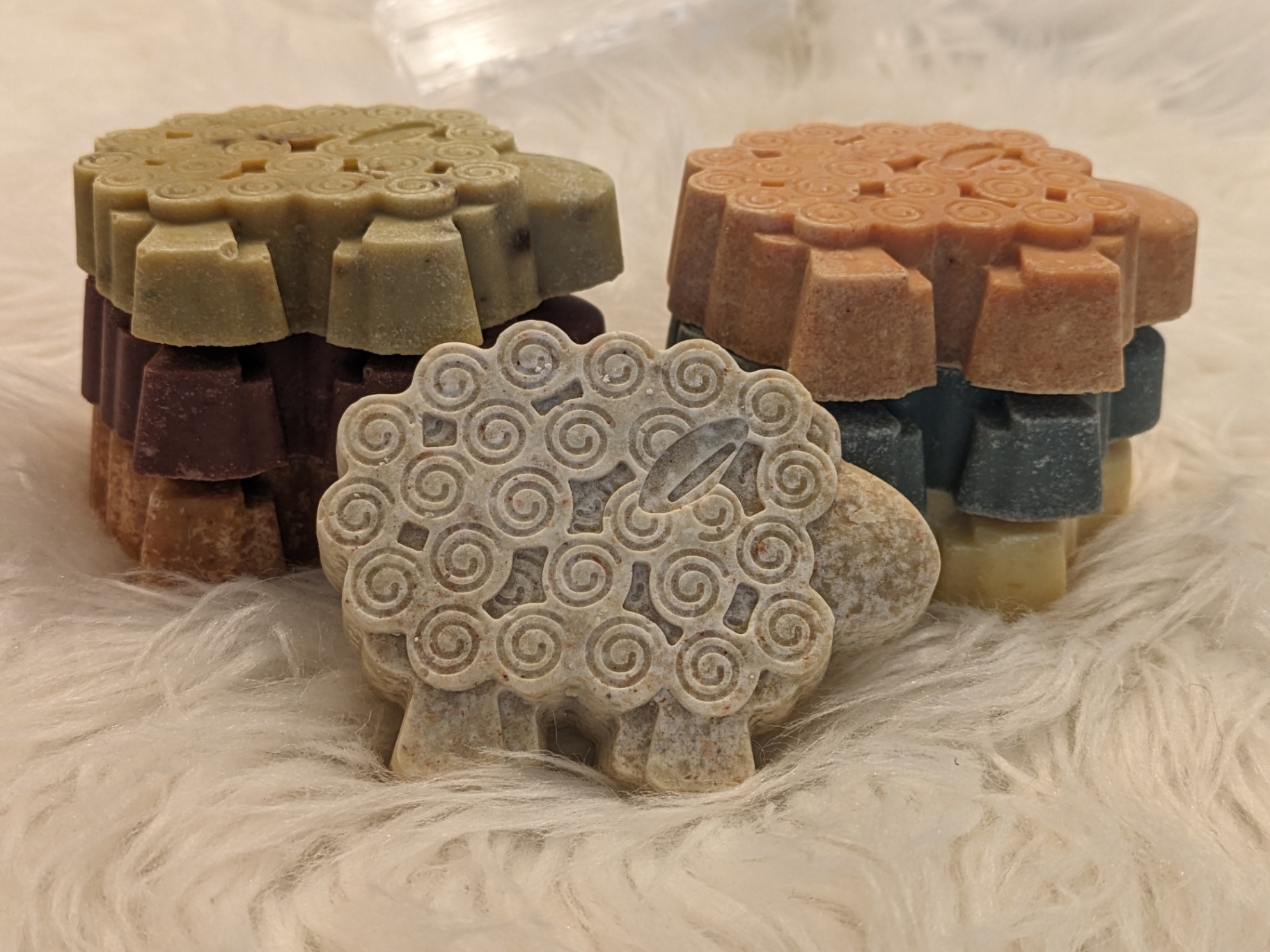
When we make our small-batch soap here on the farm, we're following a tradition that stretches back millennia. Our Icelandic sheep produce rich, nutrient-dense milk that we transform into sheep-milk soap using time-tested methods.
The difference between farm-sourced sheep milk soap and commercial alternatives isn't just marketing: it's chemistry. Our soap retains the:
- Natural glycerin that commercial processes often remove
- Full spectrum of fatty acids from fresh sheep milk
- Gentle lactic acid for natural exfoliation
- Vitamins and minerals that support skin health
Carrying the Torch Forward
There's something deeply satisfying about knowing that when you use sheep-milk soap, you're participating in a beauty tradition that's literally ancient.
The Roman noblewoman applying lanolin to her face, the Mediterranean shepherd's wife making soap for her family, the English milkmaid with her famously clear complexion: they all understood something fundamental about skin health that our modern chemical industry has largely forgotten.
At Scalise Family Sheep Farm, we're not trying to reinvent the wheel. We're just trying to make it the way it was always supposed to be made: with care, with quality ingredients, and with respect for the thousands of years of wisdom that came before us.
Our Frankincense Sheep Milk Soap and Rose Sheep Milk Soap combine this ancient ingredient with essential oils that have their own storied histories in beauty and wellness.
Because sometimes, the best innovations aren't new at all. They're just old wisdom, carefully preserved and thoughtfully applied.
References
[1] Ovid. Ars Amatoria (The Art of Love). Circa 1 BCE. Classical Latin text documenting Roman beauty practices.
[2] Evershed, R.P., et al. "Chemical Analysis of a Roman Period Cosmetic Cream." Nature, 2004. Archaeological chemistry analysis of preserved Roman cosmetics.
[3] Stewart, S. Painted Faces: A Colourful History of Cosmetics. Amberley Publishing, 2017.
[4] Gupta, C., & Prakash, D. "Therapeutic Uses of Animal-Derived Fats in Traditional Medicine." Journal of Ethnopharmacology, 2014.
[5] Park, Y.W., & Haenlein, G.F.W. Milk and Dairy Products in Human Nutrition. John Wiley & Sons, 2013.
[6] Tang, S.C., & Yang, J.H. "Dual Effects of Alpha-Hydroxy Acids on the Skin." Molecules, 2018.
[7] Vail, G. A History of Cosmetics in America. Toilet Goods Association, 1947.


