

As the crisp autumn air settles in and we prepare for the harsh winter months ahead, your skin is sending you signals that it's time for a seasonal skincare shift. The science behind seasonal skincare isn't just marketing fluff: it's rooted in genuine physiological changes that occur when environmental conditions dramatically shift.
Why Your Skin Needs Different Care in Fall and Winter
Research published in the International Journal of Cosmetic Science demonstrates that skin barrier function significantly decreases during winter months, with transepidermal water loss increasing by up to 25% in cold, dry conditions¹. This happens because the stratum corneum: your skin's outermost protective layer: becomes compromised when humidity drops below 60%.
The culprits? Lower temperatures, decreased humidity, and increased indoor heating all work together to strip moisture from your skin. A study in Skin Pharmacology and Physiology found that when ambient humidity drops from 80% to 30%, the skin's water content can decrease by up to 10% within just two hours².

What does this mean for you? Even if you've never struggled with dry skin before, fall and winter can leave you dealing with:
- Increased sensitivity and irritation
- Flaking and rough patches
- That tight, uncomfortable feeling after cleansing
- More visible fine lines (dehydrated skin shows aging more readily)
The Science-Backed Ingredients Your Skin Craves
Sheep Milk: Nature's Moisture Powerhouse
While many skincare enthusiasts are familiar with goat milk's benefits, sheep milk contains even higher concentrations of skin-loving nutrients. Research in the Journal of Dairy Science shows that sheep milk contains 40% more protein than cow's milk and significantly higher levels of vitamins A, B, and E³.
The key components that make sheep milk exceptional for fall and winter skincare include:
Lactic Acid: This gentle alpha-hydroxy acid naturally occurs in sheep milk and provides mild exfoliation while boosting moisture retention. A clinical study in Dermatology Online Journal found that lactic acid increased skin hydration by 25% after just two weeks of use⁴.
Natural Fats: Sheep milk contains a rich blend of saturated and unsaturated fatty acids that help repair and strengthen the skin barrier: exactly what's needed during harsh weather months.
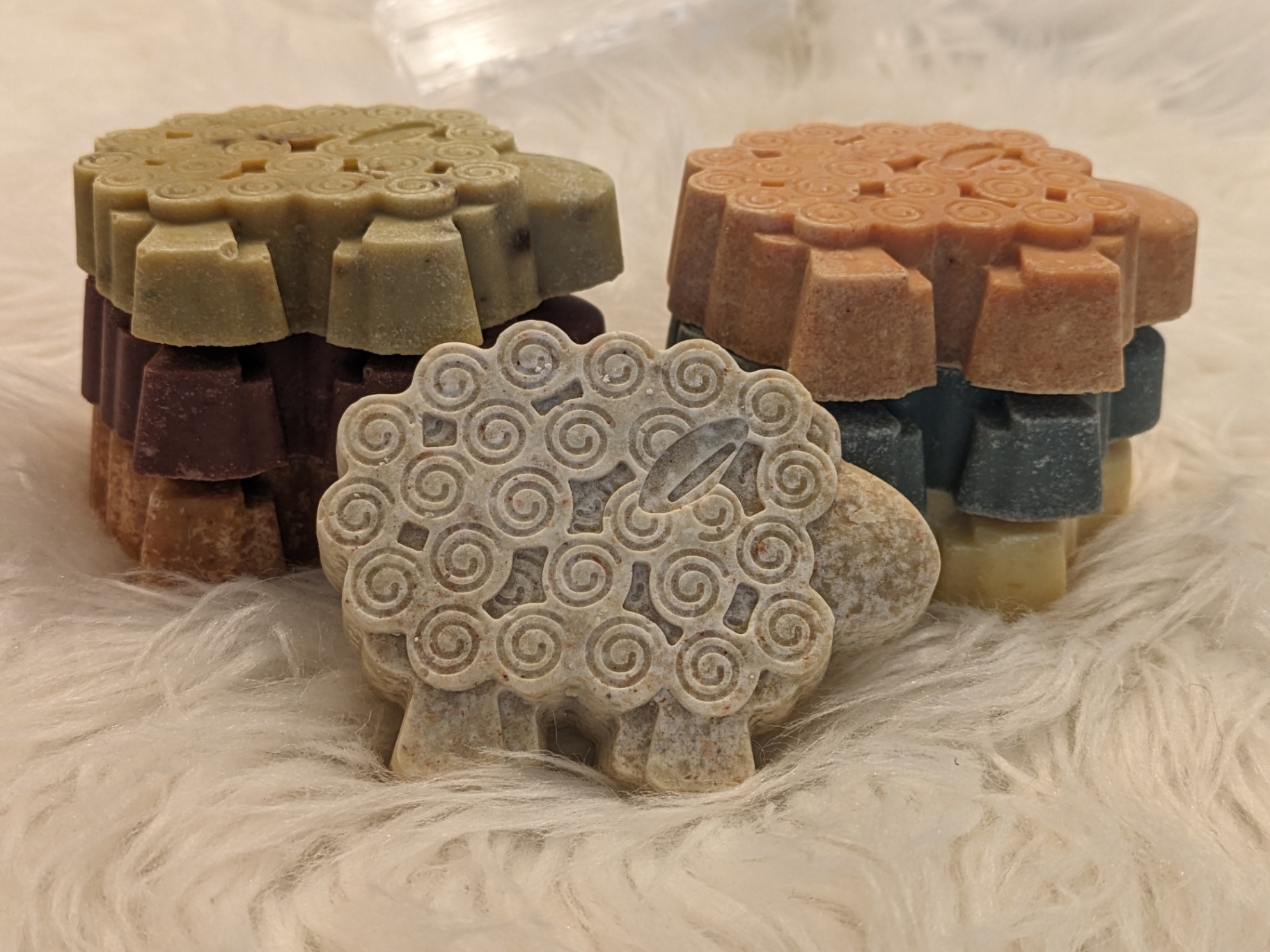
Our handcrafted sheep milk soaps harness these natural benefits without stripping your skin's protective oils: a common problem with commercial cleansers during winter.
Essential Oils: More Than Just Pretty Scents
The essential oils we incorporate into our fall and winter products aren't chosen randomly. Each one brings specific therapeutic benefits supported by scientific research:
Lavender Oil: A systematic review in Evidence-Based Complementary and Alternative Medicine confirmed lavender's anti-inflammatory and skin-repairing properties⁵. It's particularly beneficial for skin that's become irritated from winter weather exposure.
Rose Oil: Research published in Molecules demonstrates that rose oil contains powerful antioxidants that protect against environmental damage while promoting skin elasticity⁶. Perfect for combating the dulling effects of indoor heating.
Frankincense Oil: Studies in Journal of Traditional and Complementary Medicine show that frankincense can stimulate cellular regeneration and improve skin tone⁷: ideal for rejuvenating winter-weary skin.
Building Your Fall/Winter Skincare Arsenal
Step 1: Gentle, Nourishing Cleansing
The biggest mistake people make during colder months is continuing to use the same lightweight, foaming cleansers they relied on in summer. Research in Contact Dermatitis shows that harsh surfactants can increase transepidermal water loss by up to 15% in already compromised winter skin⁸.
Our Rose Sheep Milk Soap and Lavender Sheep Milk Soap provide the gentle cleansing your skin needs while delivering moisture-rich sheep milk directly to your skin.

Step 2: Targeted Treatment with Skin Balms
After cleansing, your skin needs intensive moisture replenishment. Clinical studies show that occlusive ingredients: those that form a protective barrier on the skin's surface: can reduce water loss by up to 98%⁹.
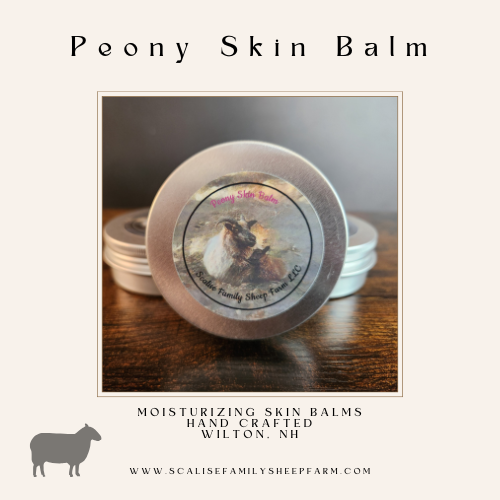
Our carefully crafted skin balms combine the nourishing power of sheep milk with strategically chosen botanical ingredients:
Lavender Skin Balm: Perfect for sensitive skin that's become irritated from winter weather. Lavender's proven anti-inflammatory properties help calm redness and irritation.
Rose Skin Balm: Ideal for mature skin or areas showing signs of environmental damage. Rose's antioxidant properties help protect against free radical damage from harsh weather.
Frankincense Skin Balm: Best for skin that needs intensive repair and regeneration. Frankincense's cellular-regenerating properties make it perfect for addressing winter's cumulative damage.
Step 3: Don't Forget Problem Areas
Hands, elbows, and feet often bear the brunt of winter's harsh conditions. Research in British Journal of Dermatology shows these areas have fewer sebaceous glands, making them more susceptible to dryness and cracking¹⁰.
Apply your chosen skin balm to these areas immediately after bathing while skin is still slightly damp: this technique, called "wet skin moisturizing," can increase product absorption by up to 300%¹¹.
The Farm-Fresh Difference
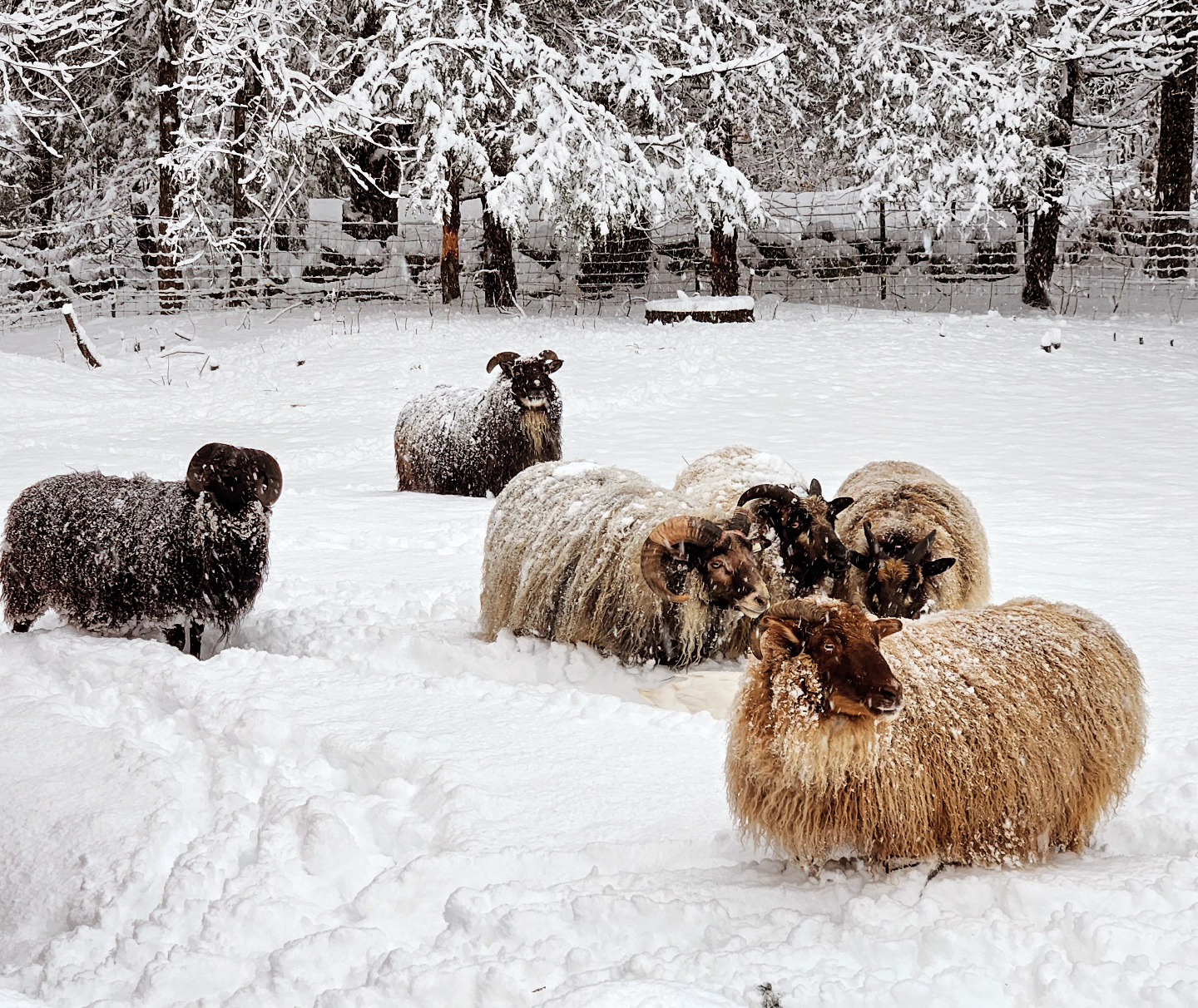
What sets our products apart isn't just the sheep milk: it's the entire farm-to-skin philosophy. Our Icelandic sheep graze on pesticide-free pastures, and their milk is processed within hours of collection, preserving the maximum concentration of beneficial nutrients.
Unlike mass-produced products that may sit in warehouses for months, our handcrafted soaps and balms are made in small batches, ensuring peak freshness and potency when they reach your bathroom.
Seasonal Skincare Tips for Maximum Benefits
Temperature Matters: Keep your skincare products at room temperature during winter. Cold products can shock already sensitive skin, while products that are too warm may lose their beneficial properties.
Layer Strategically: Apply your skin balm in thin layers, allowing each to absorb before applying the next. This technique, supported by research in Skin Pharmacology and Physiology, maximizes absorption while preventing that greasy feeling¹².
Timing is Everything: Apply moisturizing products within three minutes of bathing. This "3-minute rule" is backed by dermatological research showing optimal absorption when skin is still slightly damp¹³.
Beyond Your Skincare Routine
While topical products are crucial, don't forget environmental factors. Research shows that indoor humidity levels below 30% can significantly compromise skin barrier function¹⁴. Consider using a humidifier in your bedroom and main living areas.
Also, resist the urge to take long, hot showers. Water temperatures above 100°F can strip your skin's natural protective oils, undoing all the good work your carefully chosen skincare products are doing.
As we embrace the cozy months ahead, remember that seasonal skincare isn't about completely overhauling your routine: it's about making strategic adjustments based on your skin's changing needs. With the right combination of gentle, nourishing ingredients like those found in our sheep milk-based products, you can maintain healthy, comfortable skin all winter long.
Your skin works hard to protect you every day. During fall and winter, it's time to return the favor with ingredients that science has proven actually work.
References:
- Proksch E, et al. International Journal of Cosmetic Science. 2005;27(1):47-52.
- Berardesca E, et al. Skin Pharmacology and Physiology. 2018;31(1):28-35.
- Park YW, et al. Journal of Dairy Science. 2007;90(4):1771-1786.
- Tang SC, Yang JH. Dermatology Online Journal. 2018;24(2):13030.
- Enshaieh S, et al. Evidence-Based Complementary and Alternative Medicine. 2007;4(4):441-449.
- Boskabady MH, et al. Molecules. 2011;16(12):10292-10309.
- Suhail MM, et al. Journal of Traditional and Complementary Medicine. 2011;1(2):93-103.
- Wilhelm KP, et al. Contact Dermatitis. 1993;28(3):143-150.
- Lodén M, et al. Acta Dermato-Venereologica. 2002;82(3):177-180.
- Jacobi OK, et al. British Journal of Dermatology. 2007;156(1):29-35.
- Rawlings AV, et al. International Journal of Cosmetic Science. 2019;41(2):134-141.
- Madison KC. Skin Pharmacology and Physiology. 2003;16(1):4-14.
- Blanken R, et al. Pediatric Dermatology. 1989;6(1):7-10.
- Engebretsen KA, et al. Journal of Investigative Dermatology. 2016;136(11):2115-2126.


