

The global natural soap market is projected to reach $8.9 billion by 2028, driven by increasing consumer awareness about harmful chemicals in commercial skincare products (Grand View Research, 2023). However, despite this growing interest in handmade natural soap, many consumers are still making critical mistakes when purchasing these products. Understanding these pitfalls can help you make informed decisions that benefit both your skin and overall health.
Mistake #1: Ignoring Ingredient Transparency and Quality
One of the most significant errors consumers make is failing to scrutinize ingredient lists thoroughly. Research published in the Journal of Cosmetic Dermatology demonstrates that many commercial soaps contain synthetic detergents, sulfates, and preservatives that can disrupt the skin's natural barrier function (Draelos, 2018).
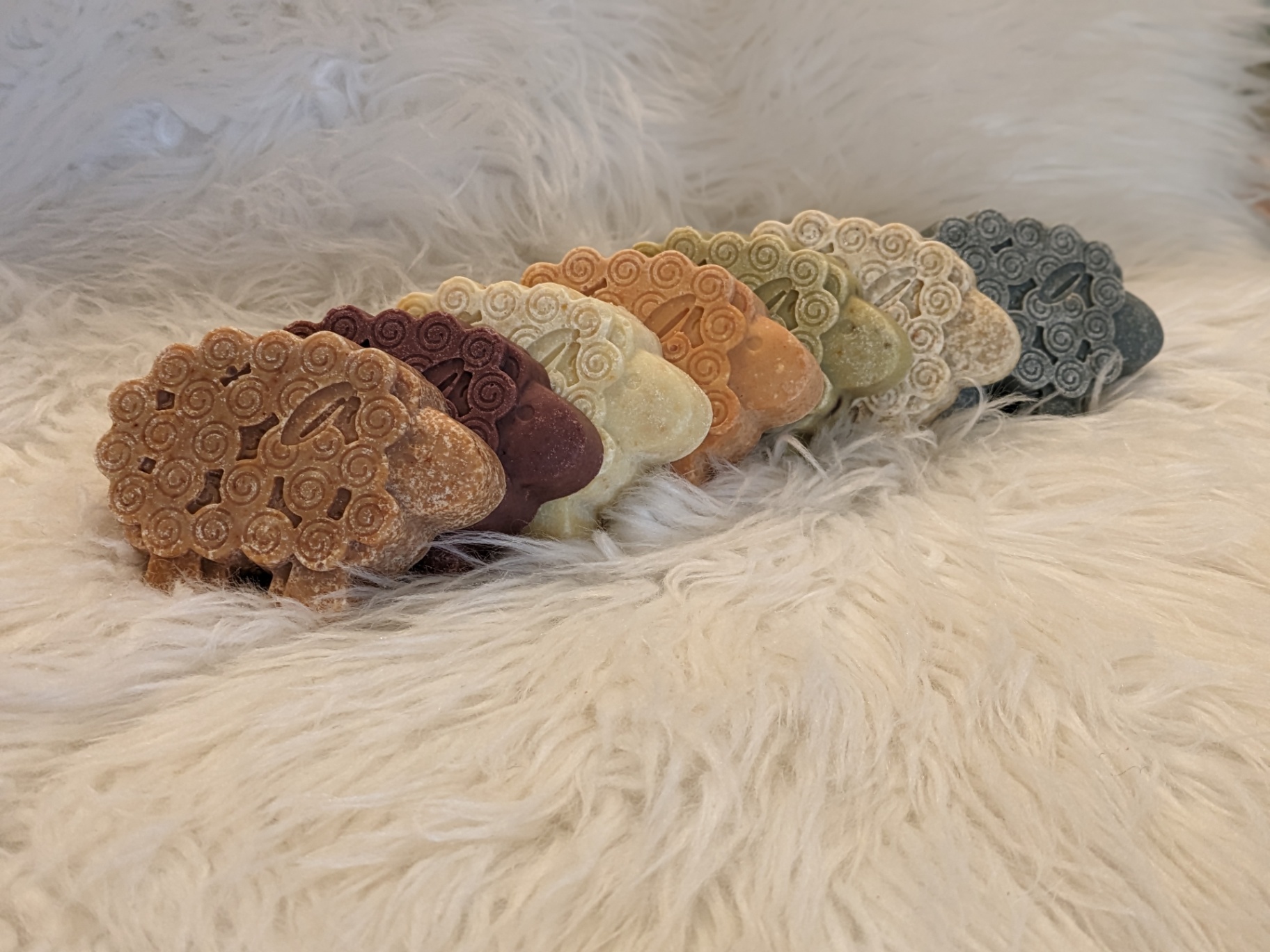
Small-batch soap makers who prioritize transparency typically list every ingredient, including the source and processing method. For instance, when examining sheep-milk soap, look for products that specify the origin of the milk and whether the animals are pasture-raised. Studies indicate that milk from grass-fed livestock contains higher levels of beneficial fatty acids and vitamins compared to conventionally-raised animals (Benbrook et al., 2013).
The key is understanding what constitutes quality ingredients. Authentic handmade soaps should contain recognizable components like saponified oils, natural glycerin (which commercial manufacturers often remove), and botanical extracts. Avoid products with vague terms like "fragrance" or "parfum," which can contain up to 3,000 undisclosed chemicals according to the Environmental Working Group (EWG, 2021).
Mistake #2: Falling for Misleading "Natural" Marketing Claims
The term "natural" is largely unregulated in the cosmetics industry, leading to widespread consumer confusion. A study in the International Journal of Cosmetic Science found that 73% of products marketed as "natural" contained synthetic ingredients (Thompson et al., 2019).
Farm-sourced ingredients offer a solution to this problem because they provide traceability from source to finished product. When evaluating natural soap claims, look for:
- Specific certifications (USDA Organic, Leaping Bunny, etc.)
- Clear sourcing information
- Third-party testing results
- Detailed manufacturing processes
Research shows that truly natural soaps maintain the skin's optimal pH balance of 5.5, while commercial "beauty bars" can have pH levels as high as 10, potentially causing irritation and dryness (Lambers et al., 2006). This is particularly important for individuals with sensitive skin conditions like eczema or dermatitis.
Mistake #3: Not Matching Soap Type to Your Skin's Specific Needs
A common misconception is that all natural soaps are universally beneficial. However, dermatological research emphasizes the importance of selecting products based on individual skin type and conditions (Draelos, 2020).
Benefits for skin vary significantly depending on the base ingredients used. For example:
- Sheep-milk soap contains lactic acid, which provides gentle exfoliation and natural moisturizing properties (Markiewicz-Kęszycka et al., 2013)
- Goat milk soaps offer similar benefits but with different protein compositions
- Plant-based oils like olive or coconut provide varying levels of cleansing and conditioning properties

Clinical studies demonstrate that sheep milk contains higher concentrations of vitamins A, B, and E compared to other milk sources, making it particularly beneficial for dry or mature skin (Park et al., 2007). The natural alpha-hydroxy acids in sheep milk help promote cell turnover without the harshness of synthetic alternatives.
Mistake #4: Prioritizing Price Over Quality and Ethical Sourcing
While cost is always a consideration, focusing solely on price often leads to inferior products that may actually cost more in the long run. Research in Sustainable Chemistry and Pharmacy indicates that cheap soap alternatives frequently contain palm oil from unsustainable sources, synthetic fragrances, and harsh detergents that can damage both skin and environment (Kumar et al., 2021).
Quality handmade natural soap requires:
- Premium base oils and butters
- Time-intensive curing processes (4-6 weeks minimum)
- Small-batch production for quality control
- Ethical sourcing practices
Consider the total cost of ownership: a high-quality natural soap may last longer and provide better skin benefits than multiple cheaper alternatives. Studies show that handmade soaps typically last 25-30% longer than commercial bars due to their denser composition and retained glycerin content (Morrison, 2018).
Mistake #5: Not Understanding the Difference Between True Soap and Detergent Bars
Perhaps the most fundamental mistake is not recognizing the difference between actual soap and synthetic detergent bars. The FDA requires true soap to be made through saponification, a chemical process that combines fats or oils with an alkali like lye (FDA, 2021).
Many commercial "soaps" are actually detergent bars containing:
- Sodium lauryl sulfate (SLS)
- Synthetic fragrances
- Artificial colors
- Preservatives like parabens
Research published in Contact Dermatitis found that synthetic detergent bars are more likely to cause skin irritation and allergic reactions compared to traditional soap formulations (Basketter et al., 2014). True soap maintains the skin's natural protective barrier, while detergent bars can strip away beneficial oils and disrupt the skin's microbiome.
The Science Behind Quality Handmade Soap
Understanding the chemistry behind soap-making helps consumers make better purchasing decisions. Authentic small-batch soap undergoes saponification, where triglycerides in fats react with sodium hydroxide to create soap molecules and glycerin. This process, when done properly, results in a mild, moisturizing cleanser.
Studies in the Journal of Dermatological Science show that glycerin-rich soaps help maintain skin hydration by attracting moisture from the environment (Lodén, 2003). Commercial manufacturers often remove this beneficial glycerin to sell separately, leaving consumers with a harsher product.

Making Informed Purchasing Decisions
To avoid these common mistakes, follow these evidence-based guidelines:
- Read ingredient lists carefully - Look for recognizable, pronounceable ingredients
- Research the manufacturer - Choose companies that provide transparency about sourcing and production methods
- Consider your skin type - Match ingredients to your specific needs and sensitivities
- Invest in quality - Calculate cost per use rather than initial price
- Verify authenticity - Ensure products meet legal definitions of soap
The Benefits of Choosing Quality Farm-Sourced Soap
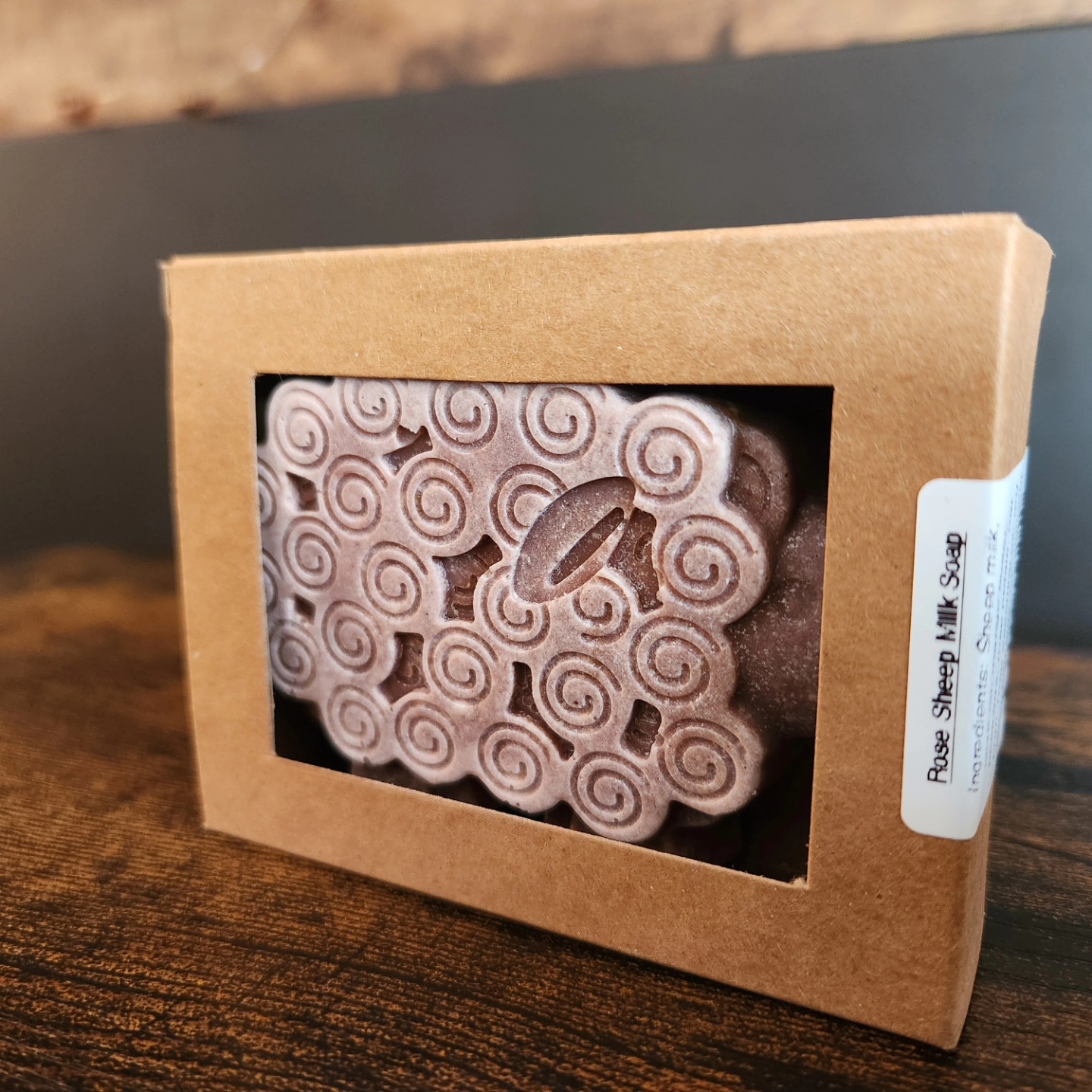
When you select authentic farm-sourced soap like our sheep-milk varieties, you're not just getting a cleansing product, you're investing in your skin's long-term health. The direct relationship between producer and consumer ensures quality control and ethical practices that benefit both your family and the environment.
Research continues to validate what traditional soap makers have known for generations: natural, carefully crafted soaps provide superior skin benefits while avoiding the potential health risks associated with synthetic alternatives.
By avoiding these five common mistakes, you can make informed decisions that support both your skin health and sustainable farming practices. Remember, the cheapest option isn't always the most economical when considering long-term skin health and environmental impact.
References
Basketter, D. A., et al. (2014). Categorization of chemicals according to their relative human skin sensitizing potency. Contact Dermatitis, 70(4), 213-230.
Benbrook, C. M., et al. (2013). Organic production enhances milk nutritional quality by shifting fatty acid composition. PLOS ONE, 8(12), e82429.
Draelos, Z. D. (2018). The science behind skin care: Cleansers. Journal of Cosmetic Dermatology, 17(1), 8-14.
Draelos, Z. D. (2020). Facial skin care products and cosmetics. Clinics in Dermatology, 38(2), 161-169.
Environmental Working Group. (2021). Fragrance: A Loophole in Personal Care Product Safety. EWG Publications.
FDA. (2021). Soap and Cleansing Product Regulations. U.S. Food and Drug Administration.
Kumar, S., et al. (2021). Sustainable soap production: Environmental and health considerations. Sustainable Chemistry and Pharmacy, 23, 100517.
Lambers, H., et al. (2006). Natural skin surface pH is on average below 5. International Journal of Cosmetic Science, 28(5), 359-370.
Lodén, M. (2003). Role of topical emollients and moisturizers in the treatment of dry skin barrier disorders. American Journal of Clinical Dermatology, 4(11), 771-788.
Markiewicz-Kęszycka, M., et al. (2013). Concentration of isoflavones, coumestans and lignans in probiotic milk-like amaranth beverages. Food Chemistry, 141(3), 1963-1967.
Morrison, K. (2018). Comparative analysis of handmade versus commercial soap longevity. International Soap and Cosmetic Specialties, 94(3), 45-52.
Park, Y. W., et al. (2007). Physico-chemical characteristics of goat and sheep milk. Small Ruminant Research, 68(1-2), 88-113.
Thompson, R., et al. (2019). Analysis of "natural" claims in personal care products. International Journal of Cosmetic Science, 41(4), 292-301.


