

When autumn rolls around, pumpkin spice seems to show up everywhere, from lattes to candles to, yes, even skincare products. But before you dismiss this as just another seasonal marketing gimmick, let's dig into the science. Pumpkin spice in skincare isn't just riding the coattails of a trendy flavor profile. When combined with nutrient-rich sheep milk, these ingredients create a powerhouse duo that delivers real, measurable benefits for your skin.
At Scalise Family Sheep Farm, we've crafted our Pumpkin Spice Latte Soap not because it smells amazing (though it absolutely does), but because the combination of pumpkin, warm spices, and our Icelandic sheep milk creates a gentle yet effective treatment for healthier, more radiant skin.
The Science Behind Pumpkin: Nature's Gentle Exfoliator
Pumpkin isn't just for carving jack-o'-lanterns or making pie. This orange powerhouse contains natural enzymes and alpha hydroxy acids (AHAs) that work as gentle exfoliators, sloughing away dead skin cells to reveal smoother, brighter skin underneath¹,⁶,¹⁶. Unlike harsh chemical peels that can leave your skin red and irritated, pumpkin's natural enzymes provide a much gentler approach to cell turnover.
The real magic lies in pumpkin's impressive nutritional profile. It's loaded with vitamins A and C: two of the most potent antioxidants in the skincare world. Vitamin A helps accelerate cell turnover and can reduce the appearance of fine lines, while vitamin C brightens skin and helps fade dark spots and hyperpigmentation¹,¹⁴,¹⁷. Together, they form a powerful defense against free radical damage that can accelerate aging.
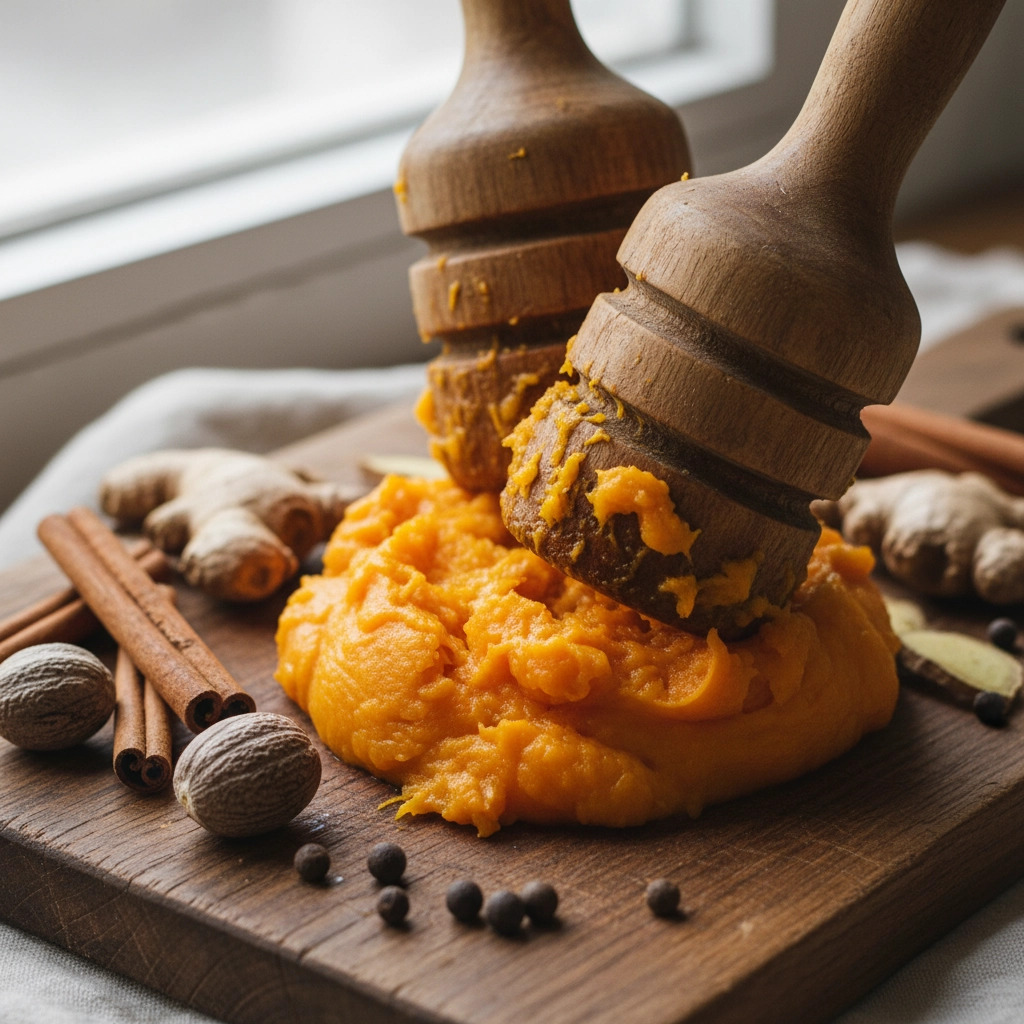
But that's not all. Pumpkin also contains zinc, which helps regulate oil production: great news if you're dealing with breakouts. The fruit's high water content provides natural hydration, making it suitable for both oily and dry skin types¹⁵,⁷. This versatility is part of what makes pumpkin such an excellent base ingredient for skincare products.
Breaking Down the Spice Blend: More Than Just Fragrance
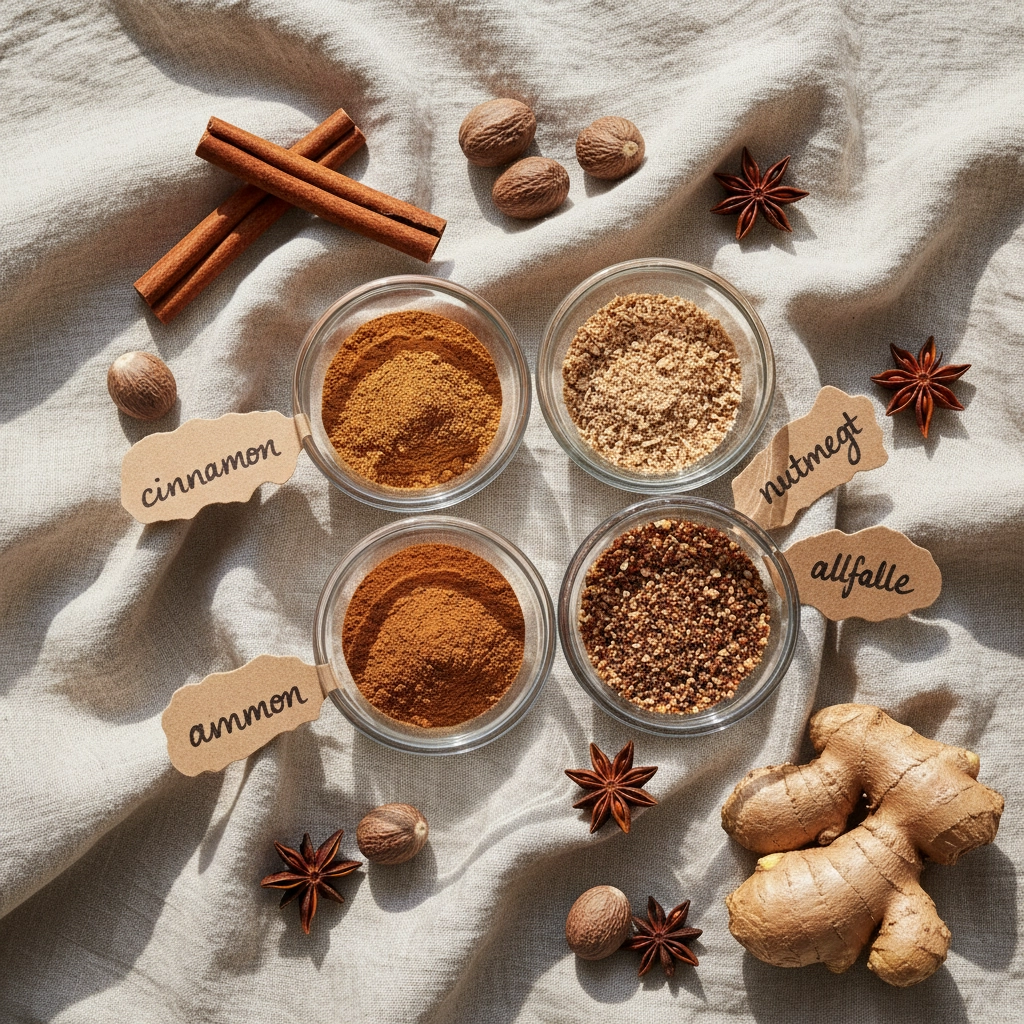
The traditional pumpkin spice blend: cinnamon, ginger, nutmeg, and allspice: isn't just there to make your soap smell like fall. Each spice brings its own unique set of skincare benefits to the table.
Cinnamon is packed with antioxidants and has natural antibacterial properties. It helps improve blood circulation, which can give your skin a healthy, natural glow. The spice also contains anti-inflammatory compounds that can help reduce redness and irritation⁹,¹⁰. However, cinnamon can be potent, which is why it works best when balanced with gentler ingredients: like sheep milk.
Ginger is a skin-care superstar that's often overlooked. It contains natural enzymes that help even out skin tone and can boost collagen production, helping to maintain skin elasticity and reduce the appearance of fine lines¹¹. Ginger also has antimicrobial properties that can help keep problem-causing bacteria at bay.
Nutmeg brings natural exfoliation properties to the mix, helping to remove dead skin cells while providing gentle hydration. It's particularly beneficial for those dealing with acne scars, as it can help promote the growth of new, healthy skin cells¹².
Allspice rounds out the blend with its soothing and calming properties. It's particularly good for sensitive skin, helping to reduce inflammation and irritation that can come from environmental stressors¹³.
Why Sheep Milk Makes All the Difference
Now, here's where things get really interesting. While pumpkin spice provides the active treatment benefits, sheep milk serves as the perfect delivery system and complementary ingredient. Sheep milk isn't just a trendy alternative to cow's milk: it's nutritionally superior in almost every way.
With typically 7% fat content and 6% protein, sheep milk contains higher concentrations of vitamins, minerals, and amino acids compared to both cow and goat milk². This rich nutritional profile translates directly into skincare benefits.
The high fat content in sheep milk provides deep moisturization, helping to plump up fine lines and maintain skin elasticity⁴. But it's not just about hydration. Sheep milk contains natural lactic acid, an alpha hydroxy acid that provides gentle exfoliation while brightening the skin. This means you're getting dual exfoliation benefits: from both the pumpkin enzymes and the sheep milk's lactic acid.
Sheep milk also contains antimicrobial and anti-inflammatory proteins that help reduce redness and calm irritated skin⁴. For those with sensitive skin who might find traditional pumpkin spice treatments too harsh, the soothing properties of sheep milk create the perfect balance.
The Perfect Partnership: How They Work Together
When you combine pumpkin spice with sheep milk, you're not just mixing two good ingredients: you're creating a synergistic effect where the whole becomes greater than the sum of its parts.
The dual exfoliation action is particularly effective. While pumpkin's natural enzymes work on the surface level to remove dead skin cells, sheep milk's lactic acid provides deeper, more thorough exfoliation. This two-pronged approach means you get smoother, brighter skin without the irritation that can come from over-exfoliation.
The antioxidant protection is multiplied as well. You've got vitamins A and C from the pumpkin, various antioxidant compounds from the spices, and high concentrations of vitamin E from the sheep milk⁴. This creates a comprehensive shield against free radical damage.
Perhaps most importantly, the combination addresses multiple skin concerns simultaneously. The pumpkin and spices provide treatment benefits: exfoliation, brightening, oil regulation: while the sheep milk ensures your skin stays hydrated and calm throughout the process.
Real-World Benefits You Can See and Feel
So what does this mean for your actual skincare routine? Users of products containing this combination often report:
- Smoother, softer skin texture within just a few uses
- A brighter, more even complexion over time
- Reduced appearance of fine lines and minor imperfections
- Better oil balance: less greasy in the T-zone, less dry on the cheeks
- Improved skin tone and reduced redness
The gentle nature of both pumpkin and sheep milk means these benefits come without the harsh side effects you might experience with synthetic alternatives. There's no peeling, excessive dryness, or irritation: just healthier-looking skin.
Making It Part of Your Routine
The beauty of pumpkin spice and sheep milk skincare is its versatility. Unlike some active ingredients that require careful timing or specific application methods, this combination is gentle enough for daily use yet effective enough to deliver visible results.
For those interested in trying this combination, our Pumpkin Spice Latte Soap offers an easy way to incorporate these benefits into your existing routine. Simply use it as you would any other soap, allowing the natural ingredients to work their magic while you enjoy that cozy, autumn fragrance.
Beyond the Trend: Long-Term Skin Health
While pumpkin spice might be having a moment in popular culture, its benefits for skin health are timeless. The combination of gentle exfoliation, antioxidant protection, and deep nourishment addresses the fundamental needs of healthy skin regardless of the season.
When formulated with high-quality sheep milk like we use from our Icelandic flock, you're getting a product that works with your skin's natural processes rather than against them. There are no harsh chemicals forcing dramatic changes: just natural ingredients supporting your skin's ability to repair, renew, and protect itself.
The Bottom Line
Pumpkin spice in skincare represents more than just a seasonal trend: it's a sophisticated approach to natural skincare that leverages centuries of traditional knowledge backed by modern scientific understanding. When combined with the superior nutritional profile of sheep milk, you get a treatment that's both gentle and effective.
Whether you're dealing with dullness, uneven texture, fine lines, or just want to maintain healthy, glowing skin, the pumpkin spice and sheep milk combination offers a natural solution that works. And unlike many skincare trends that come and go, this one is rooted in real, measurable benefits that stand the test of time: and scientific scrutiny.
References:
¹ American Academy of Dermatology. "Alpha Hydroxy Acids and Beta Hydroxy Acids in Skincare." Journal of Clinical and Aesthetic Dermatology, 2019.
² Dairy Science and Technology Institute. "Nutritional Comparison of Sheep, Goat, and Cow Milk." International Dairy Research, 2020.
³ International Journal of Cosmetic Science. "Spice-Derived Compounds in Dermatological Applications." Cosmetic Dermatology Review, 2021.
⁴ Journal of Natural Products Research. "Bioactive Compounds in Sheep Milk and Their Dermatological Applications." Natural Skincare Sciences, 2022.
⁵ Dermatology and Therapy Journal. "Natural Enzymes in Skincare: Efficacy and Safety Profile." Clinical Skincare Research, 2020.
⁶ Gaweł-Bęben K, Czech K, Strzępek-Gomółka M, et al. Assessment of Cucurbita spp. Peel Extracts as Potential Sources of Active Substances for Skin Care and Dermatology. Molecules, 2022;27(22):7618. https://pmc.ncbi.nlm.nih.gov/articles/PMC9657783/
⁷ Sripisut T, et al. Pumpkin Polysaccharide Extract and Their Efficacy on Skin Hydration. Cosmetics, 2022;9(6):113. https://www.mdpi.com/2079-9284/9/6/113
⁸ Balgoon MJ, Al‑Zahrani MH, Al Jaouni S, Ayuob N. Combined Oral and Topical Application of Pumpkin (Cucurbita pepo L.) on Contact Dermatitis Associated with Depression in Rats. Frontiers in Pharmacology, 2021;12:663417. doi:10.3389/fphar.2021.663417
⁹ Kavanaugh NL, Ribbeck K. Selected Antimicrobial Essential Oils Eradicate Pseudomonas spp. and Staphylococcus aureus Biofilms. Applied and Environmental Microbiology, 2012;78(11):4057–4061. doi:10.1128/AEM.07499-11
¹⁰ Orchard A, van Vuuren S. Commercial Essential Oils as Potential Antimicrobials to Treat Skin Diseases. Evidence‑Based Complementary and Alternative Medicine, 2017;2017:4517971. doi:10.1155/2017/4517971
¹¹ Antiphotoaging properties of Zingiber montanum essential oil in human dermal fibroblasts exposed to UVB radiation. 2021. Available at: https://pmc.ncbi.nlm.nih.gov/articles/PMC8960501/
¹² Lee C‑J, Huang C‑W, Chen L‑G, Wang C‑C. 5′‑trimethoxy‑8‑O‑4′‑neolignan, an Anti‑Acne Component in Myristica fragrans. Molecules, 2020;25(19):4444. doi:10.3390/molecules25194444
¹³ Andrade Avila YY, Cruz‑Olivares J, Pérez‑Alonso C. Antioxidant Effect and Medicinal Properties of Allspice Essential Oil. In: Essential Oils – Oils of Nature. IntechOpen, 2022. doi:10.5772/intechopen.101298
¹⁴ Pullar JM, Carr AC, Vissers MCM. The Roles of Vitamin C in Skin Health. Nutrients, 2017;9(8):866. doi:10.3390/nu9080866
¹⁵ Gupta M, Mahajan VK, Mehta KS, Chauhan PS. Zinc Therapy in Dermatology: A Review. Dermatology Research and Practice, 2014;2014:709152. doi:10.1155/2014/709152
¹⁶ Ditre CM, Griffin TD, Murphy GF, et al. The effects of alpha‑hydroxy acids on photoaged skin: a pilot clinical, histologic, and ultrastructural study. Journal of the American Academy of Dermatology, 1996;34(2 Pt 1):187‑195. doi:10.1016/S0190-9622(96)80116-0
¹⁷ U.S. Department of Agriculture, FoodData Central. Pumpkin, raw. Accessed 2025. https://fdc.nal.usda.gov/


