

Let's be honest, switching to natural deodorant can feel pretty intimidating. You've probably heard all sorts of horror stories from well-meaning friends or read conflicting information online that left you more confused than convinced. The truth is, there are tons of myths floating around about natural deodorants that just aren't based in reality.
As a veteran-owned family farm that's been crafting all-natural skincare products from our own Icelandic sheep's milk, we've heard just about every concern you can imagine. Today, we're setting the record straight on the five most persistent myths about natural deodorant, and trust us, the reality is way better than the rumors.
Myth #1: "Natural Deodorants Just Don't Work"
This is hands-down the biggest myth we encounter, and it's based on a fundamental misunderstanding of how natural deodorants actually function. Here's the thing: natural deodorant absolutely does work, but it works differently than conventional antiperspirants.
Conventional antiperspirants use aluminum compounds to literally plug your sweat ducts, preventing moisture from reaching the surface of your skin. [1,2] Natural deodorants, on the other hand, allow your body to sweat naturally (which is actually healthy!) while neutralizing odor-causing bacteria and absorbing moisture. [3–5,12]
The key difference? Deodorants tackle odor, while antiperspirants stop sweat entirely. Sweating is your body's natural cooling and detoxification system, blocking it completely isn't necessarily doing you any favors. [7]
Modern natural deodorants use incredibly effective ingredients like baking soda, arrowroot powder, and magnesium hydroxide to neutralize odor at the source. These ingredients work by balancing your skin's pH and creating an environment where odor-causing bacteria simply can't thrive. [12,13]
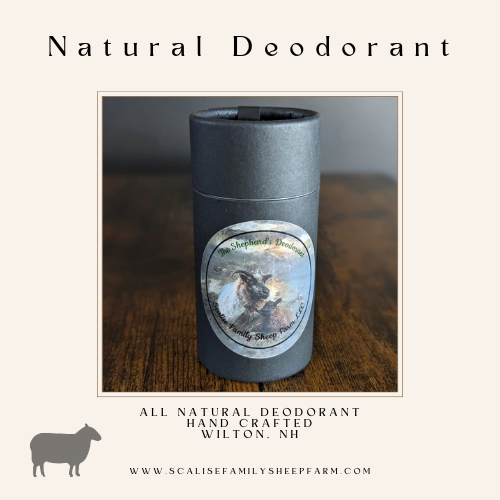
If you've tried a natural deodorant before and felt it "didn't work," your body might have still been adjusting, or you may not have found the right formulation for your skin type. Every person's body chemistry is different, which is why we've carefully crafted our deodorant with a blend of proven natural ingredients.
Myth #2: "You'll Smell Terrible During the 'Detox' Period"
Ah, the dreaded "detox phase": probably the most fear-inducing myth in the natural deodorant world. While some people do experience a brief adjustment period when switching from antiperspirants, it's nowhere near as dramatic or universal as the internet would have you believe.
Here's what's actually happening: after years of using aluminum-based antiperspirants, your pores need time to unclog, and your skin's natural microbiome needs to rebalance. [3,4] This process typically lasts anywhere from a few days to two weeks: not the months of misery some people describe.
But here's the kicker: many people don't experience any detox phase at all. They make the switch seamlessly and wonder what all the fuss was about. The severity of any adjustment period often depends on factors like your individual body chemistry, how long you've been using conventional products, and the quality of the natural deodorant you choose.
During any transition period, remember that sweat itself is actually odorless: it's bacteria that creates the smell we want to avoid. [5] Quality natural deodorants are specifically formulated to tackle these bacteria from day one, not after some mythical detox period ends.
Myth #3: "Natural Deodorants Are Only for People with Sensitive Skin"
This myth really sells natural deodorants short. While they are gentler on sensitive skin due to their lack of harsh chemicals, natural deodorants are absolutely suitable for everyone: regardless of skin type.
Many people make the switch not because they have sensitive skin, but because they want to avoid potentially harmful ingredients like parabens, phthalates, triclosan, and synthetic fragrances. [6,8–10] Others are motivated by environmental concerns or simply prefer products made with recognizable, natural ingredients.
Ironically, we've found that many people actually experience less irritation when they switch to natural deodorant. Conventional products can cause irritation, razor burn, and skin darkening over time: problems that often resolve once people make the switch to gentler, natural alternatives. [6]

Our deodorant, for example, is made with nourishing ingredients sourced right here on our farm, including nutrient-rich sheep's milk that naturally moisturizes and soothes skin. It's effective for all skin types, not just sensitive ones.
Myth #4: "You'll Sweat Way More with Natural Deodorant"
This myth confuses the roles of deodorants and antiperspirants, leading to unrealistic expectations. When you switch to natural deodorant, you're not actually sweating more: you're just sweating normally for probably the first time in years.
Think about it: if you've been using aluminum-based antiperspirants that physically block your sweat ducts, switching to a product that allows natural sweating might feel like you're suddenly sweating more. In reality, you're just experiencing what healthy, natural sweating feels like.
Sweating is one of your body's most important functions. It regulates temperature, eliminates toxins, and helps maintain healthy skin. [7] Blocking this natural process entirely isn't necessarily beneficial for your overall health.
Quality natural deodorants include naturally absorbent ingredients like arrowroot powder and kaolin clay that help you feel drier and more comfortable while still allowing your body to function naturally. [12] Over time, many people find that their sweating actually becomes more balanced and regulated.
Myth #5: "The Ingredients Don't Really Matter"
This might be the most dangerous myth of all. The products you apply to your underarms every single day aren't just sitting on the surface of your skin: they're being absorbed into your body through some of the most permeable skin on your body. [11]
Your underarms are positioned right next to major lymph nodes and important circulation pathways. The delicate skin in this area readily absorbs whatever you apply to it, meaning those ingredients are entering your bloodstream and potentially accumulating in your system over time.
Traditional deodorants and antiperspirants often contain aluminum (linked to various health concerns), parabens (hormone disruptors), synthetic fragrances (allergens and irritants), and other chemicals that your body simply doesn't need to process daily. [6,8–10,12]
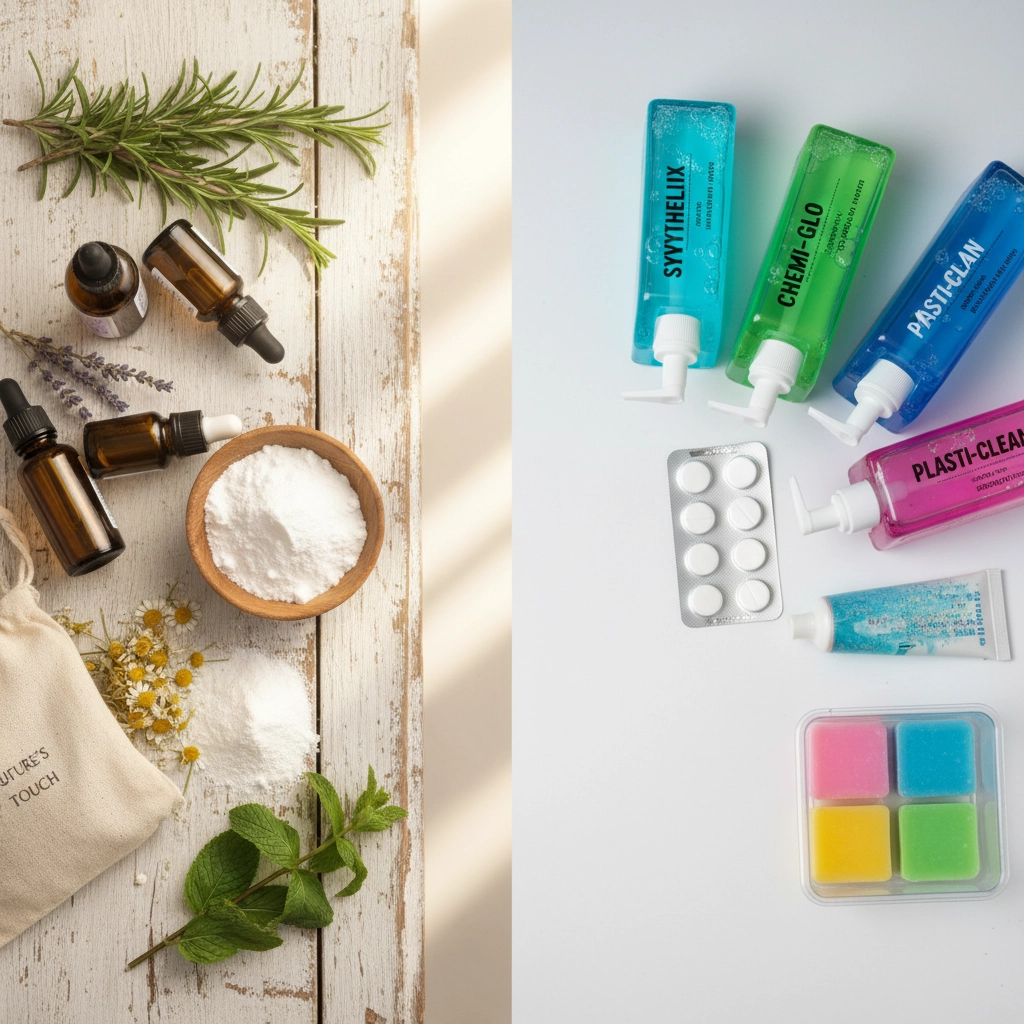
While your body can handle occasional chemical exposure, daily application of these potentially harmful ingredients year after year can lead to cumulative effects. [8–10] By choosing natural alternatives made with recognizable, beneficial ingredients, you're reducing your toxic load while still staying fresh and confident.
The Bottom Line: Natural Deodorant Has Come a Long Way
The natural deodorant industry has evolved tremendously over the past few years. Gone are the days when "natural" meant "ineffective." Today's formulations use scientifically-backed ingredients that are just as capable of keeping you fresh throughout the day as their conventional counterparts. [12]
At Scalise Family Sheep Farm, we've spent years perfecting our natural deodorant recipe, combining traditional ingredients like baking soda and essential oils with the nourishing properties of fresh sheep's milk from our own Icelandic flock. [13] The result is a deodorant that's not only effective but actually beneficial for your skin.
Making the switch to natural deodorant isn't just about avoiding certain ingredients: it's about choosing products that work with your body instead of against it. When you understand how natural deodorants actually work and set realistic expectations, you'll likely find the transition much smoother than these persistent myths suggest.
Ready to bust these myths for yourself? Check out our handcrafted, all-natural deodorant and experience the difference that quality, farm-fresh ingredients can make. Your skin (and your health) will thank you for it.
References:
- Galey J-B, et al. Real-time observation of the interaction between aluminium salts and sweat under microfluidic conditions. Scientific Reports. 2021;11:5984. https://www.nature.com/articles/s41598-021-85691-8
- Draelos ZD. Antiperspirants and deodorants. Clinics in Dermatology. 2001;19(4):398-405. PubMed: https://pubmed.ncbi.nlm.nih.gov/11535380/
- Urban J, Fergus DJ, Savage AM, et al. The effect of habitual and experimental antiperspirant and deodorant product use on the armpit microbiome. PeerJ. 2016;4:e1605. https://peerj.com/articles/1605/
- Callewaert C, Hutapea P, Van de Wiele T, Boon N. Deodorants and antiperspirants affect the axillary bacterial community. Archives of Dermatological Research. 2014;306(8):701-710. PubMed: https://pubmed.ncbi.nlm.nih.gov/25077920/
- Troccaz M, Starkenmann C, Niclass Y, et al. Mapping axillary microbiota responsible for body odours using a culture-independent approach. Microbiome. 2015;3:3. PDF: https://microbiomejournal.biomedcentral.com/counter/pdf/10.1186/s40168-014-0064-3.pdf
- Musicante MJ, et al. Axillary Contact Dermatitis: An Update on Potential Allergens and Management. Cutis. 2024. https://www.mdedge.com/cutis/article/267275/contact-dermatitis/axillary-contact-dermatitis-update-potential-allergens-and/page/0/1
- Baker LB. Physiology of sweat gland function: The roles of sweating and sweat composition in human health. Temperature (Austin). 2019;6(3):211-259. PMC: https://pmc.ncbi.nlm.nih.gov/articles/PMC6773238/
- Boberg J, Taxvig C, Christiansen S, Hass U. Possible endocrine disrupting effects of parabens and their metabolites. Reproductive Toxicology. 2010;30(2):301-312. PubMed: https://pubmed.ncbi.nlm.nih.gov/20381602/
- Aker AM, Watkins DJ, Johns LE, et al. Phenols and parabens in relation to reproductive and thyroid hormones in pregnant women. Environmental Research. 2016;151:30-37. PMC: https://pmc.ncbi.nlm.nih.gov/articles/PMC5071140/
- Uter W, Johansen JD, et al. Contact allergy to fragrances: current clinical and regulatory trends. Current Opinion in Allergy and Clinical Immunology. 2017;17(4):269-275. PMC: https://pmc.ncbi.nlm.nih.gov/articles/PMC6040011/
- Maibach HI, Feldmann RJ, Milby TH, Serat WF. Regional variation in percutaneous penetration in man. Pesticides. Archives of Environmental Health. 1971;23(3):208-211. PubMed: https://pubmed.ncbi.nlm.nih.gov/5123154/
- Velliou E, et al. Deodorants and antiperspirants: New trends in their active agents and testing methods. Cosmetics. 2023;10(2):26. PMC: https://pmc.ncbi.nlm.nih.gov/articles/PMC10946881/
- Dugué C, Baiyasi M, Jackson S, Tolliver S, Daveluy S. Baking Soda and the Skin: A Review of Baking Soda in Dermatology. Journal of Integrative Dermatology. 2024. https://www.jintegrativederm.org/article/122501-baking-soda-and-the-skin-a-review-of-baking-soda-in-dermatology


