

When it comes to natural moisturizers, the options can feel overwhelming. From the traditional lanolin derived from sheep's wool to trendy plant-based oils, each ingredient brings unique properties to skincare formulations. Understanding the science behind these natural emollients can help you make informed choices about what works best for your skin: and why our farm-sourced lanolin in our handmade natural soap and skin balms delivers such exceptional results.
The Chemistry Behind Natural Moisturizers
The effectiveness of any moisturizer depends largely on its chemical composition and how those molecules interact with human skin. Lanolin, chemically speaking, is a complex mixture of esters, alcohols, and fatty acids that closely mimics the composition of human sebum (Draelos, 2018). This similarity allows lanolin to integrate seamlessly with the skin's natural lipid barrier, providing both immediate and long-lasting hydration.
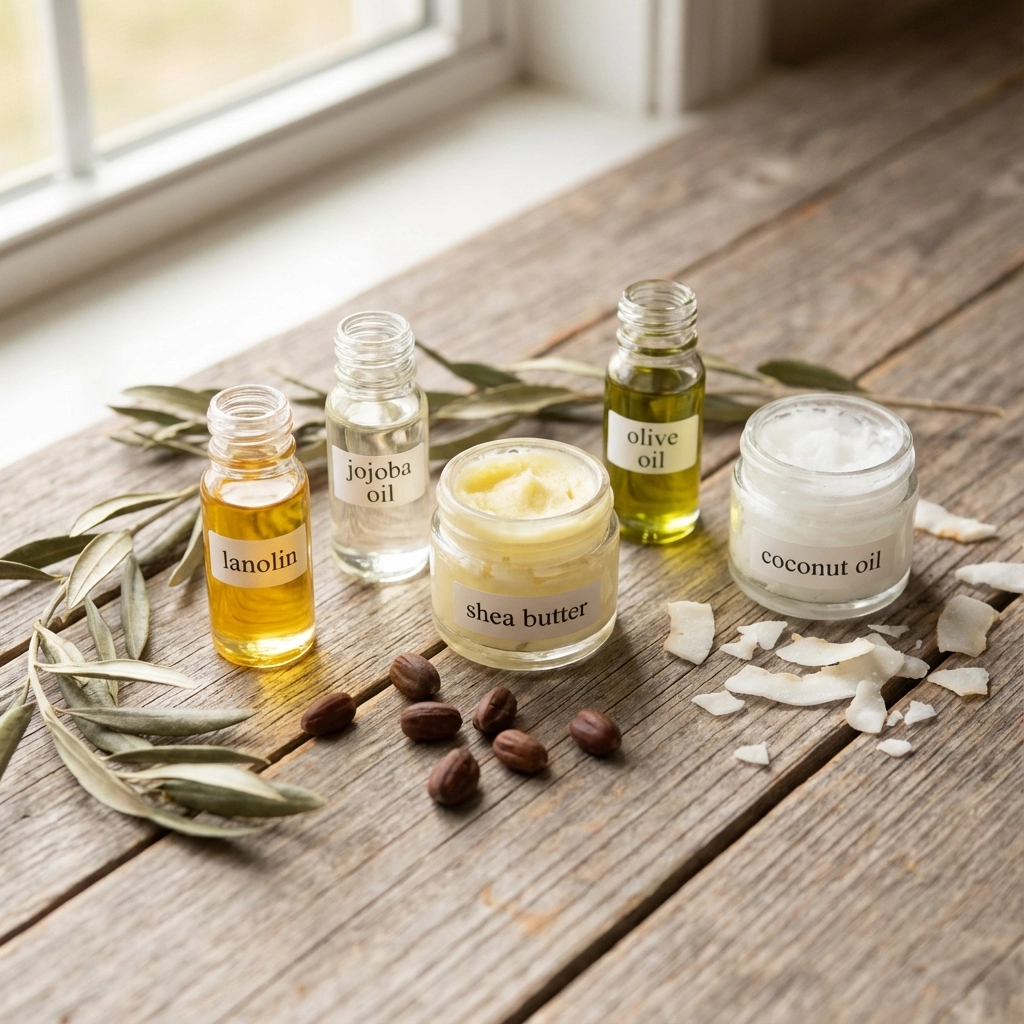
In contrast, plant-based oils each have distinct molecular profiles. Coconut oil consists primarily of saturated fatty acids, particularly lauric acid (45-50%) and myristic acid (16-21%) (Nevin & Rajamohan, 2010). Jojoba oil is technically not an oil but a liquid wax ester, composed mainly of gadoleic and erucic acids, making it remarkably stable and resistant to oxidation (Pazyar et al., 2013). Olive oil contains predominantly oleic acid (55-83%) along with antioxidant compounds like squalene and tocopherols (Budilarto & Kamal-Eldin, 2015). Shea butter is rich in triterpenes and cinnamic acid esters, giving it unique anti-inflammatory properties (Maranz et al., 2004).
Moisture Retention: The Science of Skin Hydration
The ability to prevent transepidermal water loss (TEWL) is crucial for effective moisturization. Lanolin demonstrates exceptional performance in this area, capable of absorbing up to 400% of its weight in water while reducing TEWL by 20-30% (Zhai & Maibach, 2004). This dual action: both humectant and occlusive: makes lanolin particularly effective for severely dry or damaged skin.
Jojoba oil performs similarly well due to its wax ester structure, which closely resembles human sebum and provides excellent barrier function without clogging pores (Pazyar et al., 2013). Research shows jojoba oil can reduce TEWL by approximately 37% within one hour of application (Habashy et al., 2005).
Coconut oil, while popular, shows more variable results. Virgin coconut oil demonstrates moderate barrier repair properties, though its comedogenic potential makes it less suitable for acne-prone skin (Evangelista et al., 2014). The high concentration of medium-chain fatty acids provides antimicrobial benefits but may cause sensitivity in some individuals.
Olive oil's performance in moisture retention varies significantly based on processing and purity. Extra virgin olive oil contains beneficial compounds that support barrier function, but some studies suggest it may actually increase TEWL in damaged skin due to its high oleic acid content (Danby et al., 2013).
Skin Compatibility and Dermatological Benefits
The biocompatibility of these natural moisturizers varies considerably. Lanolin's similarity to human sebum generally results in excellent skin tolerance, though rare allergic reactions can occur in approximately 1-3% of the population (Zhai & Maibach, 2004). For most people, lanolin provides superior moisturization without irritation, making it ideal for sensitive skin formulations like our sheep-milk soap and small-batch soap products.
Jojoba oil demonstrates exceptional skin compatibility due to its non-comedogenic properties and anti-inflammatory effects. Clinical studies show jojoba oil can reduce inflammatory lesions by 54% in acne patients (Meier et al., 2012). Its stability also means it won't go rancid easily, maintaining its beneficial properties over time.
Coconut oil's antimicrobial properties, primarily from lauric acid, can be beneficial for certain skin conditions. Research indicates virgin coconut oil shows significant activity against Staphylococcus aureus, making it potentially useful for atopic dermatitis (Verallo-Rowell et al., 2008). However, its comedogenic rating of 4 out of 5 means it may clog pores for some users.
Shea butter offers unique anti-inflammatory benefits due to its triterpene content, with studies showing it can inhibit inflammatory cytokines (Akihisa et al., 2018). Its rich concentration of vitamins A and E provides additional antioxidant protection, though it may cause allergic reactions in individuals with tree nut sensitivities.
Traditional Uses vs. Modern Applications
Historically, these natural moisturizers have served diverse purposes across cultures. Lanolin has been used for centuries by shepherding communities for its protective and healing properties: a tradition we honor at Scalise Family Sheep Farm LLC by incorporating lanolin into our benefits for skin formulations.
Indigenous cultures utilized these oils extensively: coconut oil in tropical regions for skin protection and wound healing, olive oil in Mediterranean cultures for both culinary and cosmetic purposes, jojoba oil by Native American tribes for skin and hair care, and shea butter across sub-Saharan Africa as a multipurpose skin protectant (Carlson et al., 2018).
Modern research has validated many of these traditional uses while uncovering new applications. Contemporary formulations often combine these ingredients to leverage their complementary properties. For instance, mixing jojoba oil with shea butter can provide both immediate moisture and long-term barrier protection.
Penetration and Absorption Characteristics
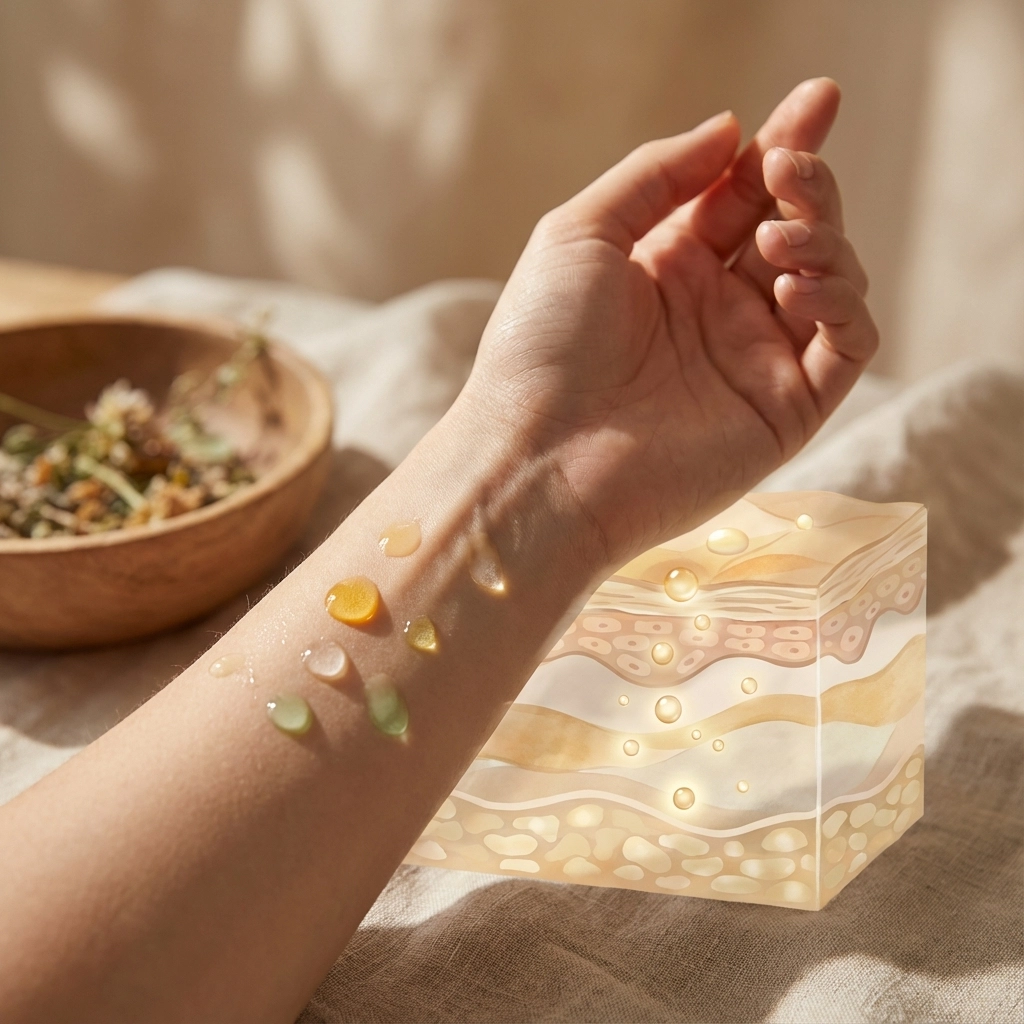
The molecular structure of each moisturizer affects how it penetrates and functions in the skin. Lanolin's complex lipid profile allows it to penetrate deeply into the stratum corneum, where it can integrate with intercellular lipids and provide lasting hydration (Draelos, 2018).
Jojoba oil's liquid wax ester composition enables excellent penetration without leaving a greasy residue. Its molecular similarity to human sebum means it absorbs readily, making it suitable for all skin types (Pazyar et al., 2013).
Coconut oil's medium-chain fatty acids provide good penetration, though the oil may remain on the skin surface longer than lighter oils. This can be beneficial for very dry skin but may feel heavy for those with oily complexions (Evangelista et al., 2014).
Olive oil's penetration varies with its oleic acid content: while this helps it absorb into skin, too much oleic acid can potentially disrupt the skin barrier in some individuals, particularly those with compromised barrier function (Danby et al., 2013).
Formulation Considerations and Practical Applications
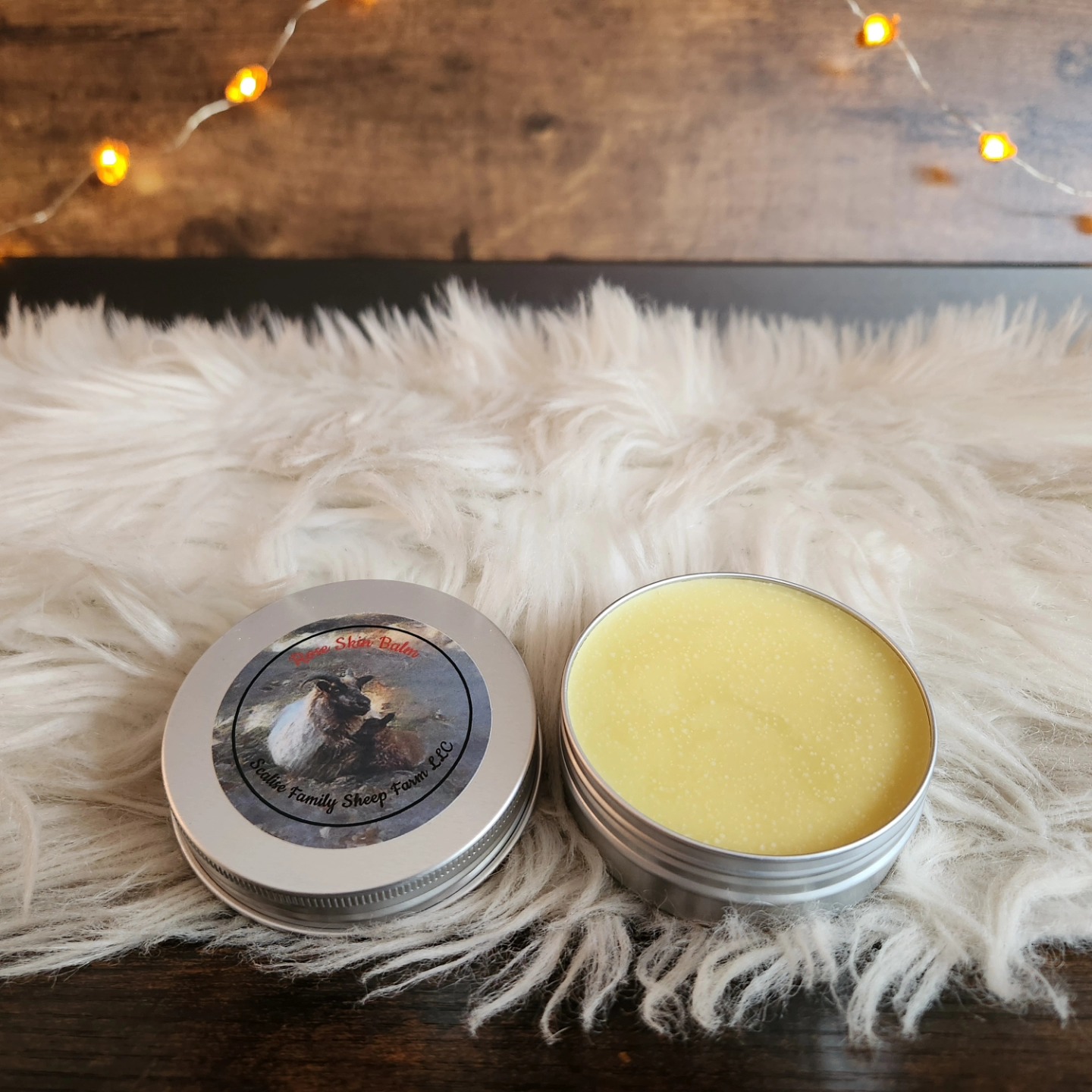
When choosing between these natural moisturizers, consider your specific skin needs and preferences. For severely dry, cracked, or damaged skin, lanolin-based products like our skin balm collections provide superior repair and protection. The unique properties of sheep-derived lanolin make it particularly effective for intensive moisture therapy.
For daily use on normal to combination skin, jojoba oil offers excellent balance: providing adequate moisture without heaviness or pore-clogging. Its stability also makes it suitable for DIY formulations and longer shelf life products.
Those with very dry skin who want plant-based options might benefit from shea butter's rich, protective qualities, while individuals dealing with inflammatory skin conditions could find coconut oil's antimicrobial properties helpful.
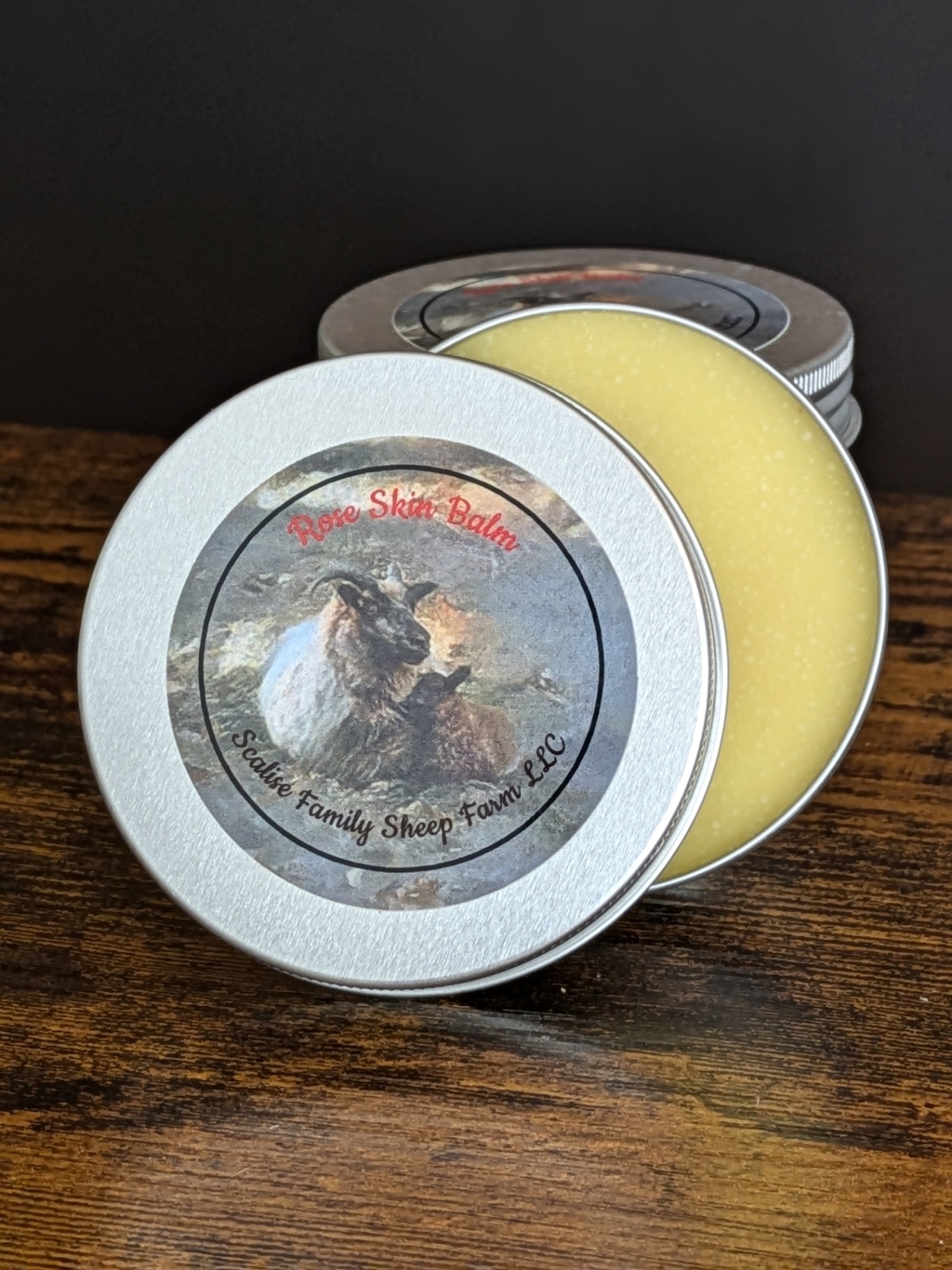
The key to effective natural skincare often lies in understanding these scientific differences and choosing products formulated with high-quality, properly processed ingredients: exactly what we prioritize in our farm-sourced formulations at Scalise Family Sheep Farm.
References
Akihisa, T., Kojima, N., Kikuchi, T., Yasukawa, K., Tokuda, H., Masters, E. T., ... & Connolly, J. D. (2018). Anti-inflammatory and chemopreventive effects of triterpene cinnamates and acetates from shea fat. Journal of Oleo Science, 67(1), 73-80.
Budilarto, E. S., & Kamal-Eldin, A. (2015). The supramolecular chemistry of lipid oxidation and antioxidation in bulk oils. European Journal of Lipid Science and Technology, 117(8), 1095-1137.
Carlson, J. L., Kraft, J., & Schram, S. E. (2018). A systematic review of plant-based therapies for atopic dermatitis. Pediatric Dermatology, 35(4), 459-465.
Danby, S. G., AlEnezi, T., Sultan, A., Lavender, T., Chittock, J., Brown, K., & Cork, M. J. (2013). Effect of olive and sunflower seed oil on the adult skin barrier: implications for neonatal skin care. Pediatric Dermatology, 30(1), 42-50.
Draelos, Z. D. (2018). The science behind skin care: Moisturizers. Journal of Cosmetic Dermatology, 17(2), 138-144.
Evangelista, M. T. P., Abad-Casintahan, F., & Lopez-Villafuerte, L. (2014). The effect of topical virgin coconut oil on SCORAD index, transepidermal water loss, and skin capacitance in mild to moderate pediatric atopic dermatitis: a randomized, double-blind, clinical trial. International Journal of Dermatology, 53(1), 100-108.
Habashy, R. R., Abdel-Naim, A. B., Khalifa, A. E., & Al-Azizi, M. M. (2005). Anti-inflammatory effects of jojoba liquid wax in experimental models. Pharmacological Research, 51(2), 95-105.
Maranz, S., Wiesman, Z., Bisgaard, J., & Bianchi, G. (2004). Germplasm resources of Vitellaria paradoxa based on variations in fat composition across the species distribution range. Agroforestry Systems, 60(1), 71-76.
Meier, L., Stange, R., Michalsen, A., & Uehleke, B. (2012). Clay jojoba oil facial mask for lesioned skin and mild acne–results of a prospective, observational pilot study. Forschende Komplementärmedizin, 19(2), 75-79.
Nevin, K. G., & Rajamohan, T. (2010). Effect of topical application of virgin coconut oil on skin components and antioxidant status during dermal wound healing in young rats. Skin Pharmacology and Physiology, 23(6), 290-297.
Pazyar, N., Yaghoobi, R., Rafiee, E., Mehrabian, A., & Feily, A. (2013). Jojoba in dermatology: a succinct review. Giornale Italiano di Dermatologia e Venereologia, 148(6), 687-691.
Verallo-Rowell, V. M., Dillague, K. M., & Syah-Tjundawan, B. S. (2008). Novel antibacterial and emollient effects of coconut and virgin olive oils in adult atopic dermatitis. Dermatitis, 19(6), 308-315.
Zhai, H., & Maibach, H. I. (2004). Skin moisturizers: An overview. Skin Pharmacology and Physiology, 17(4), 143-152.


