

If you’ve ever run your hand over your upper arms, thighs, or even your cheeks and felt a texture like sandpaper or permanent "goosebumps," you know exactly how frustrating it can be. In the skincare world, we call this Keratosis Pilaris (KP). In the real world, most of us just call it "chicken skin."
At Scalise Family Sheep Farm LLC, we’re not just farmers; we’re also big believers in the science of what nature provides. While KP can feel like an endless battle of scrubbing and moisturizing, the solution might be much simpler than a 10-step chemical routine. It turns out that the sheep milk soap we craft right here on our farm contains a biological "secret weapon" that dermatologists have been recommending for decades: Lactic Acid.
In this post, we’re going to dive deep into the academic research behind KP and explain why the unique chemistry of Icelandic sheep milk is a game-changer for anyone looking to finally achieve smooth, glowing skin.
What is Keratosis Pilaris? (The Science of the Bump)
To fix the bumps, we have to understand why they’re there in the first place. Keratosis Pilaris is a common skin condition caused by a process called hyperkeratinization.
Essentially, your body produces too much keratin: a tough protein that protects skin from harmful substances and infection. In people with KP, this keratin forms a scaly plug that blocks the opening of the hair follicle. Instead of shedding naturally, the dead skin cells get trapped, creating that signature "bumpy" texture.
According to research published in the Journal of the American Academy of Dermatology (JAAD), KP is often associated with a compromised skin barrier. When the barrier is weak, moisture escapes, and the skin becomes dry and irritated, which only makes the keratin plugs harder and more prominent.
Lactic Acid: The Gold Standard for KP
When you visit a dermatologist for KP, they don’t usually reach for a physical scrub. Instead, they look for chemical exfoliants, specifically Alpha Hydroxy Acids (AHAs).
Among these, Lactic Acid is the heavyweight champion. A study published in the Journal of Drugs in Dermatology (JDD) highlighted that 43.63% of dermatologists favor lactic acid as a first-line treatment for Keratosis Pilaris.
Why is Lactic Acid so special? It works on two levels:
- Exfoliation: It breaks down the "glue" (desmosomes) that holds dead skin cells together. This allows the keratin plugs to dissolve and wash away without the need for harsh, abrasive scrubbing that can cause micro-tears in the skin.
- Humectancy: Unlike other acids that can be drying, lactic acid is a natural humectant. It actually pulls moisture into the skin, helping to hydrate the area while it exfoliates.
The Sheep Milk Advantage: Nature’s Laboratory
While you can buy synthetic lactic acid creams at the drugstore, they often come with a host of parabens, synthetic fragrances, and alcohols that can further irritate sensitive KP-prone skin. This is where handmade natural soap made from sheep milk changes the game.
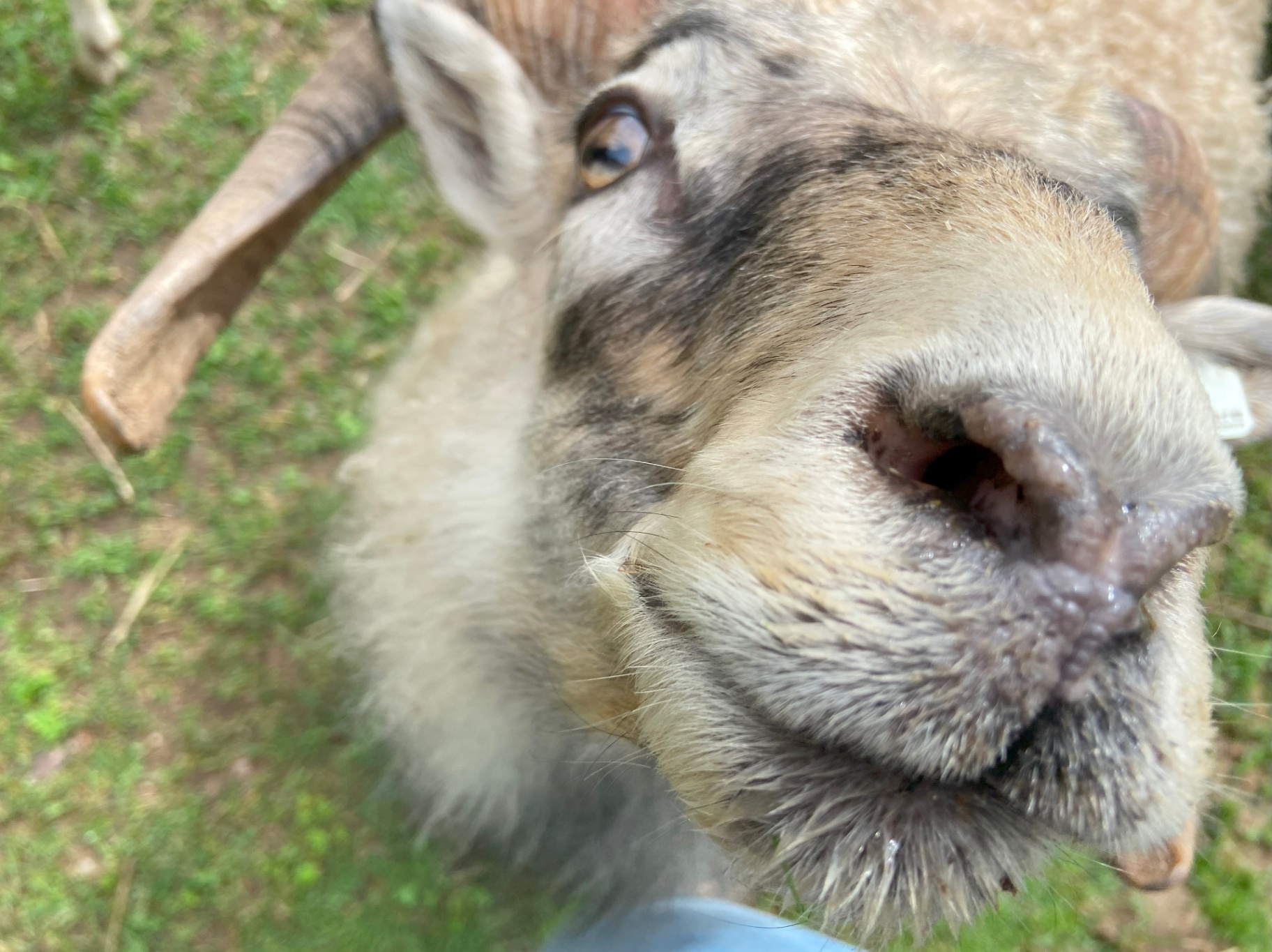
Sheep milk is a powerhouse of nutrition. It contains higher concentrations of vitamins and minerals than both cow and goat milk. But for KP sufferers, the real magic lies in its fat content and its natural AHA profile.
1. Naturally Occurring Lactic Acid
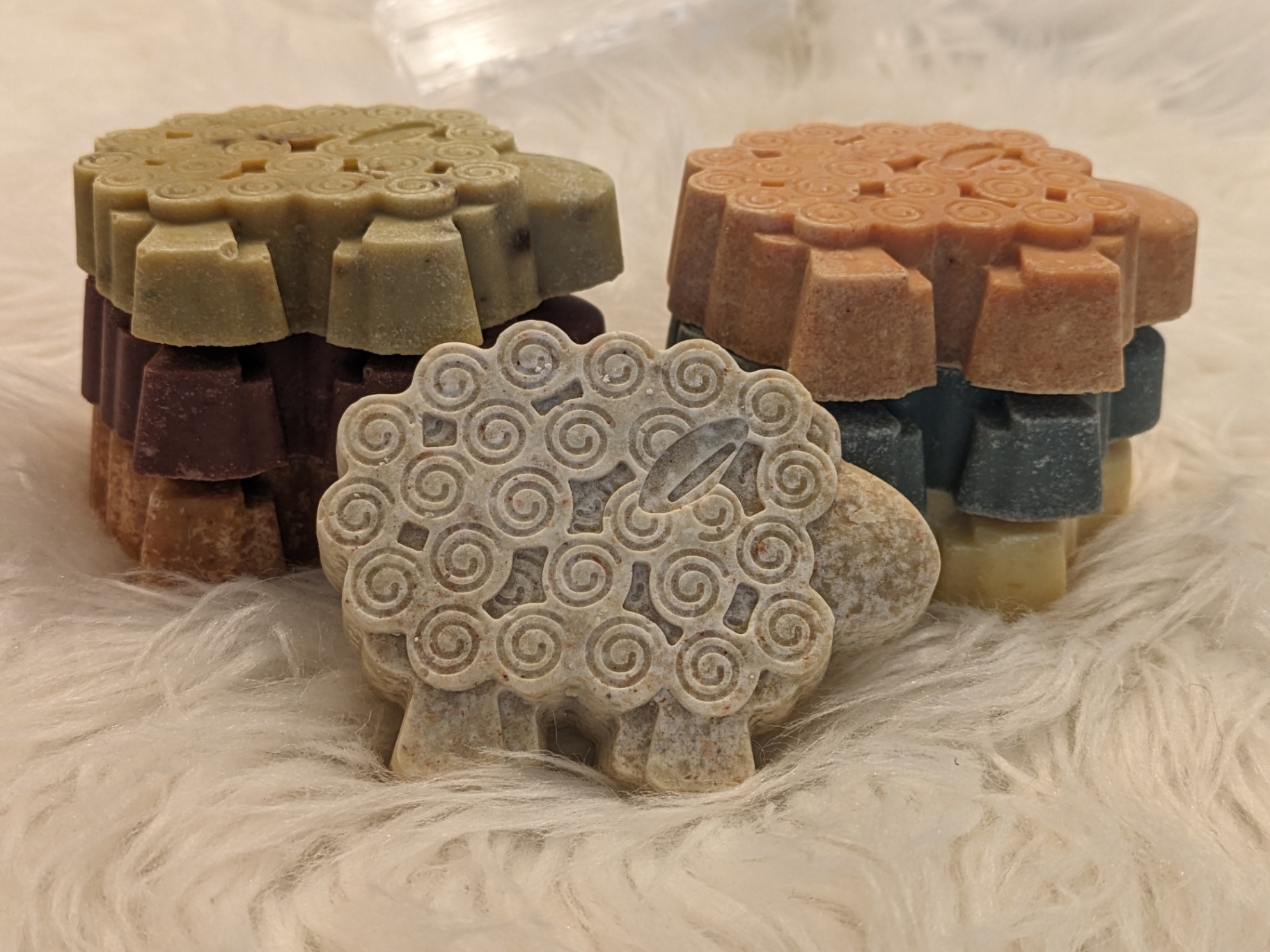
Sheep milk is naturally rich in lactic acid. When we use it to create our Lavender Sheep Milk Soap, we aren't just adding a scent; we are delivering a gentle, biological dose of exfoliation every time you shower.
2. The Epidermal Permeability Barrier
Research has shown that sheep milk contains a high volume of medium-chain triglycerides (fats) and vitamins A, B, and E. These fats are crucial for maintaining the epidermal permeability barrier.
When you wash with commercial detergent bars, you strip away the skin’s natural oils. Our sheep milk soap, however, deposits nutrient-dense fats back into the skin. This "lipid-rich" cleansing helps repair the skin barrier, preventing the dryness that triggers keratin buildup in the first place.

Why Consistency Trumps "Quick Fixes"
One of the most important things to know about Keratosis Pilaris is that it is a chronic condition. As noted in multiple JAAD studies, KP often recurs as soon as treatment stops. This is why aggressive chemical peels or expensive office treatments often feel like a waste of money: the bumps just come back a few weeks later.
The secret to managing KP is daily maintenance.
Because our sheep milk soap is so gentle, it can be used every day. Instead of an aggressive weekly treatment, you are giving your skin a micro-dose of lactic acid and deep hydration every single morning. This consistent, gentle exfoliation keeps the follicles clear and the skin barrier strong. It’s much easier to prevent a plug from forming than it is to scrub one away once it’s hardened.
The Scalise Farm Difference
At Scalise Family Sheep Farm LLC, we take a "farm-to-face" approach. Our Icelandic sheep are pasture-fed and raised with care, which results in milk that is exceptionally high in the fats and proteins necessary for high-quality skincare.
We don't use harsh chemicals or artificial colors. When you see the swirls in our Matcha Latte Sheep Milk Soap, you’re seeing natural ingredients designed to nourish your skin. We are a veteran-owned family business, and we believe that the best solutions for our bodies are usually found right here on the pasture.

Beyond the Bar: Total KP Care
If your KP is particularly stubborn, we recommend following up your shower with one of our nutrient-dense balms. Our Frankincense Skin Balm or Rose Skin Balm provides an extra layer of protection, locking in the moisture and further softening the skin’s surface.
Summary of Benefits for KP:
- Dissolves Keratin Plugs: Natural lactic acid clears follicles without irritation.
- Rich in Lipids: High fat content (6-7%) repairs the skin barrier.
- Anti-Inflammatory: A2 beta-casein proteins in sheep milk help reduce the redness associated with KP flare-ups.
- Humectant Properties: Keeps skin hydrated, preventing the "dry skin cycle" that worsens bumps.
Final Thoughts
Keratosis pilaris doesn't have to be something you just "live with." By understanding the science of lactic acid and the biological benefits of sheep milk, you can move away from harsh scrubs and toward a natural, effective solution.
If you're ready to see the benefits for skin that come from small-batch, farm-fresh ingredients, we invite you to try a bar of our sheep milk soap. Your skin: and your confidence: will thank you.
Have questions about which soap is right for your skin type? Feel free to reach out to us or check out our latest reviews to see how our soaps have helped others in their skincare journey.

Academic References & Further Reading:
- Thomas, M., & Khopkar, U. S. (2012). Keratosis pilaris revisited: Is it more than just a follicular plug? International Journal of Trichology.
- Schmitt, J. V., & Lima, B. Z. (2014). Keratosis pilaris and its association with ichthyosis vulgaris. Journal of the American Academy of Dermatology (JAAD).
- Journal of Drugs in Dermatology (JDD). (2021). Survey of Dermatological Preferences for the Treatment of Keratosis Pilaris.
- Alsaheb, R. A., et al. (2020). Lactic acid production at the farm level: Applications in skincare and dermatology. Agriculture & Food Security Journal.


