

Let's be honest – most of us don't have hours to completely overhaul our laundry routine. But what if I told you that you could make your washing habits significantly more eco-friendly in just five minutes? No complicated DIY recipes, no expensive equipment, just simple swaps that'll benefit both your wallet and the planet.
The truth is, traditional laundry routines are surprisingly harsh on the environment. From energy-guzzling hot water cycles to chemical-laden detergents that end up in our waterways, our weekly washing habits pack quite an environmental punch. But here's the good news: with a few quick changes, you can dramatically reduce your impact while actually improving your clothes' lifespan and cleanliness.
The Cold Water Game-Changer
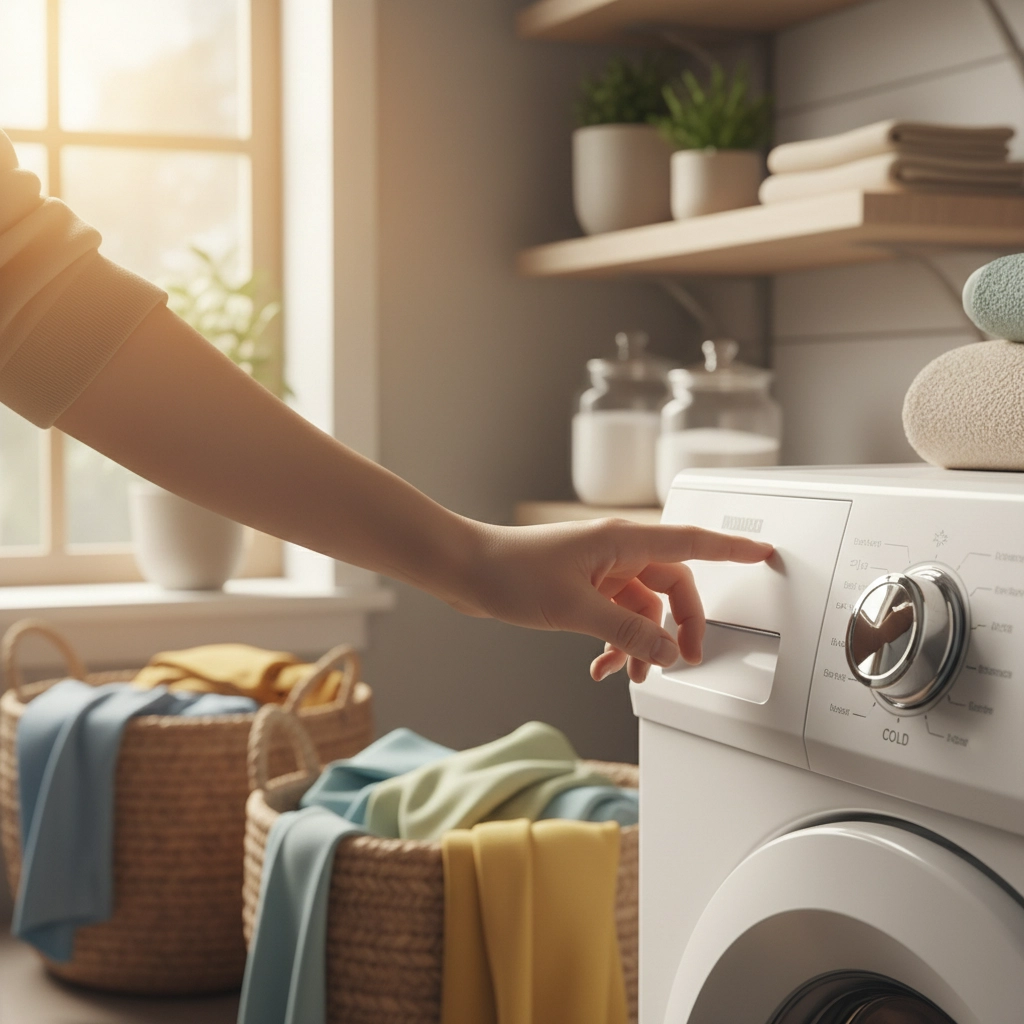
Here's your first 30-second fix: switch that dial to cold. Seriously, that's it. About 90% of the energy used in washing comes from heating water, so this single change is like giving Mother Earth a huge high-five. Modern detergents are specifically formulated to work just as effectively in cold water – they contain enzymes that activate at lower temperatures and break down stains beautifully.
Your clothes will thank you too. Hot water is notorious for fading colors, shrinking fabrics, and breaking down fibers faster. Cold water keeps your favorite shirt looking newer, longer. The only exception? Save hot water for heavily soiled items, bedding that needs sanitizing, or cleaning towels – everything else can go cold.
Detergent Detective Work (1 Minute Max)
Next time you're at the store, spend 60 seconds scanning the detergent aisle for plant-based, biodegradable options. Brands like Seventh Generation, ECOS, or Mrs. Meyer's use ingredients that break down naturally without harming aquatic life when they hit waterways.
Here's a pro tip that'll save you time and money: you're probably using too much detergent. Most of us pour with our hearts, not our heads. Too much soap actually makes clothes less clean by reducing the friction between fabrics during the wash cycle. Stick to the recommended amount on the bottle – your clothes will be cleaner, and you'll buy detergent less often.
If you're feeling fancy, consider switching to concentrated pods or innovative laundry sheets. They're pre-measured (no more guessing!), take up less packaging space, and many eco-friendly versions dissolve completely without leaving residue.
The Full Load Philosophy
This one's all about timing, and it takes zero extra time to implement. Simply wait until you have a full load before hitting start. Your washing machine uses roughly the same amount of water and energy whether it's half-full or completely loaded, so you might as well maximize efficiency.
But here's where it gets interesting – you can actually wash your clothes less frequently than you think. Unless something is visibly dirty or genuinely smelly, many items can handle multiple wears. Denim companies actually recommend washing jeans only every 10 wears to preserve the fabric and fit. The same principle applies to sweaters, jackets, and pants that have only been worn for a few hours.
Ditch the Chemical Cocktail
Time for a 30-second cabinet cleanout: toss that fabric softener. Traditional fabric softeners coat your clothes in a waxy buildup that actually makes them less absorbent over time and can cause skin irritation for sensitive folks.
Instead, pour half a cup of white vinegar into your rinse cycle. It sounds weird, but vinegar naturally breaks down detergent residues, eliminates odors, and leaves fabrics genuinely soft without any chemical coating. Don't worry – your clothes won't smell like a pickle jar. The scent disappears completely during the rinse cycle.
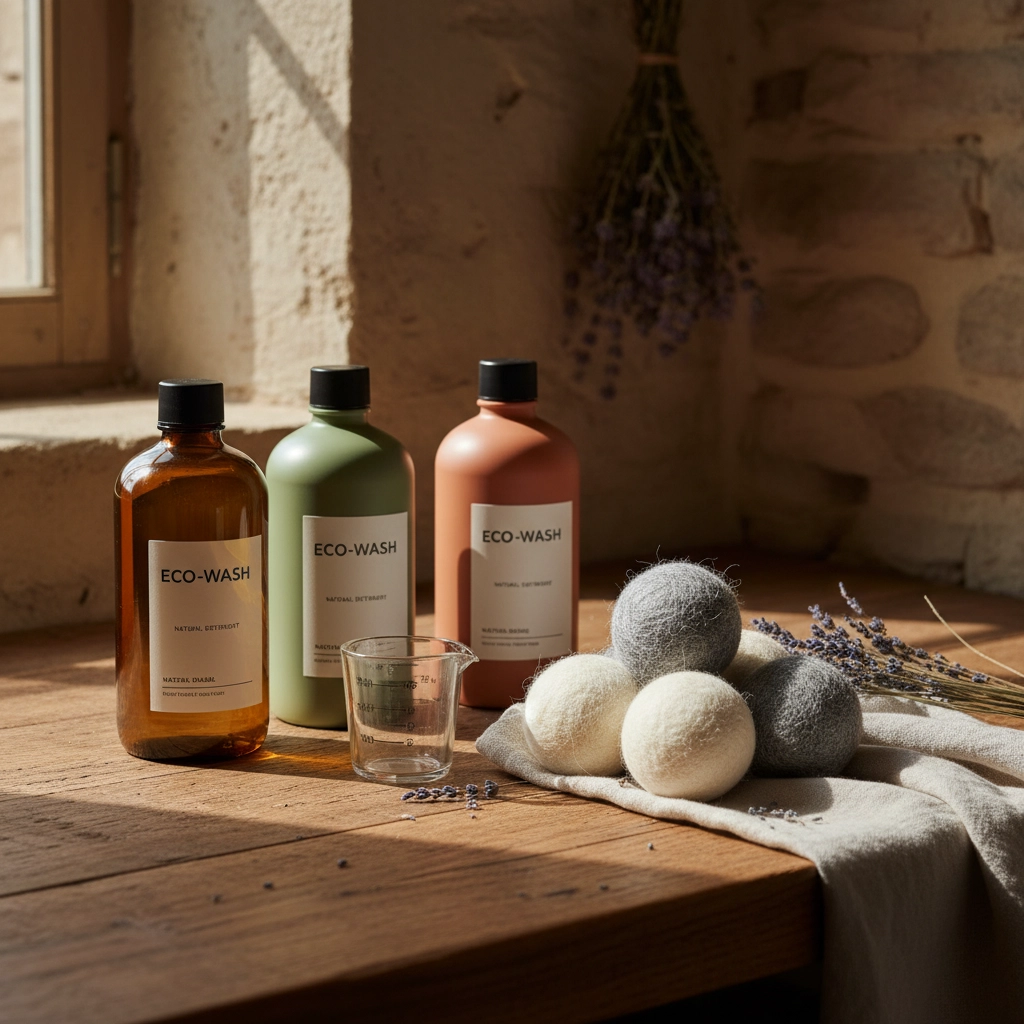
For your dryer, swap those single-use dryer sheets for reusable wool dryer balls. They reduce drying time by creating better air circulation, eliminate static naturally, and last for years. Plus, you can add a drop of essential oil to them for a subtle, natural fragrance.
The Air-Dry Revolution
Setting up a simple air-drying system takes maybe two minutes and saves tons of energy. A basic drying rack costs under $20 and folds flat when not in use. Even if you can't air-dry everything, tackling delicate items this way prevents damage and extends their life significantly.
If you live somewhere with outdoor space, a simple clothesline setup can handle larger items like sheets and towels. There's something deeply satisfying about sun-dried linens – they smell incredible and feel crisp in a way that no dryer sheet can replicate.
When you do use the dryer, choose the lowest heat setting that's appropriate for your fabrics. High heat is the enemy of fabric fibers and elastic, causing premature wear and shrinkage.
The Natural Soap Connection
While we're talking about eco-friendly cleaning, it's worth noting that the same principles apply to your body care routine. Just like synthetic laundry detergents can be harsh on the environment, conventional body soaps often contain chemicals that wash down our drains and into waterways.
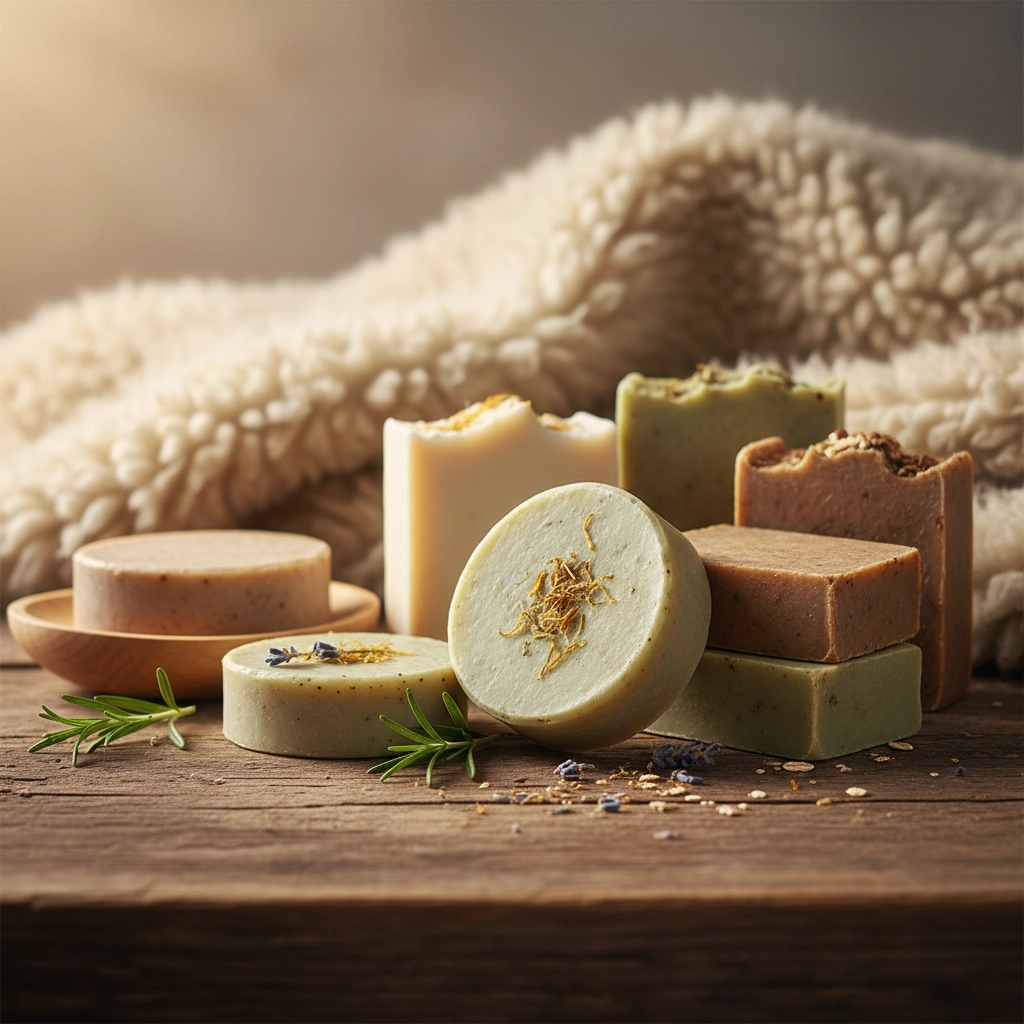
Natural, farm-made soaps crafted with ingredients like sheep's milk offer a gentler alternative that's kind to both your skin and the environment. These artisanal products break down naturally and often come with minimal, recyclable packaging – a perfect complement to your new eco-friendly laundry routine.
Quick Wins for Busy People
If you're really pressed for time, here are the absolute fastest changes you can make right now:
Immediately: Turn your water temperature to cold, measure your detergent properly, and wait for full loads.
This weekend: Pick up eco-friendly detergent, white vinegar, and wool dryer balls on your regular grocery run.
Next week: Set up a simple drying rack in a convenient spot.
These changes require virtually no extra time in your actual routine – they're just smarter ways to do what you're already doing.
The Ripple Effect
What's beautiful about these simple swaps is how they compound over time. You'll notice your energy bills dropping, your clothes lasting longer, and your environmental conscience feeling clearer. Many people find that starting with eco-friendly laundry habits naturally leads to making greener choices in other areas of their lives.
The best part? None of these changes require you to sacrifice cleanliness or convenience. Your clothes will be just as clean – often cleaner – and you'll spend less time and money maintaining your wardrobe.
Your five-minute eco-friendly laundry makeover is complete. These aren't dramatic lifestyle changes that'll overwhelm your schedule – they're simple, practical swaps that work with your existing routine. Start with one or two changes this week, and add the others as they become habit. Before you know it, you'll have transformed one of your most frequent household chores into an environmentally conscious practice that benefits everyone.
Ready to make the switch? Your clothes, your wallet, and the planet are all waiting for you to take that first small step.
References
- U.S. Department of Energy. Laundry | Energy Saver. 2025. https://www.energy.gov/energysaver/laundry
- ENERGY STAR. Clothes Washers. https://www.energystar.gov/products/clothes_washers
- American Cleaning Institute. Cold Water Saves (initiative with The Sustainability Consortium). 2025. https://www.cleaninginstitute.org/industry-priorities/outreach/cold-water-saves
- Bloomfield SF, Exner M, et al. Laundry Hygiene and Odor Control: State of the Science. Journal of Surfactants and Detergents. 2021;24:653–676. https://pmc.ncbi.nlm.nih.gov/articles/PMC8231443/
- Hamid B, Bashir Z, et al. Cold-Active Enzymes and Their Potential Industrial Applications—A Review. Molecules. 2022;27(18):5885. https://www.mdpi.com/1420-3049/27/18/5885/pdf
- Kumar A, et al. A Broad Temperature Active Lipase … Potential Application in Detergent Formulation. Frontiers in Bioengineering and Biotechnology. 2020. https://pmc.ncbi.nlm.nih.gov/articles/PMC7329984/
- Levi Strauss & Co. The Definitive Denim Care Guide. 2018. https://www.levistrauss.com/2018/04/20/definitive-denim-care-guide/
- Oikonomou EK, Mousseau F, et al. Fabric Softener–Cellulose Nanocrystal Interaction: A Model for Assessing Surfactant Deposition on Cotton. J. Phys. Chem. B. 2017;121(9):2294–2302. https://pubs.acs.org/doi/10.1021/acs.jpcb.7b00191
- Igarashi T, Nakamura K. Improvement of the Water Absorbency of Softener-treated Fabric. Journal of Oleo Science. 2021;70(4):. Archived PDF: https://web.archive.org/web/20210717174315/https:/www.jstage.jst.go.jp/article/jos/70/4/70_ess20297/_pdf
- Hubbe MA, Venditti RA. Detergency Mechanisms and Cellulosic Surfaces: A Review. BioResources. 2022;17(4). https://bioresources.cnr.ncsu.edu/wp-content/uploads/2022/09/BioRes_17_4_Hubbe_SV_Review_Detergency_Mechanisms_Cellulosic_Surfaces_20325.pdf
- Wiegerink JG. Effects of Drying Conditions on Properties of Textile Yarns. Journal of Research of the National Bureau of Standards. https://nvlpubs.nist.gov/nistpubs/jres/25/jresv25n4p435_A1b.pdf
- Chatterjee S, et al. Influence of thermal conduction on the stretching behavior of core spandex cellulosic fabrics. Results in Materials. 2021. https://www.sciencedirect.com/science/article/abs/pii/S2214785320358089
- Klečka G, et al. Environmental risks and toxicity of surfactants: overview of analysis, assessment, and remediation techniques. Environ Sci Pollut Res Int. 2021. https://pmc.ncbi.nlm.nih.gov/articles/PMC8480275/
- Broderius SJ, et al. Toxicity of Laundry Detergent Components to a Freshwater Cladoceran and Their Contribution to Detergent Toxicity. Ecotoxicology and Environmental Safety. 1999;44(1):15–22. https://www.sciencedirect.com/science/article/pii/S0147651399918249
- Prats D, Rodríguez M, et al. Biodegradation of soap in anaerobic digesters and on sludge-amended soils. Water Research. 1998;32(4):1061–1066. https://www.sciencedirect.com/science/article/pii/S0043135498001997
- Gray LE, et al. Are Green Household Consumer Products Less Toxic than Conventional Products? Environ Toxicol Chem. 2022. https://pmc.ncbi.nlm.nih.gov/articles/PMC9826148/
- “Natural soap is clinically effective and less toxic and more biodegradable than synthetic detergents.” 2025. https://pmc.ncbi.nlm.nih.gov/articles/PMC12176228/
- New Hampshire Department of Environmental Services. Loads of Energy: Efficient Ways to Dry Your Clothes. Jan 2025. https://www.des.nh.gov/news-and-media/blog/january-2025-loads-energy-efficient-ways-dry-your-clothes
- Michigan Saves. Maximizing Your Clothes Dryer’s Efficiency: Essential Tips. 2024. https://michigansaves.org/news/maximizing-your-clothes-dryers-efficiency-essential-tips/
- Better Homes & Gardens. How to Use Vinegar in Laundry (and When It’s Best to Avoid It). 2024. https://www.bhg.com/how-to-use-vinegar-in-laundry-6833543


