

Creating a zero-waste bathroom doesn't mean sacrificing cleanliness or comfort: it means making smarter choices that benefit both your family and the planet. When you combine zero-waste principles with farm-fresh products, you're not only reducing your environmental footprint but also supporting local agriculture and treating your skin to the purest ingredients nature has to offer.
The bathroom is one of the most wasteful rooms in our homes, filled with plastic bottles, synthetic chemicals, and single-use items. But here's the good news: transforming your bathroom into an eco-friendly sanctuary is easier than you might think, especially when you embrace farm-fresh alternatives that work better than their conventional counterparts.
Understanding Zero-Waste Bathroom Basics
A zero-waste bathroom operates on three core principles: reduce, reuse, and choose products that can return safely to the earth. The goal isn't perfection: it's progress. Start by auditing what you currently have and identifying the biggest waste culprits in your routine.
Most conventional bathroom products come wrapped in layers of plastic, contain synthetic ingredients that can't biodegrade, and are designed for single use. Farm-fresh alternatives flip this script entirely. They typically come with minimal, compostable packaging, contain ingredients you can pronounce, and are made to last longer while working more effectively.

Step 1: Replace Your Personal Care Products
The foundation of any zero-waste bathroom transformation starts with personal care products. This is where farm-fresh alternatives truly shine, offering superior performance while eliminating plastic waste.
Soap: Your Multi-Purpose Hero
Traditional liquid soaps come in plastic bottles that end up in landfills, but handcrafted soap bars eliminate this waste entirely. Sheep milk soaps are particularly excellent choices because they're incredibly moisturizing, naturally antimicrobial, and come wrapped in biodegradable paper.
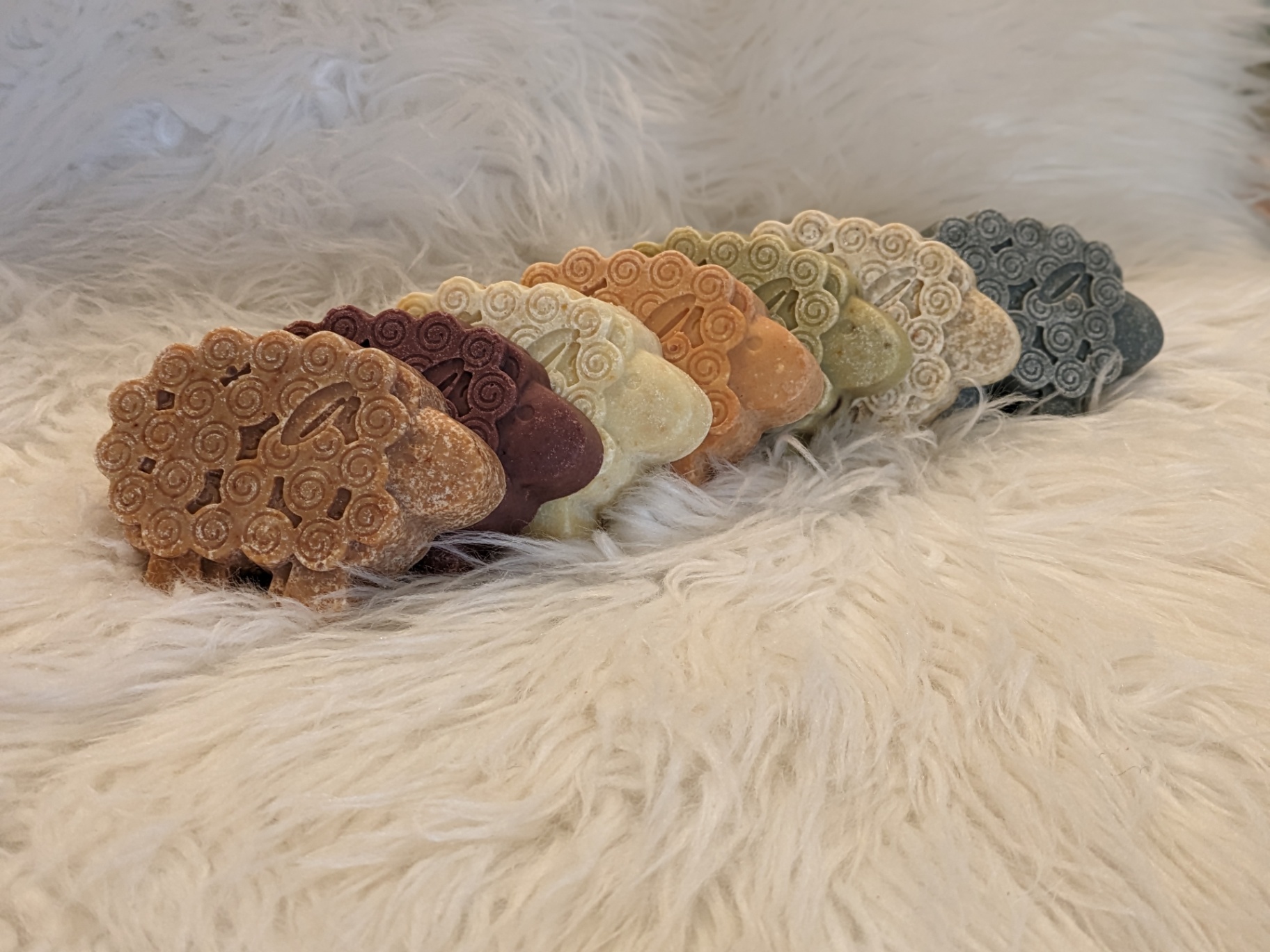
What makes sheep milk soap special for zero-waste bathrooms? The milk contains natural lactic acid that gently exfoliates, meaning you don't need separate exfoliating products. The high fat content provides deep moisturization, potentially eliminating the need for additional lotions. One bar typically lasts 2-3 times longer than a bottle of liquid soap, making it both economical and environmentally friendly.
Deodorant: Natural Protection Without Compromise
Commercial deodorants often contain aluminum, synthetic fragrances, and come in plastic packaging that takes centuries to decompose. Farm-fresh alternatives use natural ingredients like sheep milk, essential oils, and plant-based waxes that actually nourish your skin while providing effective odor protection.
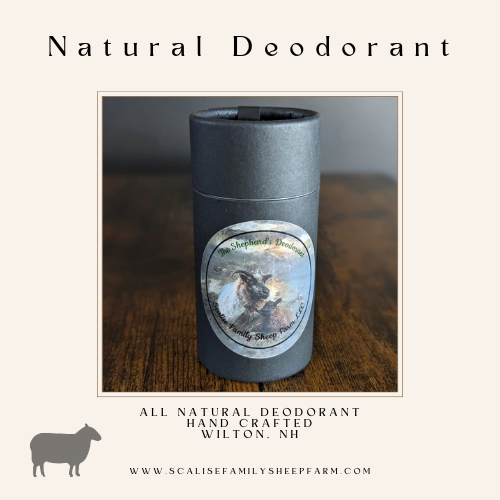
The key to successful natural deodorant use is understanding the transition period. Your body needs about 2-4 weeks to adjust from aluminum-based products. During this time, the beneficial bacteria in natural deodorants establish themselves, creating long-term odor protection that's often more effective than conventional alternatives.
Step 2: Transform Your Skincare Routine
Zero-waste skincare focuses on multi-functional products that eliminate the need for multiple bottles and tubes. Farm-fresh skin balms exemplify this philosophy perfectly.
The Power of Multi-Purpose Balms
Instead of separate products for dry skin, chapped lips, minor cuts, and rough patches, all-natural skin balms can handle all these tasks. Made with sheep milk and natural ingredients like lavender or rose, these balms provide intensive moisturizing while their natural antimicrobial properties support skin health.
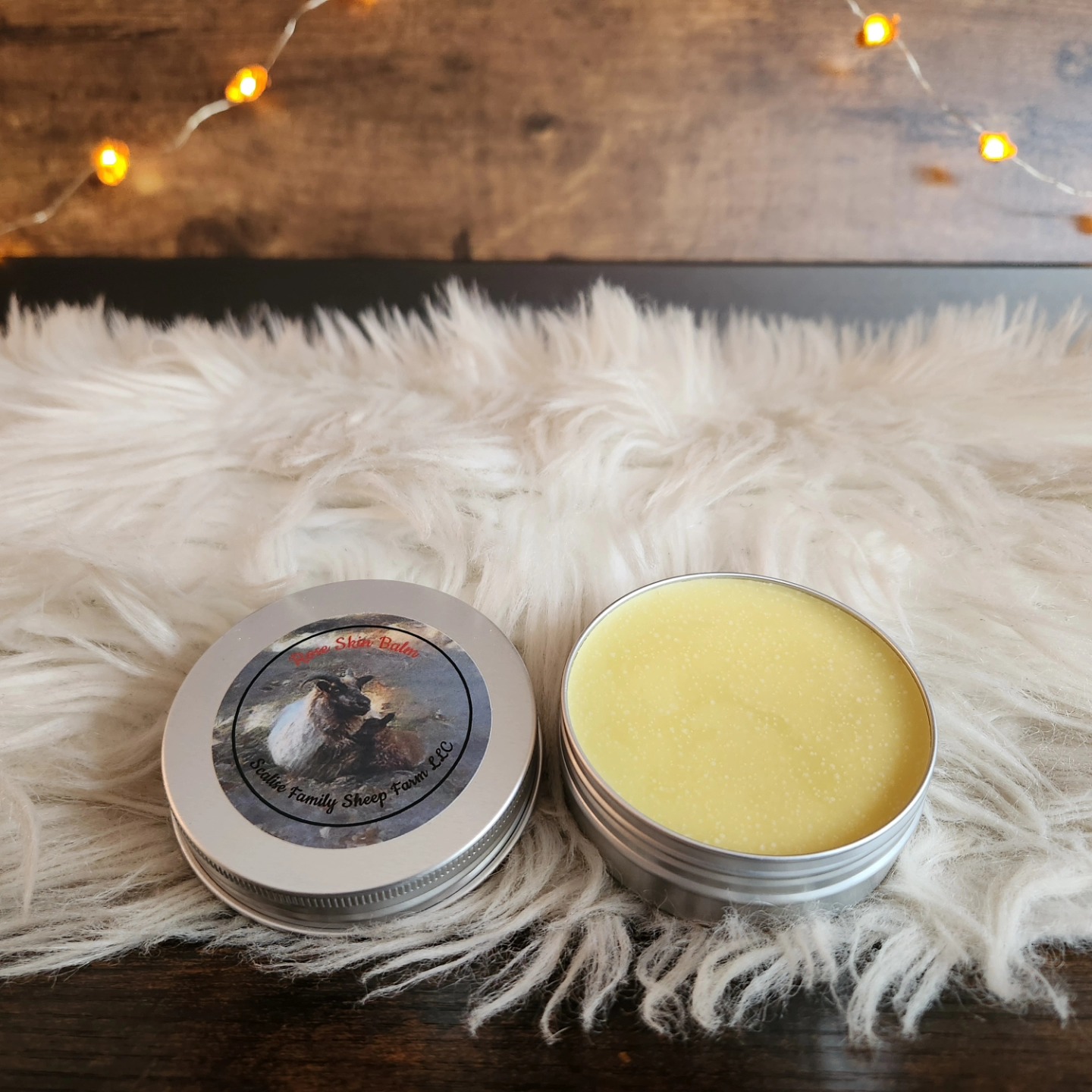
The concentrated nature of these balms means a little goes a long way. A single tin can replace multiple plastic tubes of conventional products, lasting months with regular use. When the tin is empty, it can be repurposed for storage or recycling.
Step 3: Optimize Your Cleaning Routine
Bathroom cleaning doesn't require harsh chemicals or multiple specialized products. Simple, farm-fresh ingredients can handle everything from mirrors to toilets while being safe for your family and septic systems.
The Multi-Tasking Soap Solution
High-quality handcrafted soaps aren't just for personal care: they're excellent all-purpose cleaners. Create a concentrated cleaning solution by dissolving soap shavings in warm water. This mixture effectively cleans surfaces, removes soap scum, and leaves bathrooms naturally fresh without synthetic fragrances.
Natural Scrubbing Power
For tough cleaning jobs, combine your soap solution with coarse salt or baking soda for natural abrasive action. The antibacterial properties in quality sheep milk soap provide additional sanitizing benefits without the need for harsh chemicals that can irritate sensitive skin or harm beneficial bacteria in septic systems.
Step 4: Sustainable Storage and Organization
Zero-waste bathrooms require thoughtful storage solutions that support your new routine while looking beautiful. Choose containers and organizers made from sustainable materials that will last for decades.
Glass jars work perfectly for storing homemade cleaning solutions, cotton swabs, and other small items. Wooden or bamboo organizers add natural beauty while avoiding plastic. The key is choosing quality pieces that won't need frequent replacement.
Step 5: Water Conservation Strategies
While focusing on products is important, don't overlook water usage in your zero-waste bathroom. Simple changes can dramatically reduce water waste without sacrificing cleanliness or comfort.
Install low-flow showerheads and faucet aerators to reduce water usage by up to 50%. Take shorter showers and turn off water while brushing teeth or washing hands. These habits, combined with concentrated products that require less rinsing, can significantly reduce your bathroom's environmental impact.
Making the Transition Smoothly
Transitioning to a zero-waste bathroom with farm-fresh products doesn't happen overnight, and that's perfectly okay. Start by replacing items as they run out rather than throwing away perfectly good products. This gradual approach is both economical and less overwhelming.
Begin with the products you use most frequently. For most people, this means starting with soap and deodorant, then gradually incorporating balms and other specialty items. Pay attention to how your skin responds to natural ingredients: most people find their skin improves dramatically when they eliminate synthetic chemicals and harsh detergents.
The Hidden Benefits
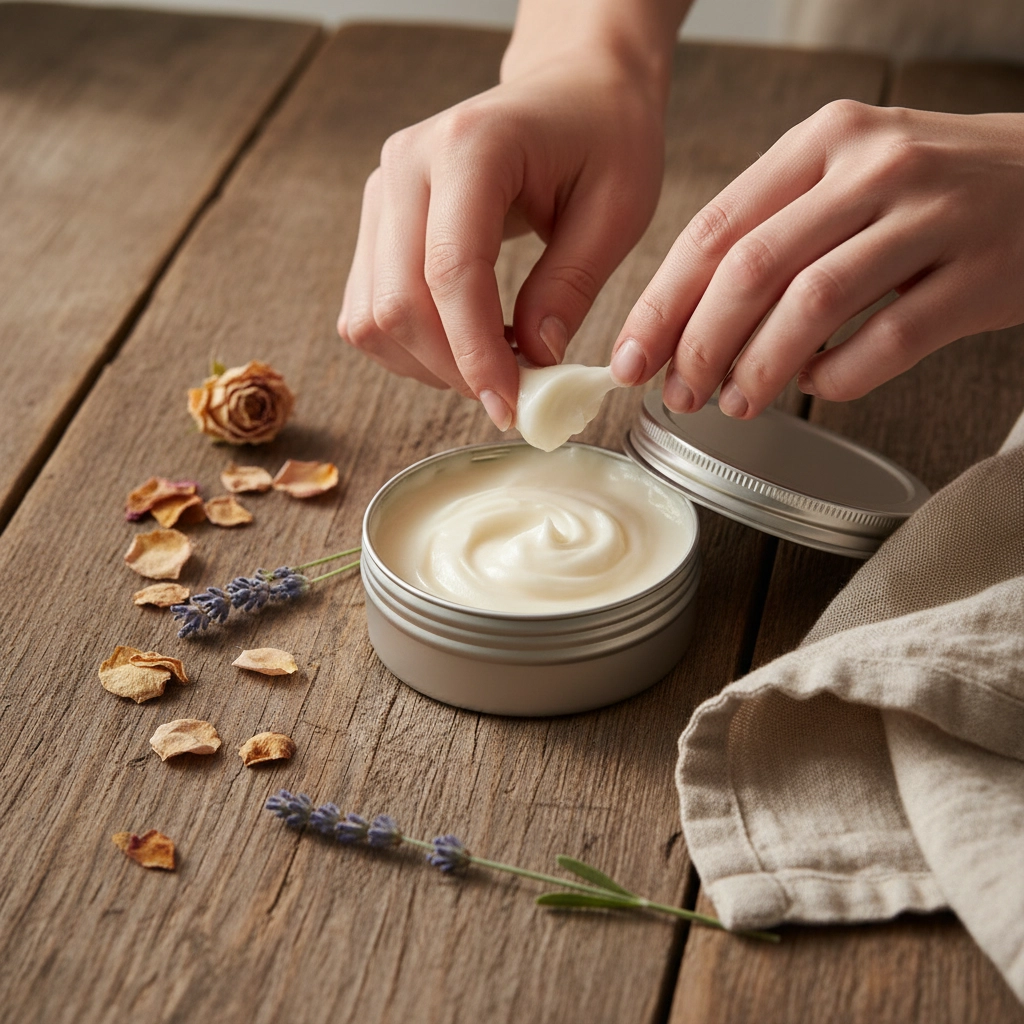
Beyond environmental impact, farm-fresh bathroom products offer unexpected advantages. Many families report reduced skin irritation, especially for children and those with sensitive skin. The natural ingredients in sheep milk products provide vitamins and minerals that actually nourish skin rather than simply cleansing it.
Cost savings often surprise people too. While individual farm-fresh products may cost more upfront, they typically last much longer and eliminate the need for multiple specialized items. A comprehensive natural bathroom routine often costs less annually than conventional alternatives while providing superior results.
Building Community Connections
Choosing farm-fresh products creates connections with local producers and supports sustainable agriculture in your area. When you visit our farm or others like it, you're not just buying products: you're investing in practices that improve soil health, support animal welfare, and strengthen local economies.
These connections also provide transparency that's impossible with mass-produced items. You know where your products come from, how they're made, and what goes into them. This knowledge helps you make informed decisions and often leads to discovering other sustainable practices you can incorporate into your lifestyle.
Creating a zero-waste bathroom with farm-fresh products is ultimately about making choices that align with your values while improving your daily experience. It's about treating your body and the environment with the respect they deserve, supporting practices that create positive change, and discovering that sometimes the old ways really are the best ways.
The journey to zero waste is personal and ongoing. Start where you are, use what you have, and make changes at a pace that works for your family. Every small step toward sustainability makes a difference, and every farm-fresh product you choose supports a more beautiful, healthy world for everyone.
References:
-
Koehler, A.; Wildbolz, C. "Comparing the Environmental Footprints of Home-Care and Personal-Hygiene Products: The Relevance of Different Life-Cycle Phases." Environmental Science & Technology, 2009.
-
Jagtap, S.; Gaurav, G.; Dangayach, G.S.; Meena, M.L.; Chaudhary, V.; Gupta, S. "The Environmental Impacts of Bar Soap Production: Uncovering Sustainability Risks with LCA Analysis." Sustainability, 2023.
-
Napper, I.E.; Thompson, R.C. "Release of Synthetic Microplastic Beads from Cosmetic Products into Wastewater." Marine Pollution Bulletin, 2016.
-
Halden, R.U. "On the Need and Speed of Regulating Triclosan and Triclocarban in the United States." Environmental Science & Technology, 2014.
-
Ditre, C.M.; Griffin, T.D.; Murphy, G.F.; Sueki, H.; Telegan, B.; Johnson, W.C.; Yu, R.J.; Van Scott, E.J. "Effects of Alpha-Hydroxy Acids on Photoaged Skin: A Pilot, Double-Blind, Vehicle-Controlled Study." Archives of Dermatology, 1996.
-
Park, Y.W.; Juárez, M.; Ramos, M.; Haenlein, G.F.W. "Physico-Chemical Characteristics of Goat and Sheep Milk." Small Ruminant Research, 2007.
-
Claeys, W.L.; Verraes, C.; Cardoen, S.; De Block, J.; Huyghebaert, A.; Raes, K.; Dewettinck, K.; Herman, L. "Consumption of Raw or Heated Milk from Different Species: An Evaluation of the Nutritional and Health Benefits and Risks." Food Control, 2014.
-
Nakatsuji, T.; Kao, M.C.; Fang, J.-Y.; Zouboulis, C.C.; Zhang, L.; Gallo, R.L.; Huang, C.-M. "Antimicrobial Property of Lauric Acid Against Propionibacterium acnes: Its Therapeutic Potential for Inflammatory Acne Vulgaris." Journal of Investigative Dermatology, 2009.
-
Callewaert, C.; Hutapea, P.; Van de Wiele, T.; Boon, N. "Deodorants and Antiperspirants Affect the Composition of the Axillary Microbiota." PeerJ, 2014.
-
Huang, X.; Xiong, L.G.; Zheng, Y.; Liu, H.; Xu, Y.-Z.; Li, Y. "Comparative Investigation of Performance of Gas Dryer and Two Other Types of Domestic Clothes Dryers." International Journal of Low-Carbon Technologies, 2021.
-
Yadav, V.; Moon, C.G. "Modelling and Experimentation for the Fabric-Drying Process in Domestic Dryers." Applied Energy, 2008.
-
Laitala, K.; Klepp, I.G.; Kettlewell, R.; Wiedemann, S. "Laundry Care Regimes: Do the Practices of Keeping Clothes Clean Have Different Environmental Impacts Based on the Fibre Content?" Sustainability, 2020.
-
Jambeck, J.R.; Geyer, R.; Wilcox, C.; Siegler, T.R.; Perryman, M.; Andrady, A.; Narayan, R.; Law, K.L. "Plastic Waste Inputs from Land into the Ocean." Science, 2015.


