

Winter dryness doesn’t affect everyone the same way, but cold air, indoor heating, frequent handwashing, and wet work can leave hands feeling rough and heels prone to splitting. A useful winter routine is less about a complicated “skin repair” system and more about reducing irritation, cleansing gently, and regularly replacing moisture.
The biology is not identical across these areas. The backs of the hands have relatively thin skin, while palms and soles have a thick outer layer, and neither palms nor soles has oil-producing sebaceous glands. Hands also encounter repeated washing and wet-dry cycles. On heels, pressure and friction can thicken dry skin into callus; when that stiffened skin stretches under body weight, fissures may form.
Cold, low-humidity weather is commonly associated with dry, uncomfortable skin, but seasonal research is not uniform. Studies have found seasonal differences in hydration and barrier measurements, while results vary by body site, climate, and study design. Winter can add to the burden without being the sole cause of every case of dry skin.[15][16][17]
A practical sequence for chapped hands
1. Make cleansing gentler. Frequent exposure to water and cleansing agents can contribute to dryness, but how you wash matters as well as how often. A small randomized hand-washing study found that moisturizer use helped prevent worsening during simulated frequent washing; another occupational study tested a less-drying emulsion cleanser in place of ordinary soap.[2] A Cochrane review of workplace prevention found some encouraging results for moisturizers and protective creams, but concluded that the overall evidence was limited.[1]
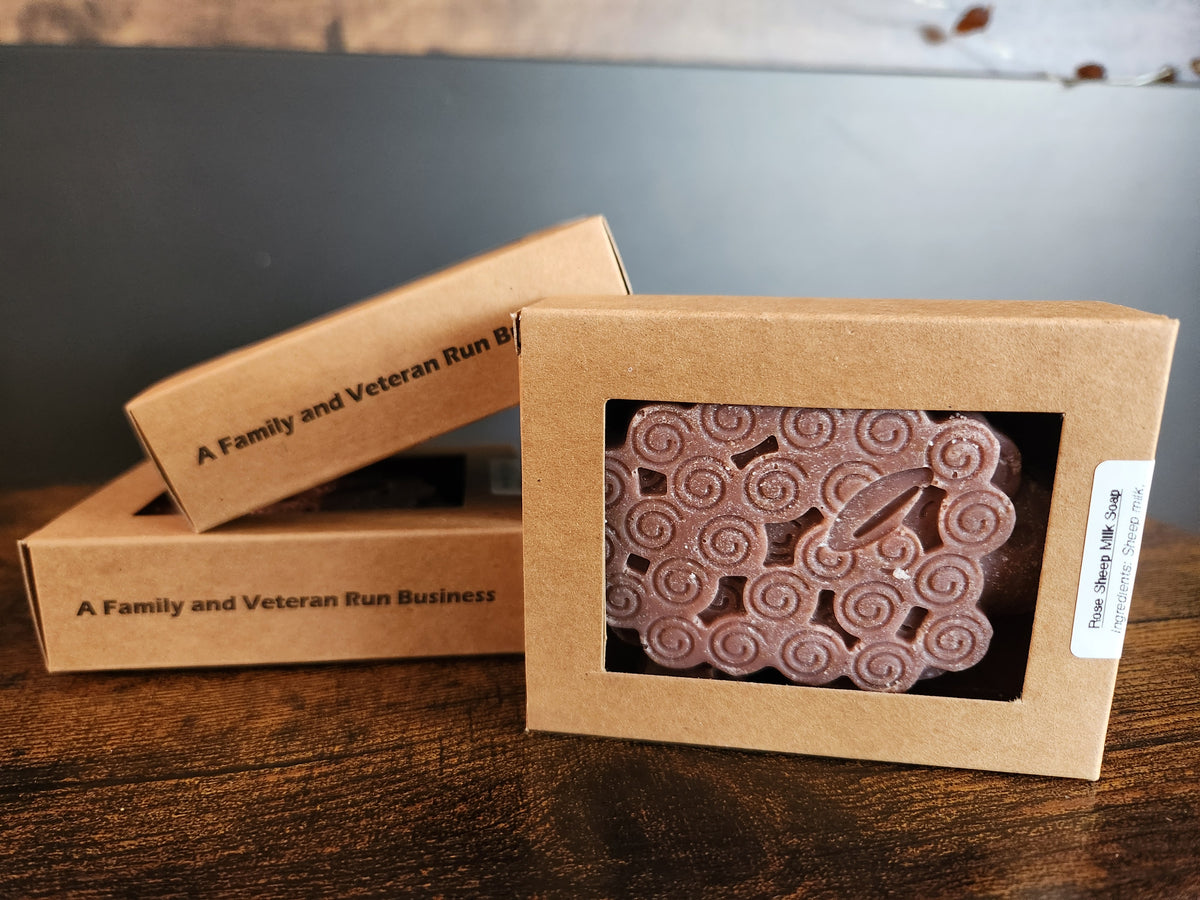
Use lukewarm rather than hot water, avoid scrubbing, and pat hands dry. Choose a cleanser your skin tolerates. Handmade natural soap, including a sheep-milk soap from our farm, may suit some people as part of their routine, but “natural” or “handmade” does not guarantee that every formula will suit every person. Check the ingredient list, especially if your skin is already cracked or sensitive. A scented soap may not be the best choice for everyone.
2. Moisturize promptly after washing. Apply moisturizer while skin is still slightly damp. The often-repeated “within three minutes” guideline is a useful prompt to moisturize soon after bathing or washing, not a proven cutoff at which care suddenly stops working. Clinical research supports regular moisturizer use in hand-washing routines, but it does not establish one magic minute for every person or product.[2][10]
It helps to understand what a moisturizer does. Humectants, such as glycerin and urea, attract and hold water. Emollients soften skin by filling spaces between surface cells. Occlusives, such as petrolatum, create a surface film that reduces water loss. Many products combine these functions, and formulation matters.[9][10][11]
3. Add an overnight layer if it feels comfortable. A thicker ointment or balm can form an occlusive layer; covering moisturized hands with cotton gloves overnight may help keep it in place. This is a practical option, not a guaranteed fix. Research on occupational hand care includes trials of creams and structured routines, but results vary; in one experimental study, wearing gloves over protective creams did not automatically protect against irritation from a later detergent challenge.[3][4][5][6][7][8]
For farm chores and other wet work, use appropriate protective gloves and change them if they become wet inside. Gloves reduce direct contact with irritants, but prolonged dampness and occlusion can also bother skin. A barrier cream should not be treated as a substitute for suitable gloves or for reducing avoidable wet-dry cycles.
What to do about cracked heels
First, consider what is causing the roughness. Thick callus can form where pressure and friction are repeated. If dry, stiff skin splits, the resulting fissure may be painful or bleed. Avoid aggressive filing or peeling on open or tender cracks; additional friction can make the area more uncomfortable.
For thick, dry heel skin, moisturizers containing urea, and sometimes lactic acid, have been studied. A randomized trial in people with diabetes found that a 10% urea and 4% lactic-acid moisturizer improved foot dryness compared with its vehicle.[12] A separate randomized study in people with diabetes and deep heel fissures assessed a cream containing urea, glycerin, and petrolatum; it reported improvements in dryness and persistent fissures, but complete healing was not statistically different between groups at four weeks.[13] These findings are relevant, but they come from specific study populations and don’t mean that any heel cream will work the same way for everyone.
A systematic review of foot-xerosis studies found support for moisturizers overall but not enough evidence to declare one formulation best for all users.[14] Urea may help with rough, thickened skin, but ingredients such as urea or acids can sting when applied to open cracks. For fissures, a plain, fragrance-free ointment or balm may be a more comfortable starting point. If you have diabetes, poor circulation, reduced sensation, or a foot wound, seek professional advice rather than relying on a home-care routine.
What to avoid, and what to choose
Alcohol-based hand sanitizers can dry or irritate already-chapped hands for some people. When practical, follow sanitizer use with moisturizer once your hands are dry. Avoid very hot water and vigorous exfoliation on fissured skin. If a fragranced product stings or seems to worsen irritation, stop using it and try a fragrance-free option.
“Natural” fragrance and essential oils can still cause allergic contact reactions. Patch-test findings from dermatitis patients show that fragrance sensitization is a relevant concern, though those clinic-based figures should not be mistaken for prevalence in the general population.[18][19] People who search for handmade sheep milk soap for sensitive skin should still check the scent and full ingredient list. Likewise, interest in lanolin-rich skincare for skin barrier repair should be balanced with individual tolerance: lanolin is used in some emollient products, but no ingredient suits everyone.
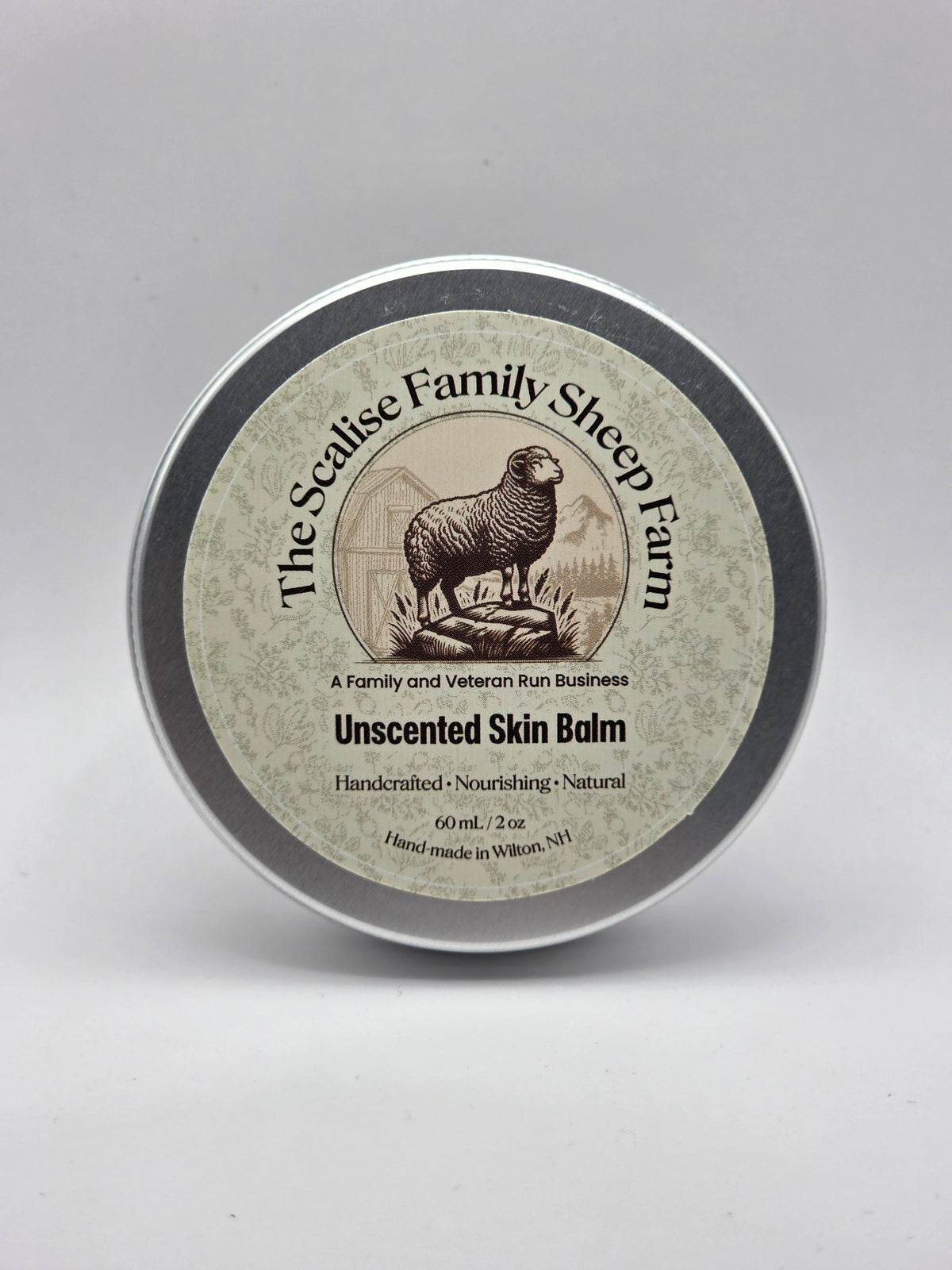
At Scalise Family Sheep Farm, our Unscented Skin Balm is listed at $10 and is made without added essential oils or botanical scents. Our Pine Skin Balm is also $10. The balms are handmade in small batches with farm-sourced ingredients; they are skincare products, not medical treatments. Our Pine Resin Balm is available in a 6-ounce size for $25. If your skin is cracked, consider fragrance exposure and your own sensitivities when choosing a product.

A simple winter routine to try
- Wash with lukewarm water and a cleanser your skin tolerates.
- Pat dry rather than rubbing.
- Apply moisturizer soon after washing, while skin is slightly damp.
- Use a thicker, comfortable balm or ointment overnight on dry areas.
- Protect hands during wet work, and change gloves if they become damp inside.
- For rough heel skin, consider a urea moisturizer; avoid applying stinging products to open cracks.
When to seek care: See a clinician if a fissure bleeds, will not close, looks infected, or remains persistent despite several weeks of gentle care. Seek advice sooner for foot cracks if you have diabetes, reduced foot sensation, or circulation concerns.
Academic References & Scientific Sources
- Bauer A, et al. “Interventions for preventing occupational irritant hand dermatitis.” Cochrane Database of Systematic Reviews. PubMed
- “A double-blind, randomized study to assess the effectiveness of different moisturizers in preventing dermatitis induced by hand washing to simulate healthcare use.” PubMed
- McCormick RD, Buchman TL, Maki DG. “Double-blind, randomized trial of scheduled use of a novel barrier cream and an oil-containing lotion for protecting the hands of health care workers.” PubMed
- “Applying skin protective cream and the wearing of gloves? A randomized controlled experimental study.” PubMed
- Larese Filon F, et al. “Effectiveness of a Skin Care Program With a Cream Containing Ceramide C and a Personalized Training for Secondary Prevention of Hand Contact Dermatitis.” PubMed
- Visscher M, Davis J, Wickett R. “Effect of topical treatments on irritant hand dermatitis in health care workers.” PubMed
- “Efficacy of a Hand Regimen in Skin Barrier Protection in Individuals With Occupational Irritant Contact Dermatitis.” PubMed
- Kubota T, et al. “Evaluation of skin surface hydration state and barrier function of stratum corneum of dorsa of hands and heels treated with PROTECT X2 skin protective cream.” PubMed
- Purnamawati S, et al. “The Role of Moisturizers in Addressing Various Kinds of Dermatitis: A Review.” Clinical Medicine & Research. 2017. Full text
- Spada F, et al. “Moisturizers for the treatment of xerosis: a review.” Journal of Clinical and Aesthetic Dermatology. 2018. Full text
- “Urea in Dermatology: A Review of its Emollient, Moisturizing, Keratolytic, Skin Barrier Enhancing and Antimicrobial Properties.” Full text
- Pham H, et al. “A prospective, randomized, controlled double-blind study of a moisturizer for xerosis of the feet in patients with diabetes.” PubMed
- Gin H, et al. “Treatment by a moisturizer of xerosis and cracks of the feet in men and women with diabetes: a randomized, double-blind, placebo-controlled study.” PubMed
- “Moisturisers for the treatment of foot xerosis: a systematic review.” PubMed
- “Seasonal variability in the biophysical properties of forehead skin in women in Guangzhou City, China.” PubMed
- Kim E, et al. “The Winter Season Affects More Severely the Facial Skin than the Forearm Skin.” Skin Research and Technology. DOI
- Oh M, et al. “Regional and seasonal differences in skin irritation and neurosensitivity in Chinese and South Korean women.” PubMed
- “Contact sensitization to fragrance mix I and fragrance mix II among European dermatitis patients: A systematic review.” PubMed
- Bleasel N, Tate B, Rademaker M. “Allergic contact dermatitis following exposure to essential oils.” PubMed
- Roy D, et al. “Contact allergy and allergic contact dermatitis from benzalkonium chloride in a tertiary dermatology center in Melbourne, Australia.” Australasian Journal of Dermatology. PubMed


