

For decades, the beauty industry sold us on a "scorched earth" policy. We were told to scrub, sanitize, and strip our skin until it was "squeaky clean." But as it turns out, that squeak was actually a cry for help. Your skin is not a static surface; it is a living, breathing ecosystem teeming with trillions of microorganisms: bacteria, fungi, and viruses: collectively known as the skin microbiome.
Recent dermatological research suggests that a healthy microbiome is the cornerstone of a resilient skin barrier. When this delicate balance is disrupted, a state known as dysbiosis occurs, leading to inflammation, acne, eczema, and premature aging [1]. At Scalise Family Sheep Farm LLC, we believe in working with nature, not against it. Our Icelandic sheep milk soaps are designed to nourish this invisible ecosystem.
Here are the seven most common mistakes you’re likely making with your skin microbiome and the science-backed ways to fix them.
1. The "Squeaky Clean" Fallacy: Using Harsh Surfactants
The biggest threat to your microbial residents is the use of harsh synthetic surfactants, specifically Sodium Lauryl Sulfate (SLS) and Sodium Laureth Sulfate (SLES). These chemicals are designed to break down oils, but they are indiscriminate. They strip away the essential lipids that make up the stratum corneum and kill off beneficial bacteria like Staphylococcus epidermidis, which helps produce antimicrobial peptides [2].
The Fix: Switch to traditional, cold-processed soaps that utilize natural fats. Sheep milk is naturally high in butterfat, providing a gentle cleanse that leaves the lipid barrier intact. You can explore our full collection of gentle soaps to find a better alternative for your daily routine.
2. Ignoring the Acid Mantle (pH Balance)
Your skin’s surface is naturally acidic, typically sitting at a pH of 4.7 to 5.7 [3]. This acidity is vital because many pathogenic bacteria (like Staphylococcus aureus) thrive in alkaline environments, while beneficial microbes prefer the "acid mantle." Most commercial "beauty bars" are highly alkaline, often reaching a pH of 9 or 10. This alkaline shock can disrupt the microbiome for hours after a single wash.
The Fix: Use products that support a healthy pH. Sheep milk contains lactic acid, a natural alpha-hydroxy acid (AHA) that helps maintain an optimal acidic environment on the skin. By keeping the pH low, you provide a competitive advantage to "good" bacteria.

3. Over-Exfoliation and Physical Trauma
While removing dead skin cells can give you a temporary glow, over-exfoliating with harsh scrubs or chemical peels destroys the physical niche where microbes live. When you thin the stratum corneum excessively, you reduce the surface area available for beneficial colonization and increase Transepidermal Water Loss (TEWL) [4].
The Fix: Move toward "biological exfoliation." The lactic acid in our sheep milk products provides a very mild, enzymatic exfoliation that encourages cell turnover without the trauma of physical beads or high-percentage acids.
4. Starving Your Microbes: The Need for Prebiotics
Just like your gut, your skin microbes need "food" to thrive. Prebiotics are non-living ingredients: mostly sugars and fibers: that fuel beneficial bacteria. Most modern skincare is "sterile," offering no nutritional value to the microbiome.
The Fix: Look for ingredients that act as prebiotics. Sheep milk is an incredible prebiotic source. It is rich in lactose and amino acids that serve as a direct energy source for commensal bacteria [5]. When you wash with our Rose Sheep Milk Soap, you aren't just cleaning; you're feeding your skin's defenders.

5. Neglecting Postbiotics and Metabolites
Postbiotics are the beneficial byproducts produced by bacteria during fermentation. They include short-chain fatty acids and enzymes that strengthen the skin barrier. Many people ignore the importance of these metabolites, opting for synthetic versions that don't offer the same bio-availability.
The Fix: Sheep milk is naturally rich in postbiotic-like substances. Because our sheep at Scalise Family Sheep Farm LLC graze on natural forage, their milk is a complex cocktail of vitamins A, B, C, and E, plus minerals like magnesium and calcium, which act as co-factors for skin repair [6].
6. Over-Reliance on Antimicrobial Products
In a post-pandemic world, we are obsessed with "killing 99.9% of germs." However, chronic use of antimicrobial agents (like triclosan or high-alcohol sanitizers) leads to a "microbial desert" on your skin. This lack of diversity makes your skin more vulnerable to opportunistic infections and chronic irritation.
The Fix: Practice "microbiome stewardship." Save the heavy-duty sanitizers for clinical needs and use a nutrient-dense soap for your daily body and face wash. Our Lavender Skin Balm can help restore the moisture and bacterial balance after you've been forced to use harsh sanitizers.
7. Using Water-Heavy, Preservative-Laden Lotions
Most commercial lotions are 70–80% water. To prevent mold from growing in that water, manufacturers must use high concentrations of broad-spectrum preservatives (like parabens or phenoxyethanol). These preservatives don't stop working once they hit your skin; they continue to inhibit bacterial growth: including the growth of your beneficial microbiome.
The Fix: Switch to anhydrous (water-free) or low-water balms. Our handcrafted sheep milk balms are concentrated and nutrient-dense, requiring fewer harsh preservatives and offering more direct benefits to the skin barrier.

The Icelandic Advantage: Why Sheep Milk?
At Scalise Family Sheep Farm LLC, we specifically chose Icelandic sheep for their unique milk profile. Research has shown that sheep milk contains significantly higher levels of lipids and proteins compared to cow or goat milk [7]. These lipids are crucial for "patching" holes in the skin barrier, while the proteins provide the building blocks for skin repair.
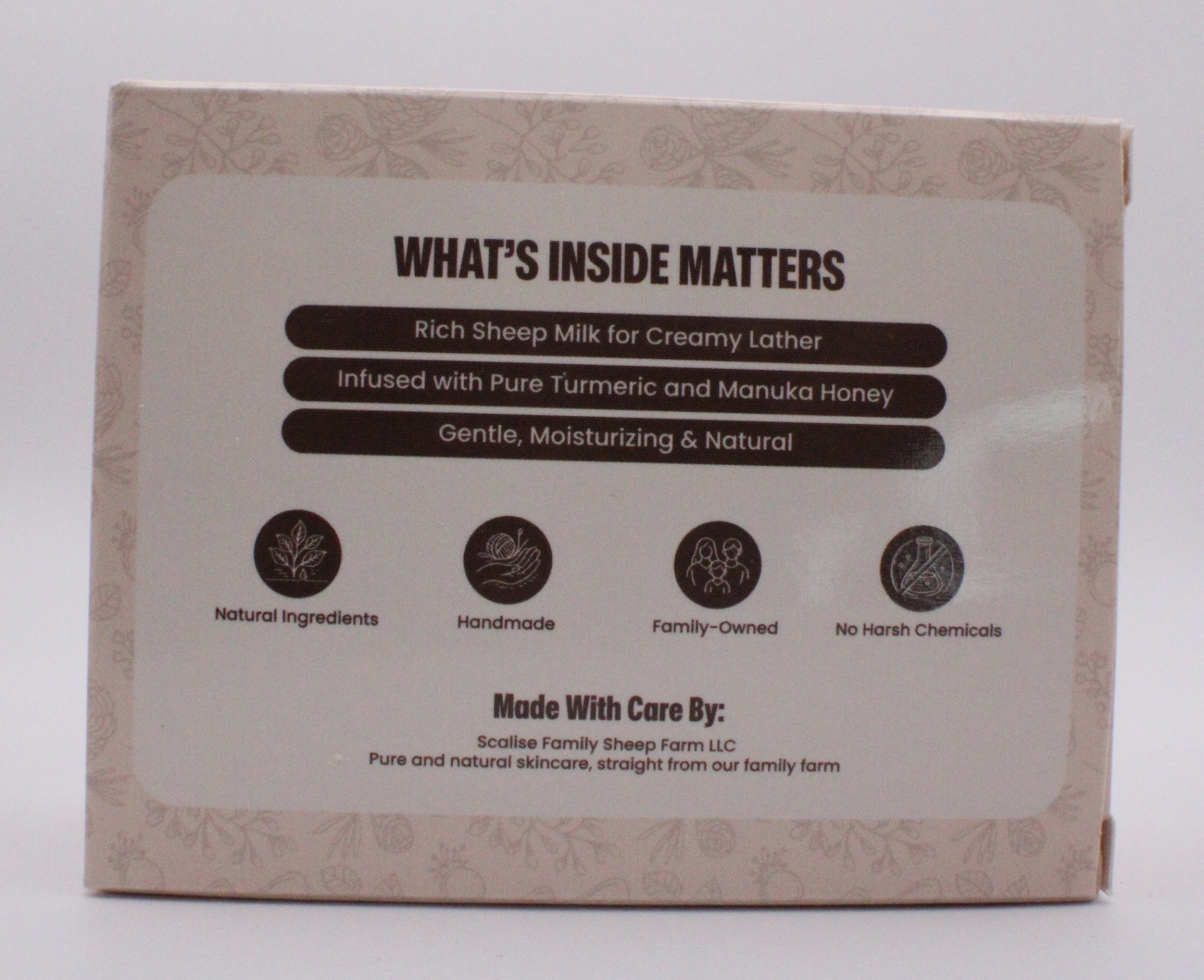
When you use our Rose Sheep Milk Soap or any of our personnel care items, you are providing your skin with:
- High Lipid Content: Triglycerides that mimic the skin’s natural sebum.
- Vitamins & Minerals: Essential for the enzymatic reactions that keep the microbiome healthy.
- Natural AHAs: For pH regulation and gentle renewal.
Summary: Your Microbiome Action Plan
To move from a disrupted barrier to a thriving ecosystem, follow these steps:
- Stop the Strip: Ditch the SLS-based body washes.
- Respect the pH: Use milk-based soaps to maintain acidity.
- Feed the Good Guys: Incorporate prebiotic-rich ingredients.
- Protect the Barrier: Apply a lipid-rich balm after washing.
Your skin is an organ, not a carpet to be scrubbed. By treating your microbiome with the respect it deserves, you’ll find that issues like dryness, redness, and sensitivity often resolve themselves.
If you’re ready to start your microbiome-friendly journey, browse our handcrafted soaps and see the difference that small-batch, farm-fresh ingredients can make.
References
- Grice, E. A., & Segre, J. A. (2011). The skin microbiome. Nature Reviews Microbiology, 9(4), 244-253.
- Walters, R. M., et al. (2012). Cleansing formulations that respect skin barrier integrity. Dermatology Research and Practice.
- Lambers, H., et al. (2006). Natural skin surface pH is on average below 5, which is beneficial for its resident flora. International Journal of Cosmetic Science, 28(5), 359-370.
- Del Rosso, J. Q., & Levin, J. (2011). The clinical relevance of maintaining the structural and functional integrity of the skin barrier. The Journal of Clinical and Aesthetic Dermatology, 4(2), 22.
- Krutmann, J. (2009). Pre- and probiotics for human skin. Journal of Dermatological Science, 54(1), 1-5.
- Park, Y. W. (2007). Rheological characteristics of goat and sheep milk. Small Ruminant Research, 68(1-2), 73-87.
- Balthazar, C. F., et al. (2017). Sheep milk: Physicochemical characteristics and therapeutic potential. Journal of Food Science and Technology.


