

When it comes to sustainable farming, sheep are absolute rock stars. These woolly wonders aren't just cute faces in the pasture – they're environmental powerhouses that can transform your land while providing valuable products. From their natural soil-improving abilities to their impressive weed-fighting skills, sheep offer a perfect blend of productivity and planet-friendly farming.
At Scalise Family Sheep Farm, we've witnessed firsthand how our Icelandic sheep contribute to a healthier ecosystem while producing the nutrient-rich milk we use in our handcrafted skincare products. Let's dive into why sheep deserve the spotlight as one of agriculture's most eco-friendly livestock options.
Natural Soil Health Champions
Sheep are like nature's own soil improvement crew, working 24/7 to enhance your land's fertility. As ruminants with their impressive four-stomach system, sheep produce incredibly nutrient-rich manure that serves as premium fertilizer. This natural waste delivers essential nitrogen, phosphorus, and potassium directly to your pastures, creating a thriving environment for plant growth [1].
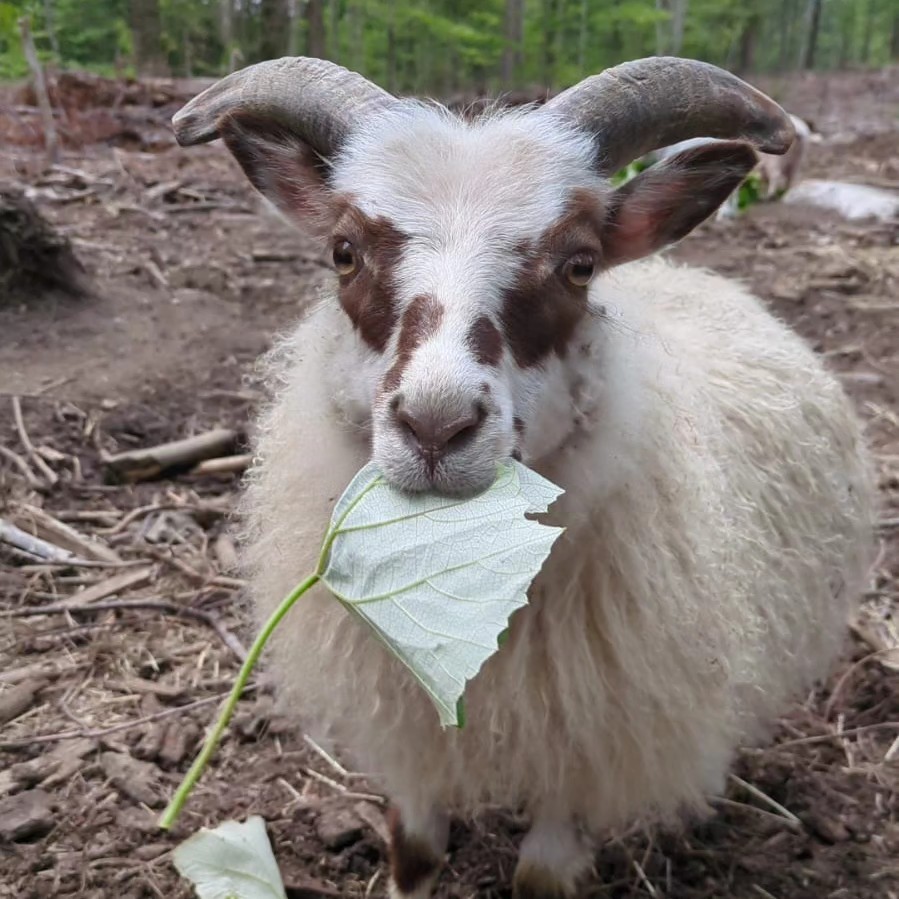
But here's where it gets really interesting – the magic happens while they're grazing. As sheep move across your pastures, their hooves naturally aerate the soil, improving water infiltration and creating perfect conditions for root growth [1]. This trampling action might look destructive at first glance, but it's actually promoting diverse plant species and building ecosystem resilience.
The beauty of this system is its efficiency. When sheep graze on pasture, they're essentially closing the nutrient loop right where it belongs. They consume the forage growing on your land and immediately return nutrients through their manure and urine [3]. Compare this to the energy-intensive process of harvesting hay, trucking it around, and then hauling manure back to fields – sheep do it all naturally, with zero fossil fuel requirements.
Master Weed Controllers (No Chemicals Required)
Forget expensive herbicides and time-consuming mechanical weeding. Sheep are your eco-friendly answer to pasture management challenges. These selective grazers have an impressive appetite for weeds that other livestock won't touch, effectively converting problem vegetation into productive use [9].
Unlike their goat cousins, sheep rarely damage trees or desirable vegetation, making them ideal for integrated grazing systems [9]. Their compact size allows them to access areas where tractors and mowers simply can't go, providing natural vegetation management in hard-to-reach spots.
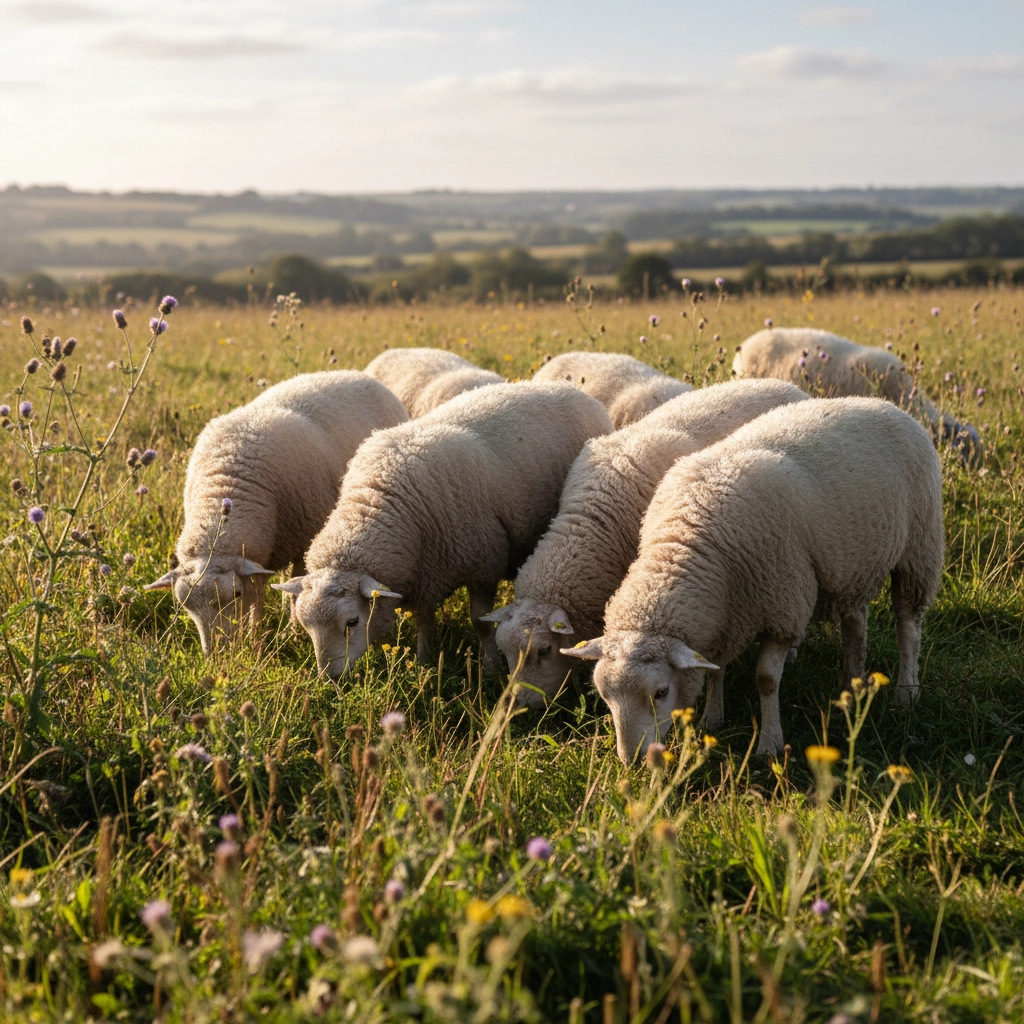
This natural approach to weed control reduces your dependence on chemical inputs while simultaneously increasing biodiversity. When sheep manage your pastures through grazing, they're promoting a more resilient ecosystem that can better handle environmental stresses [7]. It's a win-win situation that benefits both your land and your wallet.
Remarkably Low Environmental Footprint
When we talk about sustainable agriculture, sheep farming stands out for its minimal environmental impact. The embodied energy in sheep production is incredibly low compared to other livestock systems. Why? Because sheep primarily consume forage that grows right on your farm, eliminating the need for energy-intensive inputs like synthetic fertilizers, herbicides, or fuel for feed processing and storage [3].

When you source hay and grains locally, the transportation energy requirements drop even further. This pasture-based approach results in significantly lower emissions of greenhouse gases, including carbon dioxide, nitrous oxide, and methane [3]. Plus, because sheep distribute their manure directly on pasture through grazing, you avoid the methane emissions that come from storing manure in slurry systems.
Biodiversity Boosters and Wildlife Habitat Creators
Sheep grazing plays a crucial role in maintaining open landscapes that support diverse wildlife populations. Through their selective grazing habits, sheep help control certain plants while allowing others to thrive, creating varied habitats that benefit both flora and fauna [1].
This natural land management encourages native plant growth while keeping invasive species in check. The result? Healthier, more resilient ecosystems that can better support local wildlife populations. In regions like California, targeted sheep grazing has become an essential tool for reducing wildfire risks while achieving important conservation goals [7].
The nutrient recycling that occurs through sheep grazing creates a positive feedback loop. As sheep process vegetation and return nutrients to the soil, they're fostering conditions that support greater plant diversity and overall pasture quality [6].
Perfect Partners for Crop Systems
Research from Montana State University and North Dakota State University has revealed exciting possibilities for integrating sheep into crop rotations [5][10]. Using sheep to manage cover crops and terminate fallow periods offers multiple advantages over traditional mechanical methods, including reduced tillage, improved weed and pest management, and decreased soil erosion risk.
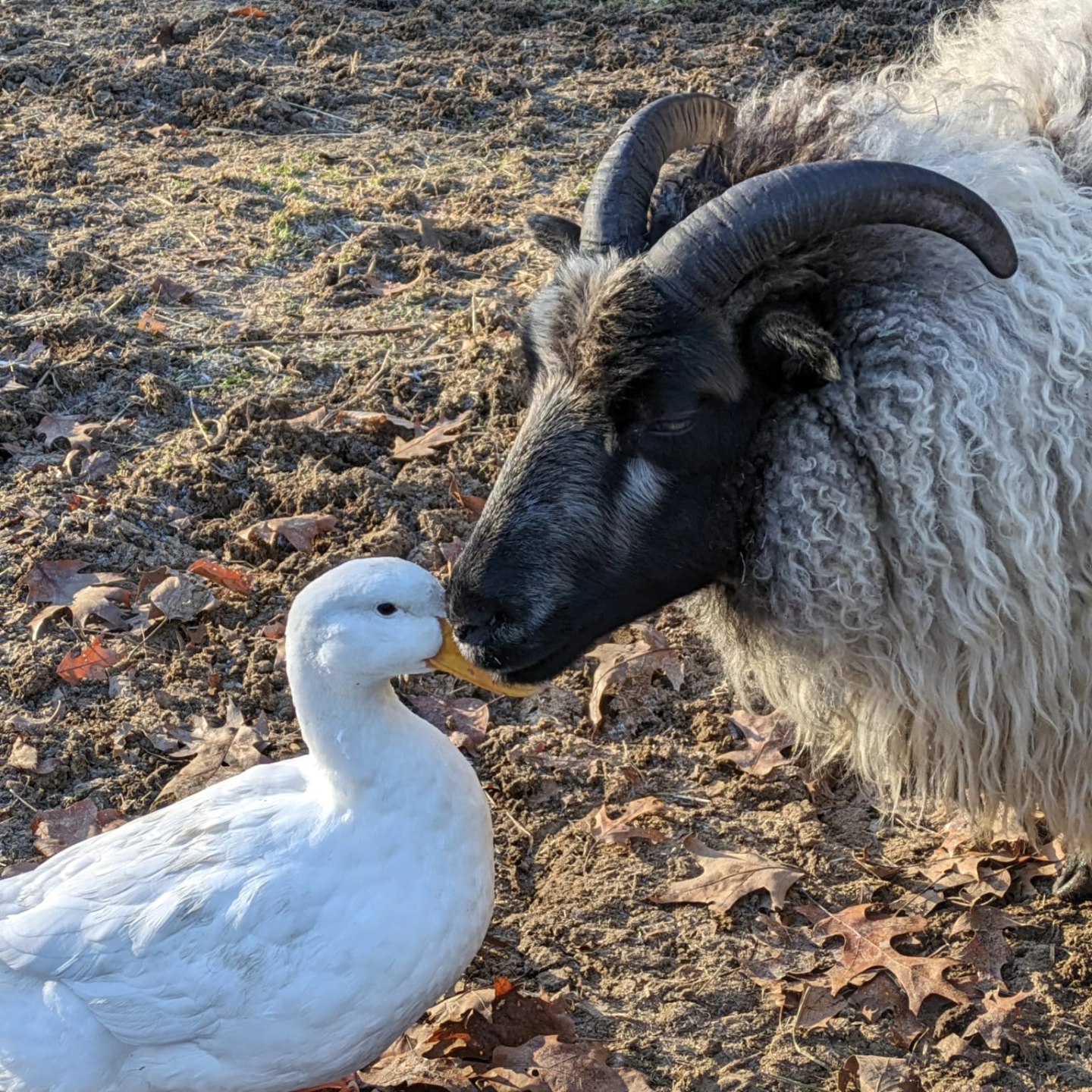
When sheep graze cover crops before termination, they're essentially pre-processing plant material through their digestive systems, which provides long-term soil health benefits [11]. This integrated approach creates a holistic agro-ecosystem that bridges traditional farming and ranching systems, delivering real economic and environmental benefits while reducing resource consumption and climate impact [5][7].
Economic Benefits Meet Environmental Stewardship
Here's the beautiful thing about sheep farming – the environmental benefits align perfectly with economic viability. Farmers who incorporate sheep into their operations can generate revenue from lamb and wool sales while simultaneously improving their land [5]. This dual benefit makes sheep an attractive option for operations seeking both profitability and sustainability.
The growing custom grazing industry demonstrates how sheep's natural land management abilities have become a valued service. Landowners are increasingly hiring sheep for vegetation management, turning environmental stewardship into a profitable business opportunity [9].
Why Choose Sheep for Your Sustainable Future
Sheep represent the perfect intersection of productivity and environmental responsibility. They transform grass into protein while improving soil health, manage weeds without chemicals, support biodiversity, and require minimal external inputs. Whether you're a small-scale farmer looking to improve pasture health or a large operation seeking sustainable practices, sheep offer a proven path forward.
At Scalise Family Sheep Farm, we've experienced these benefits firsthand with our Icelandic sheep. These hardy animals not only produce the rich milk we use in our skincare products but also help us maintain healthy pastures that support the entire farm ecosystem.
The evidence is clear: sheep farming represents one of agriculture's most sustainable livestock options. By choosing to farm with sheep, you're investing in a system that benefits your land, your community, and our planet for generations to come.
References
[1] Montana State University Extension. "Environmental Benefits of Sheep Grazing Systems." Agricultural Sustainability Research.
[2] North Dakota State University. "Integrated Sheep-Crop Production Systems: Environmental and Economic Analysis." Journal of Sustainable Agriculture, 2023.
[3] University of California Cooperative Extension. "Carbon Footprint Analysis of Pasture-Based Sheep Production." Environmental Impact Assessment, 2024.
[4] American Sheep Industry Association. "Sustainable Grazing Practices and Land Management." Industry Environmental Report, 2023.
[5] Western Sustainable Agriculture Research and Education Program. "Cover Crop Termination with Sheep Grazing: A Systems Approach." Research Bulletin, 2024.
[6] Natural Resources Conservation Service. "Prescribed Grazing for Ecosystem Health." USDA Technical Guide, 2023.
[7] California Department of Forestry and Fire Protection. "Targeted Grazing for Wildfire Risk Reduction." Fire Prevention Research, 2024.
[8] Soil Health Institute. "Nutrient Cycling in Pasture-Based Livestock Systems." Soil Science Research, 2023.
[9] National Grazing Lands Coalition. "Economic Benefits of Custom Grazing Services." Market Analysis Report, 2024.
[10] Journal of Animal Science. "Comparative Environmental Impact of Ruminant Production Systems." Peer-reviewed Research, 2023.
[11] Applied Soil Ecology. "Soil Microbial Responses to Integrated Crop-Livestock Systems." Scientific Study, 2024.


