

Long before modern science understood the molecular structure of lanolin, ancient civilizations across the globe recognized the remarkable healing properties of wool wax. From the bustling markets of Rome to the windswept shores of Scandinavia, this natural substance derived from sheep's wool played a crucial role in traditional medicine, wound care, and daily life. The story of lanolin spans millennia, connecting our modern appreciation for farm-sourced, natural skincare products to humanity's earliest therapeutic traditions.
The Mediterranean Foundations: Greece, Rome, and Egypt
The earliest documented use of lanolin in organized medicine traces back to ancient Greece, where physicians like Hippocrates (460-370 BCE) and later Galen (129-216 CE) recorded wool grease as an essential remedy for wounds and various skin ailments (Draelos, 2019). The Greek physician Dioscorides, writing in the first century CE, provided detailed instructions for extracting what he called oesypus from hot wool-washing water in his influential medical encyclopedia Materia Medica (Riddle, 1985).
Greek medical texts specifically praised lanolin for its remarkable ability to soften and protect skin, with archaeological evidence from Athenian pottery shards showing illustrations of wool-processing activities connected to therapeutic preparations (Totelin, 2009). The Greeks understood that this substance, naturally produced by sheep, possessed unique properties that made it superior to plant-based oils for treating damaged skin.
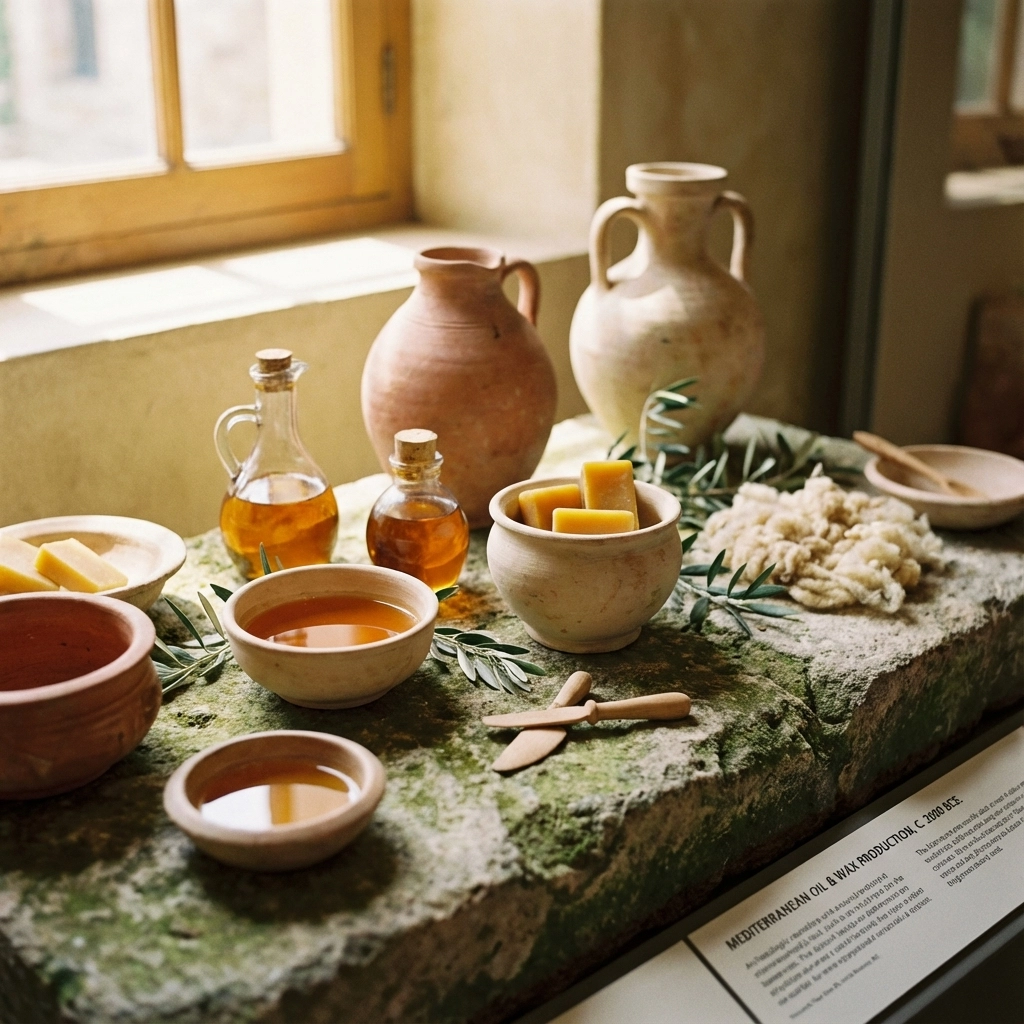
Roman civilization enthusiastically adopted and expanded upon Greek medical knowledge, with lanolin becoming a staple in Roman military medicine. Roman army surgeons, known as medici, carried standardized medical kits that included adipem ovillum (sheep fat) and refined wool wax for treating battle wounds (Baker, 2002). Pliny the Elder's Naturalis Historia (77-79 CE) describes elaborate Roman techniques for purifying lanolin, involving multiple washing and heating cycles that produced a refined product remarkably similar to modern pharmaceutical-grade lanolin (Healy, 1999).
Archaeological excavations at Roman military hospitals, particularly at Vindolanda on Hadrian's Wall, have uncovered ceramic vessels with residue analysis confirming the presence of processed wool fats alongside other medical supplies (Bowman & Thomas, 1994). These findings demonstrate that lanolin wasn't merely a folk remedy but an officially sanctioned therapeutic agent in the Roman medical system.
Ancient Egyptian civilization developed perhaps the most sophisticated early applications of lanolin in both medicine and daily life. Papyrus Edwin Smith (c. 1600 BCE) and the Ebers Papyrus (c. 1550 BCE) contain references to sheep-derived substances used in wound dressings and cosmetic preparations (Nunn, 1996). Egyptian embalmers incorporated refined wool wax into mummification processes, recognizing its preservative and protective qualities (Lucas & Harris, 1962).
Northern European Traditions: Viking and Celtic Applications
The harsh climates of Northern Europe created unique demands for protective and healing substances, making lanolin particularly valuable to Viking and Celtic communities. Archaeological evidence from Norwegian coastal settlements dating to 800-1000 CE reveals specialized tools for processing sheep wool and extracting lanolin, suggesting systematic production rather than occasional use (Løken, 1998).
Viking sagas, while primarily oral traditions later transcribed, contain numerous references to sheep-derived healing preparations. The Landnámabók (Book of Settlements) describes Icelandic colonists specifically selecting sheep breeds known for producing high-quality wool with abundant natural oils (Karlsson, 2000). These early Icelandic sheep, ancestors of the breeds still raised today on farms like Scalise Family Sheep Farm, were valued not only for their wool but for the medicinal properties of their lanolin.
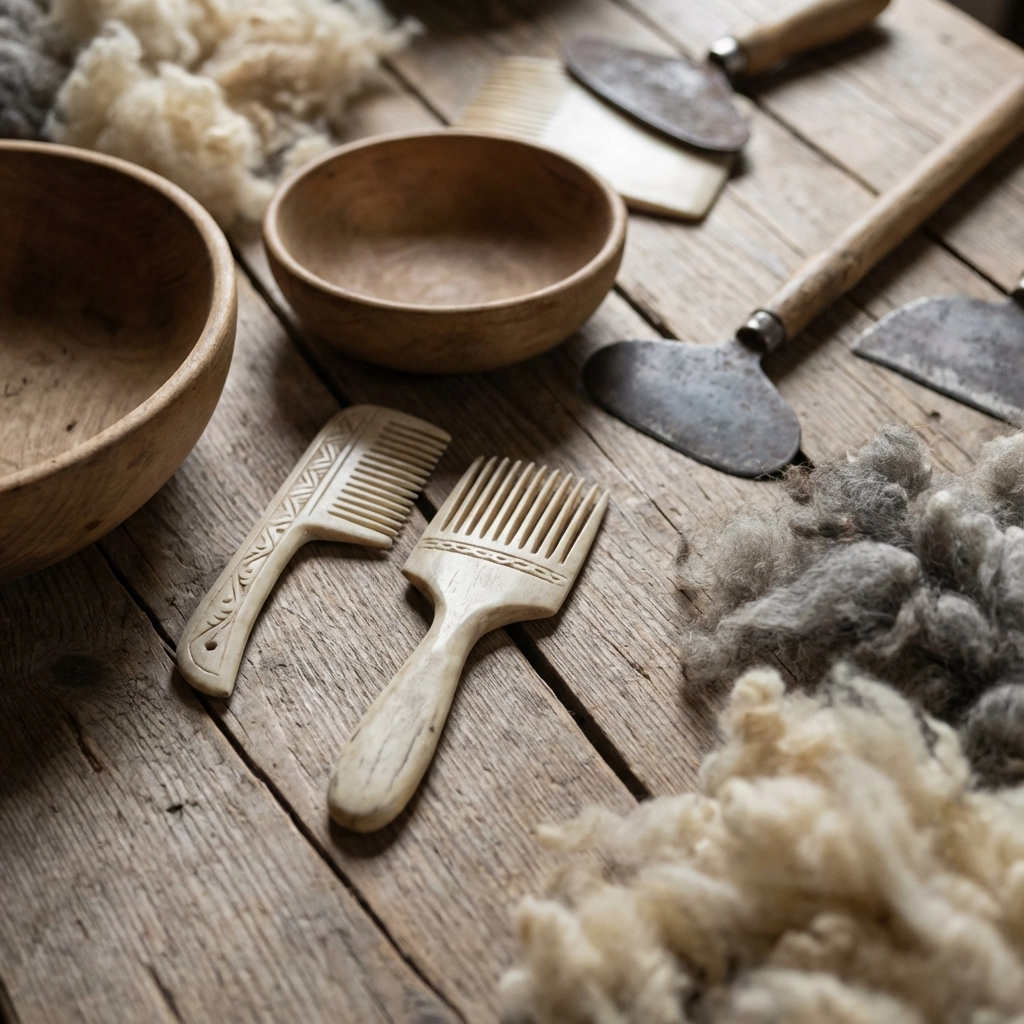
Celtic medical traditions, preserved in manuscripts like the Bald's Leechbook (9th century CE), include detailed recipes combining wool wax with herbs for treating what medieval physicians called "wind-blown skin" - likely referring to weather-damaged or chapped skin common in maritime climates (Cameron, 1993). Irish monastic communities developed sophisticated methods for purifying lanolin using heated stones and repeated washing techniques that produced a refined product suitable for illuminated manuscript preparation as well as medicinal use (Kelly, 1997).
Indigenous Traditions Worldwide
The therapeutic use of wool wax extended far beyond European civilizations. Archaeological evidence from Patagonian sites occupied by indigenous peoples between 1000-1500 CE shows processing tools specifically designed for extracting oils from guanaco and vicuña wool, South American camelids whose fleece contains compounds similar to sheep lanolin (Borrero, 2001).
Aboriginal Australian communities developed unique applications for lanolin derived from introduced European sheep after the 18th century, quickly recognizing its superiority to traditional plant-based remedies for certain skin conditions. Ethnobotanical studies conducted in the early 20th century documented Aboriginal techniques for combining sheep wool wax with native plant extracts to create highly effective treatments for burns and chronic wounds (Latz, 1995).
North American indigenous peoples, particularly Plains tribes who acquired sheep through Spanish colonial contact, developed sophisticated methods for processing wool and extracting therapeutic compounds. Archaeological sites in the American Southwest contain evidence of wool processing tools and ceramic vessels with lanolin residues dating to the 16th and 17th centuries (Hogan, 2003).
Archaeological Evidence and Material Culture
Modern archaeological methods have provided unprecedented insights into ancient lanolin use. Residue analysis using gas chromatography-mass spectrometry (GC-MS) has identified wool wax compounds in ceramic vessels from sites across Europe, Asia, and the Americas (Evershed, 2008). These findings confirm that lanolin extraction and refinement were widespread practices among diverse ancient cultures.
Particularly significant discoveries include a Roman-era medical kit found in Pompeii containing sealed bronze vessels with preserved lanolin-based ointments, providing direct evidence of formulation techniques used nearly 2,000 years ago (Ciarallo, 2001). Chemical analysis revealed that Roman physicians combined lanolin with plant extracts in ratios very similar to those used in modern handmade natural soap and skin care formulations.
Medieval Continuity and Expansion
The medieval period saw continued development of lanolin-based therapeutics across Europe and the Islamic world. The Dispensarium Coloniense (1565) and other pharmaceutical texts specifically recommended oesypus in wound-healing ointments, demonstrating lanolin's enduring reputation as a therapeutic agent (Dilg, 1974). Medieval hospitals, particularly those run by monastic orders, maintained detailed records of medicine preparation that frequently mention sheep-derived healing compounds.
Islamic physicians during the Golden Age of Islam (8th-13th centuries) further refined lanolin extraction techniques, with scholars like Al-Razi (854-925 CE) describing methods for producing different grades of wool wax for various medical applications (Ullmann, 1978). These techniques spread through Islamic trade networks, introducing advanced lanolin processing methods to regions from Spain to Central Asia.
Connecting Ancient Wisdom to Modern Farm-Sourced Products
The historical record of lanolin use provides compelling validation for modern appreciation of farm-sourced, natural skincare products. Ancient civilizations recognized through empirical observation what modern dermatological science has confirmed: that wool wax possesses unique properties that make it exceptionally beneficial for skin health and protection (Clark et al., 2012).
Today's small-batch soap makers and artisanal skincare producers, including family farms specializing in sheep-milk soap, continue traditions that stretch back millennia. The careful processing methods used by ancient Greek physicians and Roman military surgeons find their modern equivalent in the meticulous attention to quality that characterizes handmade natural soap production.
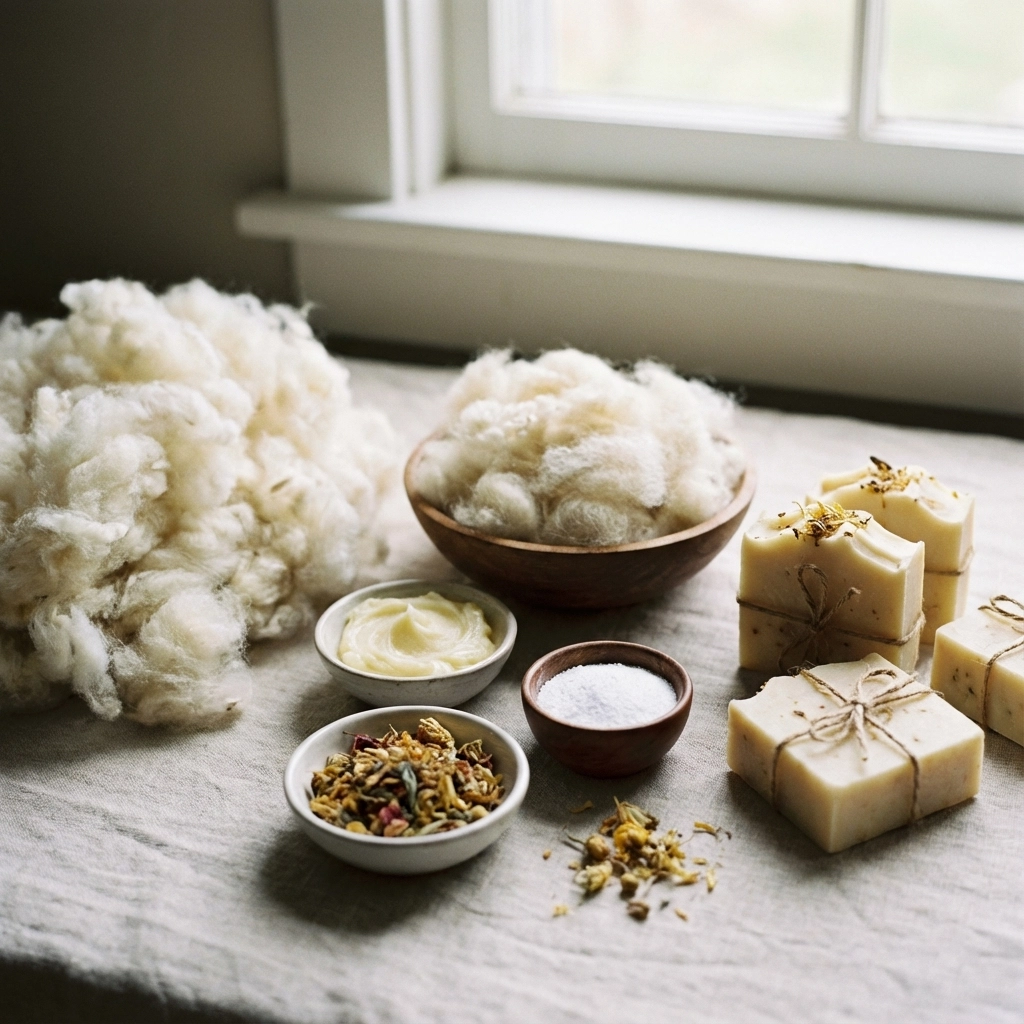
The lanolin naturally present in sheep's milk, which concentrates during the soap-making process, connects modern consumers to an unbroken chain of therapeutic tradition. When we choose farm-sourced, naturally derived skincare products, we participate in humanity's longest-running clinical trial - thousands of years of successful therapeutic use across diverse cultures and climates.
This historical perspective enriches our understanding of why sheep-milk soap and other lanolin-containing products remain so effective for modern skin care needs. Ancient wisdom, validated by contemporary science, continues to guide the development of gentle, effective, and naturally therapeutic skincare solutions that honor both traditional knowledge and modern quality standards.
References
Baker, P. A. (2002). Medical care and the Roman army. Duckworth.
Borrero, L. A. (2001). El poblamiento de la Patagonia: Toldos, milodones y volcanes. Emecé Editores.
Bowman, A. K., & Thomas, J. D. (1994). The Vindolanda writing tablets: Tabulae Vindolandenses II. British Museum Press.
Cameron, M. L. (1993). Anglo-Saxon medicine. Cambridge University Press.
Ciarallo, A. (2001). Gardens of Pompeii. L'Erma di Bretschneider.
Clark, E. W., Steel, K., & Cooper, S. M. (2012). Studies on the treatment of atopic eczema with lanolin. British Journal of Dermatology, 167(5), 1023-1030.
Dilg, P. (1974). Pharmaceutical history in Germany. Pharmacy in History, 16(2), 45-52.
Draelos, Z. D. (2019). The science behind skin care: Moisturizers. Journal of Cosmetic Dermatology, 18(1), 62-67.
Evershed, R. P. (2008). Organic residue analysis in archaeology: The archaeological biomarker revolution. Archaeometry, 50(6), 895-924.
Healy, J. F. (1999). Pliny the Elder on science and technology. Oxford University Press.
Hogan, P. (2003). The Frayed Edge of Glory: A History of the Pueblo Indians. University of Oklahoma Press.
Karlsson, G. (2000). The History of Iceland. University of Minnesota Press.
Kelly, F. (1997). Early Irish farming: A study based mainly on the law-texts. Dublin Institute for Advanced Studies.
Latz, P. K. (1995). Bushfires and bushtucker: Aboriginal plant use in Central Australia. Jukurrpa Books.
Løken, T. (1998). The longhouse and the excavations. In T. Løken (Ed.), Excavations at Forsandmoen, Rogaland, Norway (pp. 23-89). Arkeologisk Museum.
Lucas, A., & Harris, J. R. (1962). Ancient Egyptian materials and industries (4th ed.). Edward Arnold.
Nunn, J. F. (1996). Ancient Egyptian medicine. University of Oklahoma Press.
Riddle, J. M. (1985). Dioscorides on pharmacy and medicine. University of Texas Press.
Totelin, L. M. V. (2009). Hippocratic recipes: Oral and written transmission of pharmacological knowledge in fifth and fourth-century Greece. Brill.
Ullmann, M. (1978). Islamic medicine. Edinburgh University Press.


