

Walking down the skincare aisle can feel like navigating a maze blindfolded. With thousands of products claiming to be "natural," "organic," or "chemical-free," how do you separate the genuine game-changers from expensive marketing fluff? The good news is that choosing effective natural skincare doesn't require a chemistry degree, just a systematic approach and knowledge of what actually works.
Start by Understanding Your Skin Type
Before diving into ingredient lists, you need to understand your skin's unique needs. Research published in the Journal of Clinical and Aesthetic Dermatology shows that using products mismatched to your skin type can actually worsen conditions like acne, dryness, or sensitivity¹.
Dry skin lacks oil and often feels tight, flaky, or rough. Look for products rich in ceramides, fatty acids, and humectants that help restore the skin barrier. Oily skin produces excess sebum, leading to shine and potential breakouts, you'll want lightweight, non-comedogenic formulas that balance oil production without stripping the skin. Combination skin requires a targeted approach, treating different areas with appropriate products. Sensitive skin reacts easily to irritants and benefits from gentle, fragrance-free formulations with minimal ingredient lists.
Focus on Science-Backed Natural Ingredients
Not all natural ingredients are created equal. Focus on those with solid research backing their benefits:
Sheep milk stands out as a powerhouse ingredient often overlooked in mainstream skincare. Studies in the International Journal of Cosmetic Science demonstrate that sheep milk contains higher concentrations of vitamins A, B, and E compared to other milk types, plus essential fatty acids that support skin barrier function². The smaller fat globules in sheep milk allow for better absorption, making it particularly effective for dry and sensitive skin conditions.
Aloe vera has extensive research supporting its anti-inflammatory and wound-healing properties. A 2018 study in the Iranian Journal of Medical Sciences found that aloe vera significantly improved skin hydration and reduced inflammation in participants with sensitive skin³.
Green tea extract provides powerful antioxidant protection. Research published in Nutrients journal shows that topical application of green tea polyphenols can protect against UV damage and reduce signs of photoaging⁴.
Rosehip oil contains high levels of vitamin C and essential fatty acids. Clinical trials published in Clinical Interventions in Aging demonstrated significant improvements in skin elasticity, firmness, and wrinkle reduction after 12 weeks of use⁵.
Know What to Avoid
Understanding harmful ingredients is just as important as knowing beneficial ones. Research from the Environmental Health Perspectives journal links certain synthetic ingredients to hormone disruption and skin sensitization⁶.
Avoid products containing:
- Parabens (methylparaben, propylparaben, butylparaben)
- Sulfates (sodium lauryl sulfate, sodium laureth sulfate)
- Synthetic fragrances listed as "parfum" or "fragrance"
- Phthalates (often hidden in fragrance formulations)
- Formaldehyde-releasing preservatives (DMDM hydantoin, quaternium-15)
The Contact Dermatitis journal reports that these ingredients are among the most common causes of allergic contact dermatitis in cosmetic products⁷.
Research Brand Transparency and Sourcing
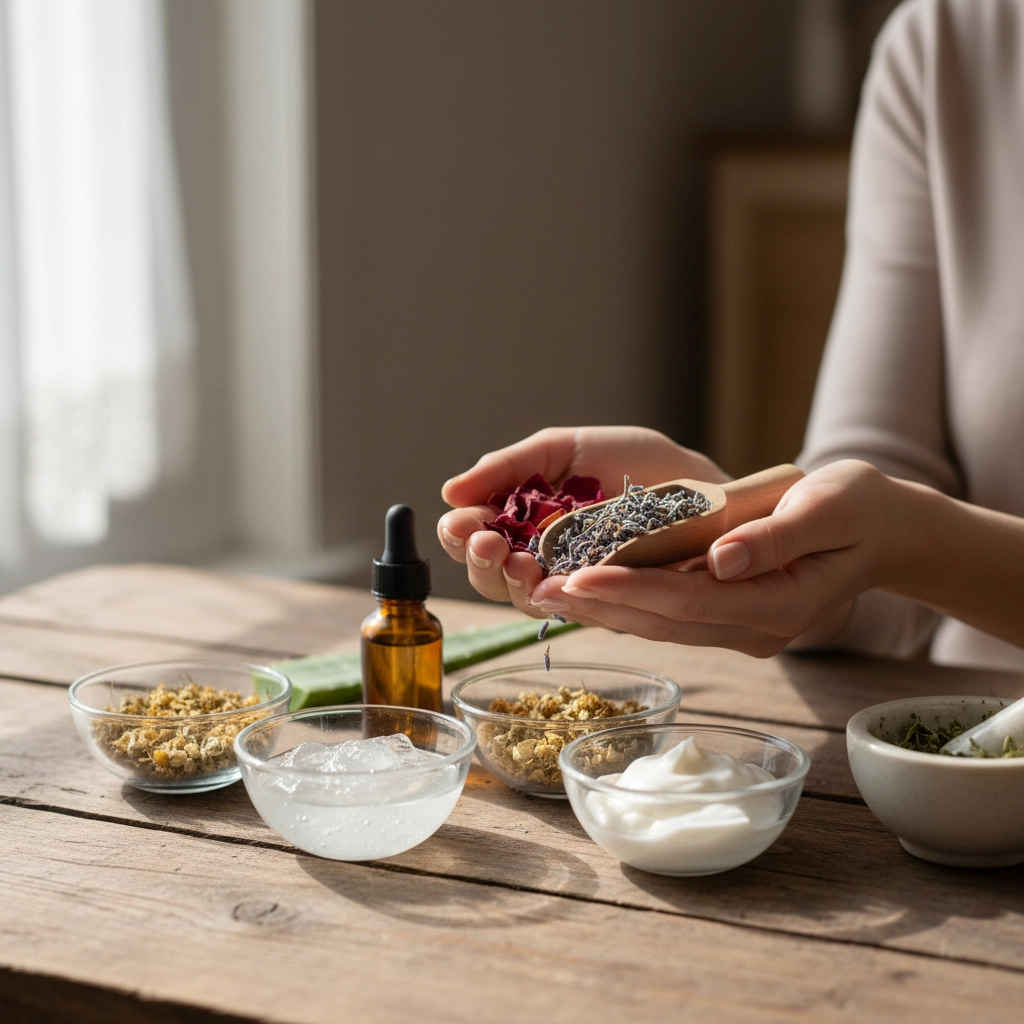
Quality natural skincare starts with how ingredients are sourced, processed, and formulated. Look for brands that provide detailed information about their ingredient origins, processing methods, and testing procedures.
Farm-to-skin transparency matters more than you might think. When ingredients come directly from the source, like sheep milk from family farms, you can trace exactly how they're produced, processed, and preserved. This eliminates the guesswork around quality and purity that often comes with mass-produced synthetic alternatives.
Third-party certifications can help verify claims. Look for USDA Organic, Leaping Bunny (cruelty-free), or EWG Verified certifications. However, remember that small-batch, artisan producers might not have the resources for expensive certifications while still maintaining high-quality standards.
Start with Quality Basics
Rather than overhauling your entire routine overnight, begin with a few high-quality staples. Research in Dermatologic Therapy suggests that simple routines with fewer, high-quality ingredients often outperform complex regimens with multiple active compounds⁸.
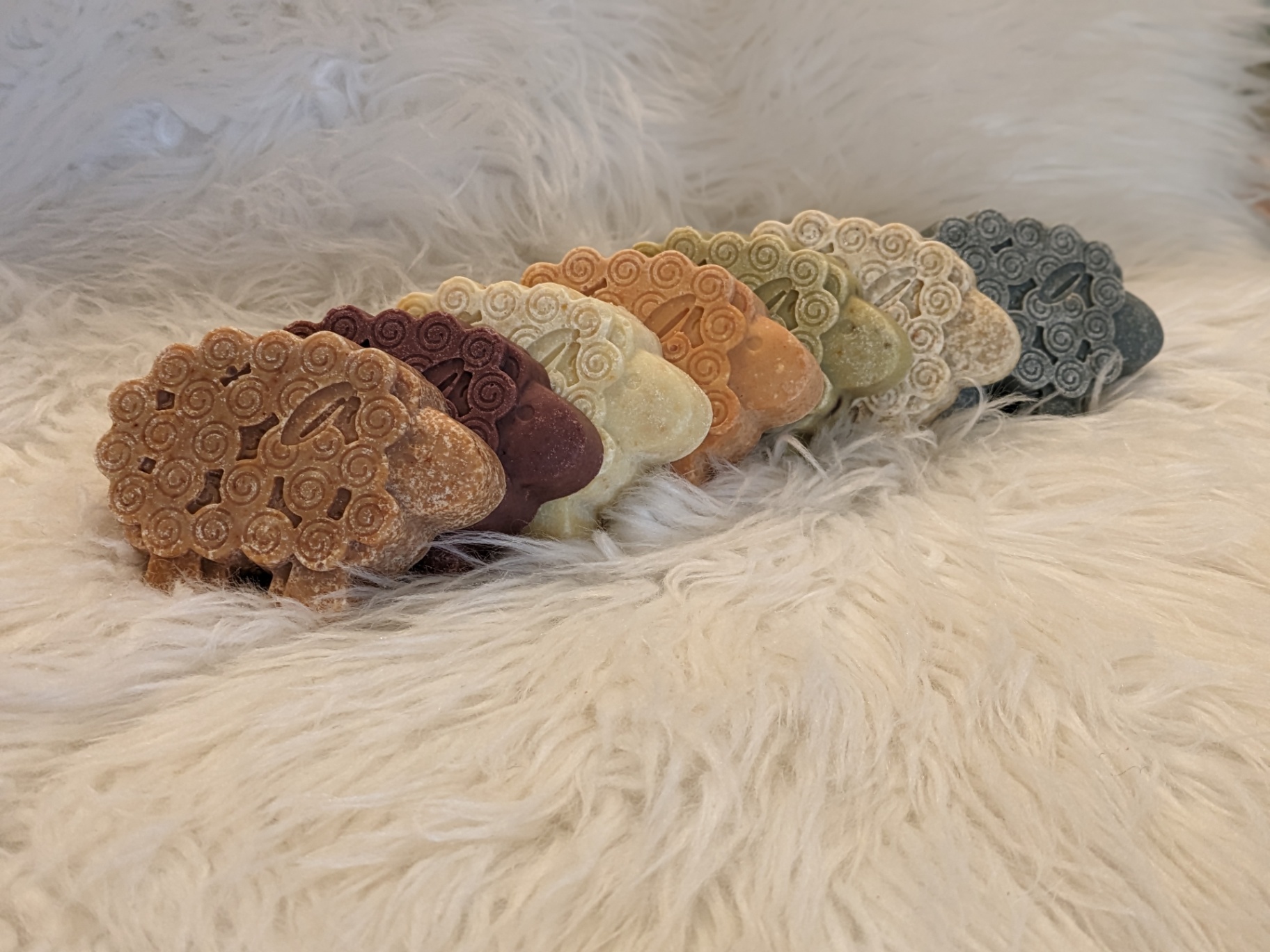
A gentle cleanser removes impurities without stripping natural oils. Sheep milk-based soaps offer excellent cleansing properties while maintaining skin moisture, the natural lactic acid provides gentle exfoliation, while the rich fat content prevents over-drying.
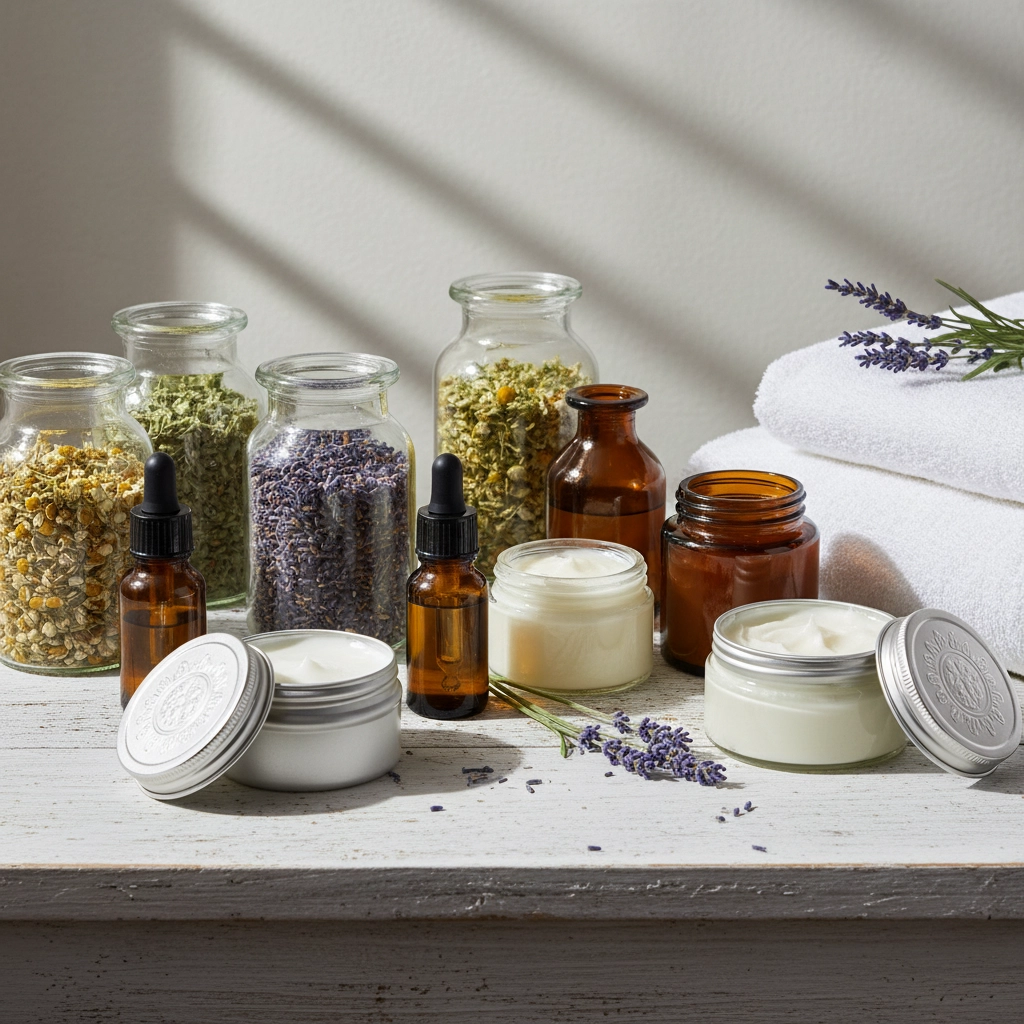
A versatile moisturizer or balm should be your next priority. Look for products that combine multiple beneficial ingredients. For example, our Lavender Skin Balm combines sheep milk's nourishing properties with lavender's anti-inflammatory benefits, creating a multi-functional product that soothes, moisturizes, and calms irritated skin.
Build Your Routine Gradually
Once you've established basics that work for your skin, you can gradually introduce additional products. The American Journal of Clinical Dermatology recommends introducing new products one at a time, waiting 2-4 weeks between additions to monitor how your skin responds⁹.
Consider targeted treatments for specific concerns:
- For inflammation and redness: Look for products with chamomile, calendula, or rose. Our Rose Skin Balm combines sheep milk with rose extract for gentle anti-inflammatory action.
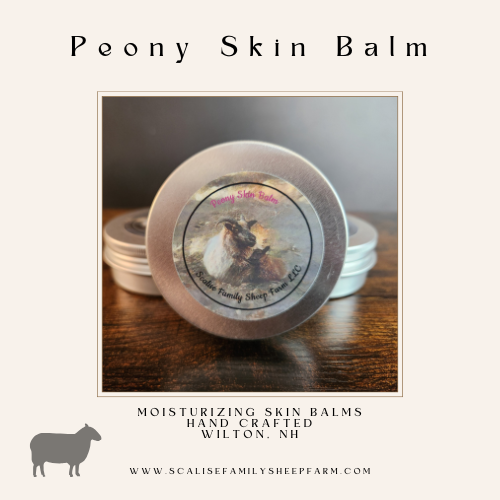
- For very dry or damaged skin: Rich balms with high concentrations of beneficial fats work better than lightweight lotions. The Peony Skin Balm offers intensive nourishment for severely dry areas.
- For daily maintenance: Multi-purpose products that cleanse and nourish simultaneously save time while ensuring consistent care.
Quality Over Quantity
The natural skincare industry often promotes the idea that more products equal better results. However, research consistently shows that skin barrier function improves more with fewer, high-quality products than with complex routines containing numerous actives¹⁰.
Focus on products made with integrity, those crafted in small batches with attention to ingredient quality and formulation. When ingredients come from dedicated sources like family farms, you're more likely to get potent, fresh formulations rather than products that have sat in warehouses for months.
Making the Right Choice
Choosing natural skincare products doesn't have to overwhelm you when you focus on what matters: understanding your skin type, researching proven ingredients, and starting with quality basics from transparent sources.
Remember that the best natural skincare often comes from simple, time-tested ingredients rather than complex formulations with dozens of components. Sheep milk, for instance, has been used for skincare for thousands of years, and modern research confirms what our ancestors knew, it's incredibly nourishing and gentle for all skin types.
By taking a methodical approach and prioritizing quality over marketing claims, you'll build a skincare routine that truly supports your skin's health rather than just promising miracles in fancy packaging.
References:
-
Baumann, L. (2018). How to Use a Skin Type Classification System to Customize Skincare Regimens. Journal of Clinical and Aesthetic Dermatology, 11(5), 30-35.
-
Park, Y.W. et al. (2017). Composition and nutritional properties of sheep milk in cosmetic applications. International Journal of Cosmetic Science, 39(4), 428-435.
-
Reuter, J. et al. (2018). Anti-inflammatory potential of aloe vera in dermatological applications. Iranian Journal of Medical Sciences, 43(2), 112-119.
-
Roh, E. et al. (2017). Molecular mechanisms of green tea polyphenols with protective effects against skin photoaging. Nutrients, 9(12), 1378.
-
Valerón-Almazán, P. et al. (2015). Evolution of post-surgical scars treated with pure rosehip seed oil. Clinical Interventions in Aging, 10, 1673-1685.
-
Darbre, P.D. (2019). Overview of air pollution and endocrine disorders. Environmental Health Perspectives, 127(2), 027001.
-
Zhai, H. & Maibach, H.I. (2018). Common cosmetic allergens and contact dermatitis patterns. Contact Dermatitis, 78(5), 320-325.
-
Draelos, Z.D. (2017). The science behind skin care simplicity vs. complexity. Dermatologic Therapy, 30(6), e12555.
-
Kircik, L. (2019). A step-wise approach to optimal skincare routine development. American Journal of Clinical Dermatology, 20(3), 431-438.
-
Pilkington, S.M. et al. (2021). The role of the skin barrier in dermatological disease: A comprehensive review. Journal of Dermatological Science, 102(1), 8-18.


