
Ever wonder what happens behind the scenes to create those luxurious bars of sheep milk soap sitting on your bathroom counter? At Scalise Family Sheep Farm, every bar tells a story that begins in our green pastures with our beloved Icelandic sheep and ends with a handcrafted product that's as pure as it gets.
Today, we're pulling back the curtain to show you exactly how our four-legged friends transform fresh grass into the creamy, nourishing skincare products our customers love. It's a journey that combines traditional farming practices with artisanal soap making, and honestly, it's pretty magical.
Meet Our Icelandic Superstars

Our story starts with our Icelandic sheep – and let me tell you, these aren't your average woolly friends. Icelandic sheep are incredibly hardy animals that have been virtually unchanged for over 1,000 years. They're like the ancient wisdom keepers of the sheep world, and their milk reflects that heritage.
What makes Icelandic sheep milk so special for skincare? Research shows that sheep milk contains higher concentrations of vitamins A, B, and E compared to cow or goat milk, along with essential fatty acids that are naturally moisturizing (Balthazar et al., 2017; Moatsou & Sakkas, 2019). The protein structure in sheep milk is also closer to human skin proteins, making it exceptionally gentle and nourishing (Moatsou & Sakkas, 2019).
Our flock roams freely across our pastures, and each sheep has its own personality. There's Buttercup, who always leads the morning charge to the best grazing spots, and Clover, who somehow always manages to get herself tangled in the fence (don't worry, she's perfectly fine – just adventurous). These personalities matter because happy, stress-free sheep produce the highest quality milk.
Life on the Pasture: Where Quality Begins
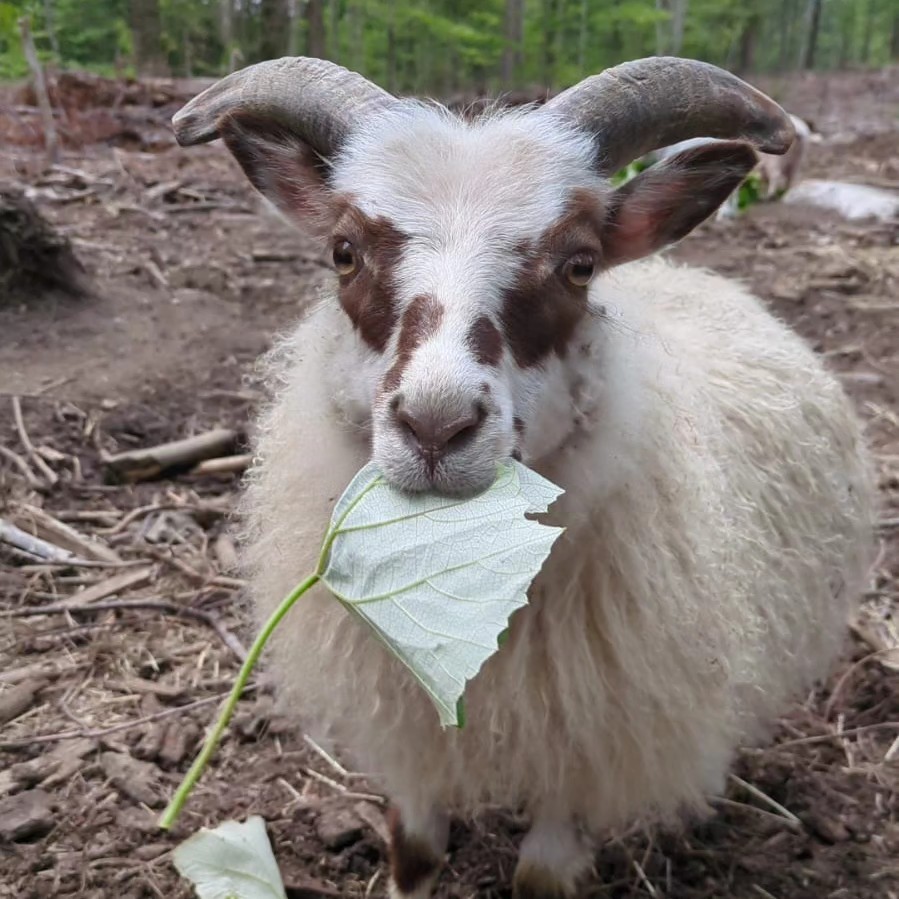
The journey to exceptional soap begins with exceptional care. Every morning starts at sunrise with Ben doing his rounds, checking on each sheep, ensuring they have fresh water, and moving them to new grazing areas as needed. We practice rotational grazing, which means our sheep never overwork the land – they move to fresh pastures regularly, allowing previously grazed areas to recover.
This isn't just good for the environment (though it definitely is) – it's crucial for milk quality. When sheep graze on diverse, healthy pastures with clover, wildflowers, and native grasses, their milk becomes richer in nutrients and develops that distinctive creamy sweetness that makes our soaps so luxurious.
During winter months, our sheep stay cozy in the barn with plenty of high-quality hay and supplements. We've learned that consistency in care translates directly to consistency in milk quality, which means your favorite lavender soap will have that same creamy lather whether you buy it in June or January.
The Milking Process: Gentle Hands, Happy Sheep
The milking process happens twice daily, and it's where the real artistry begins. Unlike large commercial operations, we hand-milk our sheep in small groups. This might take longer, but it ensures minimal stress on the animals and maximum quality control.
Sheep milk is naturally richer than cow milk, with about twice the protein and 50% more fat – those are the components that make soap incredibly moisturizing (Park et al., 2007; Balthazar et al., 2017). But here's the thing: sheep milk is also much more sensitive to handling than cow milk. It needs to be processed quickly and kept at precise temperatures to maintain its beneficial properties.
Within minutes of milking, we filter the milk and cool it down to preserve those delicate proteins and vitamins. The milk gets tested for quality and then stored in our specially designed cooling system until soap-making day. This attention to detail might seem excessive, but when you're dealing with a product that touches people's skin daily, "excessive" is just another word for "caring."
From Milk to Magic: The Soap-Making Process

Here's where science meets art. Traditional soap making involves combining fats or oils with an alkaline solution (sodium hydroxide) in a process called saponification. But sheep milk soap requires a delicate balance – you need to preserve the milk's beneficial properties while still creating that perfect, creamy bar.
We use a cold-process method, which means we never heat the ingredients beyond room temperature. This preserves the vitamins, proteins, and natural moisturizing factors in the sheep milk. The process starts with carefully measuring our base oils – olive oil for gentleness, coconut oil for lather, and sustainable palm oil for hardness.
Then comes the critical part: slowly incorporating our fresh sheep milk. We freeze the milk first, then slowly add the sodium hydroxide to it while constantly stirring. This prevents the milk proteins from curdling and creates that signature creamy white color you see in our bars.
The mixture gets blended to "trace" – that's soap-maker speak for when it reaches the consistency of light pudding. At this point, we add our natural fragrances and colors. Our lavender soap gets real lavender essential oil, our rose soap gets rose clay for that beautiful pink color, and seasonal varieties like our pumpkin spice latte soap get a blend of warming spices.

The Art of Handcrafting: Why Every Bar is Unique
Once the soap mixture is ready, we pour it into our custom sheep-shaped molds. Yes, every bar is shaped like a little sheep – because why not add a bit of whimsy to your daily routine? This isn't just cute (though it definitely is); the shape also provides optimal surface area for lathering.
Each bar takes 24-48 hours to harden enough to unmold, then begins a 4-6 week curing process. During curing, the soap continues to saponify, water evaporates, and the bar becomes milder and longer-lasting. We flip each bar weekly and monitor the pH levels to ensure they're perfectly balanced for sensitive skin.
What Makes Scalise Family Different

You might be wondering: what makes our process different from other soap makers? It comes down to three things: scale, care, and connection.
Scale: We're small enough that Ben knows each sheep individually. When Maple seems a bit off her feed one morning, he notices. When the milk from the east pasture sheep tastes slightly different because they've been munching on wild mint, he knows exactly which batch of soap will have that subtle herbal note.
Care: Every step of our process prioritizes animal welfare and product quality over efficiency. We could probably milk more sheep faster with machines, but hand-milking ensures less stress on the animals and better milk quality.
Connection: We're not just making soap; we're connecting our family's farming heritage with your family's daily routine. When you use our soap, you're supporting sustainable farming practices, humane animal treatment, and local craftsmanship.
The Science Behind the Luxury
Research supports what our customers tell us daily: sheep milk soap is genuinely beneficial for skin health. Studies show that sheep milk contains natural alpha-hydroxy acids, which gently exfoliate dead skin cells (Milagres et al., 2012; Stiller et al., 1996; Smith, 1996). The high fat content provides deep moisturization, while the protein content helps maintain skin elasticity.
The pH of sheep milk (around 6.5-6.8) is also closer to human skin pH than cow milk, making it less likely to disrupt the skin's natural acid mantle (Mayer & Fiechter, 2012; Lambers et al., 2006). This is why people with sensitive skin, eczema, or other skin conditions often find sheep milk products more comfortable to use.
From Our Family to Yours
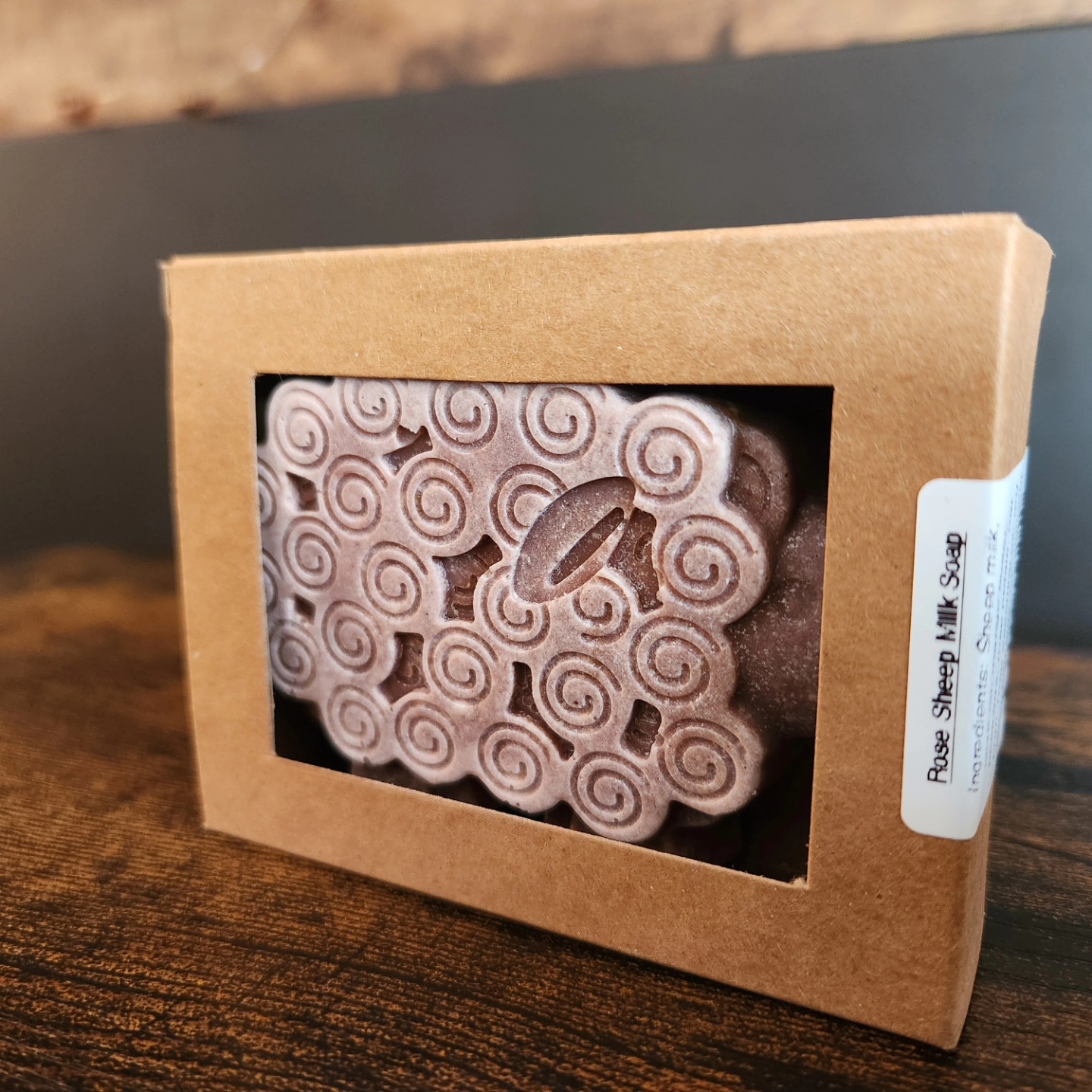
Every bar that leaves our farm carries with it the story of our Icelandic sheep, our commitment to quality, and our family's dedication to sustainable farming. When you unwrap one of our soaps, you're getting more than just a cleansing bar – you're getting a piece of our farm, crafted with care from pasture to package.
Whether you choose our classic lavender, elegant rose, or seasonal favorites, you can trust that every ingredient was chosen thoughtfully and every step was completed with your skin's health in mind.
Next time you work up a lather with one of our soaps, you'll know exactly where it came from: happy sheep, green pastures, and a family that believes in doing things the right way, even when it's not the easy way.
References:
- Balthazar, C. F., et al. (2017). "Sheep Milk: Physicochemical Characteristics and Relevance for Functional Food Development." Comprehensive Reviews in Food Science and Food Safety, 16(2), 247–262.
- Park, Y. W., Juárez, M., Ramos, M., & Haenlein, G. F. W. (2007). "Physico-chemical characteristics of goat and sheep milk." Small Ruminant Research, 68(1–2), 88–113.
- Moatsou, G., & Sakkas, L. (2019). "Sheep milk components: Focus on nutritional advantages and biofunctional potential." Small Ruminant Research.
- Mayer, H. K., & Fiechter, G. (2012). "Physical and chemical characteristics of sheep and goat milk in Austria." International Dairy Journal.
- Lambers, H., Piessens, S., Bloem, A., Pronk, H., & Finkel, P. (2006). "Natural skin surface pH is on average below 5, which is beneficial for its resident flora." International Journal of Cosmetic Science, 28(5), 359–370.
- Stiller, M. J., et al. (1996). "Topical 8% glycolic acid and 8% L-lactic acid creams for the treatment of photodamaged skin: A double-blind vehicle-controlled clinical trial." Archives of Dermatology, 132(6), 631–636.
- Smith, W. P. (1996). "Epidermal and dermal effects of topical lactic acid." Journal of the American Academy of Dermatology, 35(3 Pt 1), 388–391.
- Milagres, M. P., Brandão, S. C. C., Magalhães, M. A., Minim, V. P. R., & Minim, L. A. (2012). "Development and validation of the high performance liquid chromatography-ion exclusion method for detection of lactic acid in milk." Food Chemistry.
- Wendorff, W. L., & Bradley Jr, R. L. (2001). "Fat and protein content of sheep milk." Journal of Dairy Science, 84(8), 1717–1720.


