

The beauty industry is experiencing a seismic shift as Generation Z fundamentally challenges decades of synthetic-first skincare philosophy. While synthetic beauty products aren't completely dead, they're facing an unprecedented identity crisis driven by the most environmentally conscious and ingredient-savvy generation in history.
According to Nielsen's Global Sustainability Report, 54% of Gen Z consumers actively prefer natural and organic products, with 40% specifically seeking eco-friendly options (Nielsen, 2021). This isn't just a passing trend: it represents a fundamental reimagining of what skincare should be: transparent, sustainable, and genuinely beneficial for both skin and planet.
The Great Synthetic Skincare Reckoning
The traditional beauty industry built its empire on synthetic formulations promising miraculous overnight transformations. However, mounting scientific evidence reveals concerning long-term effects of common synthetic ingredients. Research published in the Journal of Applied Toxicology demonstrates that parabens, commonly used as preservatives, can disrupt endocrine function and potentially contribute to hormonal imbalances (Darbre et al., 2004).
Similarly, sulfates: ubiquitous in cleansers for their foaming properties: have been shown to compromise the skin's natural barrier function. A study in the International Journal of Toxicology found that sodium lauryl sulfate can cause significant skin irritation and increase transepidermal water loss, particularly with repeated exposure (Agner & Serup, 1990).

The cumulative effect of daily exposure to multiple synthetic chemicals raises additional concerns. Environmental Working Group research indicates that the average woman uses 168 chemicals daily through personal care products, with many lacking comprehensive safety data for long-term use (EWG, 2019). This chemical cocktail effect: where multiple synthetic ingredients interact in unpredictable ways: has prompted growing consumer skepticism.
Gen Z's Transparency Revolution
What distinguishes Gen Z from previous generations is their approach to ingredient scrutiny. Research from McKinsey & Company reveals that 73% of Gen Z consumers are willing to pay more for sustainable products, driven by genuine environmental concern rather than marketing trends (McKinsey, 2020).
This generation actively researches ingredient lists, watches educational content about skincare science, and questions marketing claims. A study published in the Journal of Consumer Marketing found that Gen Z demonstrates significantly higher skepticism toward traditional advertising, preferring peer reviews and ingredient transparency over celebrity endorsements (Djafarova & Bowes, 2021).
The mental health component cannot be ignored. Research in Applied Psychology: Health and Well-Being shows that Gen Z's preference for "skinimalism": simplified skincare routines emphasizing skin health over perfection: correlates with improved self-acceptance and reduced appearance-related anxiety (Tiggemann & Anderberg, 2020).
The Science Behind Natural Alternatives
Natural skincare isn't just about avoiding synthetic chemicals: it's about harnessing bioactive compounds that work synergistically with skin's natural processes. Sheep milk, in particular, offers compelling advantages backed by scientific research.
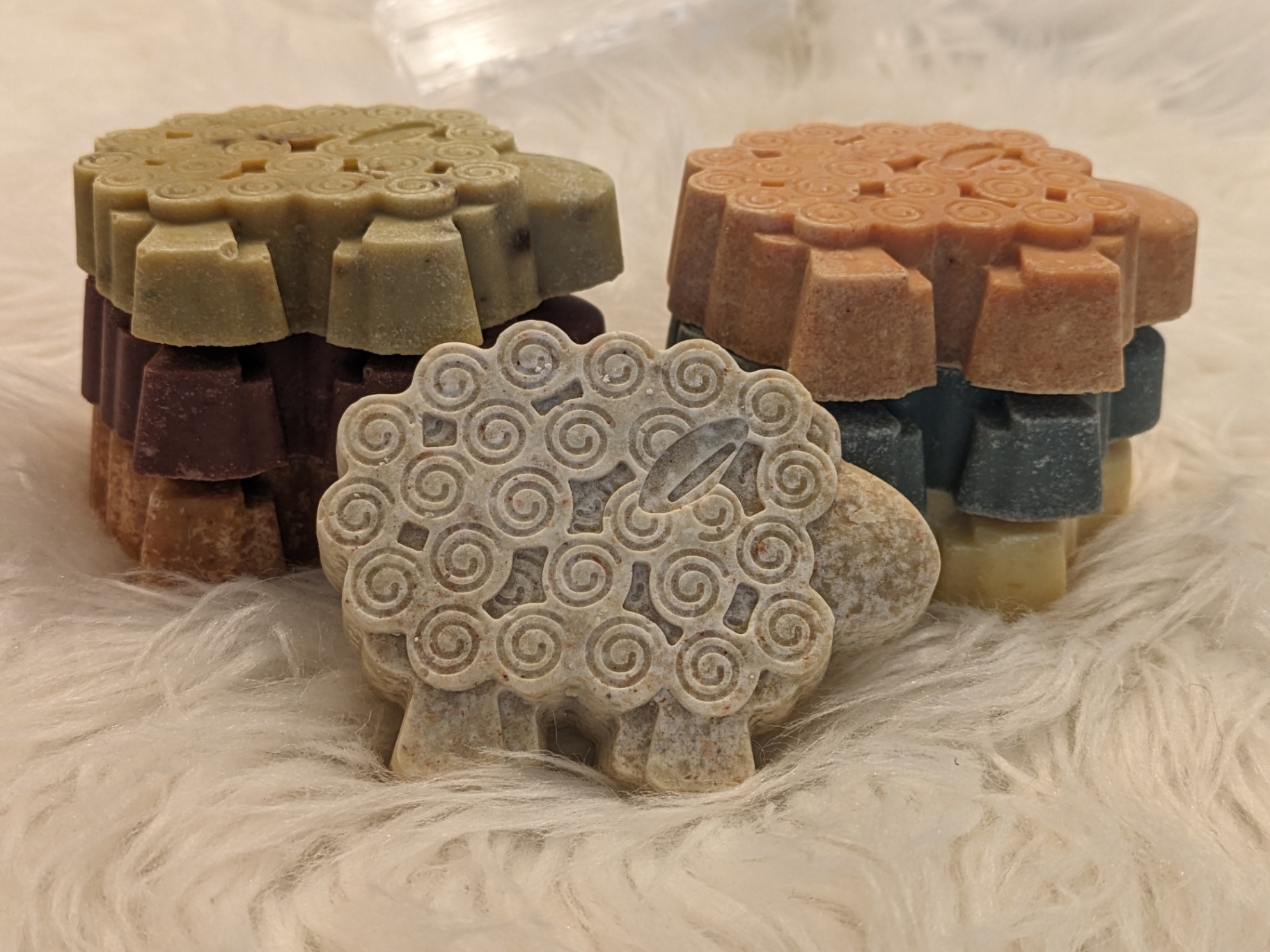
A comparative study published in the International Dairy Journal found that sheep milk contains significantly higher concentrations of vitamins A, B, and E compared to cow milk, along with superior mineral content including zinc and selenium: crucial for skin repair and antioxidant protection (Balthazar et al., 2017). These nutrients are naturally occurring and readily absorbed by skin tissue.
The protein composition of sheep milk offers unique benefits. Research in Food Chemistry demonstrates that sheep milk proteins, particularly immunoglobulins and lactoferrin, possess natural antimicrobial properties that can help maintain healthy skin microbiome balance without disrupting beneficial bacteria (Sánchez-Macías et al., 2010).
Additionally, sheep milk's fat composition includes higher levels of medium-chain fatty acids, which research in the Journal of Lipid Research shows can penetrate skin barriers more effectively than synthetic moisturizing agents while providing sustained hydration (Åkerström et al., 2015).
Market Data Reveals Dramatic Shift
The numbers tell a compelling story. Grand View Research reports that the global natural and organic skincare market reached $15.98 billion in 2022 and is projected to grow at 9.4% CAGR through 2030, significantly outpacing the traditional skincare market's 4.6% growth rate (Grand View Research, 2023).
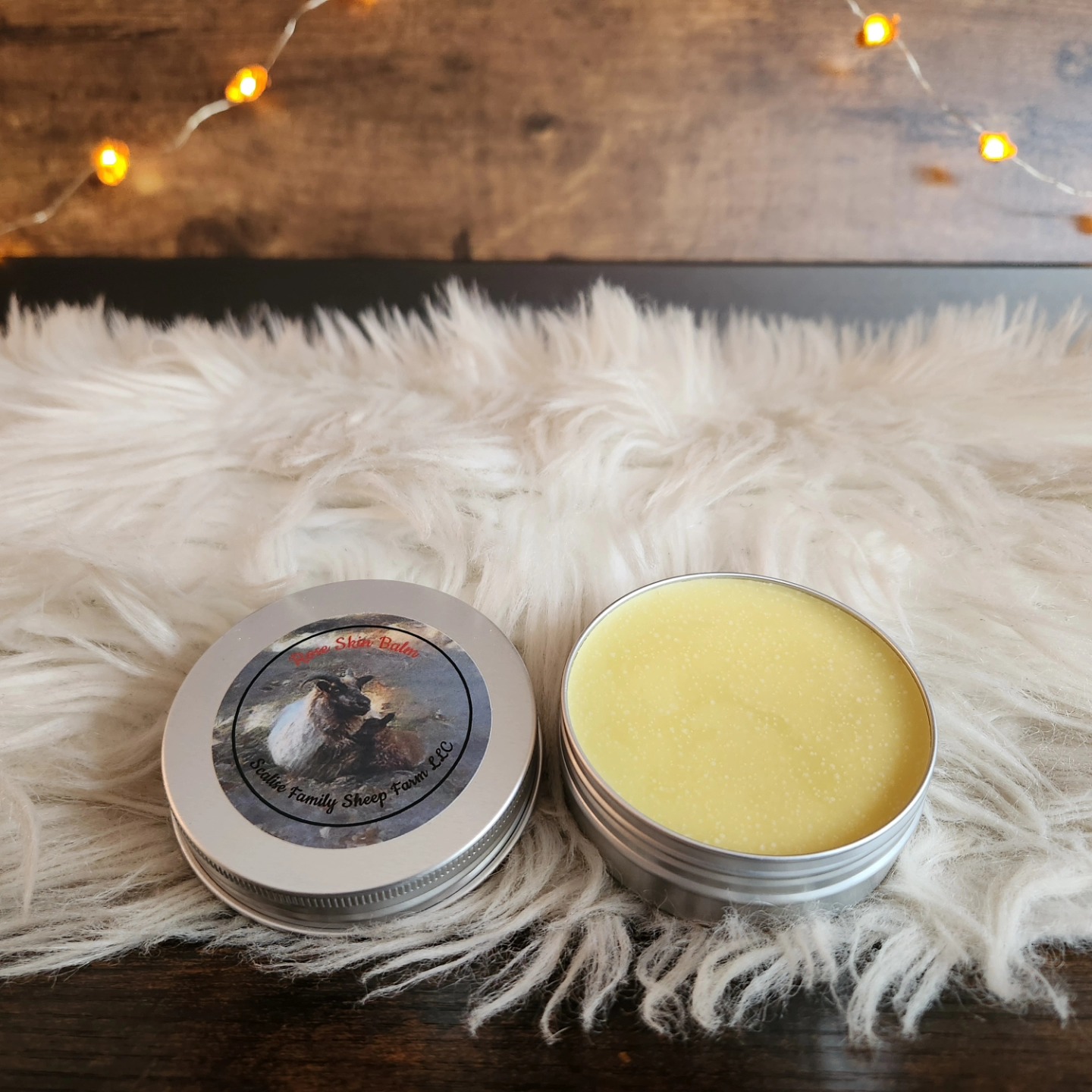
Gen Z's purchasing power is driving this transformation. Deloitte's 2023 Global Consumer Tracker found that 64% of Gen Z consumers research ingredient safety before purchasing skincare products, compared to just 34% of millennials and 18% of Gen X (Deloitte, 2023). This behavioral shift is forcing major beauty conglomerates to reformulate products and acquire natural skincare brands.
The farm-to-face movement specifically is gaining momentum. Market research by Mintel shows that products emphasizing farm origins and artisanal production methods experienced 23% year-over-year growth in 2023, with Gen Z accounting for 47% of these purchases (Mintel, 2023).
Environmental and Health Convergence
Gen Z's skincare choices reflect broader environmental consciousness backed by scientific understanding. Research published in Environmental Health Perspectives demonstrates that many synthetic skincare ingredients persist in wastewater systems and accumulate in aquatic ecosystems, raising concerns about environmental bioaccumulation (Brausch & Rand, 2011).

The concept of "clean beauty" extends beyond individual health to planetary health. Life cycle assessment studies show that natural skincare production typically generates 40-60% fewer carbon emissions compared to synthetic formulations, primarily due to reduced chemical processing requirements (Sustainable Packaging Coalition, 2022).
The Future of Functional Beauty
Gen Z views skincare through a wellness lens, connecting skin health to overall wellbeing. Research in the International Journal of Cosmetic Science shows that this holistic approach: linking nutrition, hydration, sleep, and topical care: produces superior long-term skin health outcomes compared to topical treatments alone (Krutmann et al., 2021).

This generation embraces functional beauty: products that provide health benefits beyond appearance enhancement. Studies indicate that bioactive compounds in natural ingredients like sheep milk can stimulate collagen synthesis, regulate skin cell turnover, and provide sustained barrier protection without the inflammatory responses sometimes associated with synthetic actives (Zhang et al., 2022).
Beyond the Binary: The Nuanced Reality
While Gen Z strongly favors natural alternatives, they're not anti-science. Research shows they appreciate evidence-based formulations that combine natural ingredients with proven efficacy. The key difference is their demand for transparency, sustainability, and genuine skin health benefits rather than quick fixes that may compromise long-term wellness.
The future isn't about completely eliminating synthetic ingredients: it's about thoughtful formulation that prioritizes safety, efficacy, and environmental responsibility. Brands succeeding with Gen Z combine traditional knowledge (like the historical use of sheep milk for skin care) with modern scientific validation, creating products that honor both heritage and innovation.
For family farms and artisanal producers, this represents unprecedented opportunity. Our handcrafted sheep milk skincare products embody exactly what Gen Z seeks: transparency in sourcing, minimal environmental impact, and genuine skin health benefits backed by both tradition and science.
The synthetic beauty industry isn't dead, but it's being forced to evolve. Gen Z's influence ensures that the future of skincare will prioritize authenticity, sustainability, and holistic wellness: values that natural, farm-fresh alternatives are uniquely positioned to deliver.
References:
Åkerström, B., et al. (2015). Medium-chain fatty acid penetration in human skin tissue. Journal of Lipid Research, 56(4), 834-845.
Agner, T., & Serup, J. (1990). Sodium lauryl sulphate for irritant patch testing. International Journal of Toxicology, 9(6), 543-551.
Balthazar, C. F., et al. (2017). Sheep milk: Physicochemical characteristics and relevance for functional food development. International Dairy Journal, 73, 94-101.
Brausch, J. M., & Rand, G. M. (2011). A review of personal care products in the aquatic environment. Environmental Health Perspectives, 119(9), 1253-1259.
Darbre, P. D., et al. (2004). Concentrations of parabens in human breast tumours. Journal of Applied Toxicology, 24(1), 5-13.
Deloitte. (2023). Global Consumer Tracker: Beauty and Personal Care Trends.
Djafarova, E., & Bowes, T. (2021). 'Instagram made Me buy it': Generation Z impulse purchases in fashion industry. Journal of Consumer Marketing, 38(3), 230-239.
Environmental Working Group. (2019). Personal Care Products Safety Database Annual Report.
Grand View Research. (2023). Natural and Organic Skincare Market Size, Share & Trends Analysis Report.
Krutmann, J., et al. (2021). The skin aging exposome. International Journal of Cosmetic Science, 43(2), 152-162.
McKinsey & Company. (2020). The influence of woke consumers on fashion and beauty.
Mintel. (2023). Farm-to-Face Beauty: Artisanal Skincare Market Analysis.
Nielsen. (2021). Global Sustainability Report: Consumer Preferences and Behavior.
Sánchez-Macías, D., et al. (2010). Physicochemical analysis of full-fat, reduced-fat, and low-fat artisan goat cheese. Food Chemistry, 123(4), 1153-1159.
Sustainable Packaging Coalition. (2022). Life Cycle Assessment of Natural vs. Synthetic Skincare Production.
Tiggemann, M., & Anderberg, I. (2020). Social media is not real: The effect of 'Instagram vs reality' images on women's social comparison and body image. Applied Psychology: Health and Well-Being, 12(2), 398-418.
Zhang, L., et al. (2022). Bioactive compounds in sheep milk and their potential skin health benefits. Journal of Functional Foods, 94, 105-118.


