

Winter weather can be absolutely brutal on your skin. The combination of cold outdoor air, low humidity, harsh winds, and drying indoor heating systems strips away your skin's natural moisture, leaving it compromised and uncomfortable. When temperatures drop, the water in our skin evaporates quickly, and our protective barrier becomes weak and damaged.
If your complexion has been showing signs of distress lately, it might be time to consider a natural solution that's been prized for skincare for thousands of years: sheep milk. Let's explore seven telltale signs that your winter skin is crying out for help: and how sheep milk can provide the natural upgrade your complexion desperately needs.
1. Persistent Dryness and Tightness
When your skin feels dry, tight, and has that uncomfortable "leather handbag" sensation, it's sending you a clear distress signal. This happens because cold air consistently lacks humidity, causing rapid moisture evaporation from your skin's surface. You might notice this especially after washing your face or stepping outside on a particularly cold day.
The fatty acids in sheep milk provide exceptional moisturizing properties that go far beyond surface-level hydration. Sheep milk contains significantly more butterfat than cow or goat milk, along with higher concentrations of vitamins, minerals, and protein. Clinical studies have shown that regular use of sheep milk-based products can improve skin hydration by up to 30%.
The rich fats in sheep milk don't just moisturize: they also help reduce the appearance of fine lines and wrinkles by plumping the skin and restoring its natural barrier function. This creates a protective layer that helps prevent further moisture loss throughout the day.

2. Flaky, Rough Texture
Flakiness and a rough skin surface are telltale signs that your skin barrier has been seriously disrupted by winter conditions. These symptoms indicate that dead skin cells are accumulating instead of naturally shedding, creating an uneven, scaly texture that can feel uncomfortable and look unsightly.
Sheep milk contains lactic acid, an alpha-hydroxy acid that acts as a gentle and natural exfoliant. Unlike harsh scrubs that can irritate already compromised winter skin, lactic acid works gradually to dissolve the bonds between dead skin cells, allowing them to slough off naturally.
This natural exfoliation process reveals the brighter, smoother skin underneath while helping maintain balanced pH levels. The result is skin that feels soft and looks radiant, even in the depths of winter.
3. Dull, Lackluster Complexion
If your skin looks more lackluster than usual and has lost its natural glow, winter is likely the culprit. The shortened daylight hours, combined with dehydration and poor cell turnover, leave skin appearing tired, gray, and lifeless. You might find that your usual makeup doesn't sit as well, or that your skin just looks "blah" even when you're feeling good.
Sheep milk brightens skin for a youthful glow through its combination of gentle exfoliation and nutrient-rich composition. The vitamin A found abundantly in sheep milk is vital for maintaining healthy skin, as it promotes cell turnover and encourages the formation of new, healthy cells.
This process helps restore that natural radiance that winter tends to steal, giving you a healthy glow that looks natural and feels comfortable.
4. Redness and Irritation
Winter-induced redness, irritation, and even unexpected breakouts can be particularly frustrating, especially when your normally well-behaved complexion suddenly rebels. The harsh conditions weaken your skin's protective barrier, leaving it vulnerable to inflammation from environmental stressors, wind, and even the scarves and hats we wear for warmth.
The anti-microbial and anti-inflammatory properties found in sheep milk protein specifically target these issues. These natural compounds help reduce redness and breakouts while protecting against the environmental stressors that winter brings.
Unlike harsh chemical treatments that might further irritate sensitive winter skin, sheep milk works gently to calm inflammation while supporting your skin's natural healing processes.
5. Increased Sensitivity
Those with naturally dry or sensitive skin often find themselves first in line for winter's harsh effects. Their already weakened skin barrier becomes even more susceptible to the dry conditions, resulting in skin that's inflamed, reactive, and uncomfortable. You might notice that products that normally work fine for you suddenly cause stinging or burning.
The B vitamins present in sheep milk contribute to maintaining skin elasticity and overall texture, helping to strengthen the skin's natural defenses. These vitamins work together to support the skin barrier function, making it more resilient against environmental stressors.
Additionally, the naturally gentle nature of sheep milk makes it an ideal solution for sensitive skin that can't tolerate harsher chemical treatments or synthetic ingredients commonly found in commercial skincare products.
6. Prominent Fine Lines and Wrinkles
When fine lines and wrinkles become more exaggerated during winter months, it's a sign that your skin is severely dehydrated and losing its natural plumpness. Cold air and indoor heating systems accelerate water loss from the skin, causing it to appear more aged and tired than usual.
The antioxidants in sheep milk, particularly vitamin E, combat free radicals that accelerate skin aging. These protective compounds work continuously to shield your skin from environmental damage while supporting its natural repair processes.
The fatty acids in sheep milk also support collagen production, helping your skin maintain its youthful structure and elasticity even in harsh winter conditions. This combination of protective antioxidants and collagen-supporting nutrients works to both preserve and improve the youthful appearance of your skin.
7. Persistent Itchiness (Winter Itch)
Winter itch is one of the most uncomfortable symptoms of the season, typically caused by prolonged dryness that isn't being properly addressed. This persistent itching can be particularly troublesome on areas like your legs, arms, and back: places that are exposed to dry air or come into contact with rough winter fabrics.
The comprehensive moisturizing properties of sheep milk, combined with its anti-inflammatory benefits, address both the root cause of dryness and the resulting irritation. The high concentration of vitamins and minerals acts as powerful antioxidants that protect and repair skin, breaking the cycle of dryness and itchiness that can plague winter skin.
Why Sheep Milk Works So Well
Sheep milk stands out as a superior skincare ingredient because it contains double the protein and calcium of cow or goat milk, and is significantly richer in vitamins A, B, and E, along with essential minerals like phosphorus, potassium, and magnesium.
This impressive blend of nutrients provides multiple benefits simultaneously:
- Deep hydration from rich fatty acids
- Gentle exfoliation from natural lactic acid
- Anti-inflammatory action from bioactive proteins
- Anti-aging effects from antioxidant vitamins
While sheep milk has been used as a beauty aid for thousands of years: Cleopatra famously bathed in it: it often remains underappreciated in today's crowded skincare market. However, those who discover its benefits often become devoted users, appreciating both its effectiveness and its completely natural origin.
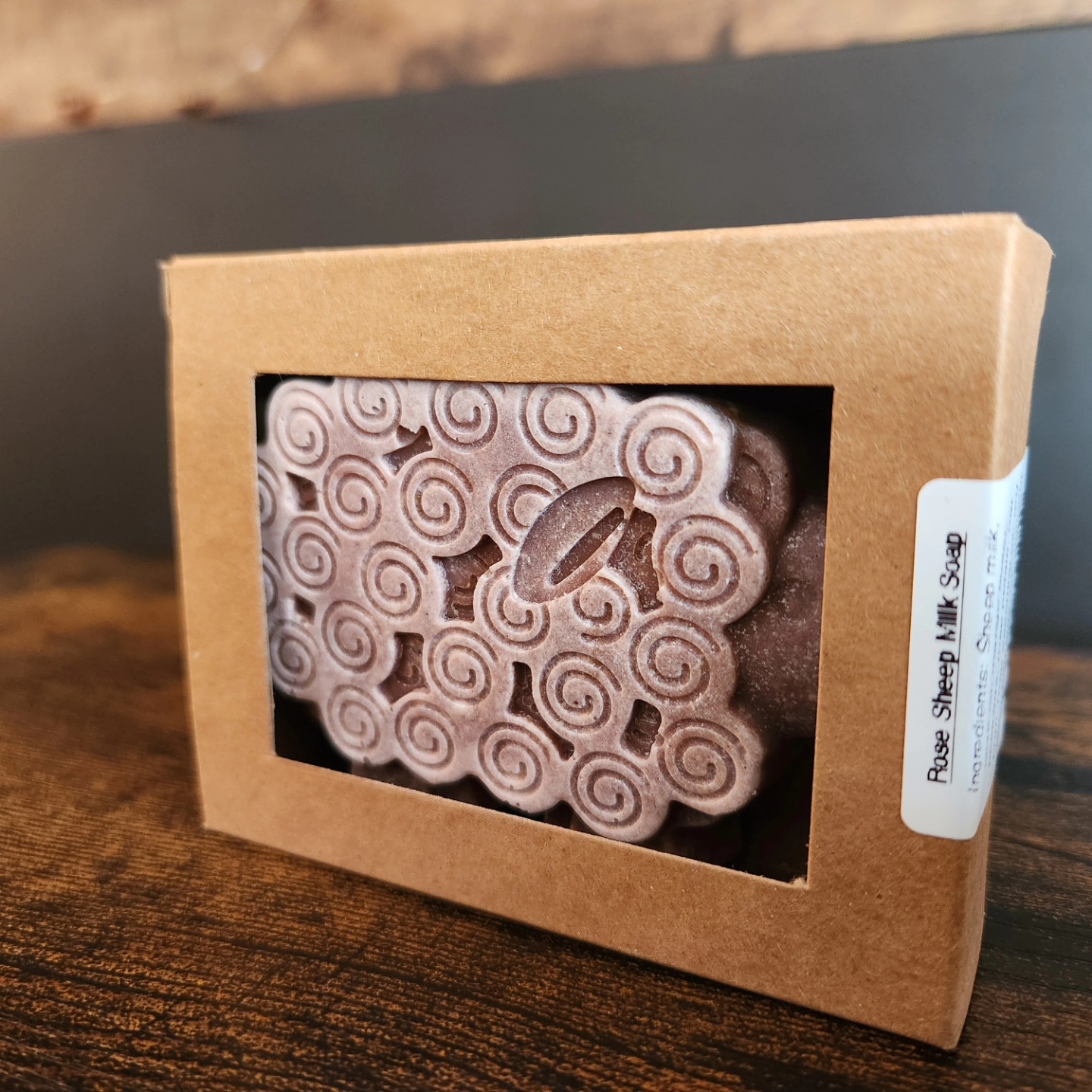
Whether you're looking to preserve your current healthy glow or address severely compromised winter skin, incorporating sheep milk soaps and skin balms into your routine can deliver the natural upgrade your complexion desperately needs.
The best part? Unlike synthetic skincare products that might work for a while before causing irritation or dependency, sheep milk products continue to nourish and improve your skin over time, working with your body's natural processes rather than against them.
References:
- Arias-Santiago, S., et al. (2022). Impact of Water Exposure and Temperature Changes on Skin Barrier Function. Journal of Clinical Medicine, 11(2), 298.
- Effects of Winter Indoor Environment on the Skin (Korean split-face clinical study). (2023). Skin Research and Technology. PMCID: PMC10264749.
- Ditre, C. M., Griffin, T. D., Murphy, G. F., Sueki, H., et al. (1996). Effects of α-hydroxy acids on photoaged skin: A pilot clinical, histologic, and ultrastructural study. Journal of the American Academy of Dermatology, 34(2), 187–195.
- Stiller, M. J., Bartolone, J., Stern, R., Smith, S., et al. (1996). Topical 8% glycolic acid and 8% L-lactic acid creams for the treatment of photodamaged skin: A double-blind vehicle-controlled clinical trial. Archives of Dermatology, 132(6), 631–636.
- Smith, W. P. (1996). Epidermal and dermal effects of topical lactic acid. Journal of the American Academy of Dermatology, 35(3), 388–391.
- Mukherjee, S., Date, A., Patravale, V., Korting, H. C., Roeder, A., Weindl, G. (2006). Retinoids in the treatment of skin aging: An overview of clinical efficacy and safety. Clinical Interventions in Aging, 1(4), 327–348.
- Draelos, Z. D., Ertel, K., Berge, C. A. (2005). Niacinamide-containing facial moisturizer improves skin barrier and benefits subjects with rosacea. Cutis, 76(2), 135–141.
- Tanno, O., Ota, Y., Kitamura, N., Katsube, T., Inoue, S. (2000). Nicotinamide increases biosynthesis of ceramides as well as other stratum corneum lipids to improve the epidermal permeability barrier. British Journal of Dermatology, 143(3), 524–531.
- Moatsou, G., & Sakkas, L. (2019). Sheep milk components: Focus on nutritional advantages and biofunctional potential. Small Ruminant Research, 180, 86–99.
- Singh, H., Gallier, S., & Dalgleish, D. G. (2020). Composition, Structure, and Digestive Dynamics of Milk From Different Species—A Review. Frontiers in Nutrition, 7, 577759.
- Wendorff, W. L. (2017). Sheep Milk—Composition and Nutrition. In: Park, Y. W., & Haenlein, G. F. W. (Eds.), Handbook of Milk of Non-Bovine Mammals (2nd ed.). Wiley-Blackwell.
- Balthazar, C. F., et al. (2023). Sheep Milk: Physicochemical Characteristics and Relevance for Functional Food Development. Comprehensive Reviews in Food Science and Food Safety, 22(2), 1492–1517.
- Superti, F. (2020). Lactoferrin from Bovine Milk: A Protective Companion for Life. Nutrients, 12(9), 2562.
- García-Montoya, I. A., Siqueiros-Cendón, T., Arévalo-Gallegos, S., & Rascón-Cruz, Q. (2012). Lactoferrin: A multiple bioactive protein—An overview. Biochimie, 94(1), 145–155.
- American Academy of Dermatology Association (AAD). (2023). Winter skin care: Dermatologist tips. AAD.org.


