

Natural skincare has exploded in popularity, and for good reason. People are tired of harsh chemicals and mystery ingredients that leave their skin irritated and worse off than before. But here's the thing: just because something is "natural" doesn't mean you can't mess it up.
We see it all the time at our farm. Folks come to us frustrated because their natural skincare routine isn't working, or worse, it's actually making their skin problems worse. The truth is, there are some really common mistakes that even the most well-intentioned natural skincare enthusiasts make.
Let's dive into the seven biggest mistakes we see, and more importantly, how to fix them so you can actually get the glowing, healthy skin you're after.
Mistake #1: The "Kitchen Sink" Approach
This is probably the biggest mistake we see in the natural skincare world. People get excited about all the amazing natural ingredients out there, argan oil, jojoba, rosehip oil, shea butter, vitamin E, and think "more must be better," so they throw everything into one product.
We get it. When you're making your own formulations or even just layering multiple products, it's tempting to use every beneficial ingredient you can find. But this creates a few problems. First, your routine becomes expensive fast. Second, you have no idea which ingredients are actually helping your skin. And third, you might actually irritate your skin by combining ingredients that don't play well together.
The Fix: Start simple. Choose one or two key ingredients and really get to know how they work with your skin before adding more. If you're making DIY products, focus on simple formulations where each ingredient has a clear purpose. This approach will save you money and help you understand what actually works for your unique skin.

Mistake #2: Over-Cleansing Your Skin
We live in a culture that equates "clean" with "healthy," and nowhere is this more problematic than with face washing. Many people think that if they wash their face more often, their skin will be clearer and healthier.
The reality? Your skin has a natural protective barrier made up of oils and beneficial bacteria. When you over-cleanse, you strip away this protection, which can actually cause your skin to produce more oil to compensate. You end up in a cycle where your skin gets oilier and more irritated, so you cleanse more, which makes the problem worse.
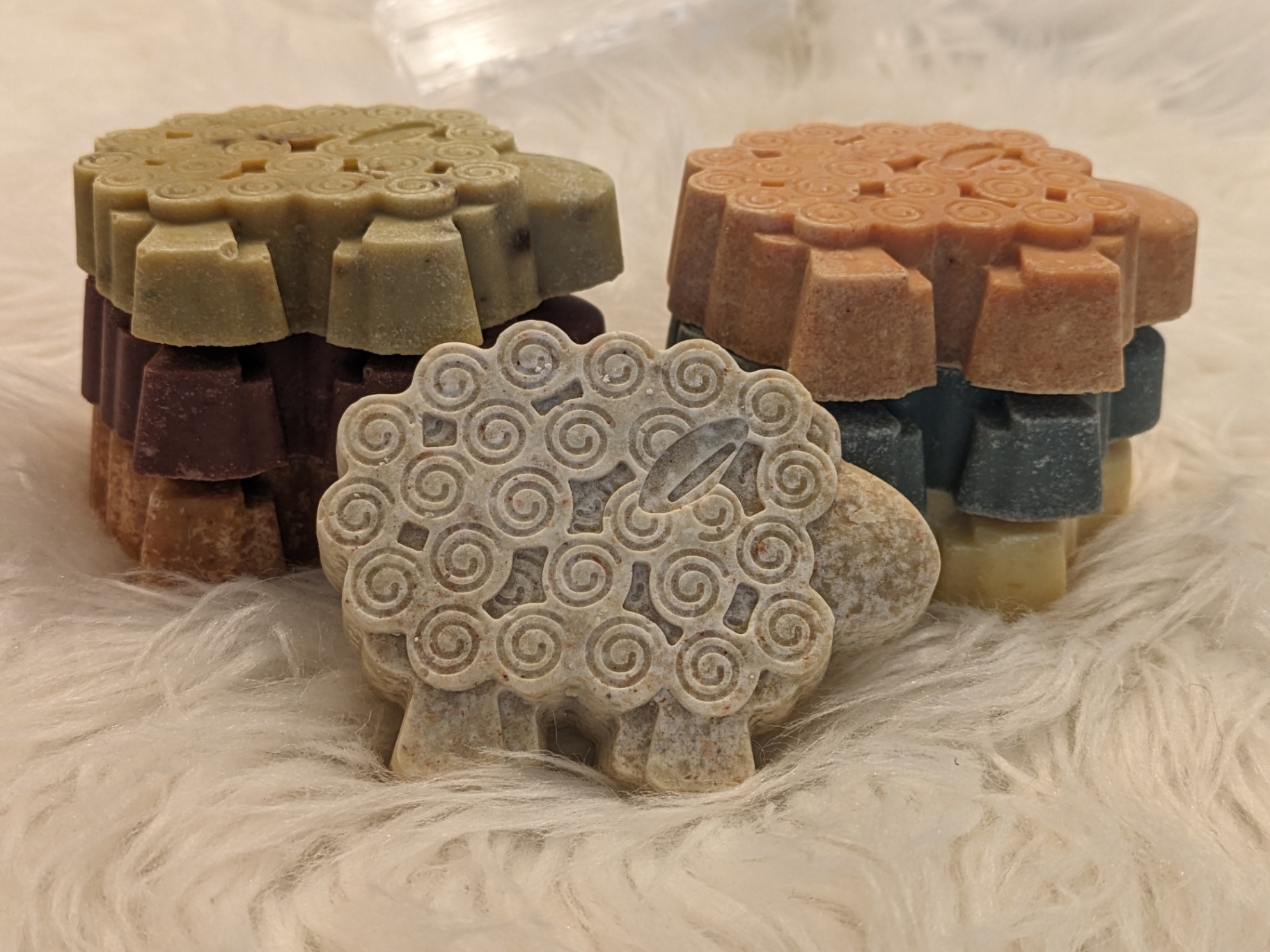
The Fix: Stick to cleansing twice a day, once in the morning and once at night. Choose a gentle, pH-balanced cleanser that won't disrupt your skin's natural barrier. If you're using one of our sheep milk soaps, you'll notice they're much gentler than commercial cleansers because sheep milk naturally has a pH close to human skin.
Mistake #3: Skipping Sunscreen (Yes, Even with Natural Products)
This one might seem obvious, but you'd be surprised how many people think that because they're using natural, nourishing products, they don't need sunscreen. Or they assume that some natural oils provide enough sun protection (spoiler alert: they don't).
Here's the hard truth: UV damage is cumulative and largely irreversible. All the amazing natural skincare in the world won't undo sun damage, and it can't prevent new damage from occurring. Skipping sunscreen essentially undoes all the good work your natural skincare routine is doing.
The Fix: Make sunscreen non-negotiable. Apply it every morning as the last step in your skincare routine, even on cloudy days. Look for mineral sunscreens with zinc oxide or titanium dioxide if you want to keep things natural. And remember, your skincare products should work together with sunscreen, not replace it.
Mistake #4: Over-Exfoliating
Exfoliation is essential for healthy skin: it removes dead skin cells, prevents clogged pores, and helps your other products penetrate better. But like most good things, you can have too much of it.
Over-exfoliating strips away your skin's protective barrier, making it more vulnerable to irritation, environmental damage, and UV rays. This is especially problematic if you're using natural acids like lactic acid or glycolic acid, or physical exfoliants like scrubs. Your skin needs time to repair and regenerate between exfoliation sessions.
The Fix: Limit exfoliation to 2-3 times per week max, and always do it at night. This gives your skin time to recover before facing environmental stressors the next day. Pay attention to how your skin feels: if it's tight, red, or more sensitive than usual, you're probably overdoing it.
Mistake #5: Ignoring Internal Hydration
This might be the most overlooked aspect of natural skincare: what you put in your body matters just as much as what you put on it. No amount of external moisturizing can compensate for chronic dehydration.
Water is essential for maintaining your skin's elasticity, helping it look plump and healthy, and supporting your body's natural collagen production. When you're dehydrated, your skin looks dull, feels tight, and shows fine lines more prominently.
The Fix: Drink at least 8 glasses of water daily, and more if you're active or live in a dry climate. Eat water-rich foods like cucumber, watermelon, and leafy greens. And remember, caffeine and alcohol are dehydrating, so balance them out with extra water.

Mistake #6: Wrong Product Order
The order you apply your skincare products can make or break your routine. Apply them in the wrong sequence, and you might prevent products from absorbing properly or even cancel out their benefits entirely.
We see this a lot with people who use natural oils. They'll apply a heavy oil first, then wonder why their water-based serum isn't absorbing. Or they'll apply moisturizer before their treatment products, creating a barrier that prevents the active ingredients from reaching their skin.
The Fix: Follow the golden rule of skincare layering: thinnest to thickest consistency. Start with cleanser, then toner (if you use one), followed by any serums, then moisturizer, and finally sunscreen in the morning. Oils typically go last or mixed with your moisturizer, unless they're very lightweight.
Mistake #7: Constantly Switching Products
We live in an age of skincare FOMO. There's always a new "miracle" ingredient or product promising better results. But constantly switching products is one of the worst things you can do for your skin.
Your skin needs time to adjust to new products and ingredients. When you switch too frequently, you never give anything a real chance to work. Plus, introducing new ingredients constantly increases your risk of irritation or allergic reactions.
The Fix: Be patient and consistent. Give any new product at least 4-6 weeks to show results (and up to 12 weeks for anti-aging products). Keep a skincare journal to track how your skin responds over time. When you do want to try something new, introduce one product at a time so you can identify what's actually making a difference.
The Bottom Line
Natural skincare can be incredibly effective, but only if you avoid these common pitfalls. The key is to keep things simple, be consistent, and remember that healthy skin is about more than just the products you use: it's about taking care of your whole self.
Whether you're using our sheep milk products or creating your own natural formulations, these principles will help you get the most out of your routine. Remember, good skin doesn't happen overnight, but with patience and the right approach, you'll start seeing the healthy, glowing results you're after.
Want to learn more about the benefits of natural skincare ingredients? Check out our guide to sheep milk's skin benefits or browse our collection of handcrafted natural skincare products.
References
- Schmid-Wendtner M-H, Korting HC. The pH of the skin surface and its impact on the barrier function. Skin Pharmacology and Physiology. 2006;19(6):296-302. doi:10.1159/000094670
- Ananthapadmanabhan KP, Moore DJ, Subramanyan K, Misra M, Meyer F. Cleansing without compromise: The impact of cleansers on the skin barrier and the technology of mild cleansing. Dermatologic Therapy. 2004;17(S1):16-25. doi:10.1111/j.1396-0296.2004.04S1002.x
- Grice EA, Segre JA. The skin microbiome. Nature Reviews Microbiology. 2011;9(4):244-253. doi:10.1038/nrmicro2537
- Green AC, et al. Sunscreen and prevention of skin aging: a randomized trial. Annals of Internal Medicine. 2013.
- Wang SQ, Balagula Y, Osterwalder U. Photoprotection: a review of sunscreens and tanning agents. Clinics in Dermatology. 2011;29(4):459-466. doi:10.1016/j.clindermatol.2011.01.020
- American Academy of Dermatology. How to safely exfoliate your skin. Accessed September 23, 2025. https://www.aad.org/public/everyday-care/skin-care-basics/care/exfoliate-safely
- Cosmetic Ingredient Review Expert Panel. Safety Assessment of Alpha Hydroxy Acids as Used in Cosmetics. International Journal of Toxicology. 2018;37(2_suppl):1S-28S. doi:10.1177/1091581818773155
- Palma L, Marques LT, Bujan MJ, Monteiro Rodrigues L. Effects of dietary water on skin hydration and biomechanics: A clinical study. International Journal of Cosmetic Science. 2015;37(5):468-473. doi:10.1111/ics.12221
- Popkin BM, D’Anci KE, Rosenberg IH. Water, hydration and health. Nutrition Reviews. 2010;68(8):439-458. doi:10.1111/j.1753-4887.2010.00304.x
- Barry BW. Breaching the skin’s barrier: theory and practice. Advanced Drug Delivery Reviews. 2004;56(5):603-618. doi:10.1016/j.addr.2003.10.025


