

If you've been hesitant about adding another oil to your skincare routine, rose oil might be the exception that proves the rule. This isn't just another trendy ingredient: it's a time-tested botanical powerhouse that delivers real results, especially when paired with the gentle, nourishing properties of sheep milk.
The Science Behind Rose Oil's Skin Benefits
Rose oil stands out in the crowded world of skincare ingredients because it's one of the few oils that truly works for all skin types, including the most reactive and sensitive skin [1,2,12]. The secret lies in its unique chemical composition, which includes naturally occurring compounds like citronellol and geraniol that work synergistically to calm irritation, reduce redness, and promote a brighter, more even complexion [4,6,13].
What makes rose oil particularly special is its rich concentration of antioxidants and fatty acids, especially linoleic acid, which provides a healthy collagen boost and contributes to that coveted healthy glow [6,9,16]. Unlike many active ingredients that can be harsh or irritating, rose oil actually soothes while it works, making it perfect for daily use [1,2].
Why Sensitive Skin Loves Rose Oil
For those dealing with sensitive, dry, or reactive skin, rose oil offers a gentle yet effective solution. Its anti-inflammatory and antimicrobial properties make it particularly beneficial for addressing various skin concerns without causing additional irritation [3,4,7,10,12]. The oil's therapeutic properties extend to skin conditions like eczema, dermatitis, and even minor wounds [2,8,11].
Research shows that rose oil is exceptionally effective for rosacea due to its anti-redness properties [12,6,9]. Its anti-inflammatory nature also makes it highly effective in reducing symptoms of acne, psoriasis, and general skin redness [7,3,4]. For acne-prone sensitive skin, rose oil provides a unique dual benefit: it supports healing of acne scarring and reduces blemishes while offering anti-inflammatory relief [2,8].
How Sheep Milk Enhances Rose Oil's Effects
While rose oil is powerful on its own, combining it with sheep milk creates a synergistic effect that's particularly beneficial for sensitive skin. Sheep milk contains natural alpha-hydroxy acids (AHAs) that gently exfoliate dead skin cells, allowing rose oil to penetrate more effectively and deliver its nourishing benefits deeper into the skin.
The proteins in sheep milk, including casein and whey, work alongside rose oil's fatty acids to strengthen the skin barrier. This combination is especially powerful because sheep milk's natural pH closely matches that of human skin, reducing the likelihood of irritation that can occur with other skincare combinations.
Additionally, sheep milk's rich vitamin content: particularly vitamins A, D, E, and B-complex: complements rose oil's antioxidant properties. Vitamin A supports cell turnover, while vitamin E works with rose oil's natural antioxidants to protect against environmental damage. This nutrient-dense combination creates an ideal environment for skin healing and regeneration.
Clinical Evidence and Research
Multiple studies have demonstrated rose oil's effectiveness in skincare applications. Research published in dermatological journals shows that rose oil's anti-inflammatory compounds significantly reduce skin irritation and redness when applied topically [2,7,12]. The oil's antimicrobial properties have also been documented in clinical and laboratory settings, showing effectiveness against various skin-relevant pathogens [3,4,10].
A study focusing on rose oil's effects on aging skin found that regular application led to improved skin texture, reduced appearance of fine lines, and enhanced overall skin tone [17]. The research attributed these benefits to rose oil's high concentration of phenolic compounds and essential fatty acids [6].
When it comes to sensitive skin specifically, clinical observations have noted that rose oil's gentle nature makes it suitable even for individuals with conditions like eczema and dermatitis, where many other essential oils would be contraindicated [12,2,8].
Real-World Applications: Our Rose-Infused Products
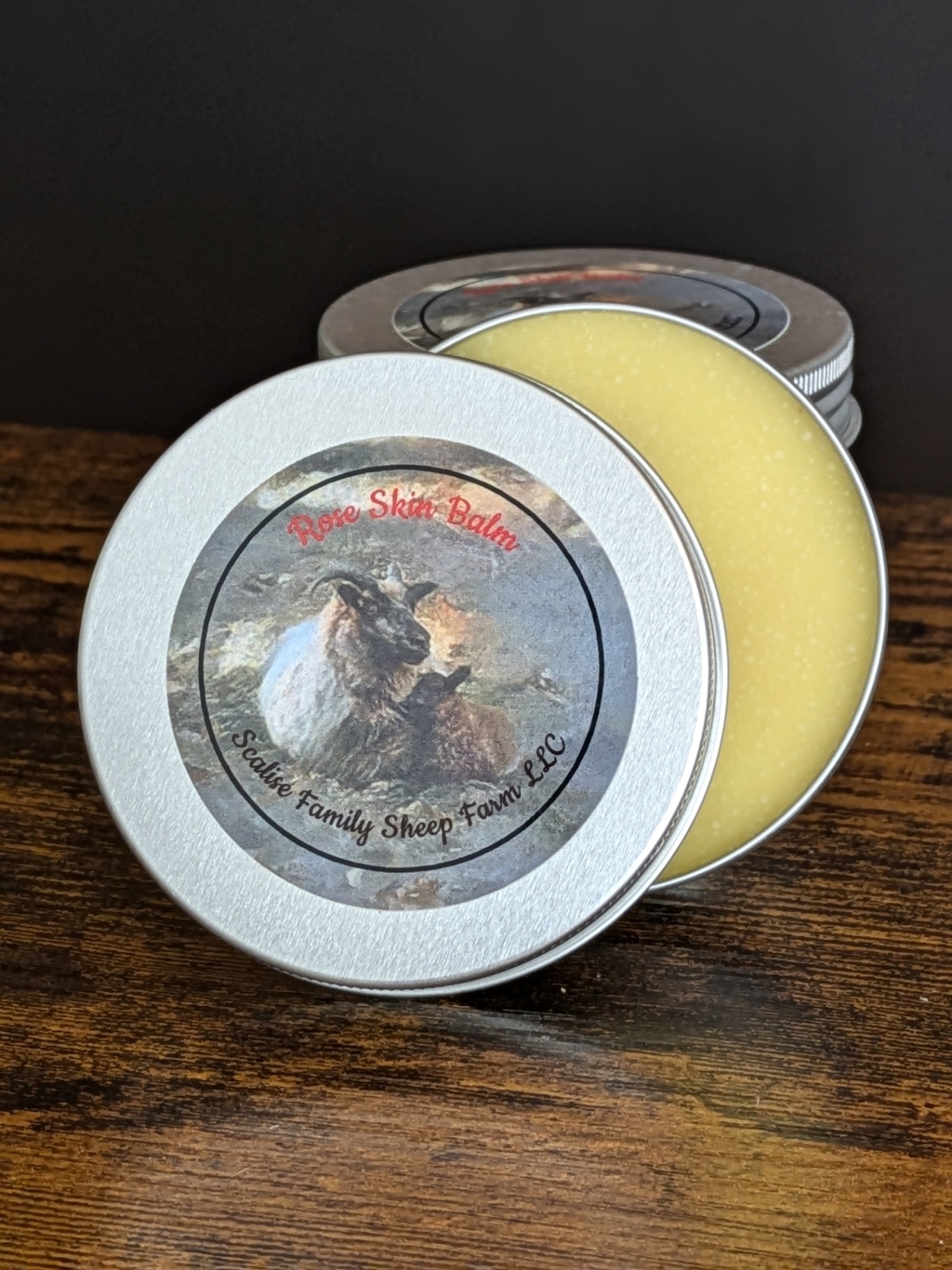
At Scalise Family Sheep Farm, we've harnessed the power of this rose oil and sheep milk combination in our handcrafted skincare products. Our Rose Skin Balm combines pure rose oil with nutrient-rich sheep milk from our own Icelandic flock, creating a concentrated treatment that's perfect for targeted areas of concern.
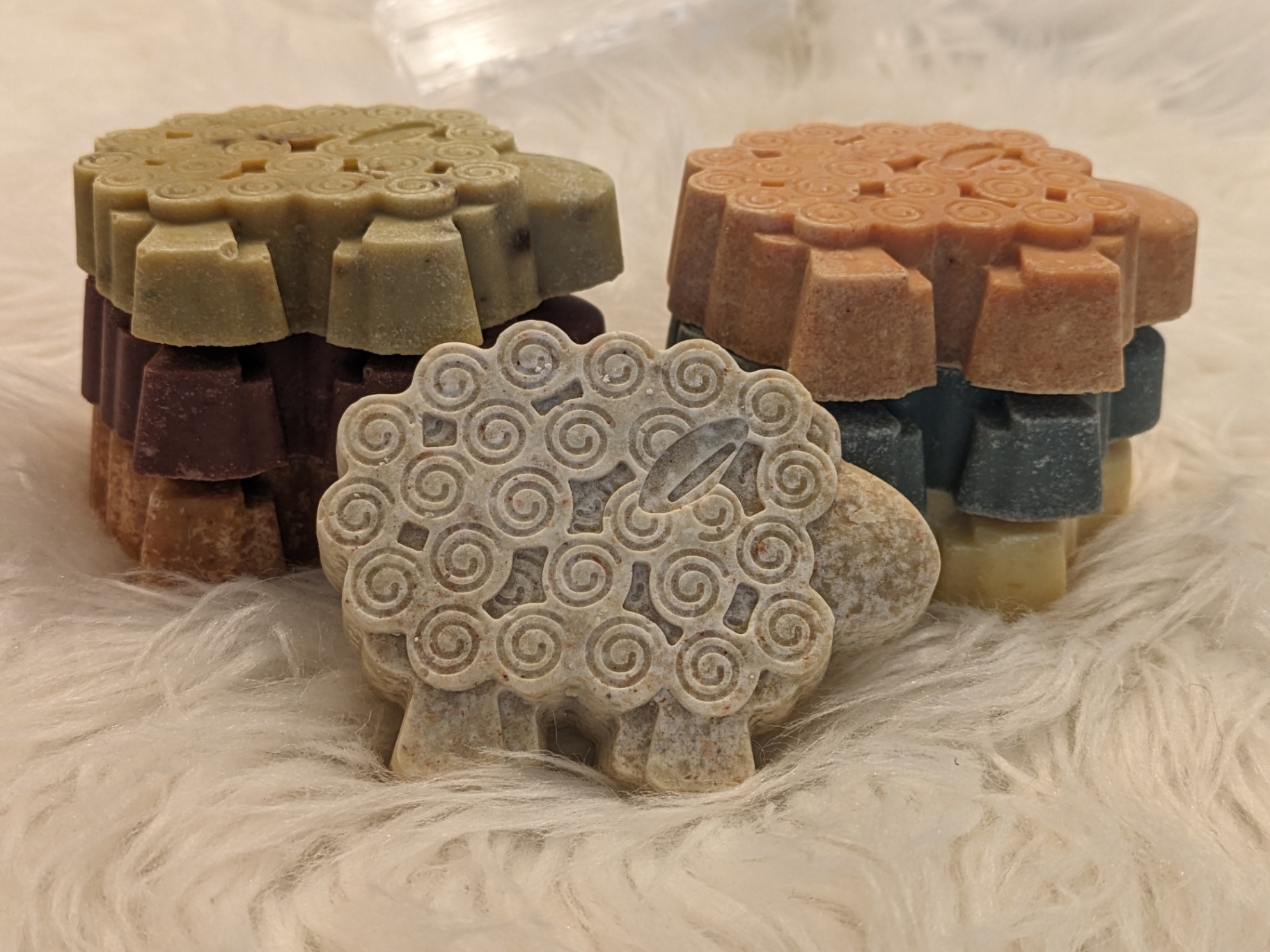
For daily use, our Rose Sheep Milk Soap provides the gentle cleansing benefits of rose oil in a nourishing, moisturizing base. The soap maintains rose oil's therapeutic properties while the sheep milk ensures your skin doesn't feel stripped or tight after cleansing.
How to Incorporate Rose Oil into Your Daily Routine
Morning Application: Rose oil can be safely used during the day, making it incredibly versatile [12]. For morning routines, apply a small amount of rose-infused product after cleansing but before sunscreen. The oil helps create a protective barrier that locks in moisture throughout the day.
Evening Treatment: Rose oil truly shines in evening routines. Its delicate, fragrant aroma provides aromatherapy properties that uplift mood and promote peaceful sleep [1]. Apply rose oil products after your evening cleanse to support overnight skin repair and regeneration.
Targeted Use: For specific concerns like dry patches, dark spots, or areas of redness, rose oil can be applied directly to affected areas once or twice daily [12,2]. The key is consistency: regular use yields the best results for improving tone and texture while calming irritation.
The Hydration Connection
While rose oil isn't a standalone moisturizer, it excels at helping skin lock in moisture by creating a barrier that slows water loss [8]. This hydration-supporting quality makes it particularly valuable for sensitive skin types that struggle with moisture retention.
The sheep milk in our formulations adds another layer of hydration support through its natural humectant properties. Together, rose oil and sheep milk create a moisture-retaining system that leaves skin feeling softer, plumper, and more nourished [8].
Beyond Skin Benefits
Rose oil offers benefits that extend beyond skincare. Its natural aromatherapy properties can help reduce stress and promote relaxation, making your skincare routine a moment of self-care rather than just another task [1]. This mind-skin connection is particularly important for those with sensitive skin, as stress can often trigger flare-ups and increased reactivity.
Making the Switch
If you're currently using harsh cleansers or products with synthetic fragrances that irritate your sensitive skin, transitioning to rose oil-based products can provide immediate relief. Start slowly: introduce one rose oil product into your routine and observe how your skin responds before adding others.
For those new to natural skincare, rose oil's gentle nature makes it an excellent starting point. Unlike some botanical ingredients that require careful introduction, rose oil is well-tolerated by most skin types, including those with existing sensitivities [12,1].
The combination of rose oil and sheep milk represents a perfect marriage of traditional skincare wisdom and modern understanding of what sensitive skin truly needs. By choosing products that harness both ingredients, you're investing in a skincare approach that nourishes, protects, and heals: exactly what your skin deserves.
References: [1] Mohebitabar S, Shirazi M, Bioos S, Rahimi R, Malekshahi F, Nejatbakhsh F. Therapeutic efficacy of rose oil: A comprehensive review of clinical evidence. Avicenna Journal of Phytomedicine. 2017;7(3):206-213. PMID: 28748167. PMCID: PMC5511972. https://pmc.ncbi.nlm.nih.gov/articles/PMC5511972/
[2] Kim JH, Choi DK, Lee SS, Choi SJ, Kim CD, Yoon TJ, Lee JH. Enhancement of Keratinocyte Differentiation by Rose Absolute Oil. Annals of Dermatology. 2010;22(3):280-289. PMCID: PMC2917677. https://pmc.ncbi.nlm.nih.gov/articles/PMC2917677/
[3] Mahboubi M, Kazempour N, Khamechian T, Fallah MH, Memar Kermani M. Chemical Composition and Antimicrobial Activity of Rosa damascena Mill Essential Oil. Journal of Essential Oil Bearing Plants. 2011;14(1):—. https://www.tandfonline.com/doi/abs/10.1080/22311866.2011.10719069
[4] Ghavam M, Jafari A, et al. Variability in chemical composition and antimicrobial activity of essential oil of Rosa × damascena Herrm. from mountainous regions of Iran. Chemical and Biological Technologies in Agriculture. 2021;8:17. https://chembioagro.springeropen.com/articles/10.1186/s40538-021-00219-6
[5] Schmitt S, Schäfer UF, Döbler L, Reichling J. Variation of in vitro Human Skin Permeation of Rose Oil between Different Application Sites. Skin Pharmacology and Physiology. 2010;23(4):224-233. https://www.karger.com/Article/FullText/315043
[6] Akram M, Riaz M, Munir N, et al. Chemical constituents, experimental and clinical pharmacology of Rosa damascena: a literature review. Journal of Pharmacy and Pharmacology. 2020;72(2):161-174. https://onlinelibrary.wiley.com/doi/full/10.1111/jphp.13185
[7] Hajhashemi V, Ghannadi A, Hajiloo M. Analgesic and Anti-inflammatory Effects of Rosa damascena Hydroalcoholic Extract and its Essential Oil in Animal Models. Iranian Journal of Medical Sciences. 2013;38(3):190-195. PMCID: PMC3862064. https://www.ncbi.nlm.nih.gov/pmc/articles/PMC3862064/
[8] Lin T-K, Zhong L, Santiago JL. Anti-Inflammatory and Skin Barrier Repair Effects of Topical Application of Some Plant Oils. International Journal of Molecular Sciences. 2017;19(1):70. PMCID: PMC5796020. https://www.ncbi.nlm.nih.gov/pmc/articles/PMC5796020/
[9] Boskabady MH, Shafei MN, Saberi Z, Amini S. Pharmacological Effects of Rosa Damascena. Iranian Journal of Basic Medical Sciences. 2011;14(4):295-307. PMCID: PMC3586833. https://www.ncbi.nlm.nih.gov/pmc/articles/PMC3586833/
[10] Danciu C, et al. Phytochemical Profile, Antioxidant Potential, Antimicrobial Activity and Cytotoxicity of a Dry Extract from Rosa damascena Mill. Molecules. 2023;28(22):—. PMCID: PMC10674922. https://www.ncbi.nlm.nih.gov/pmc/articles/PMC10674922/
[11] Amini A, et al. Investigating the effect of a herbal cream containing rose essence in an animal model of eczema. Avicenna Journal of Phytomedicine. 2023;—:—. PMCID: PMC12033013. https://www.ncbi.nlm.nih.gov/pmc/articles/PMC12033013/
[12] Gnaneswaran T, Fotouhi A, Lynam K, Utz S, Daveluy S. Essential Oils in Dermatology: A narrative review. Journal of Integrative Dermatology. 2025;—:—. https://jintegrativederm.org/doi/10.64550/joid.nt5zgk07
[13] Aycı F, Aydınlı M, Bozdemir ÖA, Tutaş M. Gas chromatographic investigation of rose concrete, absolute and solid residue. Flavour and Fragrance Journal. 2005;20(2):—. https://onlinelibrary.wiley.com/doi/10.1002/ffj.1487
[16] Ghasemi D, et al. Chemotype of Damask rose with oleic acid (9‑octadecenoic acid) as a major component in essential oil. Scientific Reports. 2021;11:—. PMCID: PMC8044169. https://www.ncbi.nlm.nih.gov/pmc/articles/PMC8044169/
[17] Lim T-G, et al. Rose Petal Extract (Rosa gallica) Exerts Skin Whitening and Anti-Skin Wrinkle Effects. Journal of Medicinal Food. 2020;23(8):—. https://www.liebertpub.com/doi/10.1089/jmf.2020.4705


